


Antique British Cityscape Art
Antique British cityscape art records urban streets, rivers and historic architecture through centuries of changing watercolours, oils and etchings.
Antique British Cityscape Art
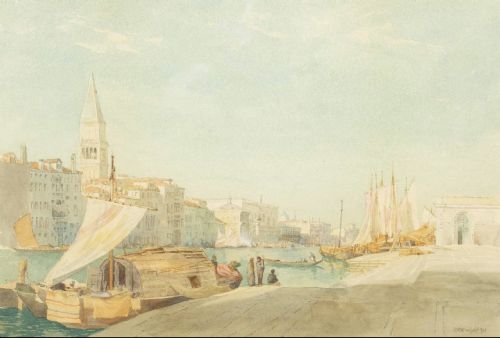
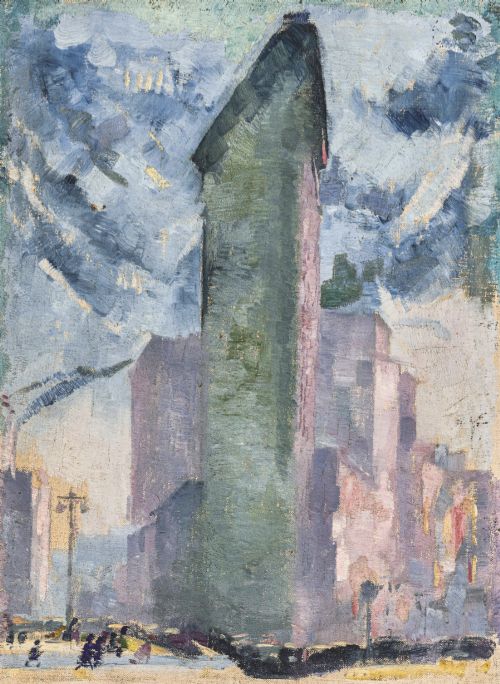
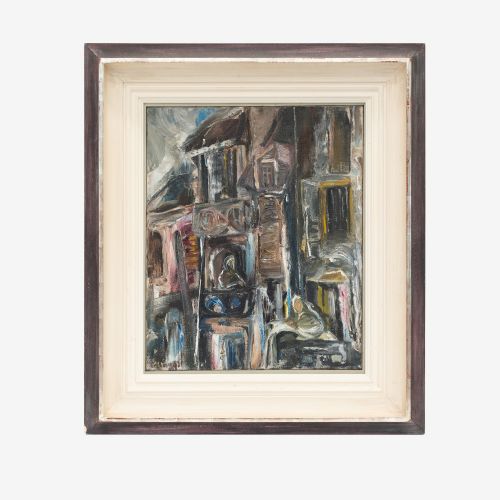
When you search for antique British cityscape art, you encounter visual records of streets, rivers and architectural landmarks spanning the nineteenth and twentieth centuries. These works document urban expansion, historic pageantry and everyday civic life through the eyes of period painters and printmakers.
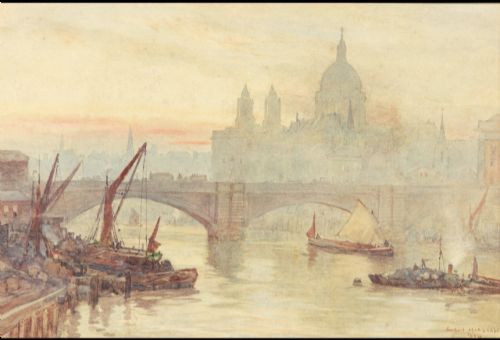
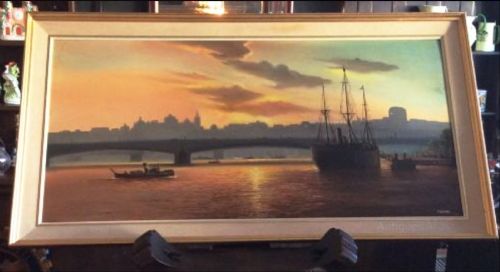
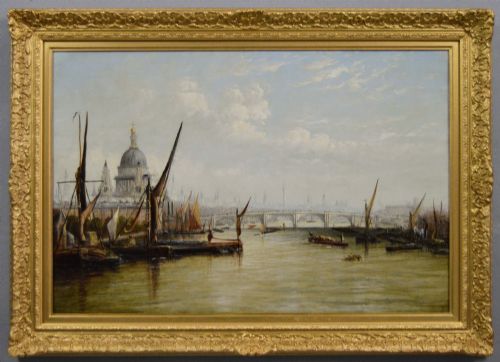
The selections available here range from intimate watercolour sketches of provincial towns like York, Chester and Lincoln to grand oil paintings capturing the river Thames in London. Maritime views featuring bridges, shipping and coastal waterways appear frequently alongside inland street scenes and cathedral towns.
Makers and artists working within British Impressionism, Romanticism and the Victorian fine art tradition produced these pieces. Works stretch from early nineteenth-century studies and Regency views through Edwardian street scenes up to mid-twentieth-century compositions.
Materials and methods
Artists employed watercolour paint on paper alongside oil on canvas to render these urban views, often framing finished pieces behind glass within wood and gesso frames. Etchings on paper, including hand-coloured impressions and drypoint plates, represent the graphic arts within this tradition.
Support materials vary from stretched canvas for substantial oil paintings to heavy watercolour paper for studies and finished sheets. Frames frequently utilise period gilt wood and moulded gesso to protect and complement the artwork.
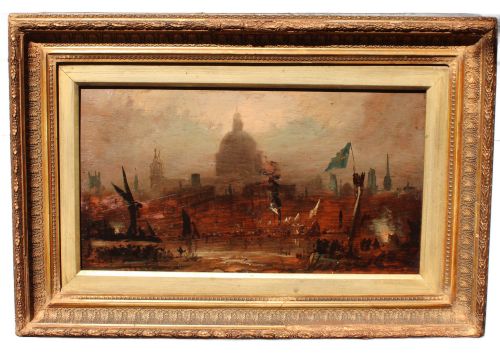
Pigeons and pedestrians populate London streets while boats crowd the Thames, preserving Victorian haste in pigment.
Factors of quality
Quality rests upon the artist's draftsmanship, composition and ability to capture the atmosphere of a specific location. Hand-rendered brushwork and confident handling of light distinguish superior oil paintings and watercolours from routine topographical records.
The condition of the paper or canvas, preservation of original pigments and the integrity of period frames contribute significantly to a work's standing. Works executed with strong provenance or by documented members of artistic societies hold distinct art-historical weight.
Francis Moltino·Richard Henry Wright·Alfred Wolmark·Fred Lawson·Charles James Lauder·George Whyatt·David Small·Walter Duncan·David Law·Noel Harry Leaver·Francis Dodd·Henry Wimbush·Alfred Pollentine·Rowland Henry Hill·William A Macdonald·Henry Edridge·John Thistle
The Antique British Cityscape Art Glossary
- Watercolour paint
- A water-soluble medium using pigments suspended in a water-based solution, applied to paper to create translucent washes of colour.
- Oil on canvas
- Pigments bound with drying oils applied to a woven fabric surface stretched across a wooden frame, allowing rich colour depth and textured brushwork.
- Drypoint etching
- A printmaking technique where an artist scratches a design directly onto a metal plate with a sharp needle, producing characteristic velvety lines when printed.
- Gesso
- A plaster-like mixture applied to wood frames to create a smooth surface for gilding and ornamental moulding.
- Provenance
- The documented history of ownership and origin for an artwork, establishing its authenticity and past journey.
Antique British Cityscape Art: Frequently Asked Questions
What subjects appear in these works?
These pieces depict urban environments, including London bridges, Venetian canals, provincial street scenes and cathedral cities. Rivers, processions and architectural landmarks dominate the compositions.
Artists recorded the changing character of British and European towns, capturing both grand civic spaces and quiet provincial corners.
How do I care for works on paper?
Watercolours and etchings require protection from direct sunlight to prevent fading of pigments and discolouration of paper supports. Maintaining stable indoor humidity levels prevents foxing and mould growth.
Framing with acid-free mounts and glass further safeguards delicate paper works from atmospheric pollutants and physical damage.
How can I tell the period of a piece?
Stylistic clues such as architectural details, clothing worn by figures in street scenes and framing materials help indicate the era of production. Signatures, inscriptions and artist dates provide the clearest chronological markers.
Medium choices and paper characteristics also point toward specific decades within the nineteenth and twentieth centuries.
Where were these pieces originally displayed?
Original owners typically hung these artworks in domestic drawing rooms, studies and town houses as symbols of cultivation and travel. Some larger oil paintings served as formal interior decorations for public or commercial spaces.
Exhibition in annual academy shows or dealer galleries marked the initial journey of many fine art pieces.