




Antique British Ceramics
These antique British ceramics bring together nineteenth-century Staffordshire figures, Doulton Lambeth stoneware, and Royal Worcester porcelain for collectors seeking traditional craftsmanship.
Antique British Ceramics
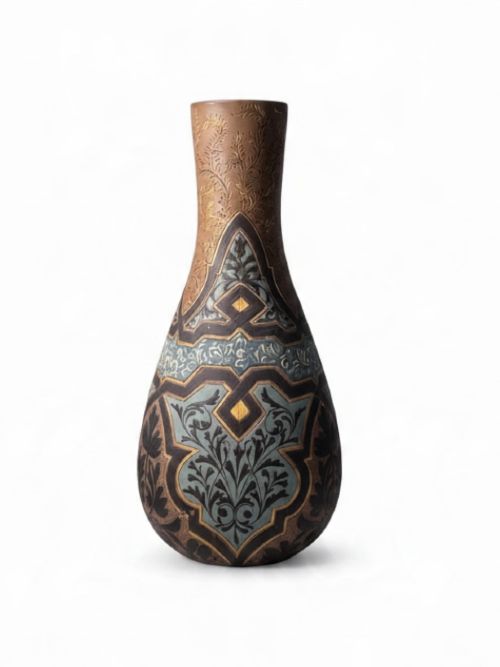
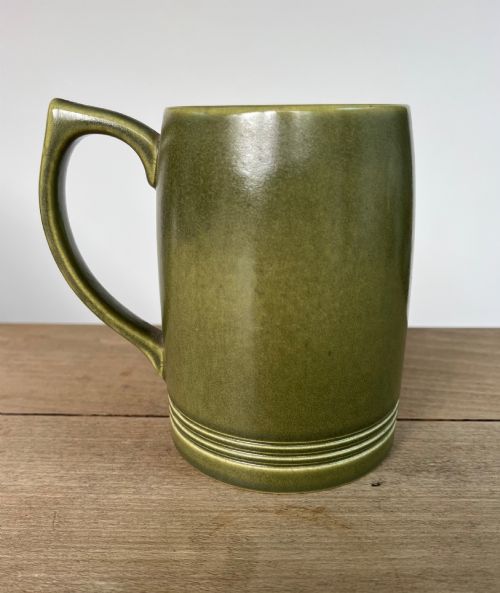
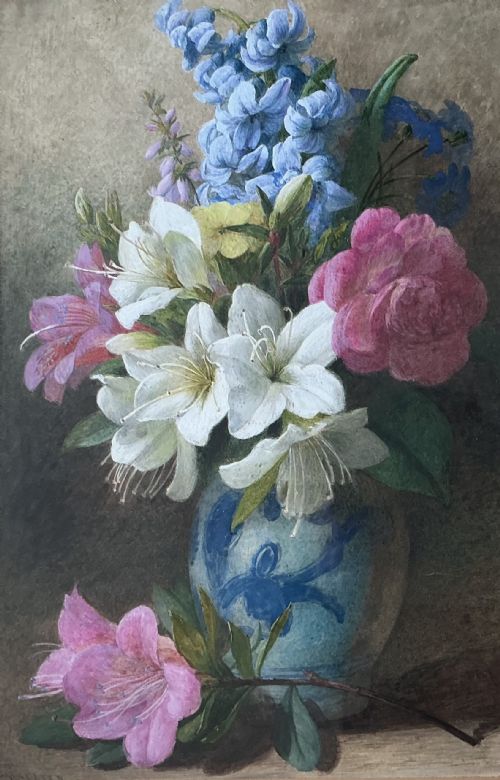
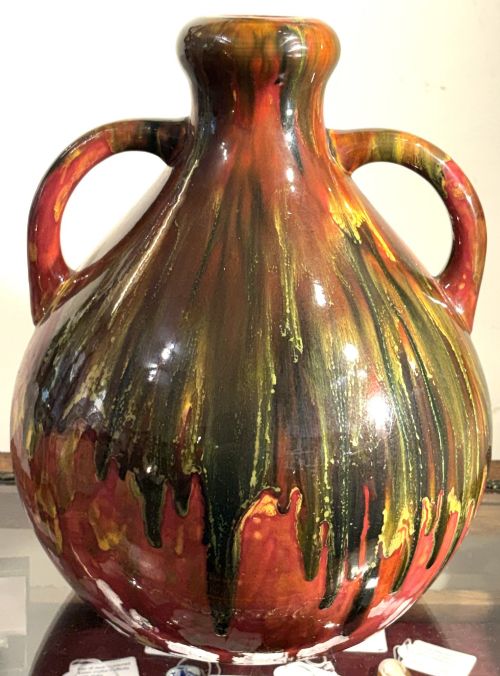
Antique British ceramics encompass a varied range of decorative and functional objects produced across the nineteenth and early twentieth centuries. Pieces span the Victorian, Edwardian, and Art Deco periods, reflecting changing domestic tastes and manufacturing capabilities.
How they were made
Potters shaped earthenware, stoneware, and porcelain using traditional throwing, moulding, and casting techniques before applying glazes and enamels. Many decorative items received hand-painted details or intricate reticulation executed by named artists and skilled artisans.
Surface decoration often incorporated salt glazing, Silicon ware, or applied slip, followed by firing in kilns to fix colours and metallic gilding such as gold leaf.
Antique British Ceramics Retail Price Guide 2026
Typical asking prices for british ceramics among the pieces listed under this phrase on Sellingantiques today, from the lower quarter to the upper quarter. They describe what is for sale here now, not the wider market.
Listings feature British ceramics spanning the Victorian era through the 1930s, utilising earthenware, stoneware, and porcelain materials.
What varies in quality
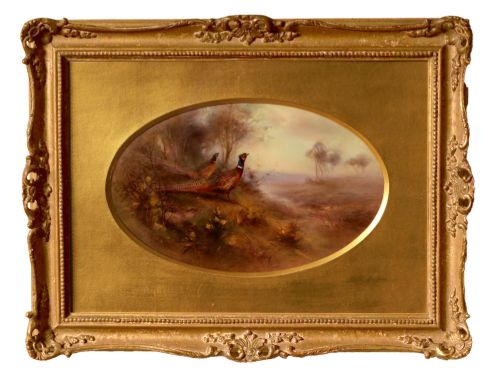
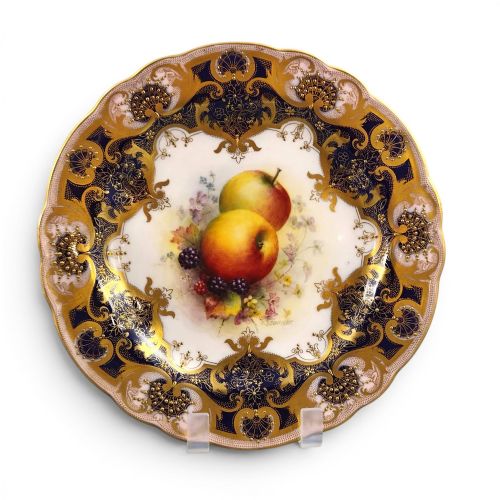
Quality in these ceramics rests upon the precision of the modelling, the clarity of the glaze, and the execution of hand-painted decoration. Pieces painted by recognised artists or produced by distinguished potteries demonstrate superior artistic control and refined finishing.
The complexity of the form, such as reticulated porcelain or heavy salt-glazed stoneware with detailed incised patterns, distinguishes finer studio outputs from standard commercial wares.
Royal Worcester·Doulton Lambeth·Fulham Pottery·Burmantofts
The Antique British Ceramics Glossary
- Earthenware
- A porous pottery fired at lower temperatures, typically covered with an opaque or transparent glaze. It forms the body of many traditional Staffordshire figures and domestic teapots.
- Stoneware
- A dense, vitreous or semi-vitreous ceramic fired at high temperatures until non-porous. Doulton Lambeth pieces utilise this durable material for detailed incised ornamentation.
- Porcelain
- A fine, translucent ceramic fired at high heat, prized for delicate tableware and decorative cabinet plates. Royal Worcester specialised in this refined body.
- Reticulation
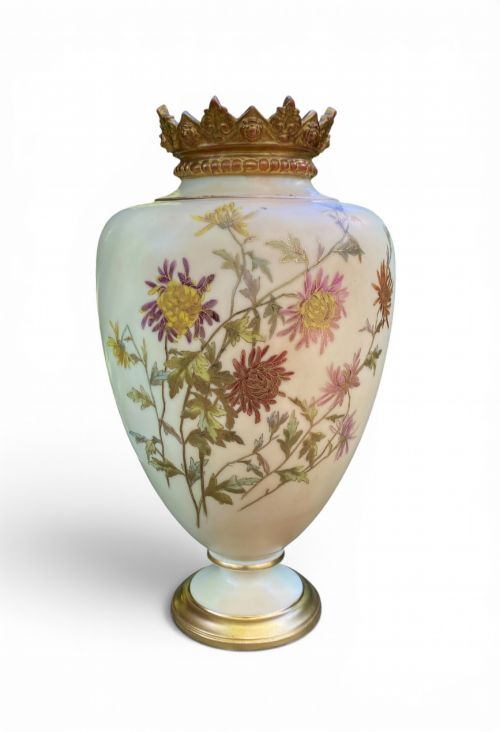
- An openwork pattern pierced through the ceramic body prior to firing. George Owen employed this technique on Royal Worcester vases.
- Salt Glaze
- A finish created by throwing common salt into the kiln during high-temperature firing, producing a characteristic textured surface on stoneware.
Antique British Ceramics: Frequently Asked Questions
What defines a Staffordshire figure?
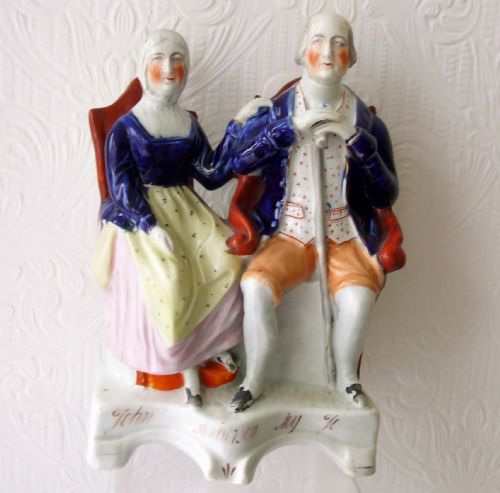
Staffordshire figures are moulded earthenware pottery pieces produced in the nineteenth century, often depicting contemporary royalty, literary figures, or notable historical events for domestic mantelpieces.
These ceramic portrait pieces rely on hand-painted enamel colours and simple glazes to create accessible, decorative ornaments for Victorian homes.
How do I care for antique porcelain?
Antique porcelain requires gentle cleaning with a soft, dry cloth or lukewarm water without harsh detergents to protect delicate hand-painted surfaces and gilt highlights.
Displaying pieces away from direct sunlight and sudden temperature shifts prevents fading and thermal stress on the ceramic body and glaze.
What is Doulton Lambeth stoneware?
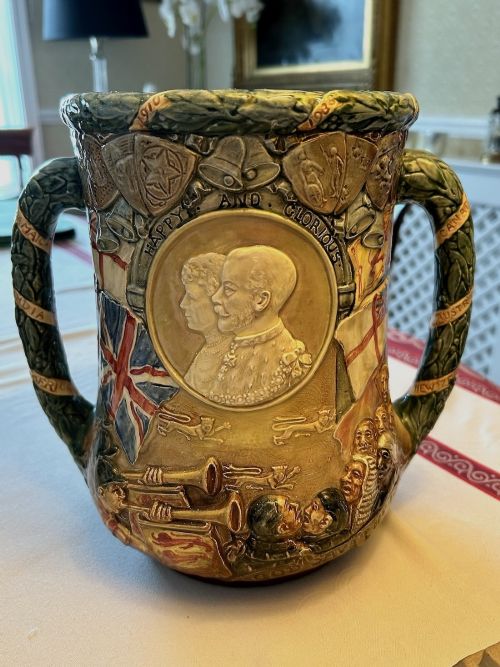
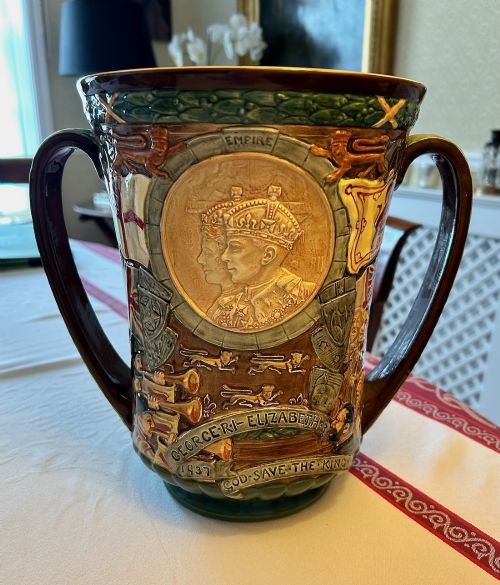
Doulton Lambeth stoneware refers to pottery produced by the London studio known for dense, durable stoneware bodies decorated with incised patterns and applied ornament.
Artists within the firm used specialised salt glazes and naturalistic designs, aligning production with the broader Arts and Crafts movement of the late nineteenth century.
How are production dates identified?
Dates on British ceramics are often determined through factory backstamps, registration marks, specific stylistic periods, and the documented working years of individual artists.
Comparing glaze types, potting techniques, and commemorative subject matter helps narrow the era of manufacture when explicit marks are absent.