


Antique Bread Plate
An antique bread plate brings practical Victorian dining history directly to the modern table.
Antique Bread Plate
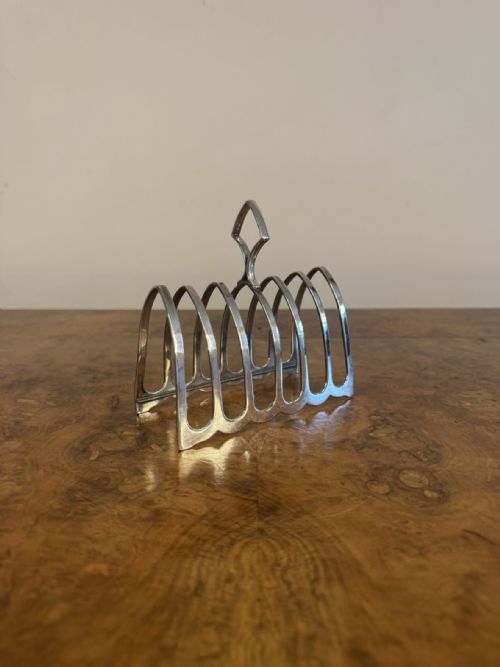
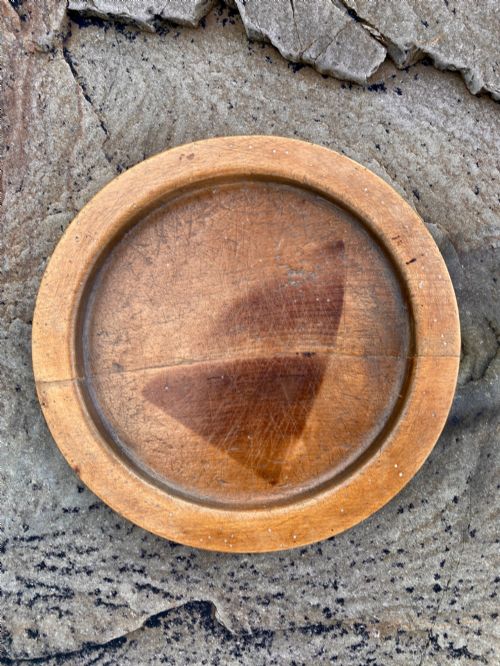
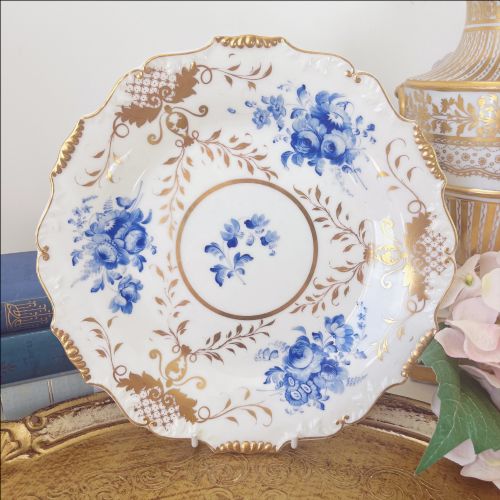
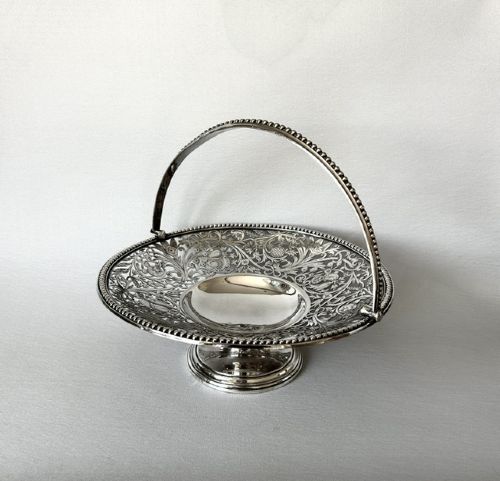
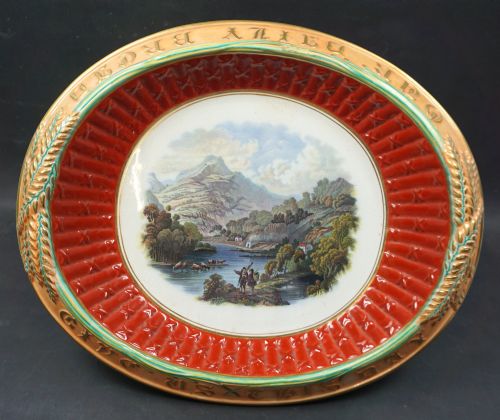
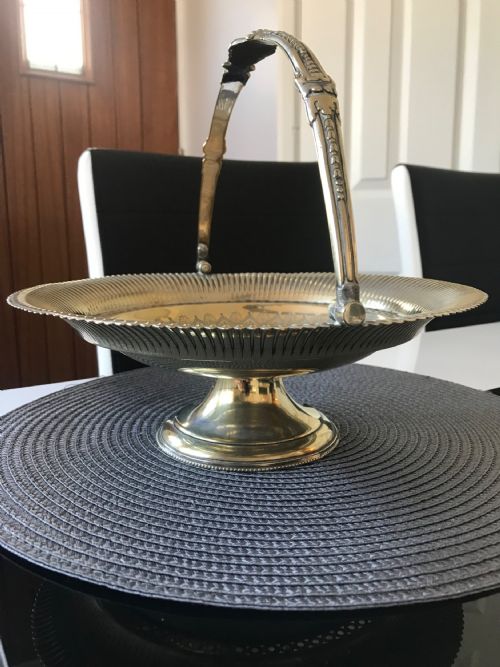
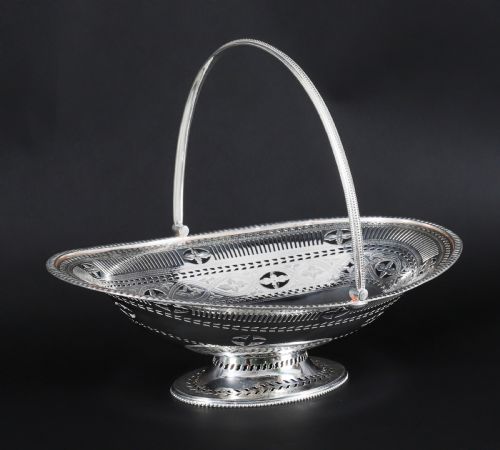
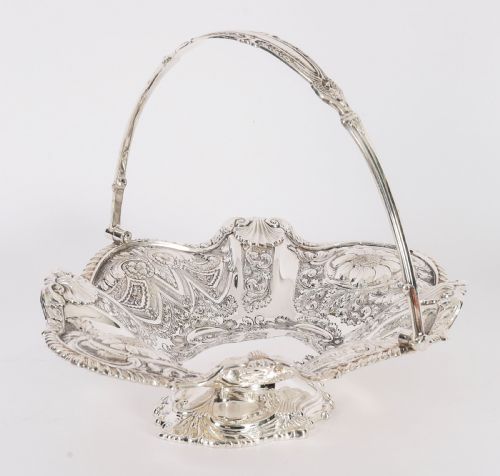
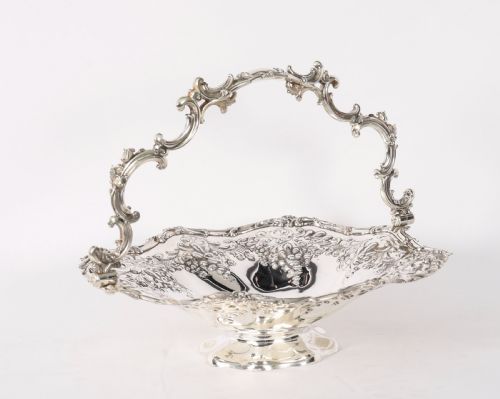
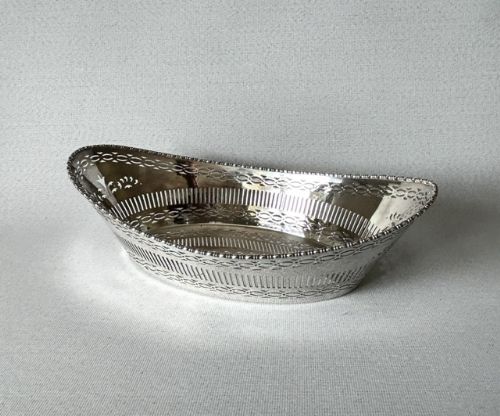
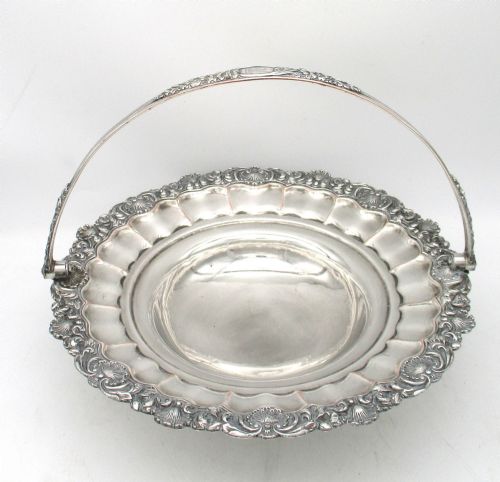
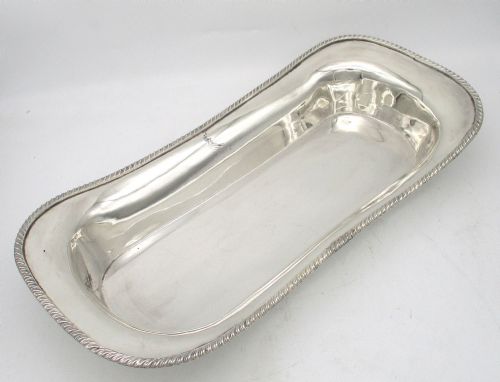
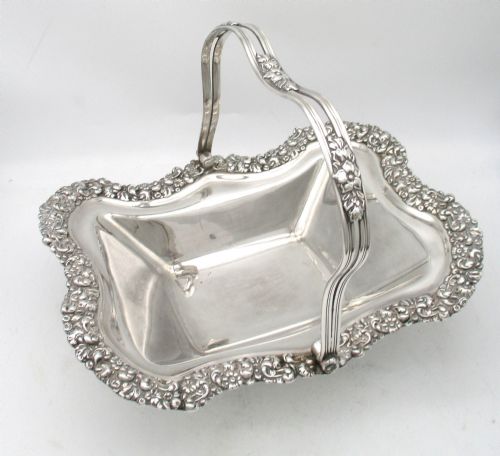
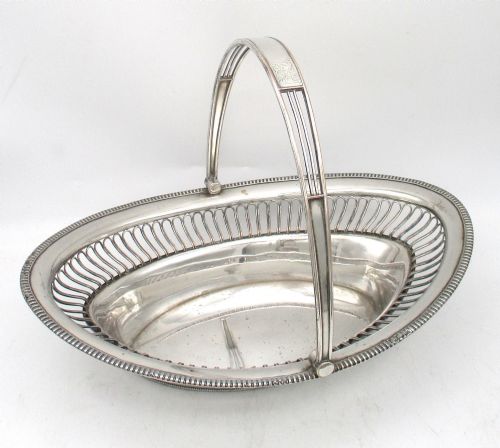
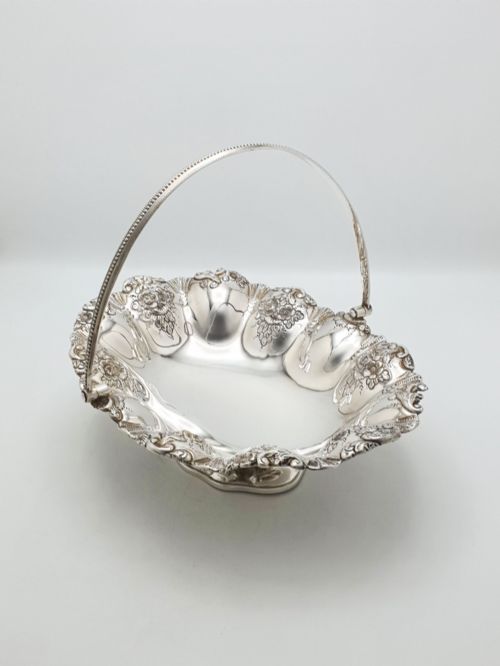
When searching for an antique bread plate, collectors encounter both ceramic platters featuring inscribed mottoes and silver-plated metal baskets designed for formal serving.
Ceramic examples from the nineteenth century often incorporate earthenware or majolica bodies with moulded decoration, while metal counterparts span Old Sheffield Plate and electroplated nickel silver.
The pieces on this page originate predominantly from the Victorian and Edwardian eras, reflecting the domestic routines of nineteenth and early twentieth-century households.
How they were made
Makers utilised ceramic techniques such as transfer printing and majolica glazing to produce earthenware platters bearing traditional inscriptions.
Silver-plated items combine base metals like copper with applied silver layers, employing wirework, piercing, and repoussé detailing to shape the final form.
Antique Bread Plate Retail Price Guide 2026
Typical asking prices for bread plate among the pieces listed under this phrase on Sellingantiques today, from the lower quarter to the upper quarter. They describe what is for sale here now, not the wider market.
Materials represented include earthenware, majolica, copper, solid silver, and various plated metals.
What varies in quality
The crispness of the repoussé work and the depth of floral engraving distinguish higher-tier metal baskets from simpler production pieces.
On ceramic examples, the clarity of the transferred text and the preservation of the coloured glazes dictate the overall standard of the object.
George W. Scott & Sons Ltd·Mappin & Webb·Creswick·Walker Knowles·Brille, Paris·James Dixon·Elkington·Atkin Brothers·Henry Fielding·Ridgway·Coalport·Copeland·William Hutton·Garrard & Co.·Goldsmiths' & Silversmiths' Co.·John Round
The Antique Bread Plate Glossary
- Old Sheffield Plate
- A method of fusing a thin sheet of silver to a thicker copper core by heat and pressure. This technique predates modern electroplating.
- EPNS
- Electroplated nickel silver, a common base metal composition used extensively for nineteenth-century tableware. Manufacturers coated the nickel alloy with a thin layer of silver using electricity.
- Repoussé
- A metalworking technique where the artisan hammers the design from the reverse side to form a raised relief on the front. Floral motifs often appear executed in this manner.
- Majolica
- A type of earthenware coated with an opaque tin-glaze and painted with brightly coloured metal oxides. It became particularly popular for Victorian decorative serving pieces.
- Wirework
- An open lattice construction formed from shaped metal wires soldered together. This technique created lightweight baskets used for fruit and bread.
Antique Bread Plate: Frequently Asked Questions
What were antique bread plates used for?
These items served carved loaves and bread rolls during formal Victorian and Edwardian dining occasions.
They sat centrally on the dining table or sideboard, accompanied by specialised forks for serving.
How do I clean an antique silver plated bread plate?
Gentle washing with warm soapy water and a soft cloth preserves the historic silver surface.
Harsh abrasive dips strip the original plating and remove desirable patination built up over decades.
Are ceramic bread plates safe for daily food use?
Many collectors prefer to display nineteenth-century earthenware and majolica pieces rather than use them for regular meals.
Crazing in the historic glaze can absorb moisture and staining from modern foodstuffs over time.
How can I tell Old Sheffield Plate from later silver plate?
Old Sheffield Plate often reveals a faint hint of copper showing through where the silver layer has worn thin along high points.
Electroplated items generally show a greyish base metal underneath rather than warm copper.