
English Ceramic Platter
When you search for an english ceramic platter, you seek a tangible link to centuries of domestic display and dining tradition.
English Ceramic Platter
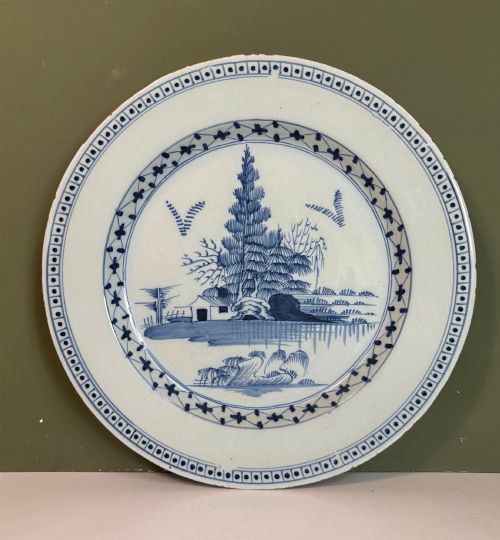
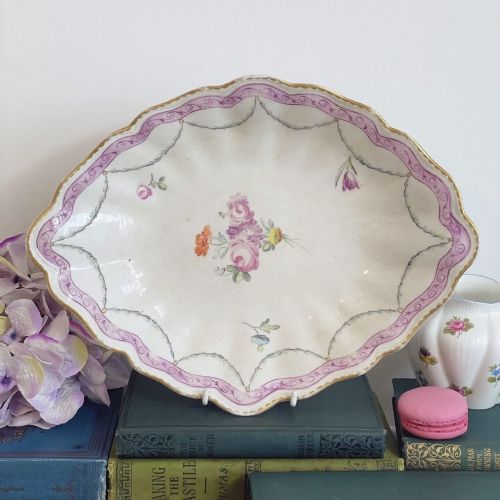
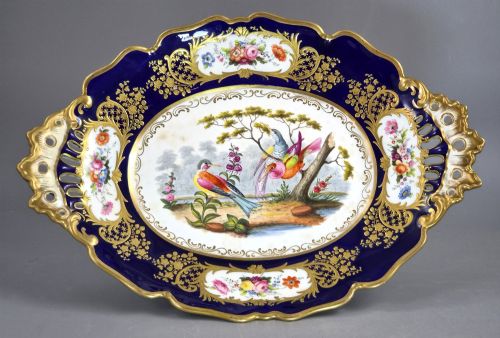
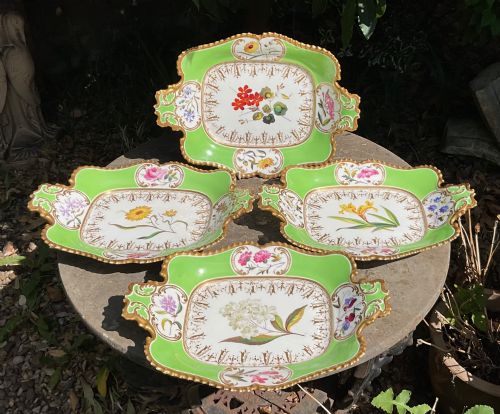
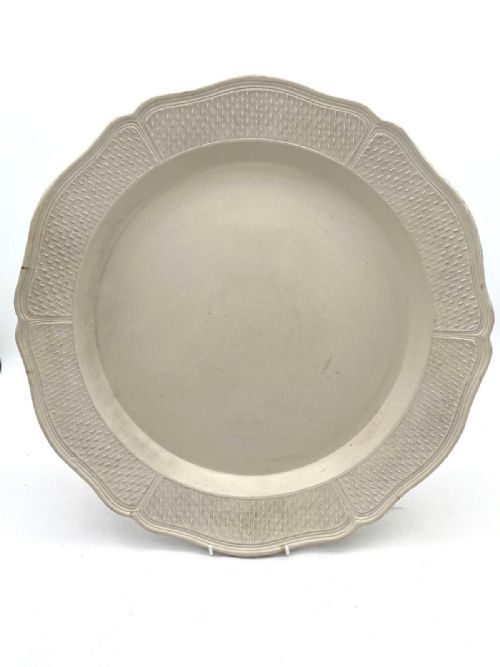
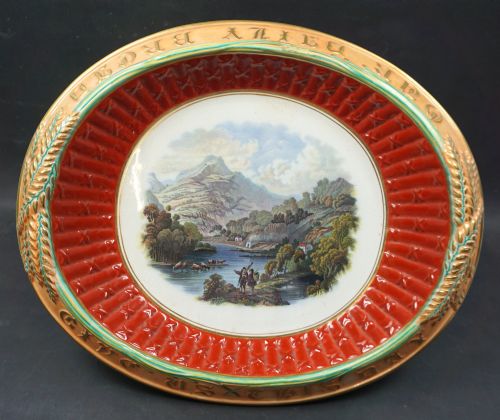
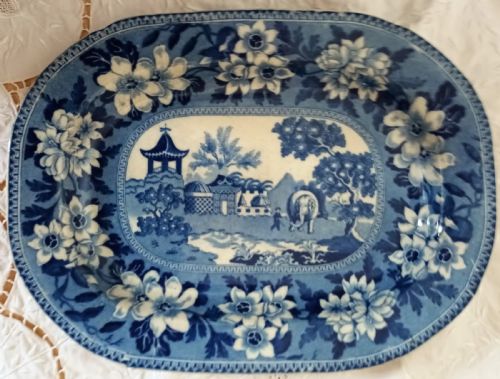
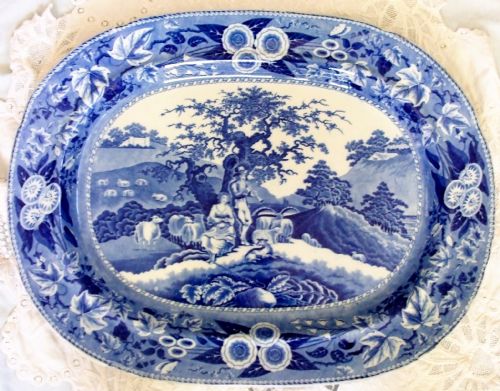
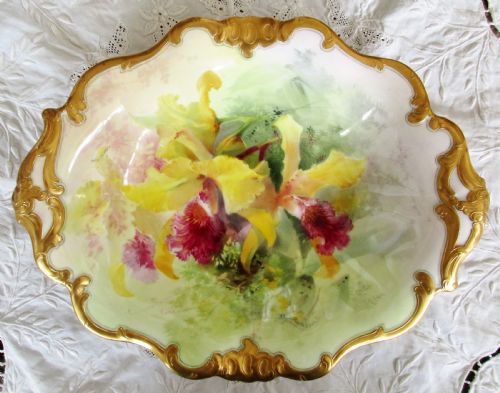
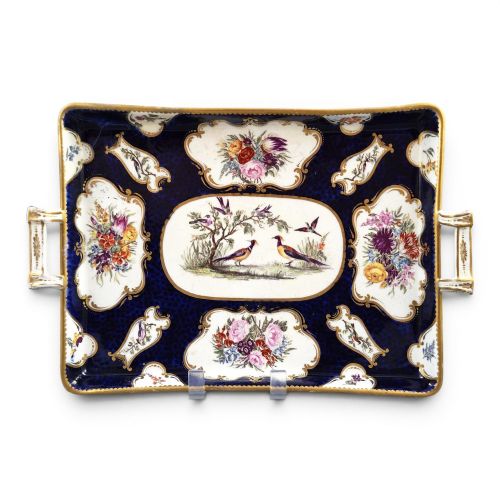
An english ceramic platter encompasses a wide variety of serving dishes, chargers, and trays used across English dining rooms from the eighteenth century into the twentieth. These pieces range from large blue and white transfer-printed pottery platters and robust delft chargers to delicate porcelain serving dishes painted with botanical studies or exotic birds.
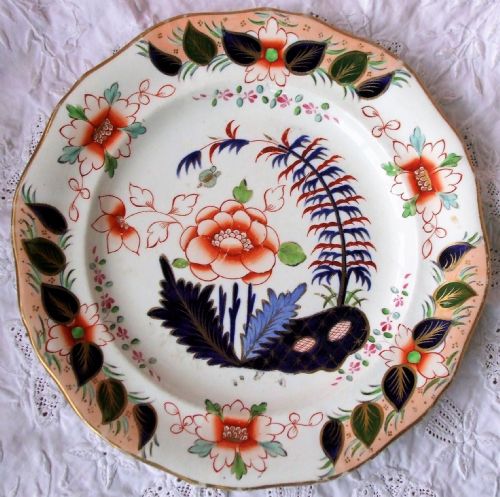
The most common examples encountered on this page originate from the Georgian and Victorian periods, reflecting shifting tastes from hand-painted polychrome floral designs to transfer-printed scenes and Majolica glazes. Forms vary from deep oval meat dishes fitted with drainers to wide circular chargers intended for grand displays.
How these platters were made
Makers utilised earthenwares, stonewares, creamware, pearlware, and hard-paste porcelain, shaping them into plates, plaques, and serving platters through moulding and throwing techniques. Surfaces were decorated with cobalt pigment, enamel colours, and gold leaf, often applied beneath or over the glaze before firing.
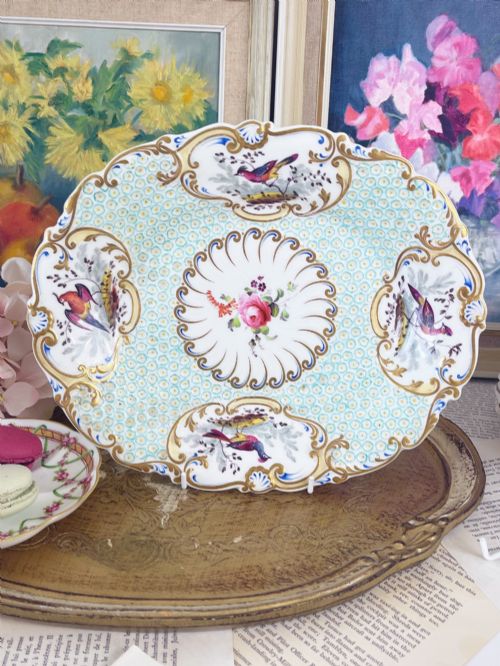
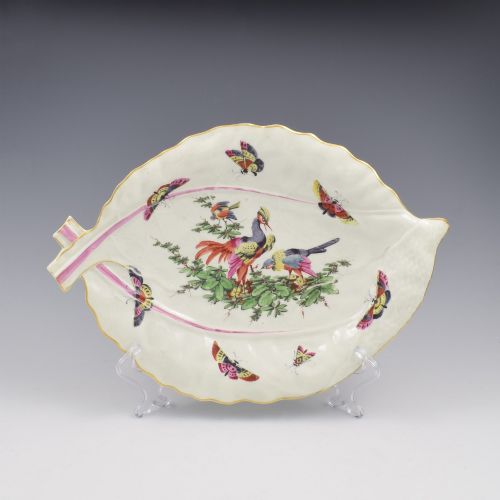
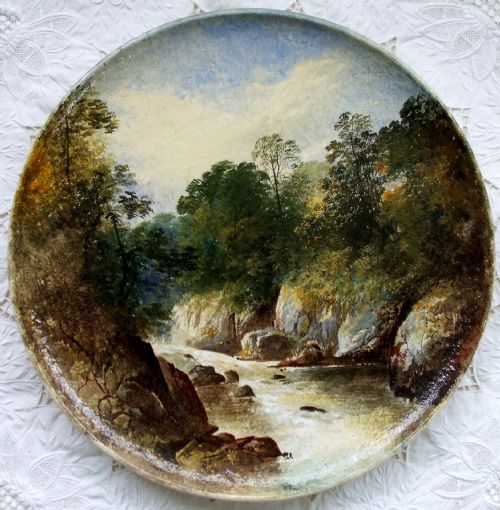
Transfer printing allowed intricate patterns like piping shepherds or net designs to be mechanically applied to pottery surfaces, whilst skilled artisans continued to handpaint botanical subjects, birds, and landscapes onto porcelain bodies.
Several Victorian serving dishes feature hand-painted fancy birds with expressions that suggest they are quietly judging your dinner guests.
What varies in quality
Quality in an english ceramic platter rests upon the crispness of the transfer print or the dexterity of the hand-painted brushwork. Superior pieces exhibit precise cobalt blues, finely detailed polychrome enamels, and well-balanced forms without kiln distortion.
The sophistication of the paste also defines the tier of the piece, moving from heavier saltglazed earthenware or creamware up to refined felspar porcelain and translucent bone bodies produced by notable factories.
Royal Crown Derby·H & R Daniel·Dr Wall Worcester·Chamberlains Worcester·Hicks & Meigh·John Rogers & Son·David Dewsberry·John Davenport·James Giles·Copeland and Garrett·Wedgwood·Spode·John Ridgway·Coalport·Mason·Charlotte Rhead·George Jones
The English Ceramic Platter Glossary
- Charger
- A large decorative plate or platter, typically measuring over thirty centimetres, used traditionally for display or central table service.
- Creamware
- A light-coloured refined earthenware developed in the eighteenth century, valued for its warm cream tone and smooth lead glaze.
- Transfer printing
- A method of applying engraved decorative patterns to ceramic bodies by transferring ink from a copper plate via tissue paper.
- Pearlware
- An improved fine earthenware introduced in the late eighteenth century featuring a subtle bluish glaze that pooled slightly in recesses to mimic Chinese porcelain.
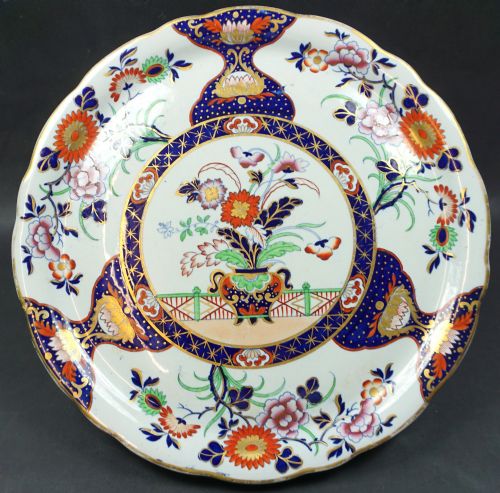
- Imari
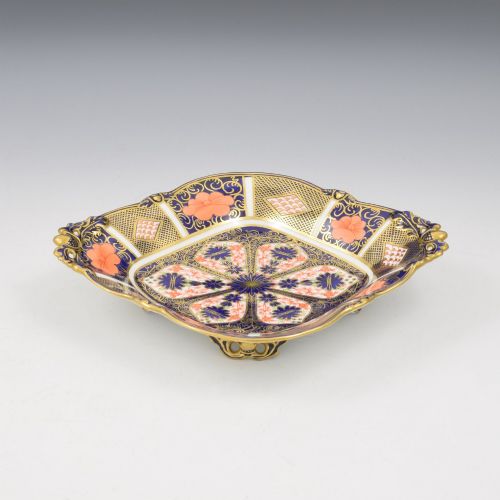
- A decorative style inspired by Japanese export wares, utilising a distinctive palette of underglaze blue, iron red, and gilt highlights.
English Ceramic Platter: Frequently Asked Questions
What is the difference between a platter and a charger?
Platters are typically oval or elongated serving dishes designed to hold meats and large portions at the dining table.
Chargers are larger, usually circular plates primarily utilised for ceremonial display, side service, or decorative placement beneath other tableware.
How can I tell an eighteenth-century piece from a Victorian one?
Eighteenth-century pieces often display tin glazes, hand-painted polychrome motifs, or early creamware bodies with distinct potting weights.
Victorian examples frequently incorporate transfer printing, heavier ironstone bodies, or vibrant Majolica glazes characteristic of later industrial techniques.
Were these platters used for everyday dining?
Many robust earthenware and transfer-printed pottery platters served practical functions in busy nineteenth-century households for large family meals and meat service.
Finely painted porcelain dishes and decorated chargers were reserved for formal dining or decorative display in cabinets and on walls.
What does transfer-printed mean on pottery?
Transfer printing is a technique where an engraved copper plate transfers a design onto tissue paper, which is then pressed onto the unfired ceramic surface.
This method allowed factories to produce intricate patterns like pastoral landscapes and exotic birds with consistent detail across multiple platters.