
Antique Brass Vanity
An antique brass vanity piece brings polished metal and glass to a dressing room or tabletop, offering a reflective surface or a secure container for personal items.
Antique Brass Vanity
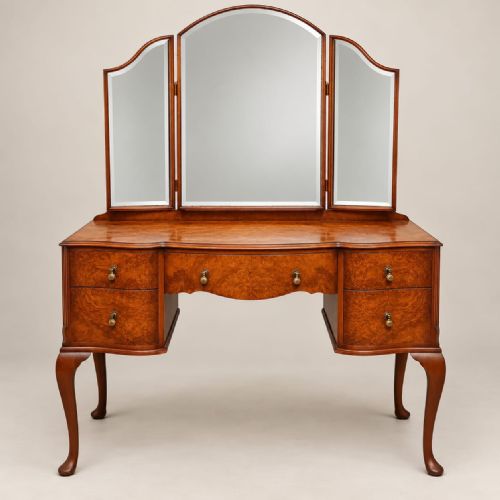
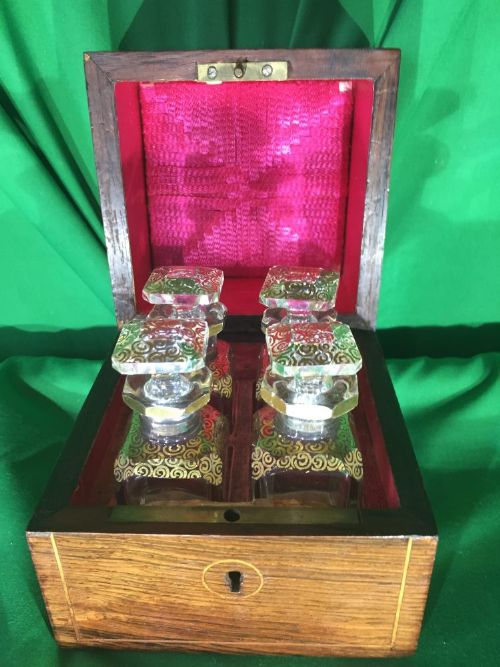
An antique brass vanity search reveals a diverse collection of dressing table items, toilet mirrors, and small receptacles designed for personal grooming and storage. The items span several eras, crossing from the eighteenth century through the Victorian period and into the early twentieth century.
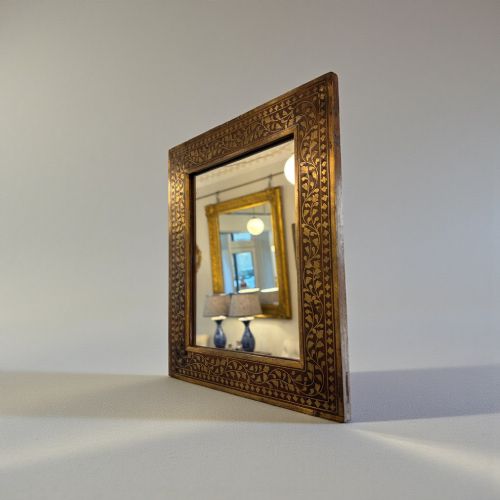
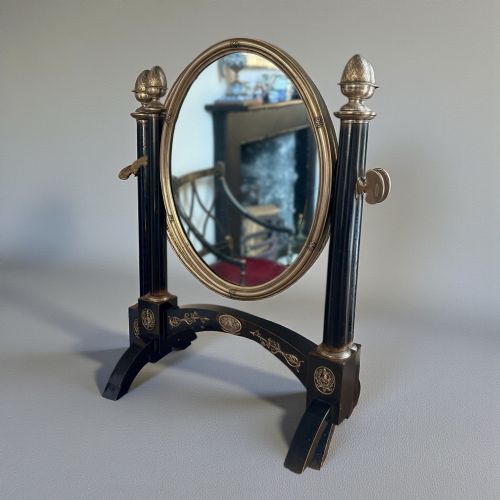
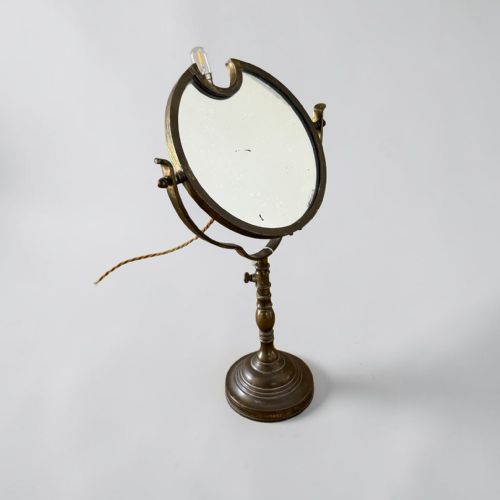
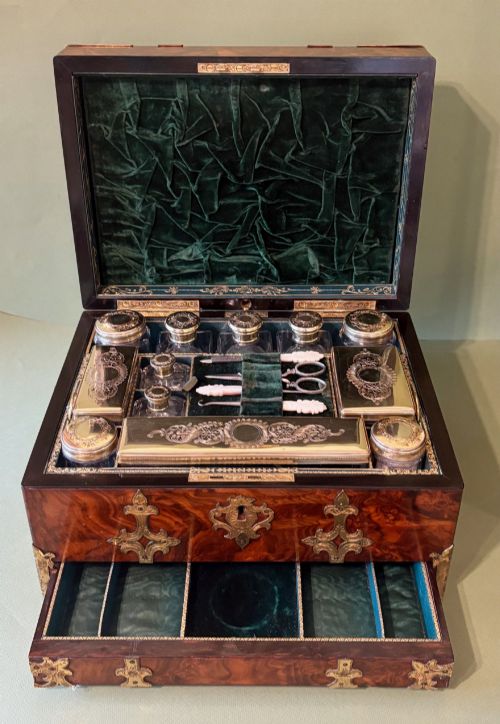
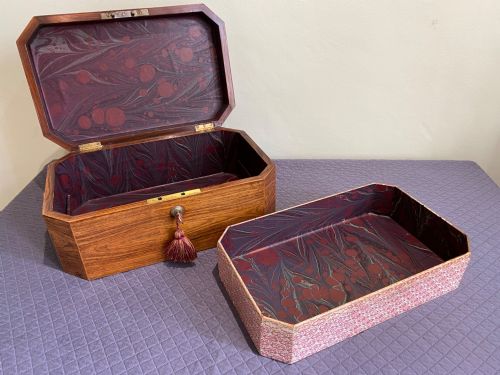
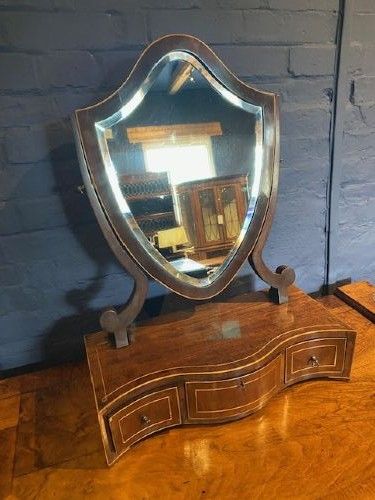
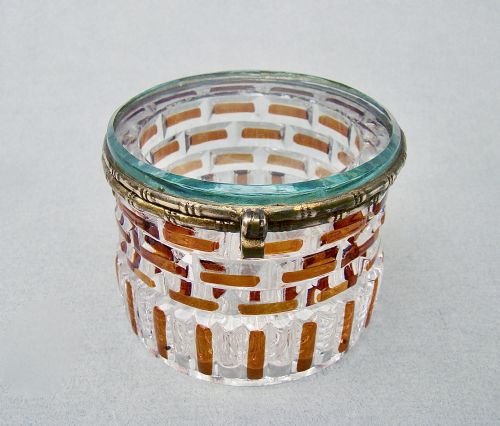
Table mirrors and dressing mirrors form a significant part of the selection, often featuring brass frames alongside mahogany, rosewood, or gilt metal structures. Shaving mirrors and easel mirrors sit alongside portable dressing cases, jewellery boxes, and glass trinket containers.
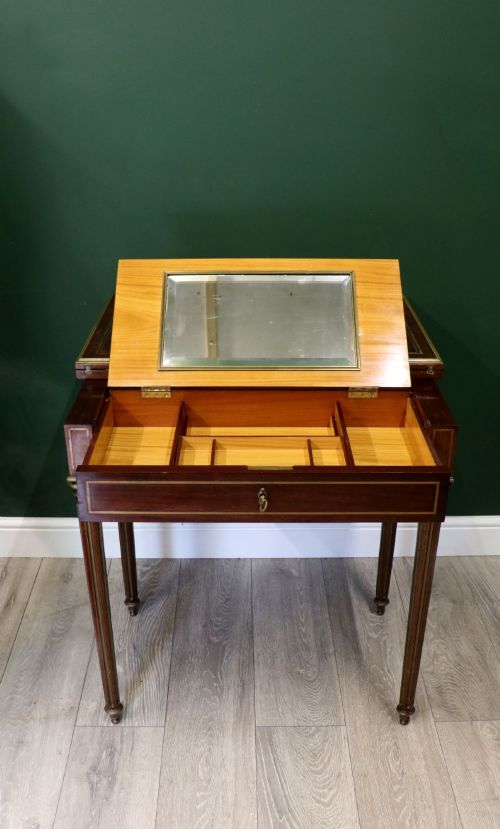
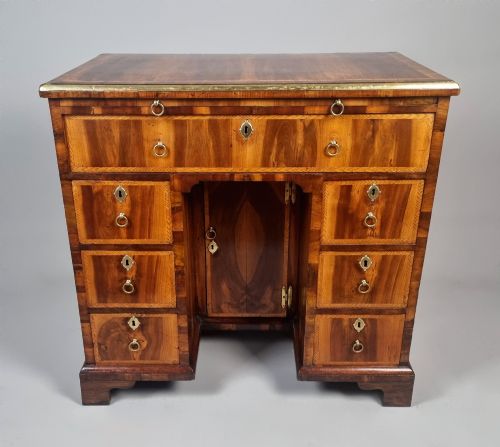
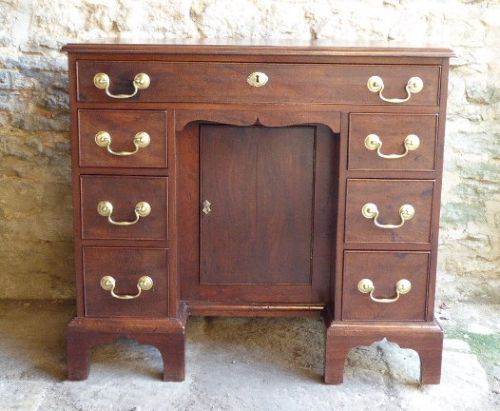
French designs frequently appear alongside British pieces, incorporating styles such as French Rococo Revival, Louis XV Revival, and Chinoiserie. Lowboys, writing tables, and desks also emerge in the listings to serve similar functional roles in a bedroom or dressing space.
How they were made
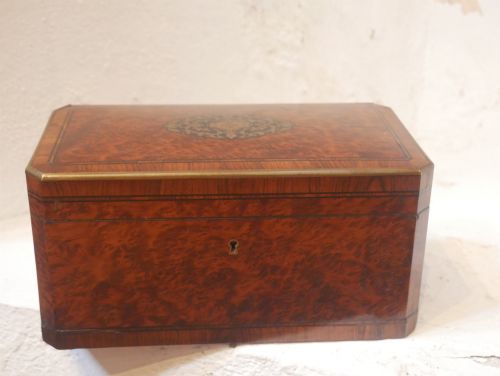
Makers utilised cast and pressed brass alongside gilt bronze and ormolu to form structural frames, decorative mounts, and mirror surrounds. Cabinet makers combined solid timbers and veneers including mahogany, burr walnut, rosewood, kingwood, and oak for the associated furniture and boxes.
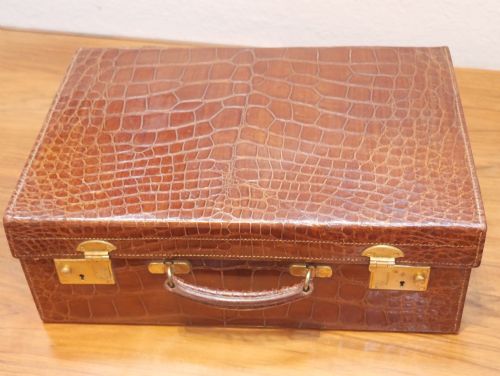
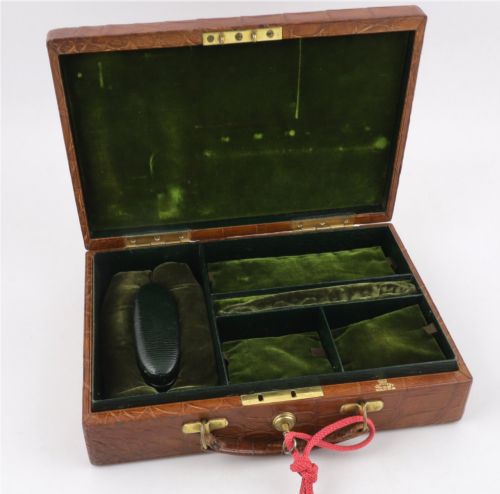
A Scottish crocodile suitcase waits quietly among the mahogany desks to carry someone's belongings away.
What varies in quality
The sophistication of the metalwork sets finer examples apart, particularly where chased or cast brass mounts display sharp detail and careful finishing. Hand-bebevelled mirror glass and securely fitted timber joints indicate superior craftsmanship in the construction of dressing tables and mirror frames.
The integrity of secondary materials, such as original velvet linings, intact leather cases, and undamaged glass scent bottles, contributes to the overall standard of a piece. Maker attributions, visible in signed boxes or branded cases, elevate the standing of an item within its category.
Tahan·J C Vickery·F. West·Karl Palda·Maples of London
The Antique Brass Vanity Glossary
- Ormolu
- A gilded bronze technique used widely for decorative mounts on nineteenth-century French mirrors and boxes. The process involves applying a gold amalgam to a bronze base.
- Champlevé
- An enamelling technique where troughs are dug into a metal surface and filled with vitreous enamel before firing. This method appears on decorative brass and bronze frames.
- Lowboy
- A small oak or walnut table with drawers, commonly used as a dressing table in the eighteenth century. It typically stands on four legs.
- Toilet mirror
- A smaller mirror designed to sit on top of a chest of drawers or a dressing table. These often pivot within upright wooden or brass supports.
Antique Brass Vanity: Frequently Asked Questions
What is an antique brass vanity mirror?
An antique brass vanity mirror is a dressing table accessory framed in brass, designed to assist with personal grooming and adornment. These pieces range from small pivoting toilet mirrors to decorative easel mirrors placed upon surfaces.
Such items date from the Victorian era and earlier, often incorporating bevelled glass plates and detailed metal casting. They add a reflective element and metallic warmth to a dressing room scheme.
Where should I place a table mirror?
A table mirror suits placement on top of a chest of drawers, a sideboard, or a dedicated dressing table. Positioning it near a natural light source helps maximise reflection in a bedroom or hallway.
Ensure the surface is stable and deep enough to support the base, particularly with pivoting toilet mirrors that tilt during adjustment. Wall-mounted variants require secure fixings into structural walls.
How do I identify a French Rococo Revival mirror?
French Rococo Revival mirrors display asymmetric C-scrolls, floral motifs, and shell patterns cast into brass or gilt bronze frames. The ornamentation draws inspiration from eighteenth-century design principles.
These pieces often feature heavy casting and sophisticated patination on the metal surface. They contrast with the simpler, rectilinear lines found in Edwardian or Arts and Crafts examples.