
Antique Brass Sticks
When you search for antique brass sticks, you enter a diverse group of items spanning domestic lighting and hall storage.
Antique Brass Sticks
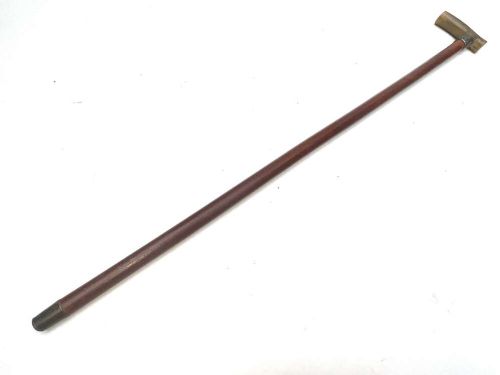
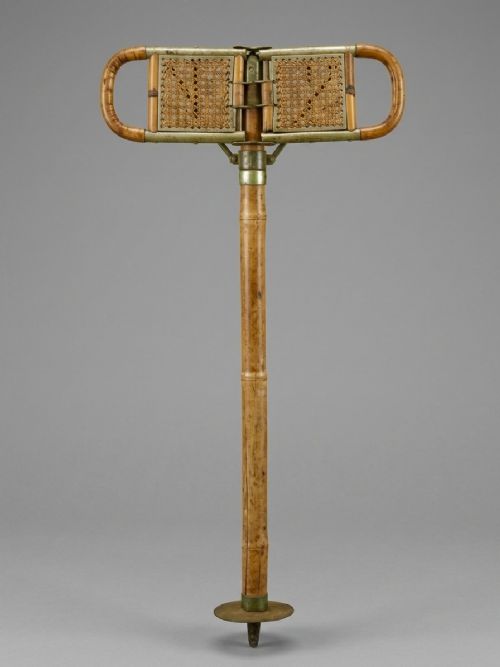
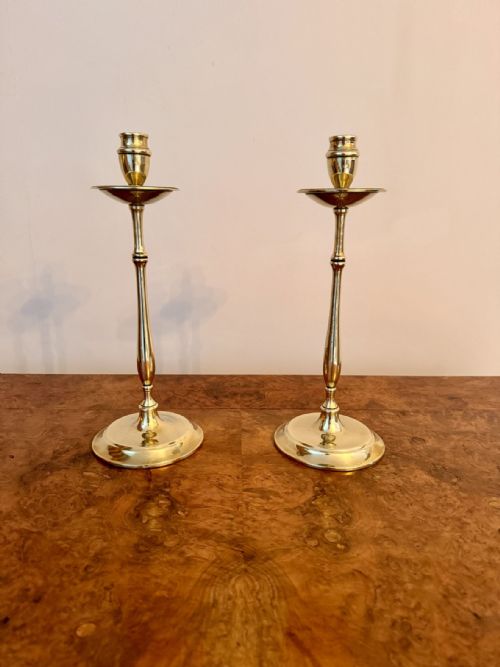
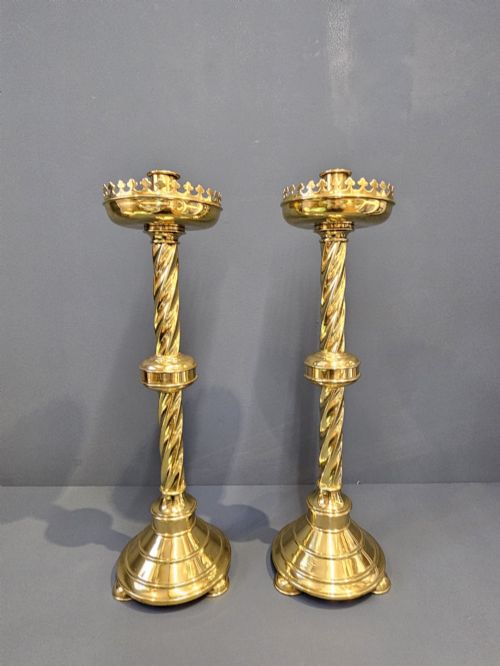
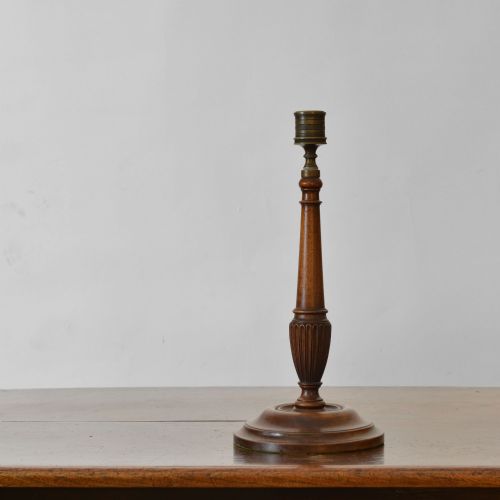
When searching for antique brass sticks, collectors encounter two primary categories: domestic lighting fixtures such as candlesticks and student lamps, and hallway storage accessories including umbrella and walking stick stands. The lighting group encompasses everything from simple domestic pairs to heavy church candlesticks and figural designs.
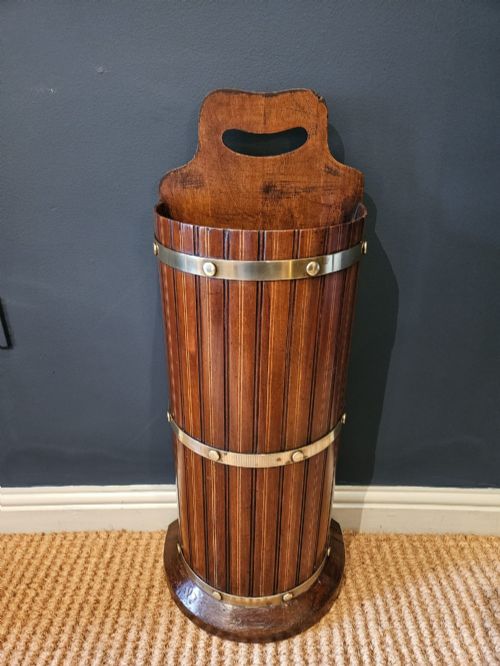
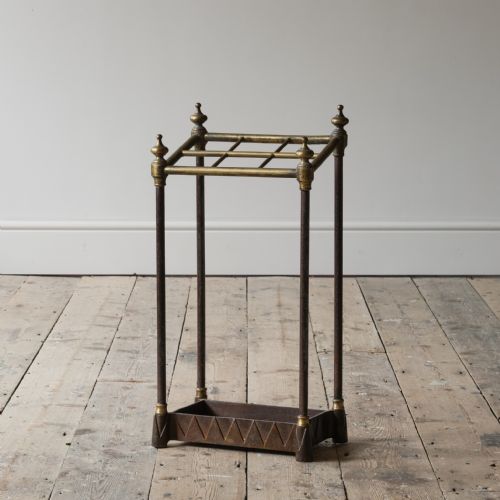
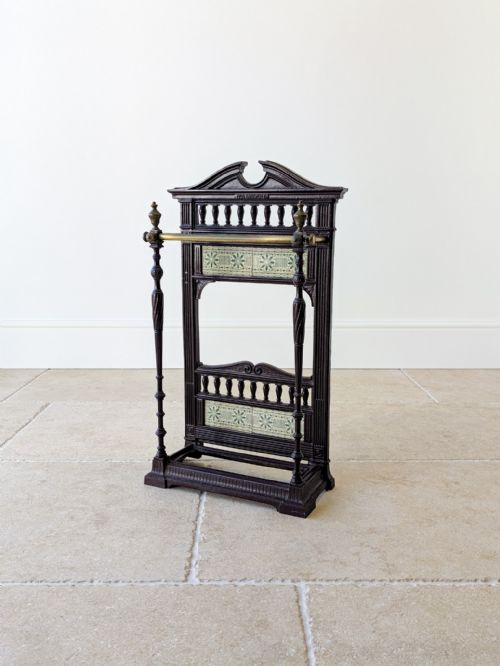
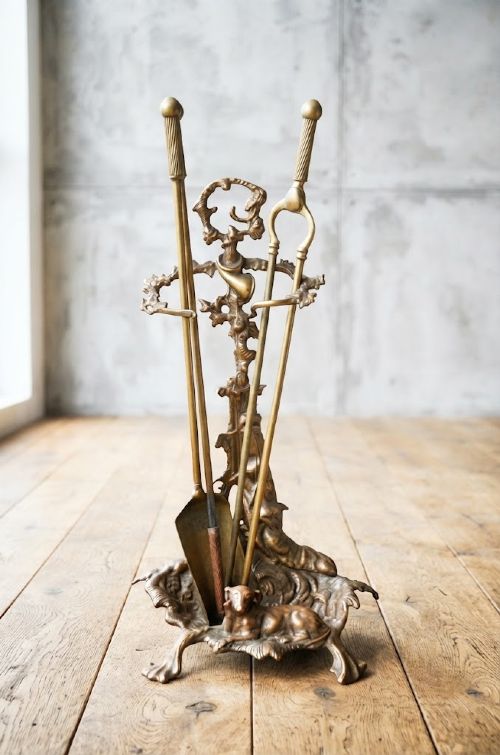
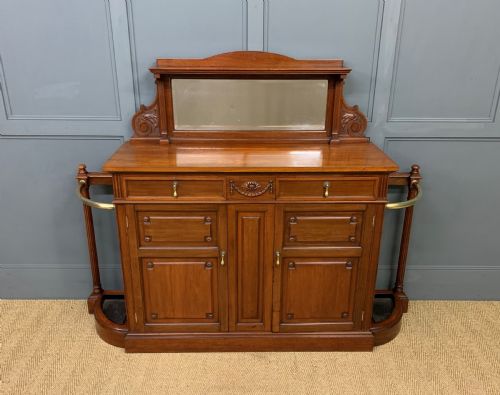
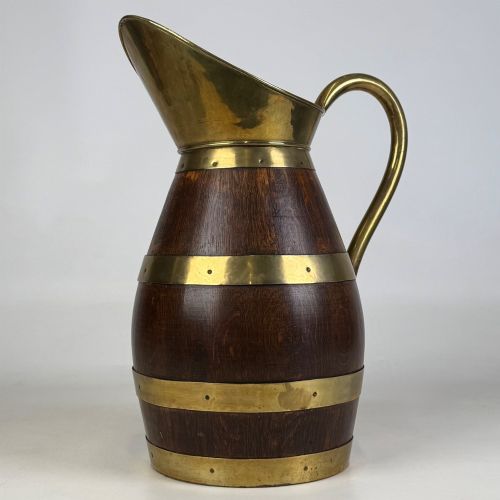
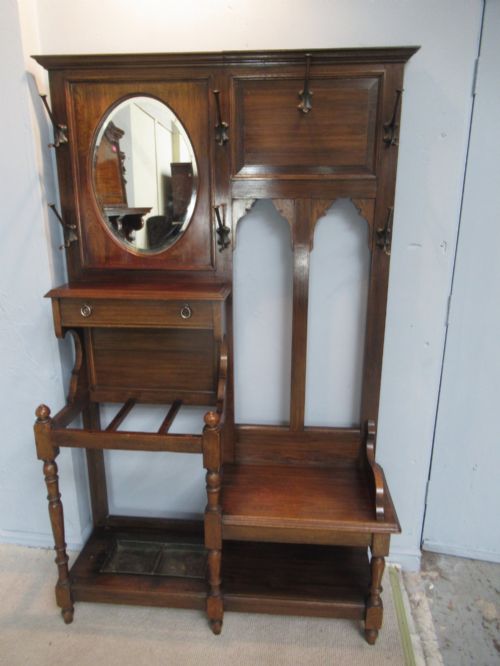
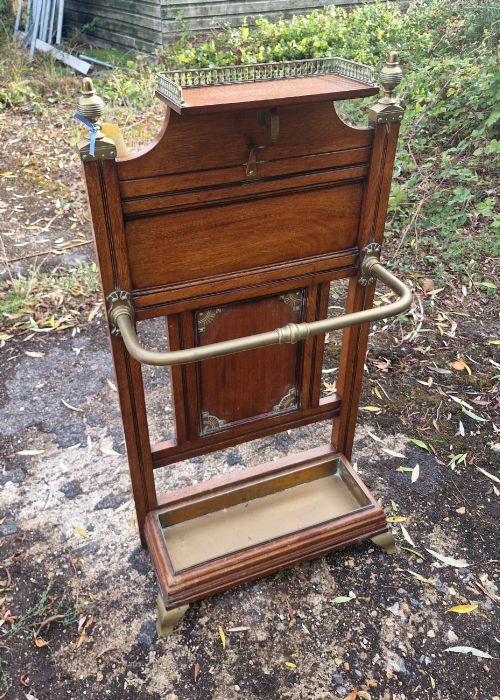
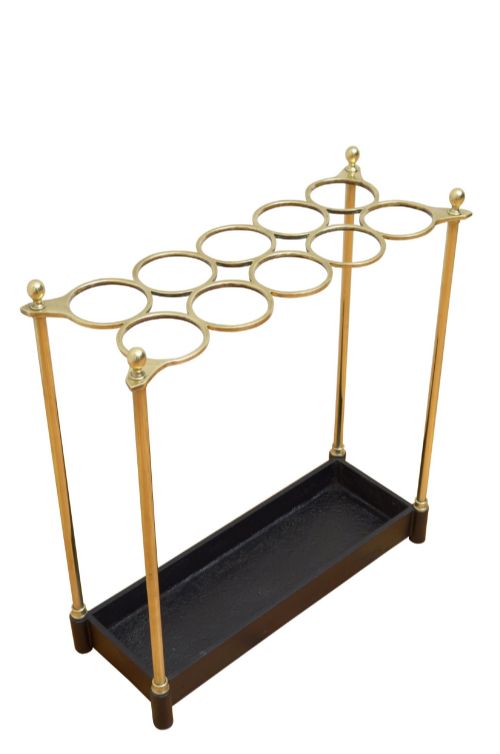
Hallway pieces frequently combine brass with other materials like oak, mahogany, cast iron and bamboo. These stands range from demi-lune designs with dog-tooth trays to coopered barrels fitted with metal bands.
The objects span multiple centuries, with items originating from the Georgian, Victorian and Edwardian eras. Certain examples reflect specific design movements like the Aesthetic Movement and the 17th-century style.
How they were made
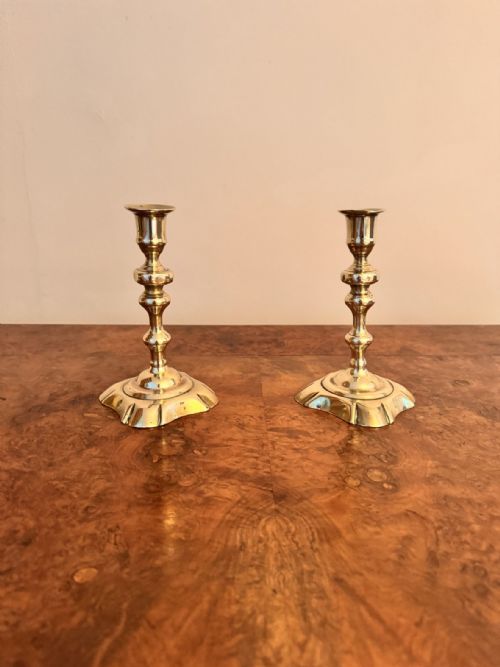
Makers utilised cast brass, seamed construction and applied brass fittings across the lighting and stand categories. Candlesticks often incorporate petal bases, ejector mechanisms or figural castings.
Stands combine cast iron, oak, walnut and satinwood with heavy brass bands, decorative ball finials and metal bound frameworks. Joinery methods include coopered construction for wooden barrel bodies and structural casting for iron frames.
Materials range from solid brass and cast iron to coopered oak, mahogany, bamboo and porcelain.
What varies in quality
The distinction between standard utility items and superior examples lies in the weight of the metal, the crispness of the casting detail and the integration of secondary materials. Candlesticks with seamed construction and clean proportions sit above mass-produced alternatives.
In hall stands, quality shows in the thickness of the oak or mahogany, the soundness of the coopered joints and the substantial nature of the brass mounts and drip trays.
Coalbrookdale·Shoolbred & Co.·Thomas Jeckyll
The Antique Brass Sticks Glossary
- Ejector candlestick
- A candlestick fitted with an internal mechanism to push out the remaining stub of wax. This device simplifies the cleaning of the socket.
- Coopered
- Construction method using parallel wooden staves bound with metal hoops, similar to barrel making. This technique provides structural strength for umbrella and stick stands.
- Demi-lune
- A half-moon shape used for wall-fitting hallway stands and tables. This profile allows the piece to sit flush against an entryway wall.
- Seamed brass
- Metalwork formed by rolling sheet brass and joining the edges longitudinally before shaping. It indicates a specific period of manufacturing technology.
- Dog-tooth tray
- A base tray featuring a serrated or zig-zag decorative border. It collects moisture from wet umbrellas placed in the stand.
Antique Brass Sticks: Frequently Asked Questions
How do I clean antique brass?
Dust the surface regularly with a soft cloth to prevent grime accumulation. Avoid harsh chemical cleaners that strip the historic patina accumulated over centuries.
For stubborn residue, use mild soapy water and dry thoroughly. Preserve the aged surface rather than aiming for a bright golden polish.
What is an ejector candlestick?
An ejector candlestick contains a movable internal plate operated by a small side knob or lever. Pushing the mechanism lifts the remaining candle stump clear of the socket.
This invention protected the metal socket from damage caused by digging out burnt wax.
How do I date a brass candlestick?
Examine the construction seams, base shape and manufacturing technique to determine the period. Early examples often feature seamed shafts and solid cast petal bases.
Later Victorian and Edwardian pieces display heavier cast figures, machine threading or varied aesthetic influences.