
Antique Brass Scuttle
An antique brass scuttle stands beside the hearth as a functional coal carrier shaped by Victorian and Regency metalworkers.

Forms and Origins
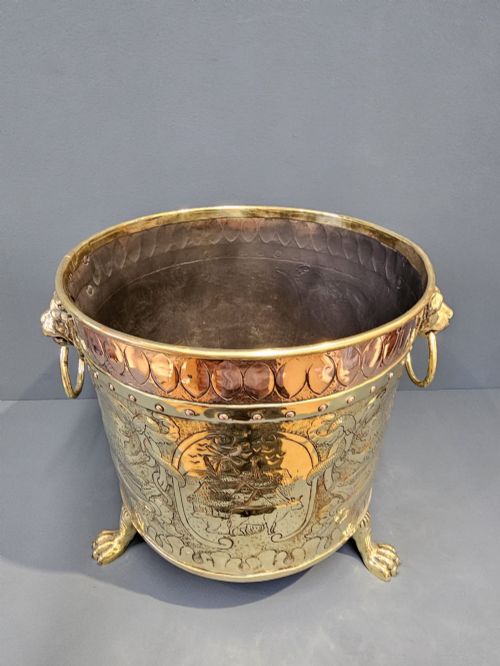
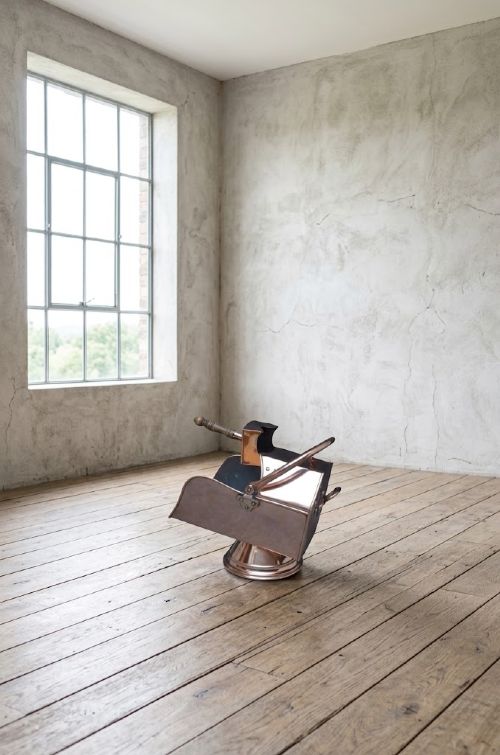
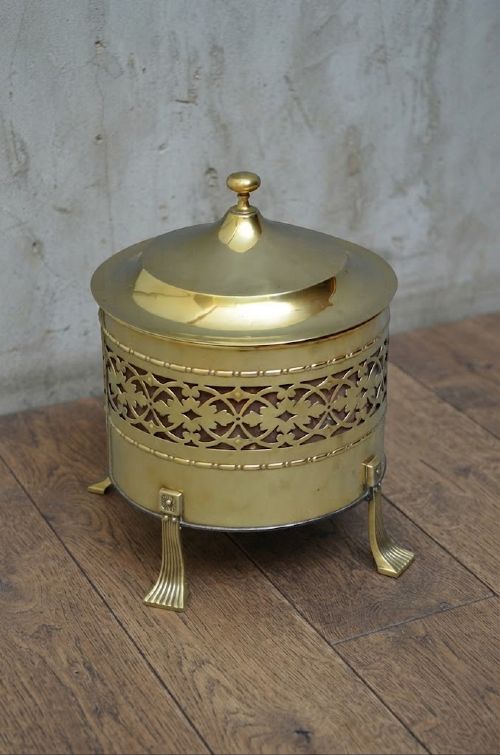
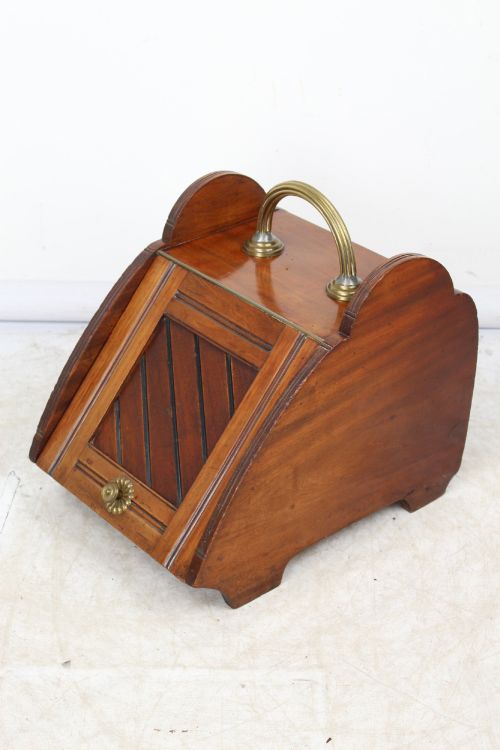
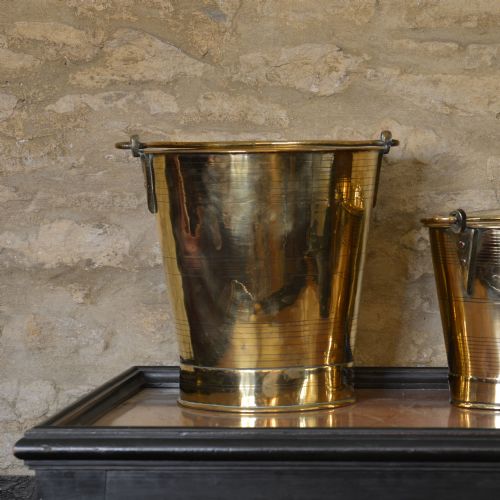
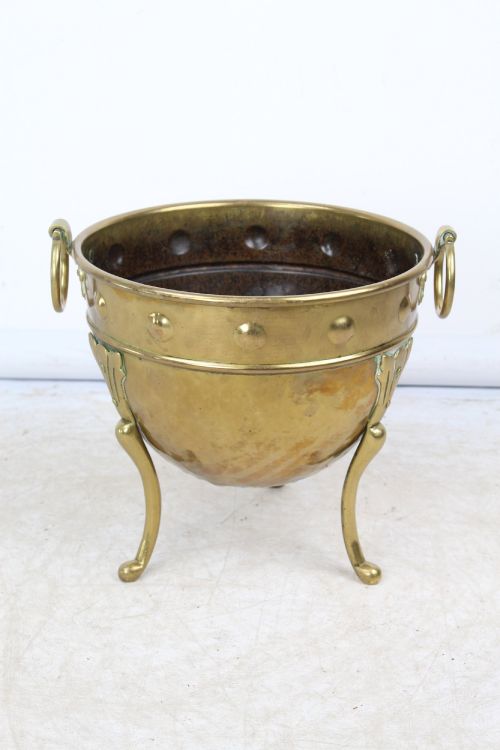
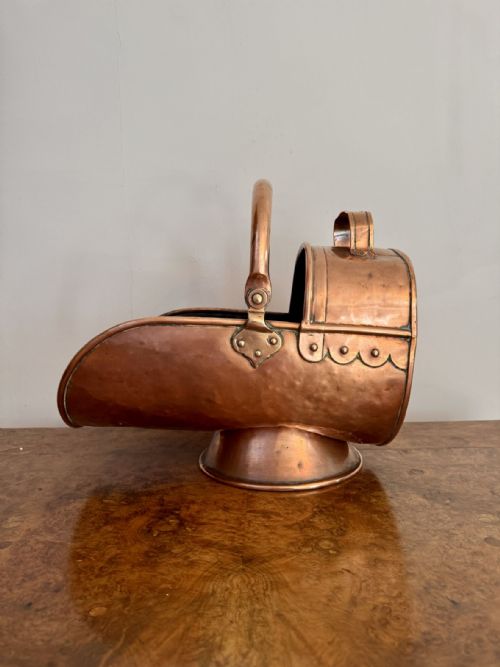
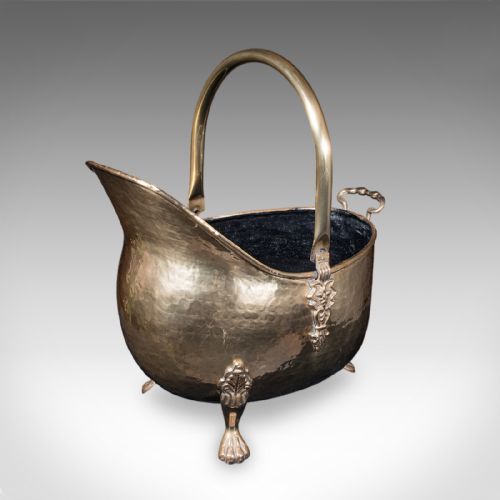
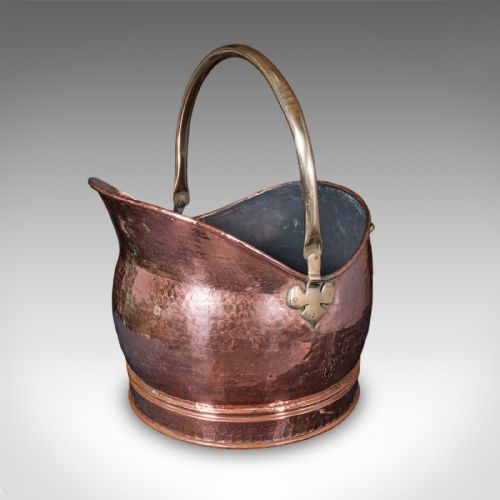
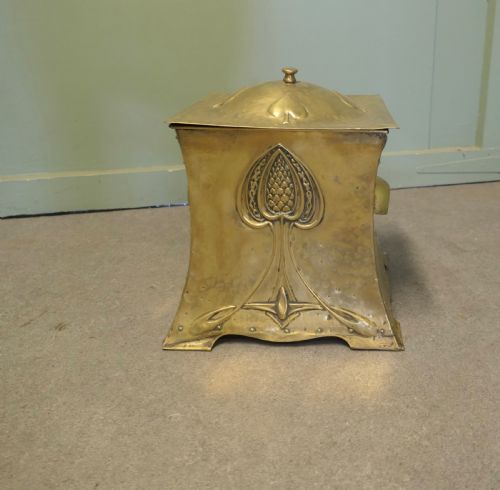
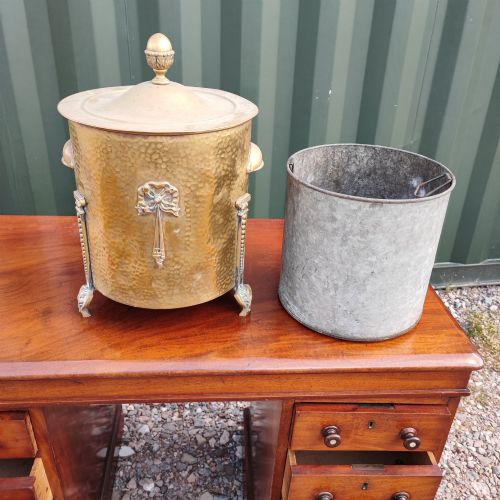
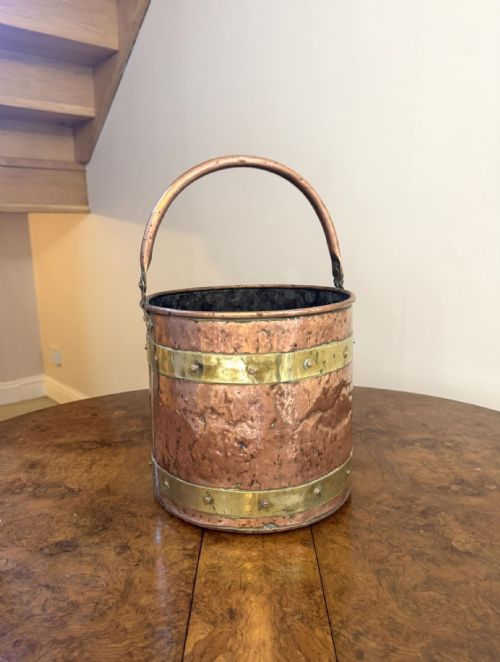
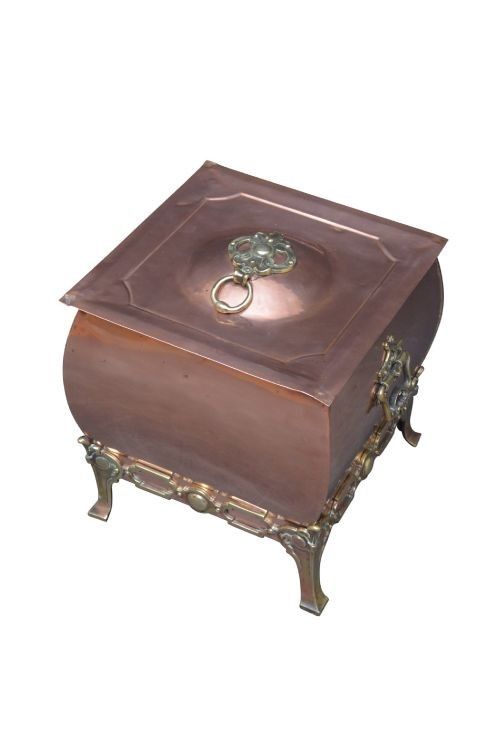
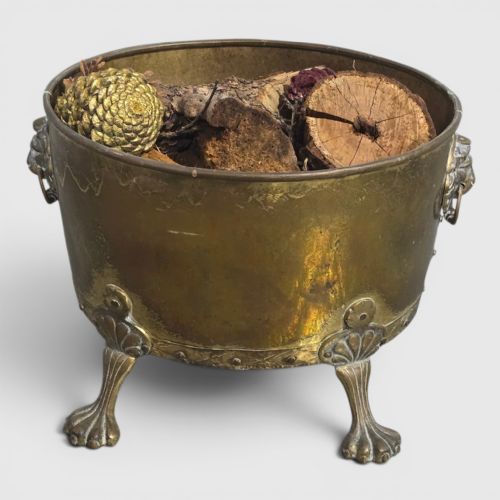
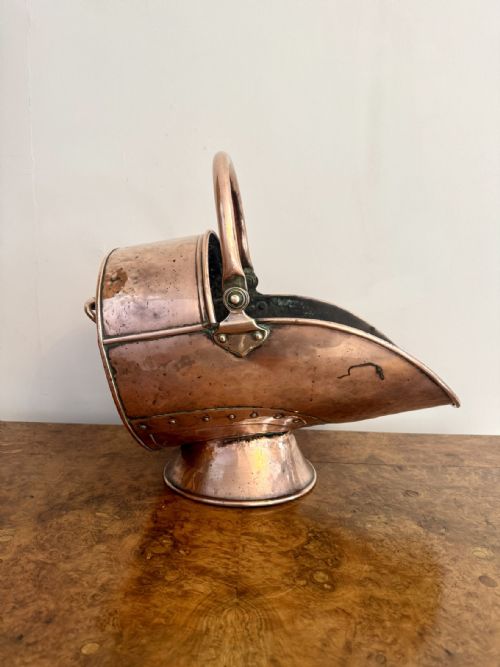
The antique brass scuttle takes the form of a coal bucket, helmet scuttle, log bin, or purdonium designed to hold fuel for the fireplace.
Most pieces seen here belong to the Victorian period, alongside examples from the Regency era and around nineteen hundred.
Makers fashioned these fireside accessories in England, frequently pairing bright brass with contrasting copper or wood.
Materials and Construction
Craftsmen worked with sheet brass, cast brass, and copper, often combining both metals on a single body for visual contrast.
Bodies were beaten, shaped, or cast, then fitted with handles, claw feet, and occasionally an original matching shovel.
Retail Price Guide 2026
Typical UK retail prices for brass scuttle, calculated from the Sellingantiques database of over a million retail prices indexed since 2003. This retail price guide relies exclusively on Sellingantiques data; no external sources or auction records are used, so the figures do not describe the wider market.
One recorded piece bears the specific name The Persian.
Distinctions in Execution
Superior examples display heavier gauge metal, robust handles, and well-cast decorative mounts rather than thin, pressed sheet construction.
The presence of an original shovel or liner distinguishes the more complete and intact examples from altered survivors.
Benham and Froud·William Soutter and Sons
The Antique Brass Scuttle Glossary
- Helmet scuttle
- A fireside container featuring a flared rim reminiscent of a classical helmet, designed for pouring coal cleanly onto the fire.
- Purdonium
- A box-style coal container that sits upright with a hinged lid and a drop-down front, often enclosing a metal liner.
- Log bin
- A larger vessel utilised beside the fireplace for storing firewood rather than small coal.
Frequently Asked Questions
What is an antique brass scuttle used for?
These vessels served to store and transport coal or logs to the fireplace in British homes.
Today they function as decorative fireside bins or planters.
How do you date an antique brass scuttle?
Dating relies on the style of the metalwork, handles, and feet, moving from Regency shapes to Victorian helmet designs and later Arts and Crafts examples.
Makers' marks stamped into the brass also help establish the period.
Did all scuttles come with shovels?
Many quality pieces included a matching brass shovel or scoop designed to rest in side clips.
Surviving original shovels add considerably to the completeness of the piece.
Are copper and brass mixed on these pieces?
Numerous examples combine a brass body with copper trim, or vice versa, to create a contrasting two-tone effect.
This mixed-metal technique was particularly popular during the Victorian era.