

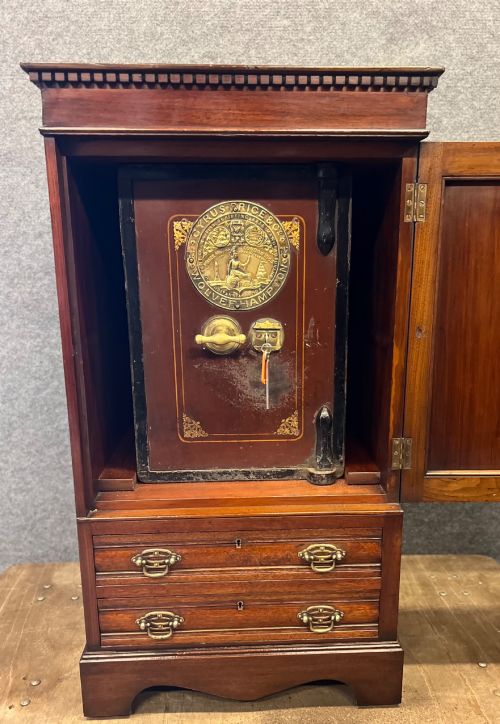
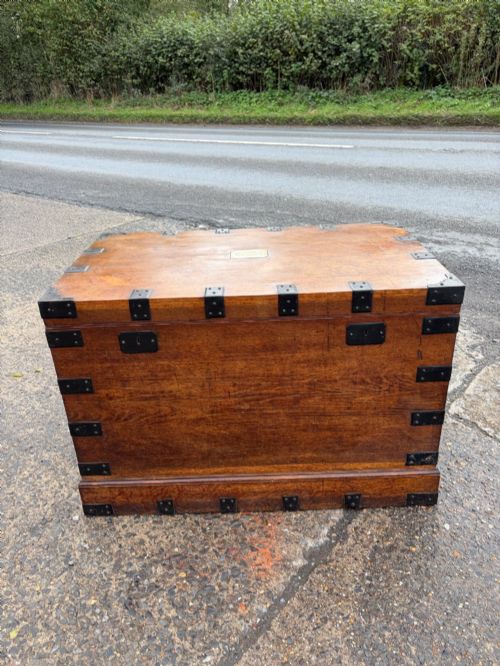
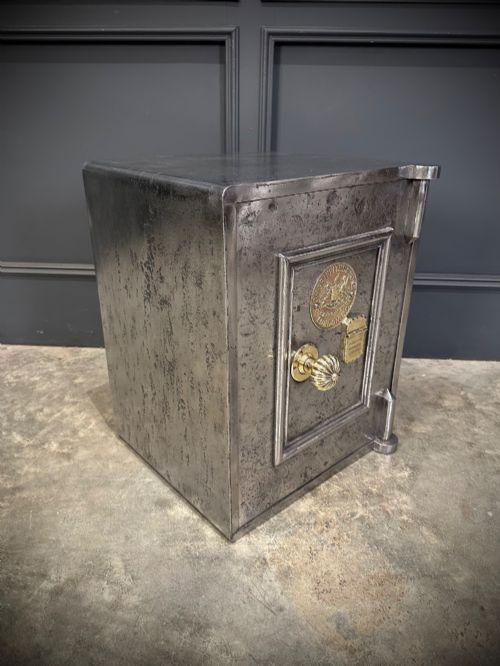
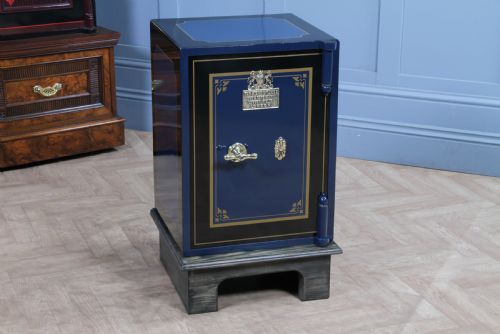



Antique Brass Safe
These antique brass safe pieces combine heavy security with fine cabinet-making, offering secure storage wrapped in period materials.
Antique Brass Safe
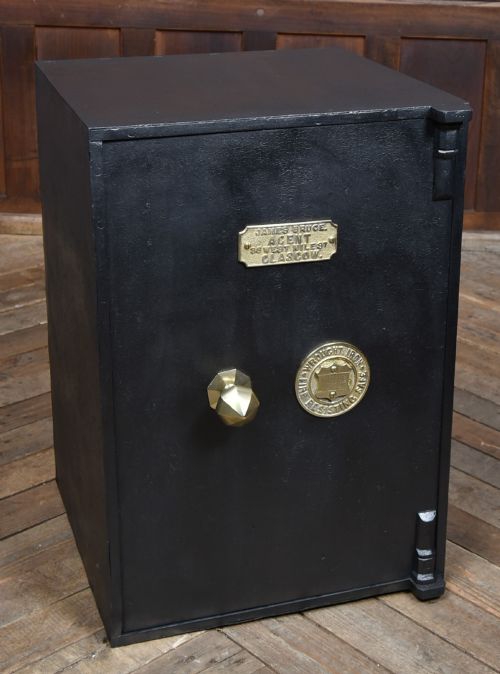
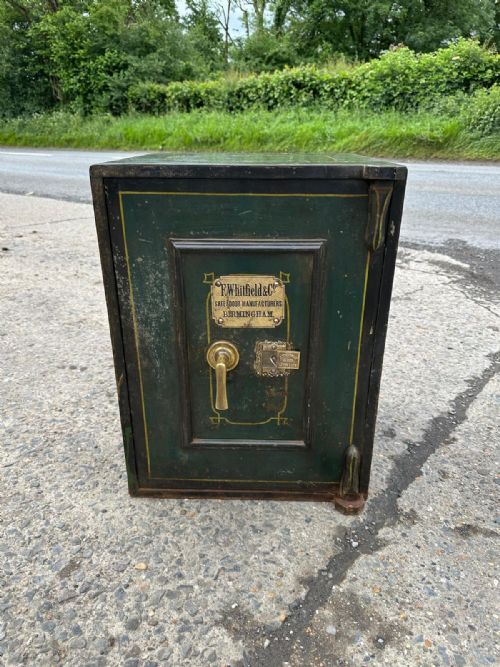
An antique brass safe encompasses heavy iron and steel strongboxes, smaller jewellery boxes, and wooden repositories outfitted with secure locks and metal mounts. You will frequently find Victorian examples alongside earlier strongboxes and specialty cash boxes.
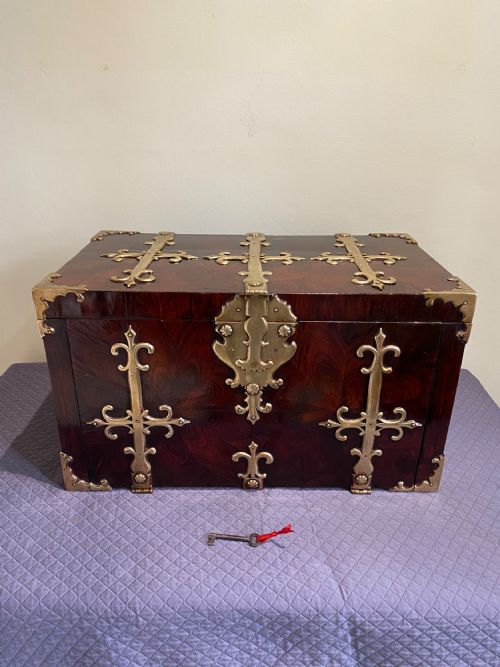
The selection ranges from robust bankers' drawers and cast iron lock boxes to French coffres-forts veneered in kingwood. Smaller keepsake cases and secret diary repositories also appear within this category, often featuring detailed brass plaques or mounts.
Origins span British workshops in London, Liverpool, and Glasgow, alongside continental pieces showing French Baroque or Art Nouveau influence. The common thread is the combination of utilitarian security and decorative craftsmanship.
Materials and construction
Construction relies on a core of cast iron, wrought iron, or steel to provide structural security and fire resistance. These metal carcasses are frequently clad, mounted, or detailed with brass.
Lock mechanisms represent significant ironmongery skill, often paired with combination dials and engraved brass maker's plates. Secret compartments and internal drawers demonstrate intricate woodworking joined to metal chassis.
Antique Brass Safe Retail Price Guide 2026
Typical asking prices for brass safe among the pieces listed under this phrase on Sellingantiques today, from the lower quarter to the upper quarter. They describe what is for sale here now, not the wider market.
Listings feature pieces spanning from the 17th century through the Edwardian period, utilising brass, cast iron, kingwood, and mahogany.
Factors determining quality
Quality rests on the integrity of the locking mechanism and the precision of the internal mechanism fit. Original working keys and fully operational combination dials elevate a piece considerably.
The standard of cabinetry and metal ornamentation dictates value, particularly in pieces utilising exotic woods like kingwood and rosewood. Crisp casting on brass plaques and substantial ironwork distinguish superior examples from standard utility boxes.
James Bruce Glasgow·Tanns Defiance London·F Whitfield And Co·Milners of Liverpool·George Price
The Antique Brass Safe Glossary
- Coffre-fort
- A strongbox or chest designed for valuables, often heavily reinforced with iron or brass straps.
- Strongbox
- A secure metal or wood box utilised for storing currency, documents, and precious items.
- Oyster veneer
- Slices cut across the branches or roots of a tree to produce circular or oval patterns in the wood grain, seen on fine period boxes.
- Patent safe
- A secure storage container incorporating a newly registered locking innovation or fireproofing method.
- Combination safe
- A secure box operated by turning dials to specific numbers or letters rather than using a traditional key.
Antique Brass Safe: Frequently Asked Questions
What is an antique brass safe?
An antique brass safe is a secure storage piece built from iron or wood and embellished with brass mounts, plates, or locks. These items range from heavy industrial strongboxes to refined jewellery boxes and keepsake cases.
They were designed to protect valuables, documents, and currency in homes and businesses. Today, they serve as decorative storage furniture with historical interest.
How were these safes used?
These pieces secured cash, important papers, jewellery, and personal diaries in Victorian homes and commercial offices. Many included secret compartments or hidden drawers for extra security.
Larger versions stood in offices as fireproof repositories, while smaller caskets sat on desks or dressing tables. They functioned as both practical security devices and status items.
How do I live with one?
An antique safe works well as a sturdy side table, a bedside cabinet, or a feature piece in a study. Their substantial weight means they anchor a room visually and physically.
Smaller boxes suit tabletops and shelves where their brass mounts and wood veneers can be appreciated closely. Ensure the surface can support the considerable weight of iron and steel construction.
How do I date an antique safe?
Dating relies on maker's plates, patent marks, and stylistic clues such as Victorian Gothic revival or Art Nouveau motifs. The evolution from simple key locks to complex multi-dial combinations also helps determine the era.
Wood types and veneer styles, like kingwood oyster veneer, point toward eighteenth-century or nineteenth-century origins. Maker signatures often provide direct links to documented firms and specific manufacturing decades.