

Antique Brass Pocket
An antique brass pocket item brings precision, utility and portability together in a single handheld object from past centuries.
Antique Brass Pocket
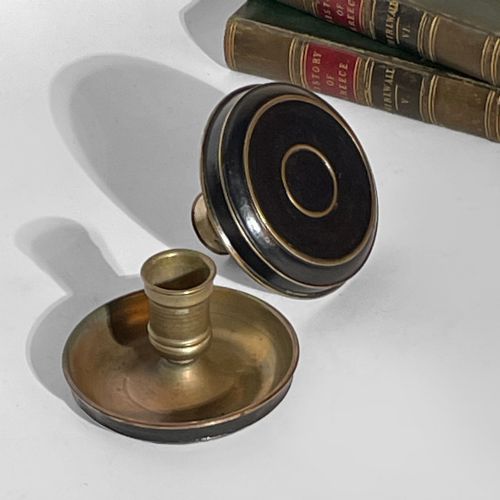
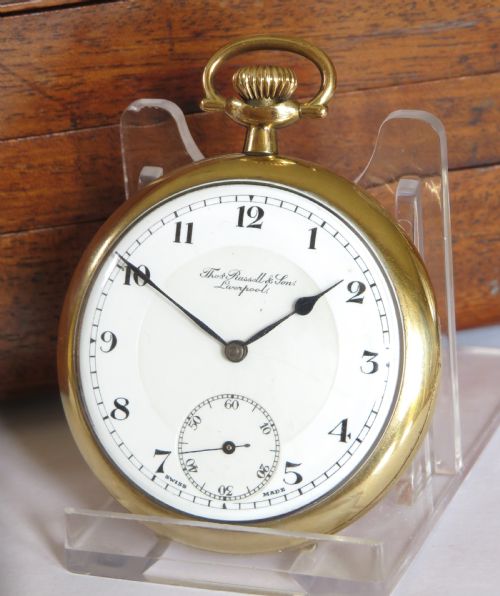
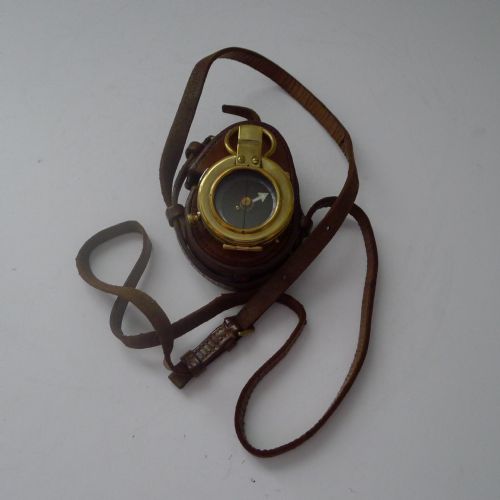
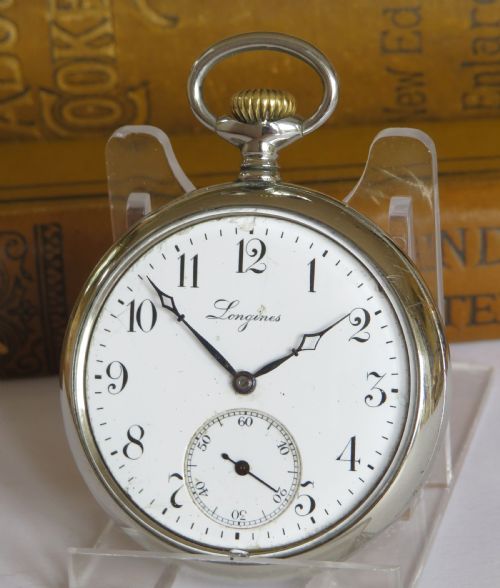
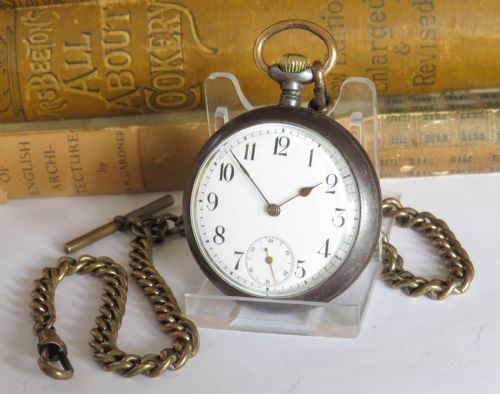
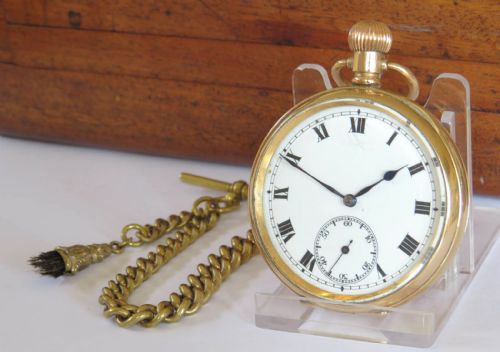
When you search for an antique brass pocket object, you encounter a diverse selection of portable instruments, timepieces and small containers spanning several periods. These items range from pocket watches and scientific instruments to snuff boxes and compasses housed in durable metal.
The versions you meet most frequently on this page date from the nineteenth and early twentieth centuries, reflecting Victorian and Edwardian manufacturing output. Makers during these eras produced functional objects designed for travel, scientific observation and daily personal use.
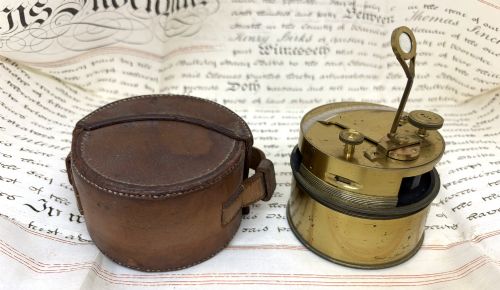
Forms vary widely from pocket barometers and altimeters to folding sundials, penknives and pocket microscopes. Each piece combines brass construction with glass, enamel or steel components to maintain accuracy and resilience in the field.
Materials and construction methods
Brass serves as the primary structural material across these listings, providing a robust and corrosion-resistant casing for delicate internal mechanisms. Makers combined this metal with glass lenses for viewing dials and lenses, alongside steel for springs, blades and needles.
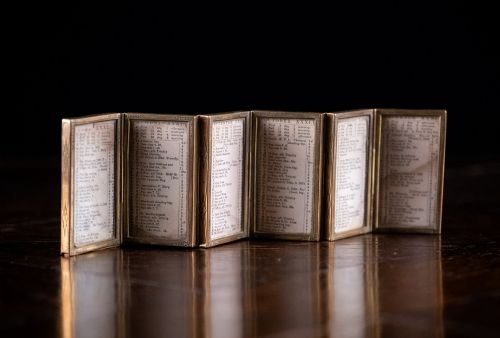
Surface decoration frequently includes fine hand-engraving, as seen on snuff boxes inscribed with personal names and professional titles. Interior linings incorporate velvet, leather and wood to cushion instruments like barometers and microscopes within their fitted travel cases.
Antique Brass Pocket Retail Price Guide 2026
Typical asking prices for brass pocket among the pieces listed under this phrase on Sellingantiques today, from the lower quarter to the upper quarter. They describe what is for sale here now, not the wider market.
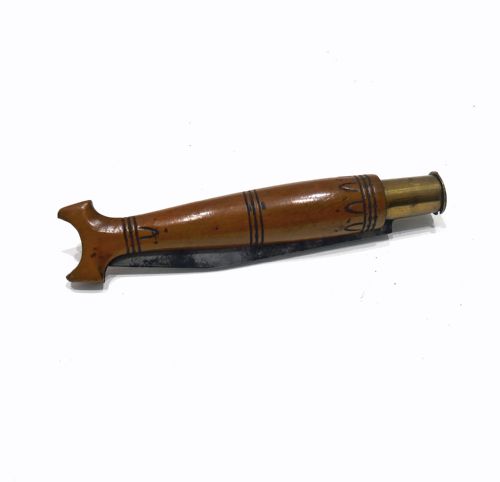
A nineteenth-century fruitwood penknife carved precisely in the form of a fish spent its days tucked into a fisherman's pocket.
Judging the quality of pocket items
Quality in an antique brass pocket piece rests upon the precision of its maker and the crispness of its assembly. Finer scientific instruments and watches display clean, deep engraving on dials and plates, alongside smooth mechanical action without play in hinges or bezels.
The integrity of secondary materials also distinguishes superior examples. Pieces retaining original fitted leather cases, uncracked glass crystals, and legible enamel faces command greater interest from collectors than those with replaced parts or obscured markings.
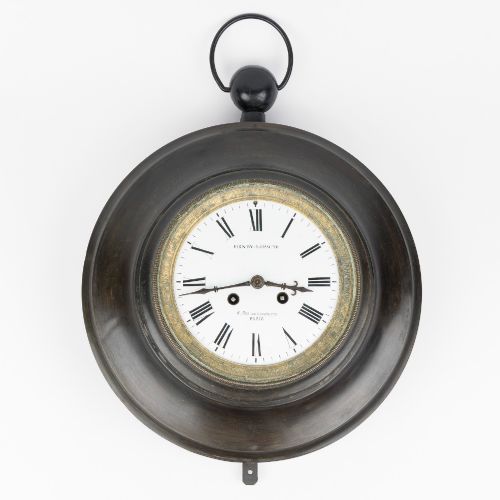
Henry Lepaute·John Browning·Casartelli Manchester·Thomas Russell and Son·New York Standard·Omega·Octava·P Orr Madras·Baker London·Minerva·Syren·Waltham·Acme Lever·H Samuel·Cary London·Smiths De Luxe·Andreas Vogler·Kays Challenge·Globe Watch Co
The Antique Brass Pocket Glossary
- Pocket barometer
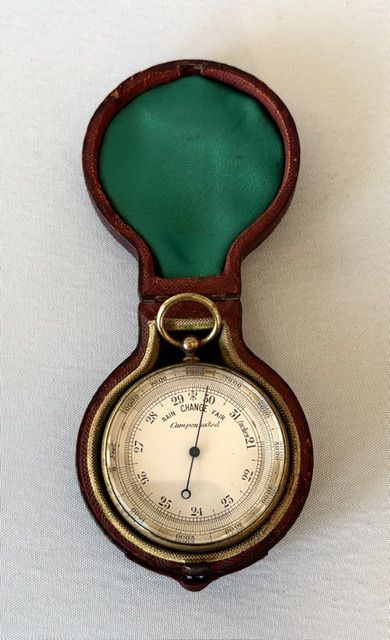
- A compact aneroid barometer used to measure atmospheric pressure, often combined with an altimeter for travel or field use.
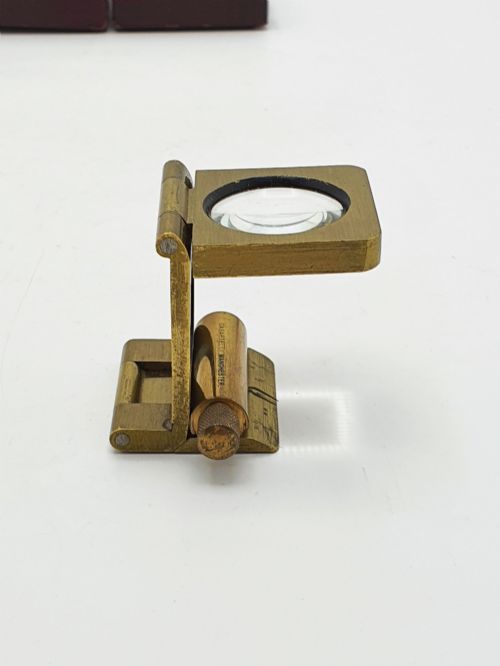
- Linen tester
- A small folding magnifying glass used historically by textile merchants to inspect the weave of fabrics.
- Diptych dial
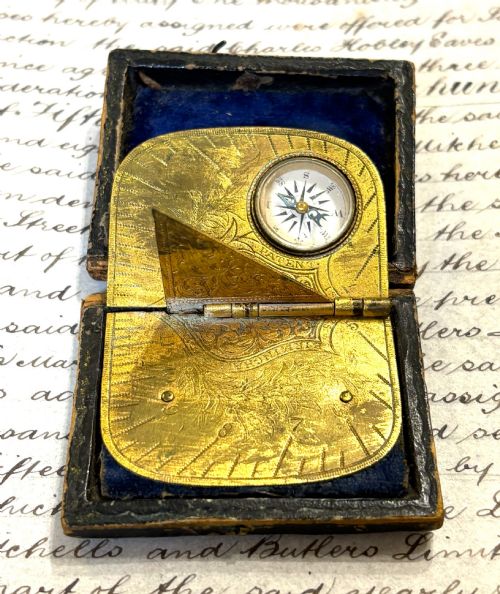
- A portable folding sundial containing a small magnetic compass, typically constructed in wood or brass with hinged leaves.
- Goliath watch
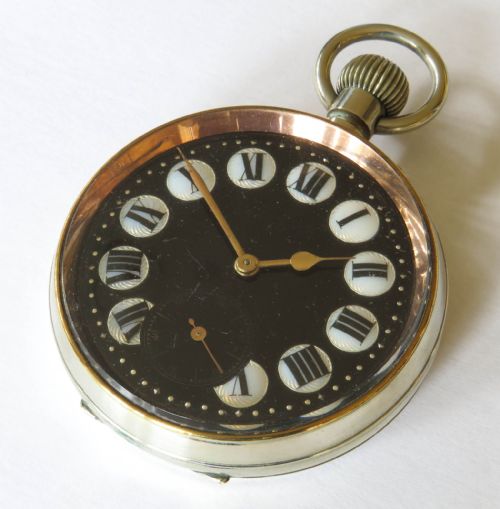
- An oversized pocket watch, significantly larger than standard examples, frequently paired with a desk stand or travel case.
- Theodolite
- A precision optical instrument mounted on a tripod or base for measuring horizontal and vertical angles in surveying.
Antique Brass Pocket: Frequently Asked Questions
How do I read a pocket barometer?
Pocket barometers feature an outer dial showing barometric pressure alongside an inner scale for altitude measurements. Turning the bezel aligns the marker to track changes in weather.
Most units include a tiny spirit thermometer set into the face for secondary environmental readings during travel.
What is a Butterfield dial?
A Butterfield dial is a type of pocket sundial featuring a bird-shaped gnomon that can be adjusted for different latitudes. The face includes multiple hour scales engraved for various cities.
Users align the magnetic compass north and tilt the gnomon to the local latitude to tell time outdoors.
How were pocket microscopes used?
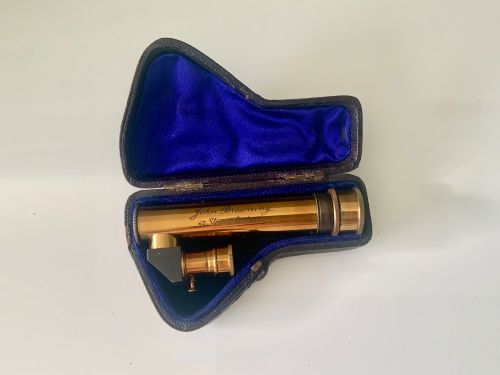
Botanical and field microscopes allowed naturalists to examine plants, insects and minerals while outdoors. These pocket devices relied on adjustable focus screws and folding brass legs.
Many examples slide neatly into protective brass or wooden cylinders for safe transport in a pocket.
Are goliath watches meant for pockets?
Goliath watches are substantially larger than standard pocket watches, typically measuring across several inches. They were too heavy for everyday waistcoat wear and served as travel clocks.
Owners kept them on bedside tables or inside fitted leather travelling cases during journeys.