


Antique Brass Novelty
An antique brass novelty turns utilitarian desk items and inkwells into playful figures of animals, birds, and mechanical curiosities.
Antique Brass Novelty
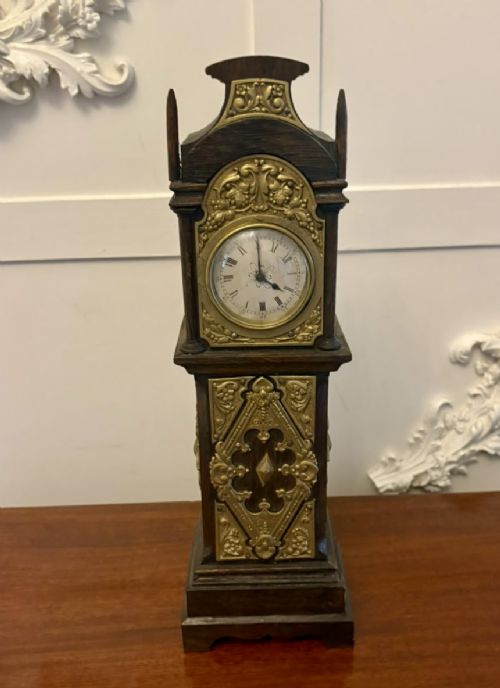
When you search for antique brass novelty pieces, you encounter functional objects disguised as animals, sporting equipment, and architectural models.
The selections on this page span the Victorian, Edwardian, and Art Deco periods, originating from English, French, and German workshops.
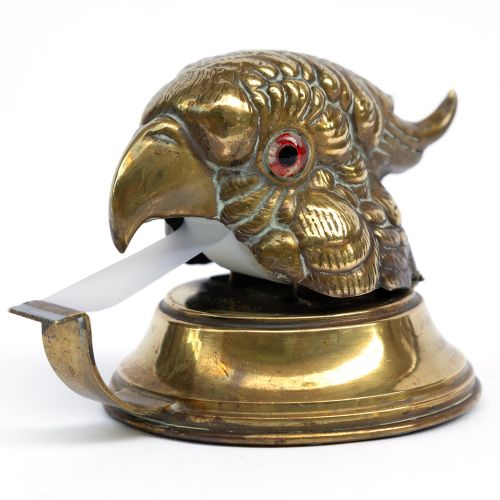
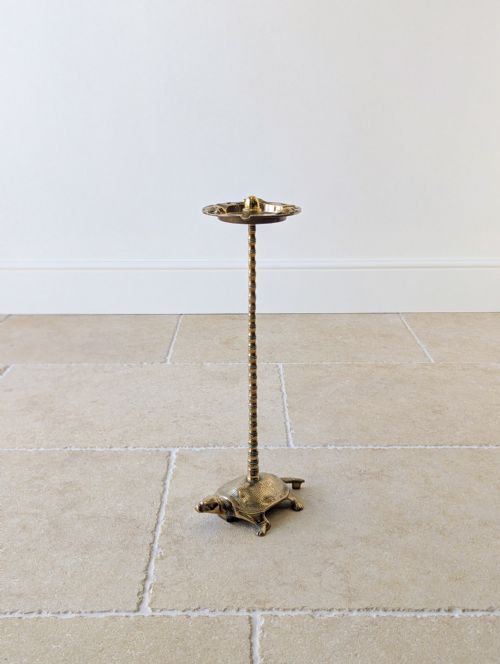
Desk accessories dominate the category, including inkstands, vesta cases, tape dispensers, and paper clips modelled on owls, dogs, tortoises, and pigs.
Materials and Casting
Cast brass and polished bronze form the primary bodies of these items, frequently combined with glass eyes, enamel work, and wooden mounts.
Mechanisms range from hinged vesta boxes and mechanical desk bells to pivoting inkwells and spring-loaded clips.
Finishes include parcel gilding, nickel plating, and patinated surfaces that highlight the detailed fur, feathers, and engraved decoration.
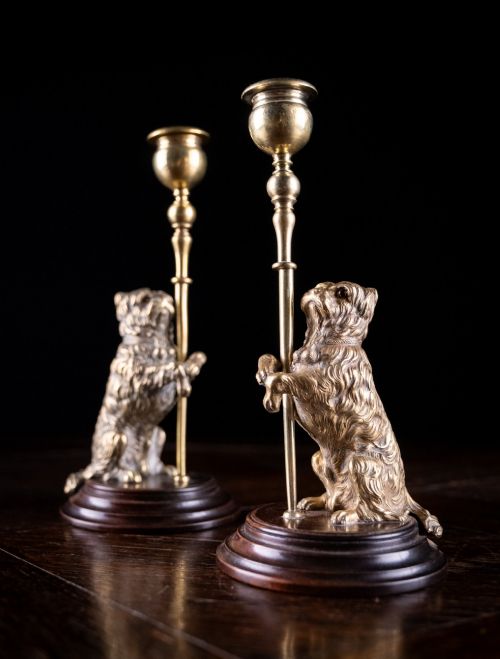
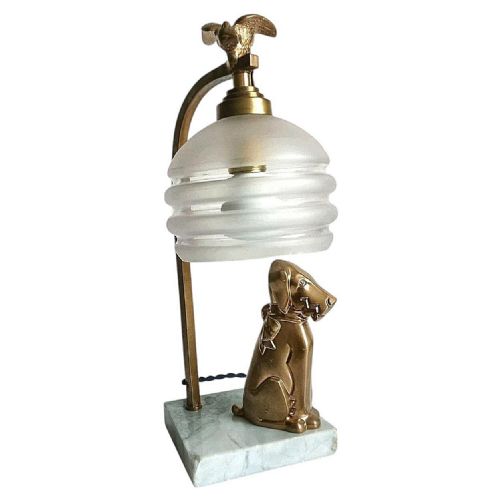
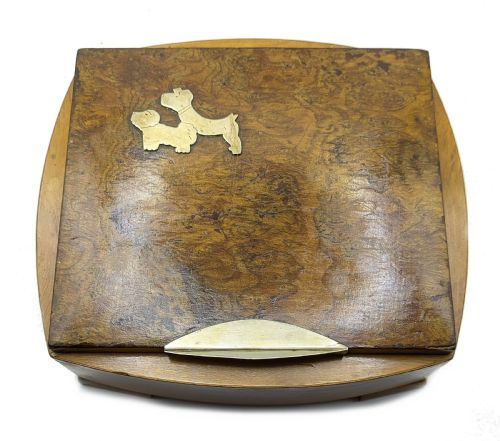
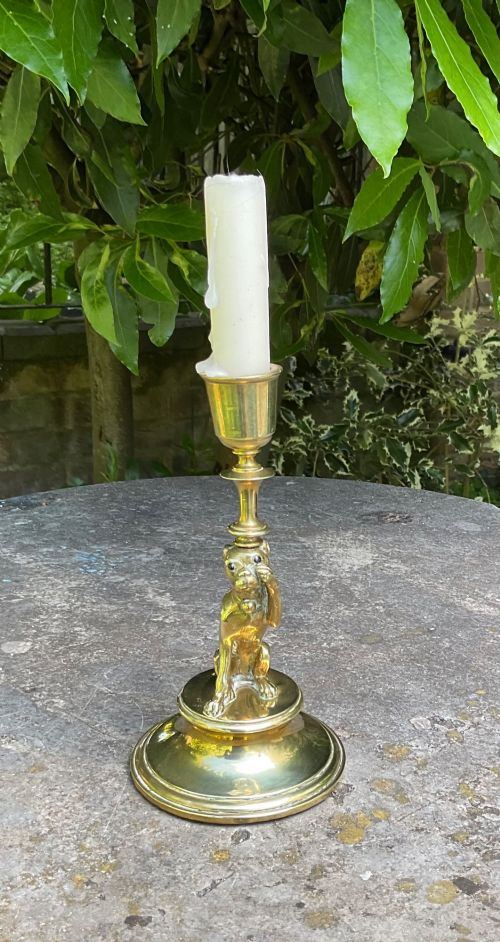
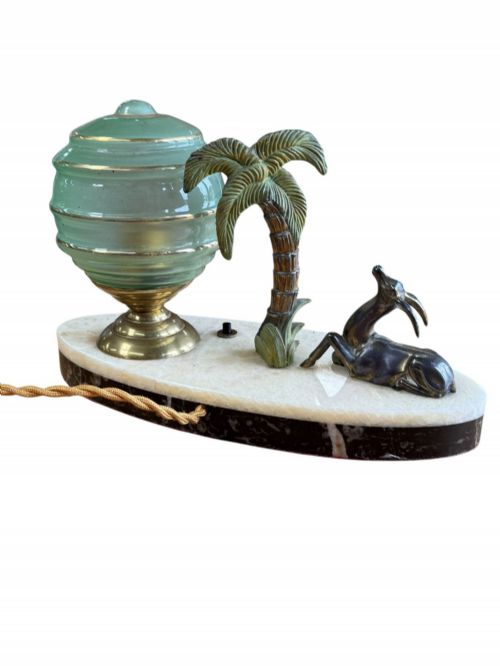
Several dogs double as candleholders, cigarette boxes, tape dispensers, and table lamps.
Casting and Detail
Integrated functions such as working mechanical components, tight lid closures, and the inclusion of original glass liners or inserts indicate superior execution.
The crispness of the chasing and finishing work after the initial casting stage defines the overall sophistication of the object.
Guilmet·Hessen Paris
The Antique Brass Novelty Glossary
- Vesta Case
- A small pocket or desk container designed to hold matches, often hinged and shaped as an animal or figural subject.
- Inkstand
- A desk tray or stand incorporating one or more inkwells, penholders, and sometimes sandbox compartments for writing materials.
- Vide Poche
- A small tray or dish intended for emptying pockets of coins and keys, frequently cast in metal in decorative or figural forms.
- Treen
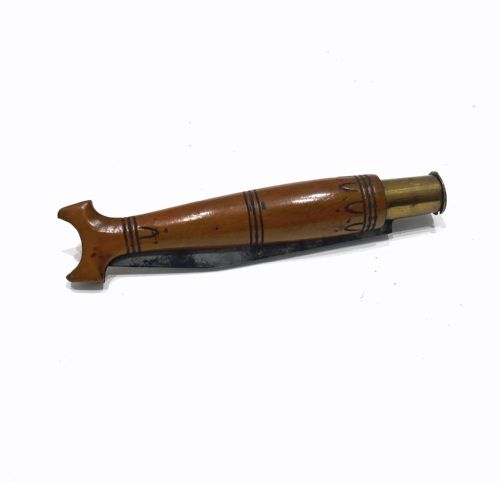
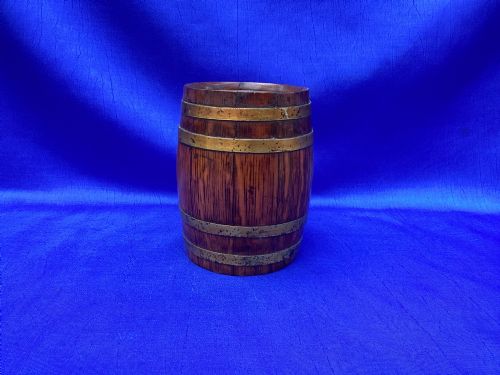
- Small handmade wooden domestic objects, occasionally found combined with brass mounts or serving as shoe-form snuff boxes.
- Aneroid
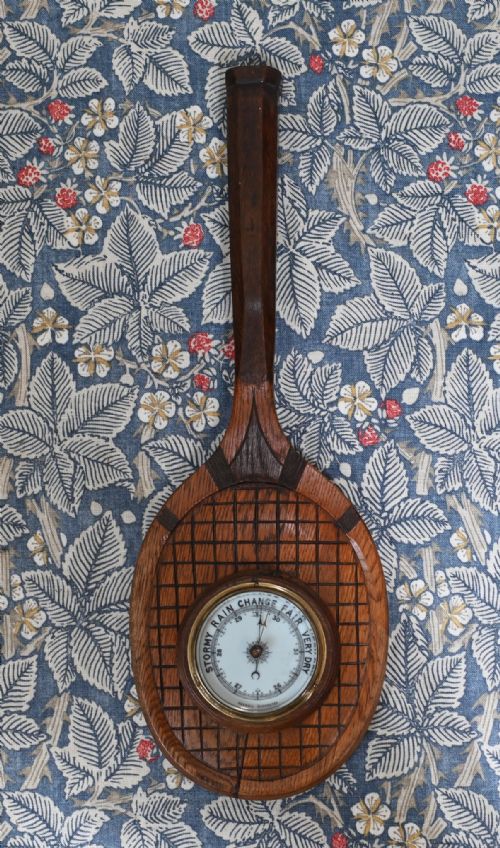
- A type of barometer that measures atmospheric pressure without liquid, utilised in novelty desk compendiums and sporting items.
Antique Brass Novelty: Frequently Asked Questions
What were antique brass novelty items used for?
These pieces served practical daily functions on desks, in smoking rooms, and across households while providing amusement through their unusual animal and figural shapes. Owners used them to hold matches, dispense tape, store ink, and check the time or weather.
Despite their whimsical appearance, they were functional tools made for Victorian and Edwardian writing desks and smoking tables. Their clever designs turned mundane desk accessories into conversational conversation pieces.
How do I identify a Victorian piece?
Victorian examples often feature naturalistic animal forms such as owls, tortoises, and dogs, frequently combined with glass eyes or heavy cast brass bases. They tend to focus on desk accessories like inkwells, vesta cases, and mechanical desk bells.
The casting style of this era prioritises heavy bronze and brass work with detailed chasing. Pieces from this period generally predate the cleaner, geometric lines associated with later Art Deco designs.
Where were these novelty items manufactured?
Production was centered across European workshops, with English, French, and Austrian makers producing the majority of figural deskwares and mechanical pieces. French examples often incorporated delicate enamelling or gilt bronze, while English pieces leaned toward utilitarian items like cricket novelties and animal inkwells.
Specific firms and retail outlets exported these items widely, leading to a diverse mix of domestic and continental designs found in collections today.
How should I care for brass novelty items?
Maintenance involves gentle dusting with a soft cloth to preserve the existing patina and protect any applied finishes like nickel plating or enamel. Avoid harsh chemical polishes that strip the historical surface ageing from the cast metal.
If the piece contains mixed materials such as glass eyes, wood bases, or paper inserts, keep it away from excessive moisture and direct sunlight to maintain its structural integrity.