




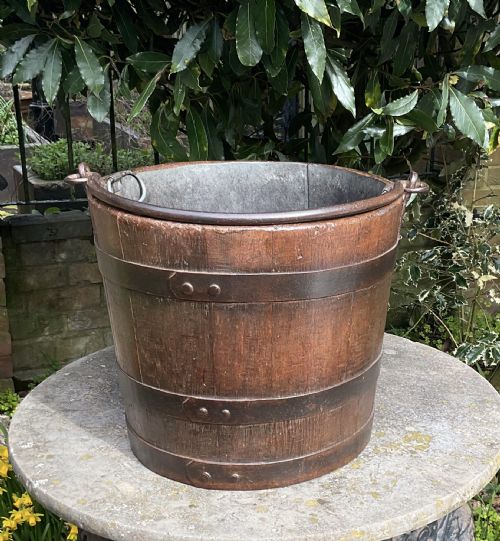


Antique Brass Log Tub
An antique brass log tub brings a warm, metallic focal point to a hearth while keeping fuel neatly contained.
Antique Brass Log Tub
An antique brass log tub functions primarily as a fireside container for coal or firewood, though many examples double as large planters or jardinières. When searching this phrase, buyers encounter substantial vessels designed to sit beside the hearth.
The pieces listed here span the Georgian, Victorian, and Edwardian periods, stretching from the late eighteenth century into the early twentieth century. Most items originate from British, French, or Anglo-Indian workshops and take forms such as pails, buckets, and cylindrical bins.
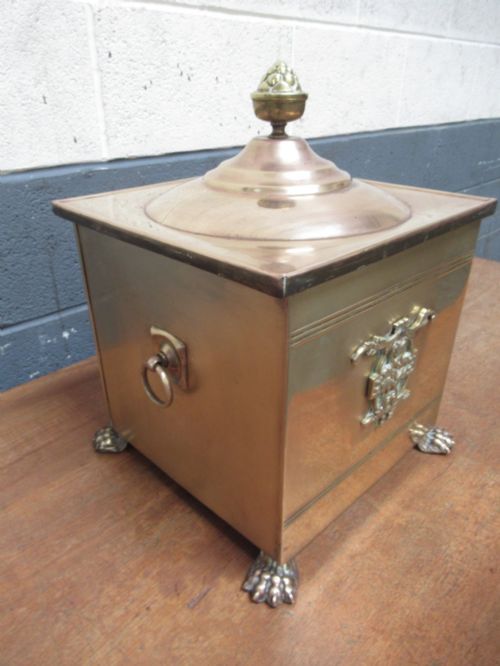
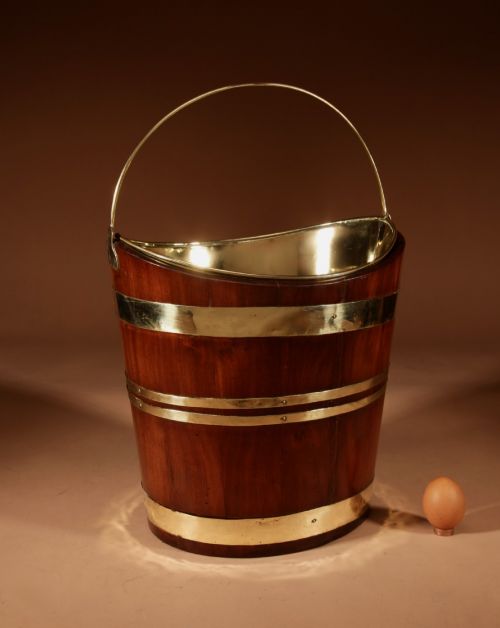
Beyond standard cylindrical bins, the selection includes boat-shaped peat buckets, riveted boilers, and oval lidded containers. Many incorporate drop rings, lion paw feet, or swing handles for practical movement around the fireplace.
How they were made
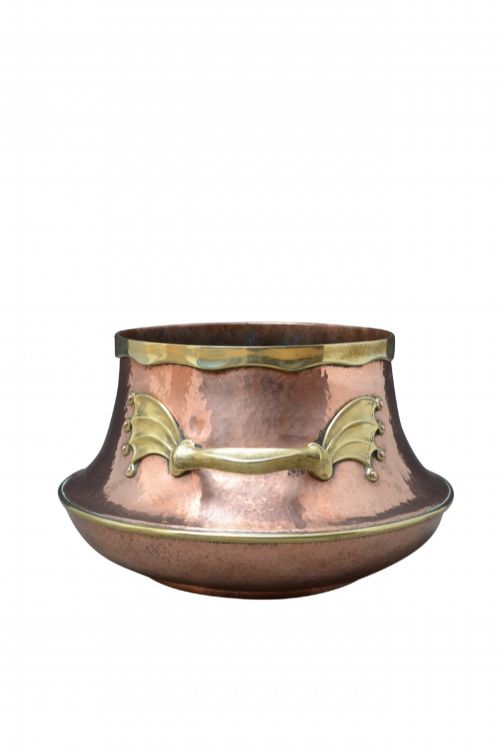
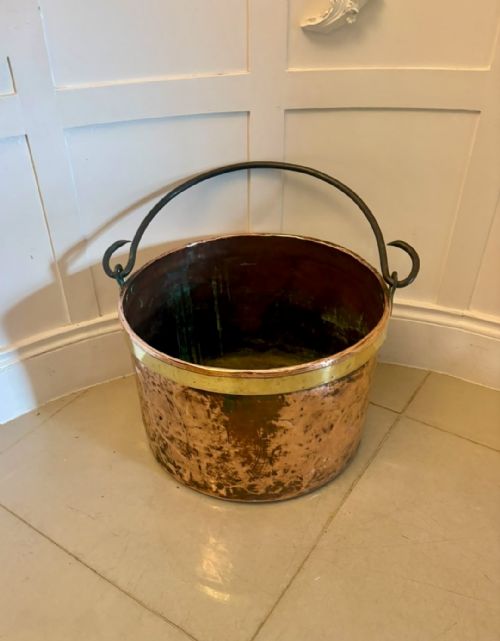
Craftsmen built these vessels using heavy sheet brass and copper, frequently pairing the two metals to create visual contrast through bands, rims, and rivets. Hand-beaten and embossed surface treatments dominate the production methods, showing the work of skilled metalsmiths.
Wooden elements appear alongside the metal work through coopered oak and mahogany construction, often reinforced with brass bands and liners. Riveted joints and folded seams provide the structural strength necessary for holding heavy loads of logs or coal.
Antique Brass Log Tub Retail Price Guide 2026
Typical asking prices for brass log tub among the pieces listed under this phrase on Sellingantiques today, from the lower quarter to the upper quarter. They describe what is for sale here now, not the wider market.
What varies in quality
The calibre of an antique brass log tub rests in the thickness of the metal sheet and the crispness of any embossed or hand-hammered detail. Superior examples display robust construction with secure riveting and well-fitted interior liners.
Design distinction separates ordinary utilitarian vessels from finer pieces, particularly those featuring heraldic crests, cast brass handles, or distinct stylistic traits from the Arts and Crafts and Art Nouveau movements.
Henry Loveridge·Petrus Ramus
The Antique Brass Log Tub Glossary
- Jardiniere
- An ornamental pot or stand for holding plants or flowers, frequently utilised interchangeably with large metal log tubs.
- Coopered
- Formed of staves fitted together and bound with hoops, a method typically seen in wooden buckets and wine coolers.
- Dinanderie
- The traditional Belgian art of brass and copper object manufacture, encompassing hammered and cast domestic vessels.
- Peat bucket
- A specialised container historically used in rural settings for storing dried turf or peat fuel by the fire.
- Cachepot
- An ornamental container designed to hold a flowerpot and conceal its base, often sharing forms with fireside vessels.
Antique Brass Log Tub: Frequently Asked Questions
Can I use an antique log tub outside?
Many of these vessels function successfully as garden planters or cachepots due to their robust brass and copper construction.
However, historic pieces with wooden components or delicate interior liners benefit from protection against prolonged moisture and extreme weather.
How do I clean brass and copper safely?
Gentle dusting with a soft cloth preserves the historic patina that collectors value on nineteenth-century metalwork.
Strong chemical polishes strip away age and character, so mild soapy water and careful drying suit regular maintenance best.
What is the difference between a log bin and a jardiniere?
Makers constructed log bins and coal buckets with heavier gauges of metal and durable drop handles to withstand daily fireside use.
Jardinières and cachepots often feature more decorative embossing or delicate stands intended primarily for botanical display.
Did these tubs always come with liners?
Original metal or wooden liners appear in a portion of surviving pieces to protect the outer structure from damp fuel.
Many historic vessels have lost their liners over decades of use, though they remain entirely functional for storing dry logs.