



Antique Brass Lock
An antique brass lock secures much more than a simple door, safeguarding the contents of fine chests, desks and writing slopes across the centuries.
Antique Brass Lock
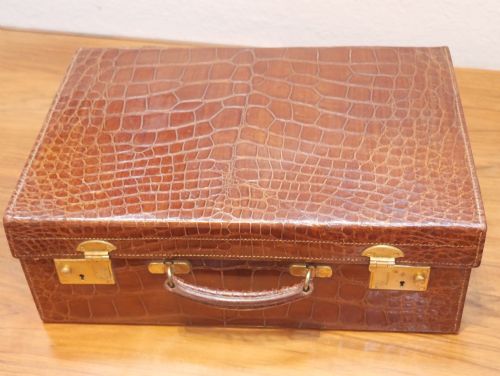
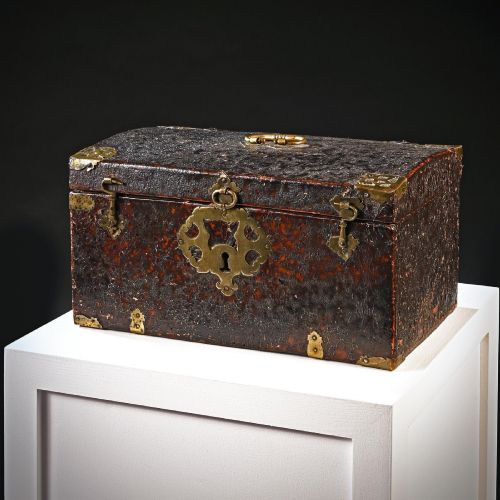
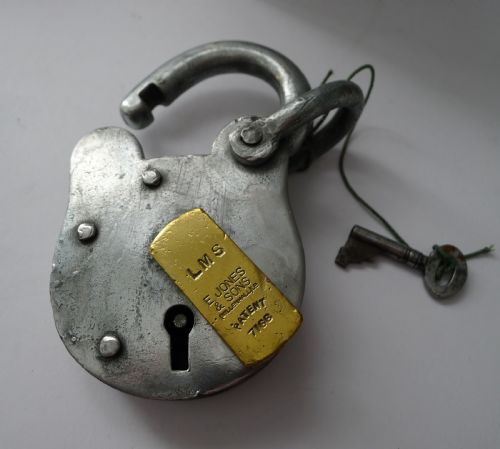
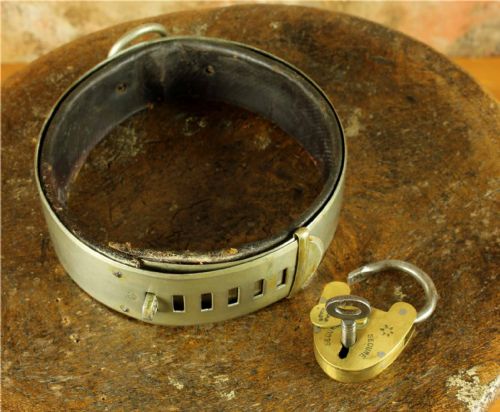
When you search for an antique brass lock, you encounter functional security hardware and mechanical fastenings integrated into larger domestic objects. The evidence spans centuries of craftsmanship, appearing as padlocks, safe plaques, fitted boxes and mechanism mounts.
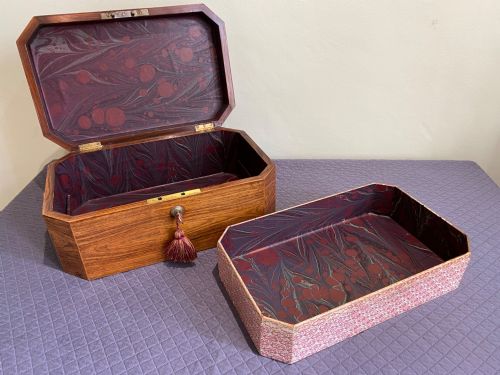
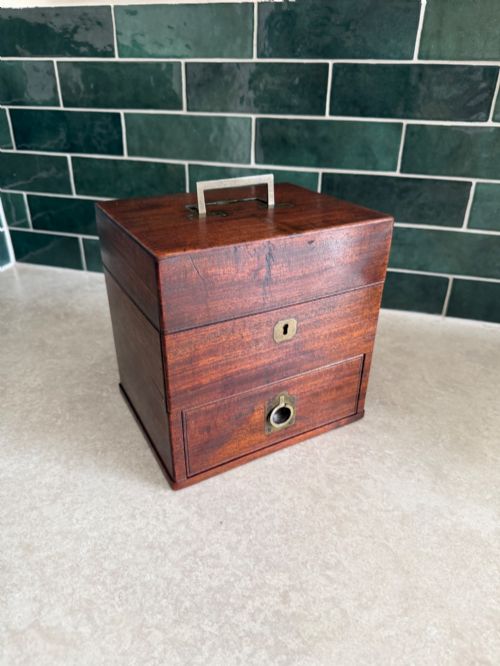
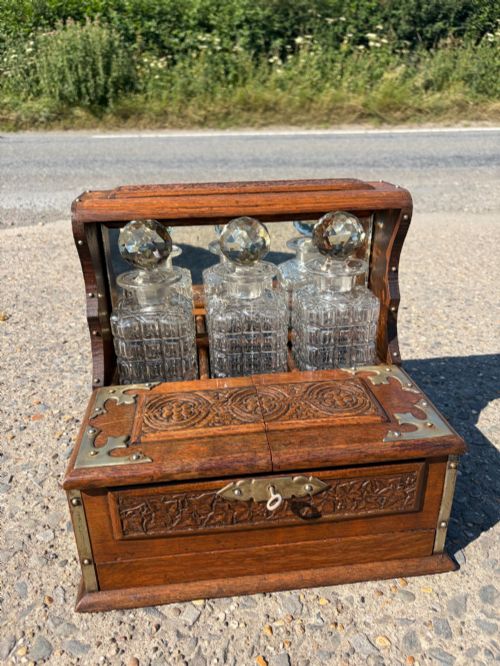
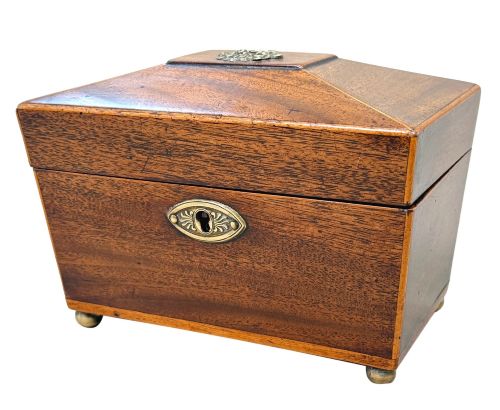
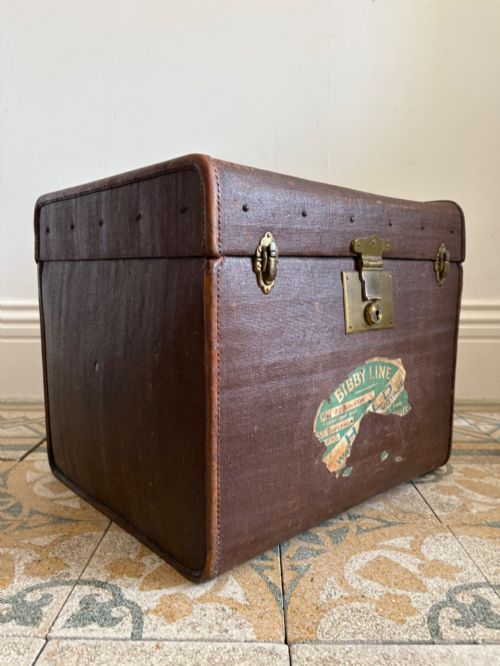
Most examples originate from the Georgian, Victorian and Edwardian periods, attached to items like tea caddies, writing slopes, tantalus sets and heavy timber trunks. These pieces reflect a time when personal security and fine cabinetmaking went hand in hand.
Some items take the form of standalone padlocks or heavy customs hardware, while others remain inset into the woodwork of period furniture. Each variation demonstrates the utilitarian necessity of strong metalwork combined with decorative appeal.
How They Were Made
The construction of these pieces relies heavily on cast and forged brass, frequently paired with secondary metals like iron and steel for internal mechanisms. Cabinetmakers and locksmiths utilised durable hardwoods such as mahogany, oak, walnut and rosewood to house these working assemblies.
Makers shaped the metal through casting, filing and engraving, often adding fine surface details to visible lock plates and escutcheons. The integration into wooden boxes required precise mortising so that the brass components sat flush with the surrounding surfaces.
Antique Brass Lock Retail Price Guide 2026
Typical asking prices for brass lock among the pieces listed under this phrase on Sellingantiques today, from the lower quarter to the upper quarter. They describe what is for sale here now, not the wider market.
Some travel trunks hide secrets so well that owners occasionally require a locksmith just to find the hidden tea.
What Varies in Quality
Quality rests in the precision of the internal mechanism and the crispness of the exterior casting. Finer examples feature intricate lever systems, such as Bramah designs, which operate with smooth precision and secure action.
The tactile weight of the metal and the clarity of any engraved details distinguish standard hardware from high-end pieces. Well-preserved patination on both the brass and its mounting timber further elevates the standing of an item.
Collinson and Lock London·Milners of Liverpool·Harrison of London·Mappin and Webb
The Antique Brass Lock Glossary
- Escutcheon
- A protective brass plate surrounding a keyhole that prevents the surrounding wood from wearing down with repeated use.
- Bramah lock
- A high-security patented lock mechanism utilising cylindrical keys and multiple sliders, prized for its exceptional ingenuity and reliability.
- Padlock
- A portable lock with a shackle that can be opened or released, used to secure luggage, chests and gates.
- Tantalus
- A wooden drinks cabinet fitted with decanters secured by a locking metal bar that prevents access without a key.
- Writing slope
- A portable desk with a slanted writing surface that opens to reveal compartments secured by an internal locking mechanism.
Antique Brass Lock: Frequently Asked Questions
What is an antique brass lock?
An antique brass lock is a mechanical security device or fitted hardware component originating from past centuries, commonly made from cast or polished brass.
These pieces are found mounted to writing slopes, tea caddies, strongboxes and luggage trunks, or operating independently as heavy padlocks.
How do I care for brass hardware?
Maintaining these metal components involves keeping them dry and free from moisture to preserve the natural historic patination.
Gentle dusting with a soft cloth is usually sufficient, avoiding harsh commercial polishes that can strip away age-related character.
Are original keys important?
Original working keys significantly enhance the historical integrity and utility of any locking mechanism.
Many period pieces survive with their original keys, though replacement keys are sometimes fitted by specialist restorers to ensure proper mechanical function.
How can I date a lock?
Dating relies on the manufacturing style, the complexity of the internal mechanism, and the type of object it secures.
Georgian and Victorian pieces often display distinct casting techniques, patent stamps or maker signatures that help pinpoint their era of production.