





French Victorian Hardware
French Victorian hardware brings decorative metalwork to doors and window dressings, offering period character through cast brass, ormolu, and enamel details.
French Victorian Hardware
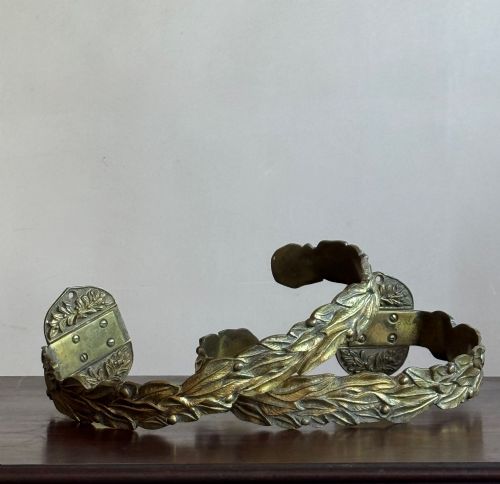
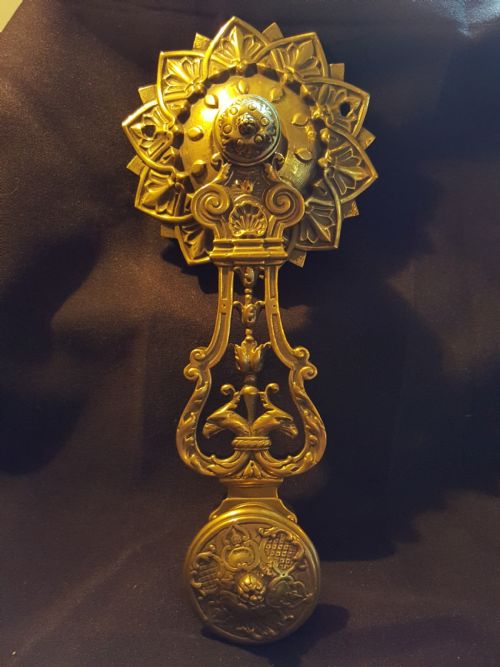
French Victorian hardware comprises domestic fixtures including door handles, push plates, locks, pelmets, and curtain tiebacks originating across the nineteenth century. These pieces combine French decorative styles with Victorian manufacture, appearing in brass, ormolu, gilt bronze, and steel.
Curtain tiebacks and door furnishings form the most common examples on this page, often incorporating cast brass, lead crystal, china, and enamel elements. Such items serve both functional and ornamental roles in period interiors.
Design influences range from French Rococo Revival and Empire Revival to Victorian Gothic Revival and Neoclassical motifs. Objects frequently feature classical ornaments such as ram heads or mythical creatures like gothic dragons.
Materials and construction methods
Production relies heavily on casting brass and ormolu, creating heavy metal fittings with detailed relief work and decorative mounts. Gilt bronze and polished steel are also utilised for structural integrity and surface finish.
Makers integrated mixed media into hardware design, combining metal frames with china inserts, lead crystal components, and painted enamel plaques. Keys and locks demonstrate precision metalworking in steel and brass.
French Victorian Hardware Retail Price Guide 2026
Typical asking prices for french victorian hardware among the pieces listed under this phrase on Sellingantiques today, from the lower quarter to the upper quarter. They describe what is for sale here now, not the wider market.
Gothic dragons stare out from nineteenth-century tiebacks, keeping a watchful eye over the curtains.
Distinctions in quality
Quality rests on the crispness of the casting and the depth of the chased detail in the ormolu or brass. Finer examples display sharp, well-defined motifs rather than soft or smoothed surfaces.
The choice of secondary materials separates standard items from exceptional pieces, with hand-painted enamel, heavy lead crystal, and fire-gilt finishes marking superior production standards.
Henri Picard
The French Victorian Hardware Glossary
- Ormolu
- Gilded bronze produced by applying a mercury-gilt amalgam to base bronze, common in decorative mounts and tiebacks. This finish provides a warm, enduring golden lustre.
- Pelmet
- A rigid wooden or metal framework placed above a window to conceal curtain fixtures. In French interiors, these are frequently fashioned from gilded brass.
- Push plate
- A protective metal plate fitted to a door surface to prevent wear from hands. They often incorporate enamelled panels or ornate cast borders.
- Tieback
- A decorative fixture mounted beside a window to hold curtains back. Designs range from simple brass arms to elaborate gilt bronze sculptures.
- Gothic Revival
- An architectural and decorative style reviving medieval forms. This aesthetic appears in hardware through motifs like dragons and pointed arches.
French Victorian Hardware: Frequently Asked Questions
What is French Victorian hardware?
French Victorian hardware refers to decorative fixtures and fittings for doors and windows produced during the nineteenth century. These objects combine French design styles with Victorian manufacturing techniques.
Items include door handles, locks, push plates, pelmets, and curtain tiebacks made from brass, ormolu, and steel.
How were curtain tiebacks used?
Curtain tiebacks were secured to the wall beside windows to hold heavy fabric drapes open during the day. They allowed more light into the room while displaying decorative metalwork.
Pairs of ormolu or gilt brass tiebacks matched pelmets positioned above the window frame.
What materials are common in these pieces?
Brass, ormolu, gilt bronze, and polished steel form the primary structural materials for these decorative items. Makers frequently enhanced the metalwork with contrasting elements.
Surfaces often incorporate lead crystal, china inserts, and painted enamel details to add colour and texture.
How do I identify a period lock?
Period locks are typically constructed from solid brass and polished steel, often accompanied by original working keys. They feature robust mechanical components designed for heavy daily use.
Exterior plates display cast ornamentation reflecting styles like Neoclassical or Gothic Revival.