


Antique Brass Lamp Shade
An antique brass lamp shade brings a warm, directional glow and enduring period character to any interior scheme.
Antique Brass Lamp Shade
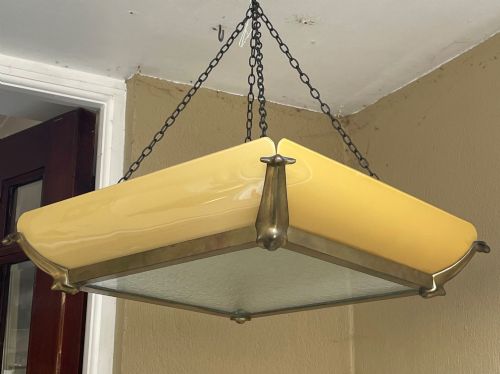
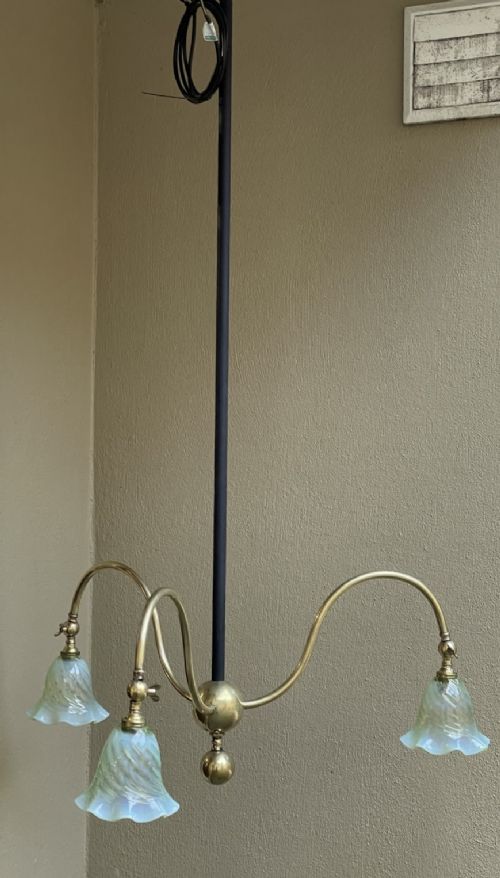
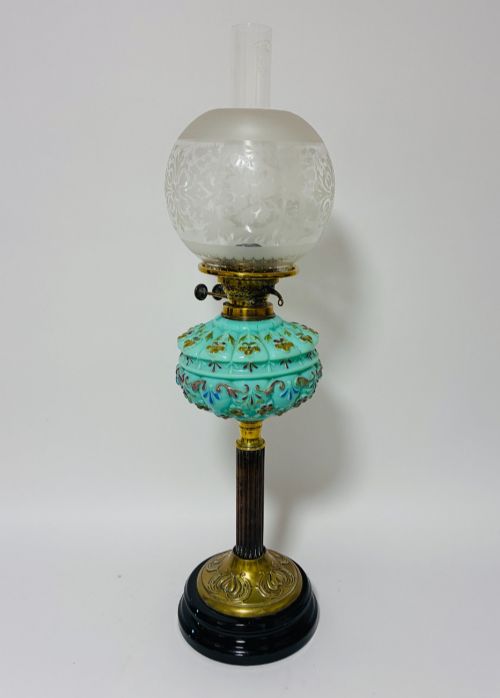
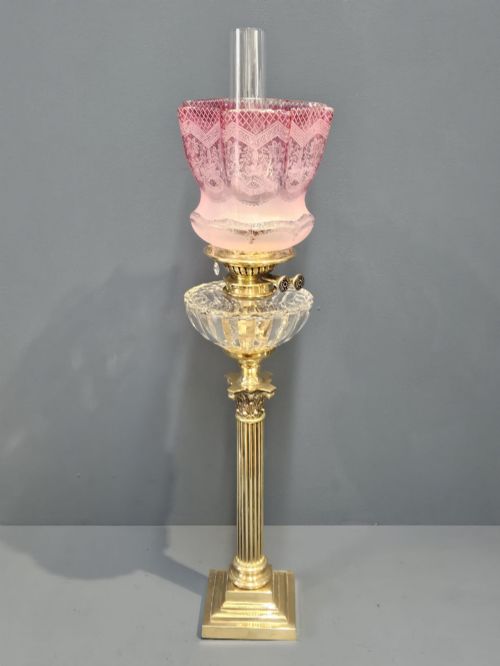
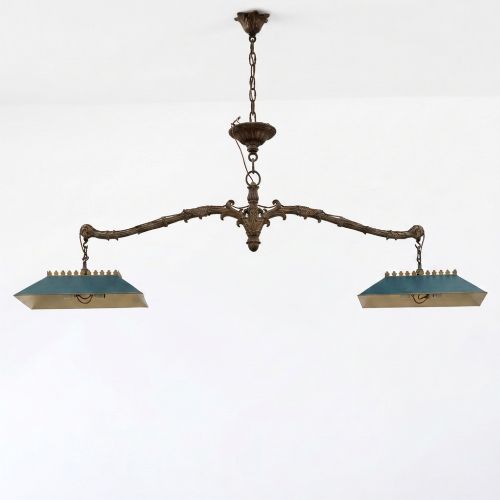
When searching for an antique brass lamp shade, you encounter functional lighting hardware paired with distinct metalwork and glass components. The selections here span Victorian, Edwardian, and Art Deco eras, encompassing table lamps, oil lamps, ceiling pendants, and standard lamps.
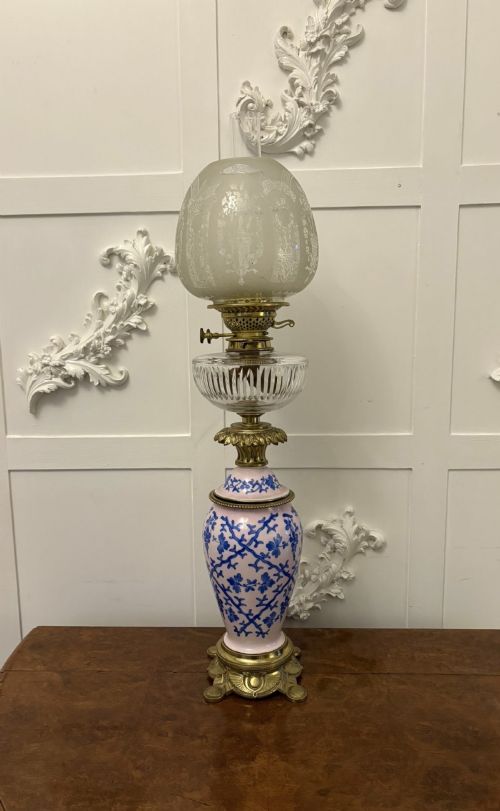
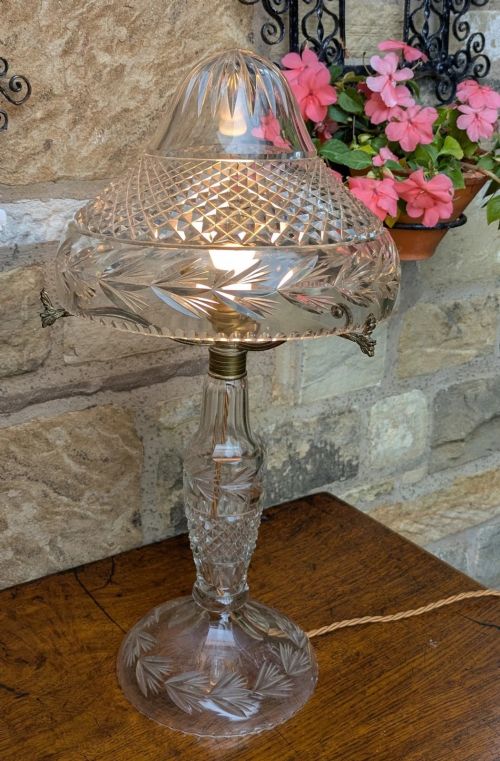
Many examples integrate metal framing with coloured or cut glass elements, such as cranberry, opaline, or vaseline glass. Others utilise adjustable mechanics or ceramic bodies, reflecting the domestic and municipal lighting requirements of the nineteenth and early twentieth centuries.
Materials and construction methods
Makers utilised cast and spun brass alongside patinated bronze, pairing the metallic framework with blown, moulded, or cut glass shades. Coloured glass varieties - including amber, green, and cranberry hues - were achieved through mineral additions during the glassblowing process.
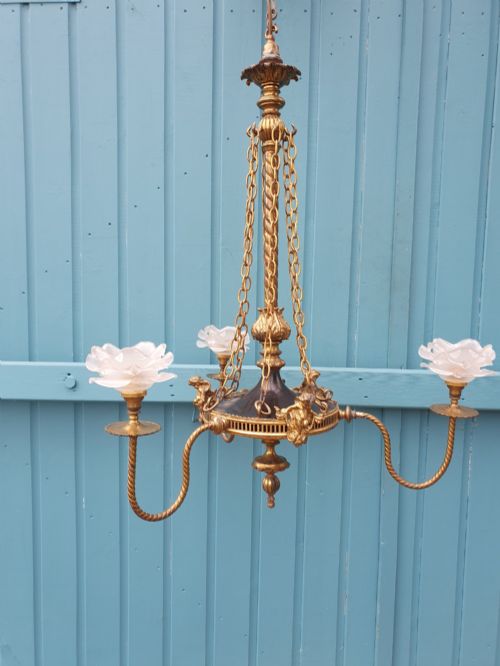
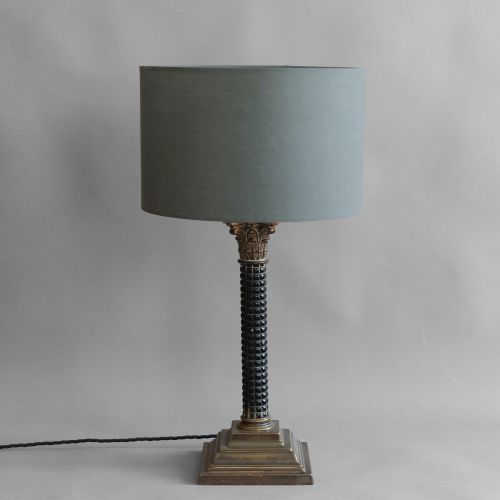
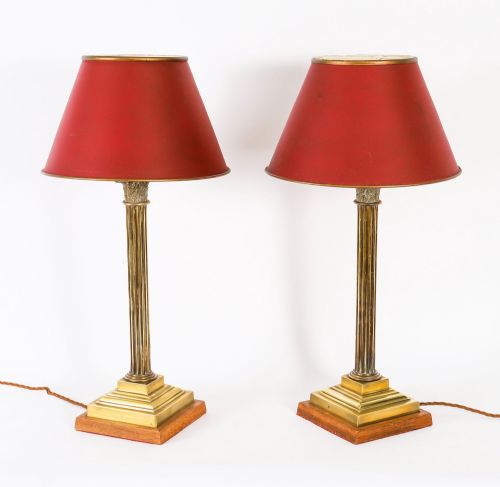
Structural elements often involve Corinthian columns, adjustable telescopic poles, or multi-tiered ceiling mounts. Surface finishes range from polished brass and gilt details to painted toleware and leaded glass construction.
A French novelty table lamp from the 1930s pairs a brass standard with sculpted dogs and a parrot.
Distinguishing quality in brass and glass lighting
Superior examples demonstrate crisp casting definition in architectural motifs like fluted columns and detailed collars, alongside heavy-gauge brass that resists bending. The integration between the metal mount and the glass shade shows precise proportion and secure seating.
The quality of the glass component dictates the overall distinction of the piece, with hand-cut crystal, layered opaline, and deeply saturated coloured glass marking the upper tiers of production. Original matching components and functional adjustment mechanisms further elevate the integrity of the object.
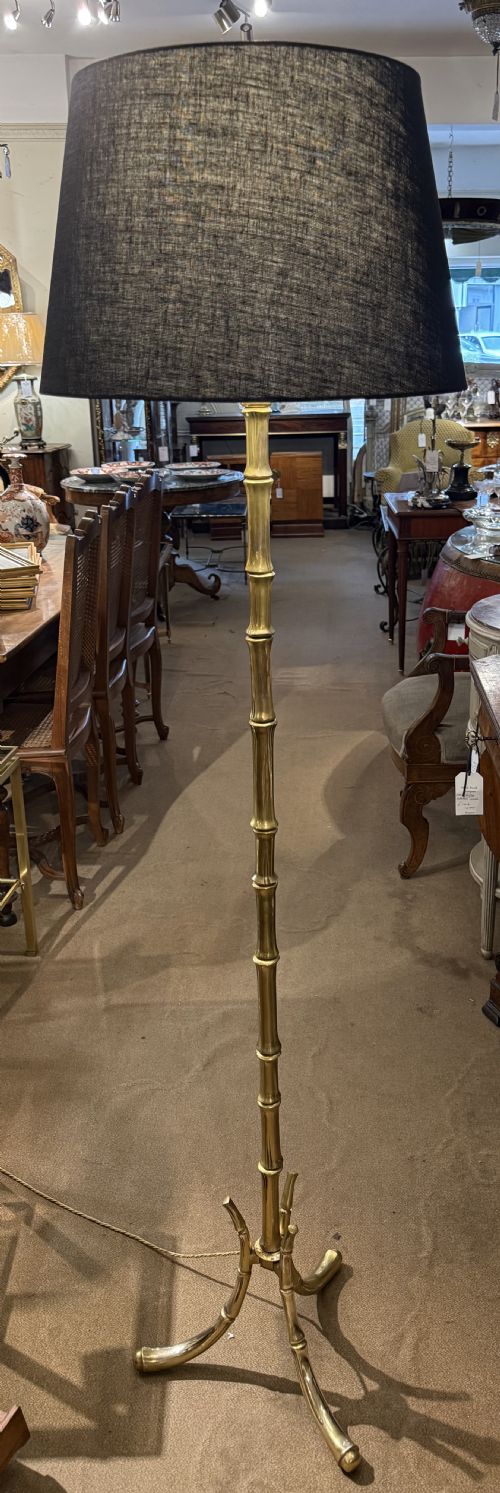
Maison Bagues
The Antique Brass Lamp Shade Glossary
- Cranberry Glass
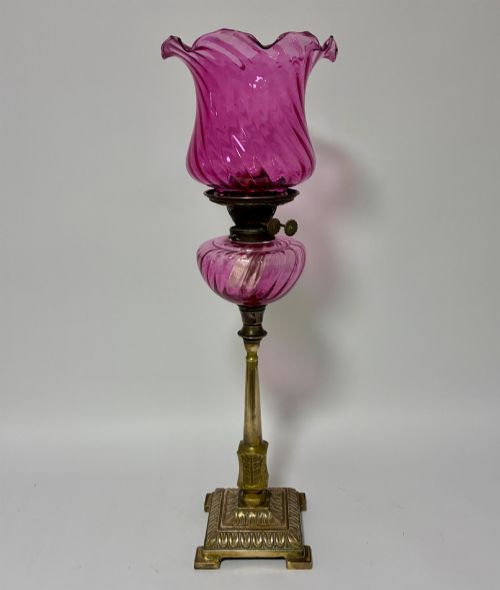
- A rich red-pink transparent glass created by adding gold chloride to the molten batch. It appears frequently on Victorian oil lamp shades.
- Bouillotte Lamp
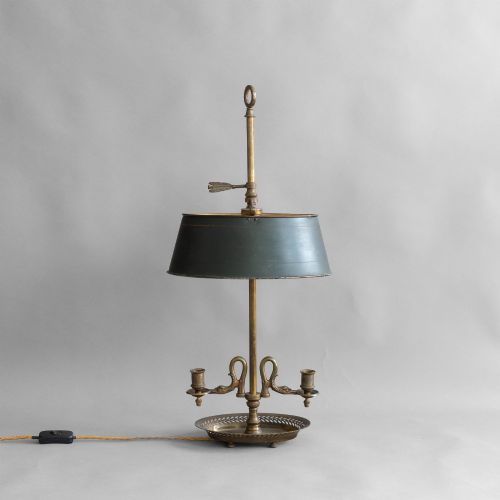
- An adjustable desk or table lamp with a central candle or bulb column and a characteristic metal shade. They originated in France for card games.
- Opaline Glass
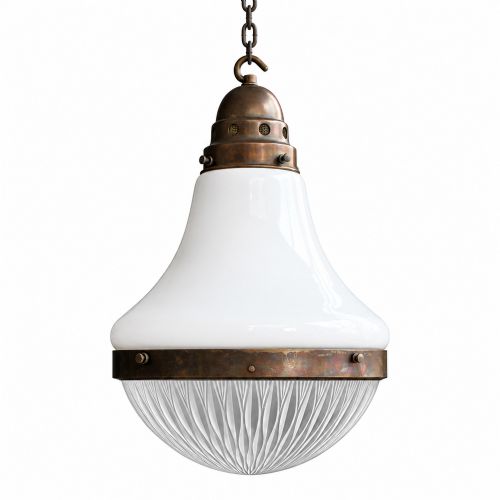
- An opaque, milky-white glass developed in the nineteenth century to diffuse light softly. It is commonly found on Edwardian and Victorian task lamps.
- Plafonnier
- A ceiling-mounted bowl light or pendant that sits close to the surface. These fixtures often employ cut glass or moulded crystal.
Antique Brass Lamp Shade: Frequently Asked Questions
How do I date an antique brass lamp?
Dating relies on examining the manufacturing techniques, switch types, collar designs, and associated glass shades. Victorian pieces often feature heavy cast brass bases and oil burners, while 1930s examples show geometric Art Deco influences or slip-shade configurations.
Changes in screw threads and wiring methods also help determine whether a piece originates from the nineteenth century or the Edwardian period.
Were these lamps originally electric?
Many lighting fixtures from the Victorian and Edwardian eras started as oil lamps, standard reading lamps, or candleholders before receiving later electrical conversions. Desk lamps and bouillotte styles often retained adjustable mechanisms designed for petroleum or candle fuel.
When evaluating these pieces, look for evidence of burner conversions or original weighted bases designed to support upright stems.
What glass colours are typical for these shades?
The inventory records significant use of cranberry, vaseline, opaline, amber, and green glass alongside clear cut crystal and white glass. Coloured glass served both an aesthetic purpose and a functional one by softening the glare of early light sources.
Shades also appear in painted toleware and leaded glass configurations, particularly on desk and ceiling fixtures from the late nineteenth and early twentieth centuries.
How do I clean antique brass safely?
Preserving the historical patina requires gentle dusting with a soft cloth rather than aggressive metal polishes that remove age-related oxidation. Harsh chemical cleaners can strip protective finishes and damage delicate surrounding glass components.
Glass shades can be washed separately in warm soapy water, provided they are thoroughly dried before being remounted onto the metal frame.