

Antique Brass Jewellery Casket
An antique brass jewellery casket holds small treasures securely, uniting utility with decorative metalwork.
Antique Brass Jewellery Casket
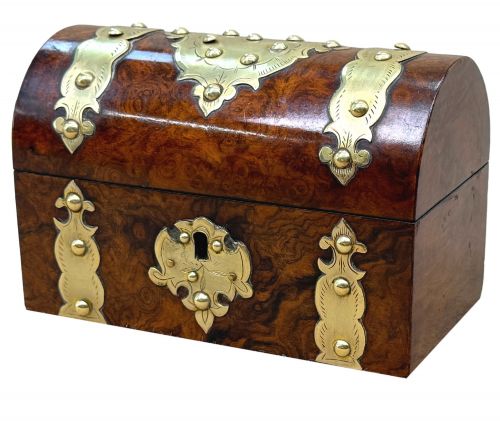
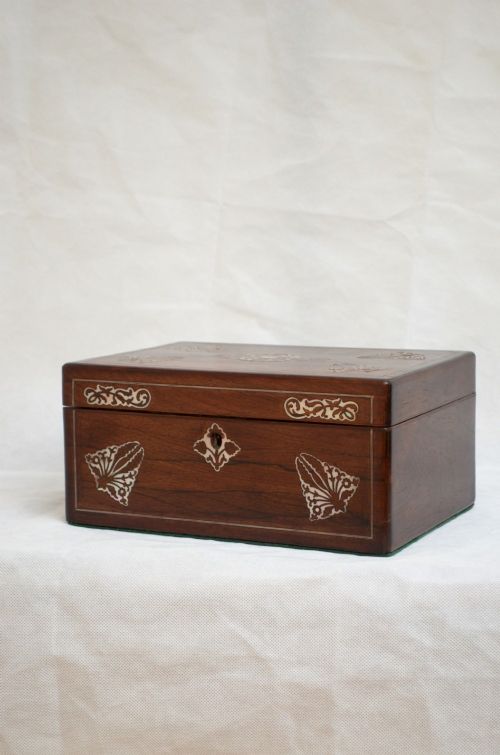
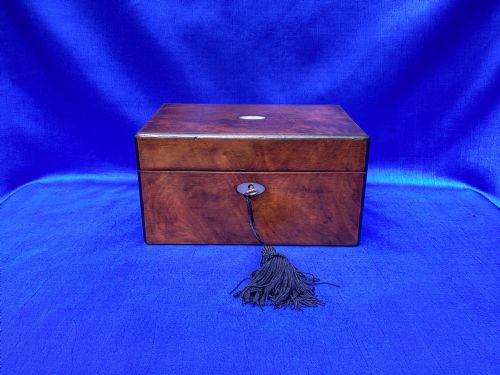
The antique brass jewellery casket encompasses small decorative containers designed to hold trinkets, rings and precious items. These pieces appear frequently across the nineteenth century, including Victorian, Regency and Georgian periods.
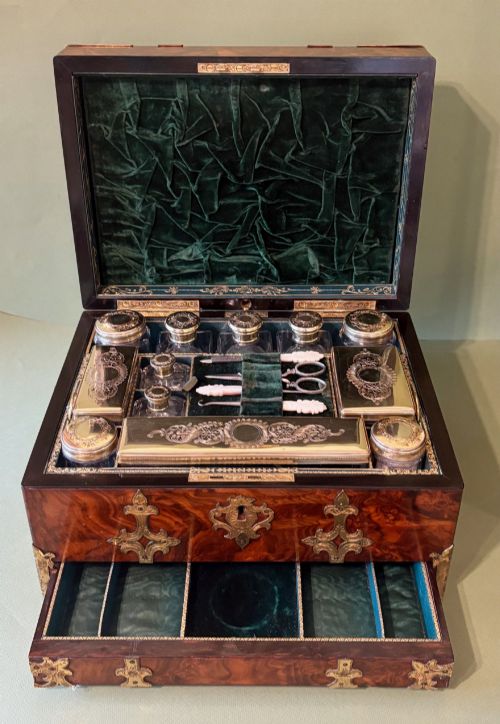
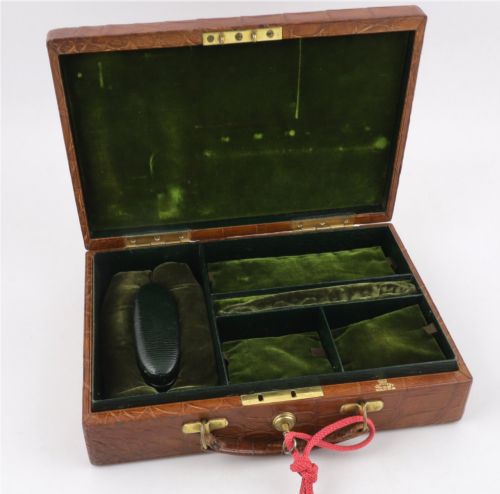
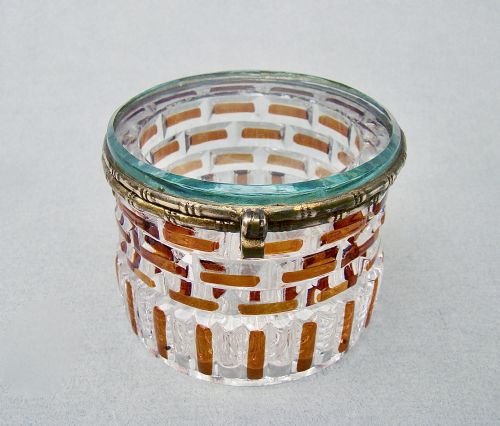
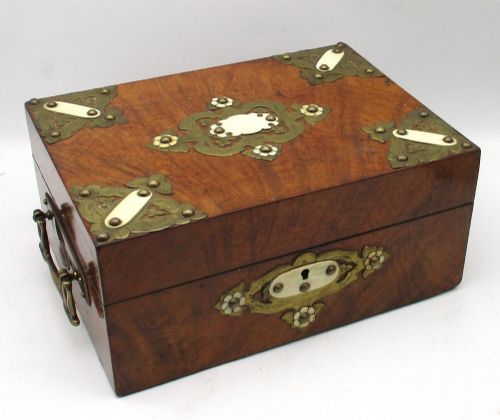
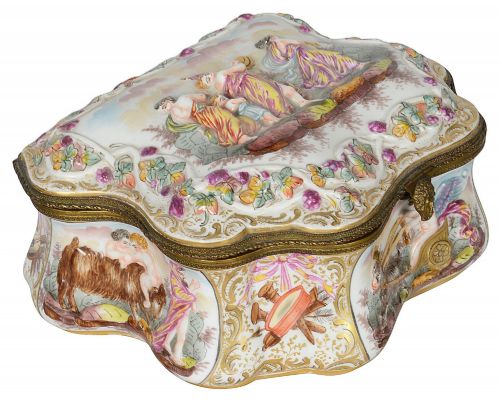
Forms span basic jewellery boxes, ornate trinket boxes and fitted caskets incorporating compartments for watches, cufflinks or sewing implements. Many examples integrate brass mounts, hinges and feet with primary bodies of wood, glass, porcelain or leather.
Origins range from English workshops to French makers and continental houses, reflecting diverse revival styles such as Rococo, Gothic and Art Nouveau.
How they were made
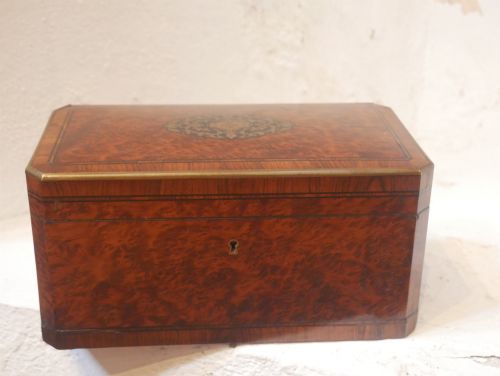
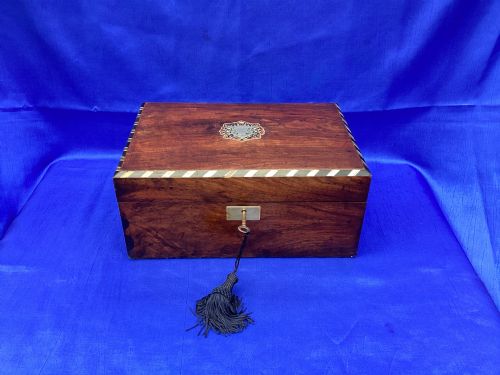
Construction combines metalwork with cabinetry, utilising cast or stamped brass frames, mounts and clasps applied to structural timbers like rosewood, mahogany, walnut and coromandel.
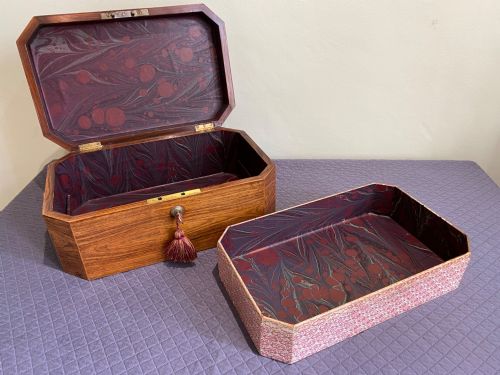
Interiors rely on velvet, silk or leather linings, often tailored with fitted trays and compartments for specific accessories.
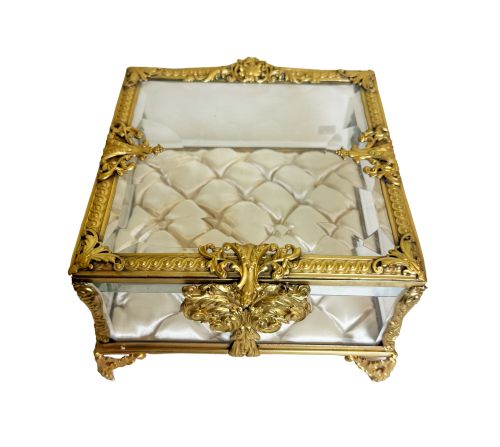
Specialist techniques include baccarat glass casting, porcelain panel insertion and leather binding with engraved brass detailing.
Listings feature eighteenth and nineteenth-century pieces spanning Georgian, Regency, Victorian and Art Nouveau periods.
What varies in quality
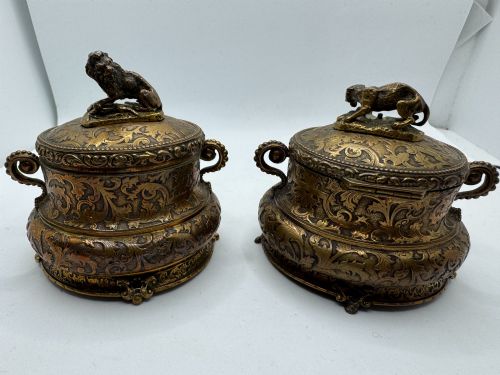
The sophistication of the metal casting and the crispness of chased or engraved brass ornamentation set individual pieces apart. Heavier, finely detailed mounts reflect superior craftsmanship compared to mass-produced stamped alternatives.
The choice of primary material dictates grade, with exotic hardwoods like coromandel and amboyna or hand-painted porcelain panels denoting higher status than plain timber.
Internal complexity also marks differences, separating simple lined boxes from fully fitted caskets containing integrated trays, secret drawers and specialised compartments.
Tahan Paris·J C Vickery·Erhard and Sohne
The Antique Brass Jewellery Casket Glossary
- Brass
- An alloy of copper and zinc forming the principal metallic component of these caskets. It provides structural mounts, hinges and decorative frames.
- Ormolu
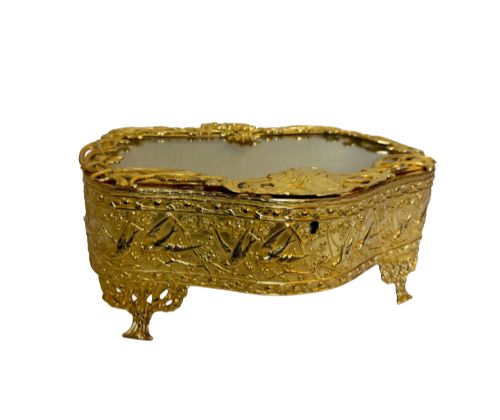
- Gilded bronze or brass applied to decorative objects. This technique creates a rich golden finish characteristic of French nineteenth-century pieces.
- Coromandel
- A dense, dark timber featuring striking contrasting grain patterns. Makers utilised this material for high-end nineteenth-century luxury boxes.
- Boulle
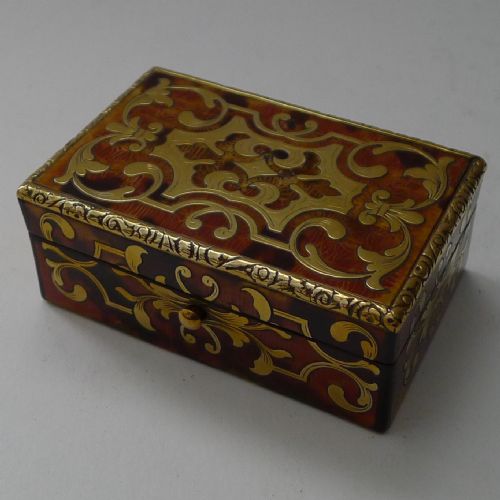
- Marquetry technique involving tortoise-shell and brass inlay developed in France. It appears on select decorative trinket boxes.
- Fitted interior
- An internal arrangement containing dedicated compartments, trays or velvet linings designed for specific items like watches or cufflinks.
Antique Brass Jewellery Casket: Frequently Asked Questions
What is an antique brass jewellery casket?
An antique brass jewellery casket is a small container featuring brass mounts, frames or construction, designed to store valuables during the eighteenth and nineteenth centuries.
These pieces range from simple wooden boxes with brass corners to elaborate cast bronze and glass caskets originating from French and English workshops.
How were jewellery caskets used?
Owners placed these caskets on dressing tables, desks or boudoirs to keep rings, brooches, watches and small keepsakes organised and secure.
Fitted interiors often included dedicated slots for cufflinks, sewing tools or glass scent bottles, serving personal grooming needs.
How do I date a jewellery casket?
Dating relies on combining stylistic clues with material evidence, such as Victorian mahogany frames, Regency leather bindings or Art Nouveau bronze motifs.
Maker marks, hinge types and internal lining styles further help narrow down the period of manufacture.
Are these caskets suitable for daily use?
Most antique caskets function well for holding modern jewellery provided the internal linings and hinges remain stable.
Delicate examples featuring glass panels or delicate porcelain require careful placement to prevent accidental impact.