




Antique Brass Icon
These antique brass icon pieces span centuries of devotional art, offering tangible history and spiritual focus for a collection.
Antique Brass Icon
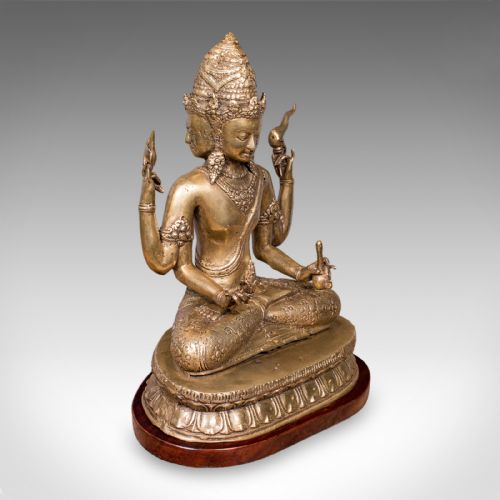
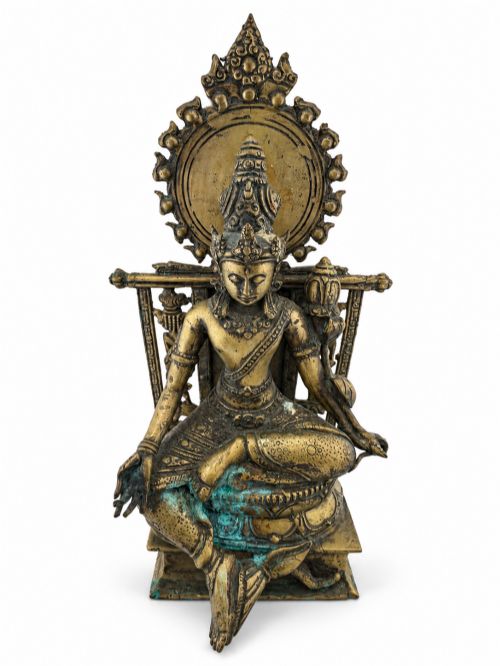
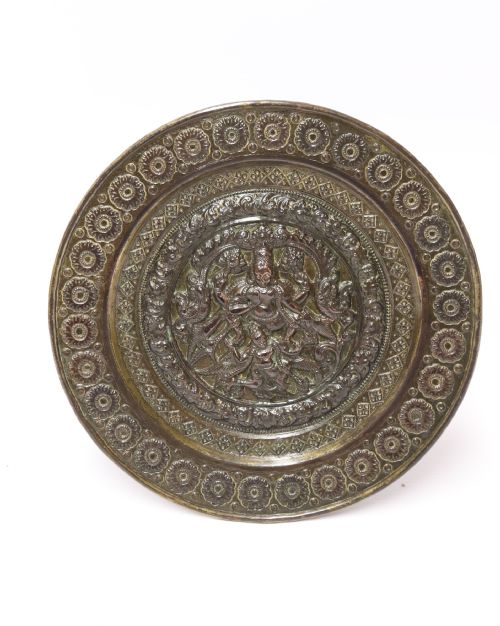
An antique brass icon encompasses a diverse array of devotional metalwork and religious art originating from different traditions across Europe and Asia. When searching for an antique brass icon, buyers encounter objects ranging from cast statuettes and wall art to intricate altar crosses and portable shrines.
The material record on this page shows pieces largely fashioned from brass, bronze, and copper alloy, frequently paired with wood, enamel, and precious metal inlays. Stylistic origins stretch from Russian Orthodox and Imperial Russian workshops to Tibetan, Indian, and Thai traditions.
Most examples discovered here date from the nineteenth century, though earlier items, including pre-sixteenth century Indian shrines, occasionally appear. These sacred objects serve as both historical artefacts and focal points for traditional worship.
How they were made
The construction of these devotional objects relies heavily on traditional metalcasting techniques, predominantly utilising cast brass and bronze to form durable figures and plaques. Artisans frequently employed copper and silver inlay to delineate intricate details upon the metal surfaces.
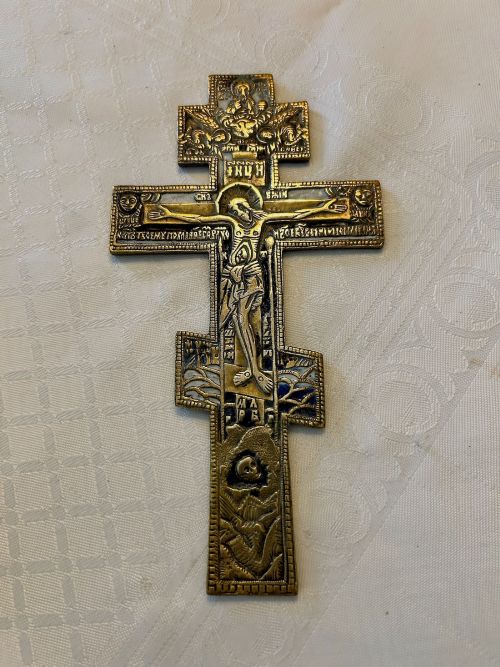
Many works incorporate organic materials such as wood panels to support painted icons or metal plaques, sometimes protected by metal oklads. Enamel work in blue and other shades adds vivid colour directly onto the bronze and brass surfaces of Orthodox crosses.
Finishing methods vary from polished solid bronze surfaces to gilded metals and painted oil panels set into frames. These combined techniques reflect regional craftsmanship handed down through generations of metalworkers and icon painters.
Listings feature items utilising brass, bronze, copper alloy, and silver, alongside wood and enamel.
What varies in quality
The preservation of applied elements, such as enamel work, painted wood panels, and protective oklads, significantly influences the integrity of the piece. Intricate detail work on early examples requires high levels of artisanal skill, separating standard devotional items from masterworks.
The Antique Brass Icon Glossary
- Orthodox Cross
- A specific multi-barred Christian cross associated with the traditions of the Eastern Orthodox Church. These often feature in cast metal variants.
- Green Tara
- A female Buddha and meditation deity in Tibetan Buddhism, frequently represented in Himalayan bronze shrines and statues. She embodies compassion and protective action.
- Plaquette
- A small flat plate or tablet of metal or wood used for decoration or devotion. They are often designed for hanging on walls or personal transport.
- Parshvanatha
- The twenty-third Jain Tirthankara, depicted in early brass and copper shrines. These representations often include intricate metal inlay work.
Antique Brass Icon: Frequently Asked Questions
How do I date a brass icon?
Dating relies on examining the casting techniques, wear patterns, and stylistic conventions associated with specific periods like the nineteenth century or earlier eras. Reference points include material composition, such as copper alloys, and accompanying wooden panel structures.
Changes in artistic style from Imperial Russian workshops to earlier traditions provide further clues for chronological placement. Comparing the piece with documented artefacts helps confirm its approximate age.
Where were these metal icons made?
The pieces originate from diverse regions, encompassing Russian Orthodox centres, Himalayan monastic traditions, and South Asian workshops. Each region utilised distinct materials like bronze, brass, enamel, and wood.
Geographic attribution is often revealed through the specific iconography, vestments, and religious symbolism cast or painted onto the object. Understanding the cultural context illuminates the primary function of the item.
What is an oklad?
An oklad is a metal cover attached to a painted wood panel icon, designed to protect the pigment beneath. These covers are frequently fashioned from brass, gilt metal, or silver.
Only specific areas like faces and hands remain visible through cutouts in the metal. This method simultaneously safeguards the artwork and enhances its visual splendour.
How should I care for bronze artifacts?
Bronze and brass items require stable environmental conditions away from excessive moisture and direct sunlight. Gentle dusting with a soft brush preserves the patination accumulated over centuries.
Harsh cleaning agents should be avoided because they strip away the historical surface finish. Maintaining consistent indoor humidity prevents corrosion on vulnerable alloy surfaces.