


Antique Brass Handle Pot
An antique brass handle pot brings sturdy metal utility into a room, spanning weighty Georgian cookware and Victorian planters.
Antique Brass Handle Pot
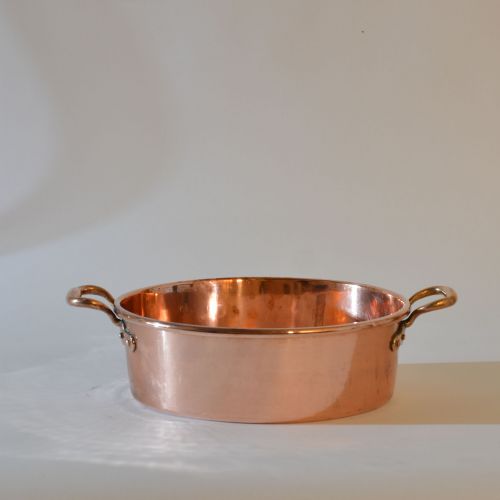
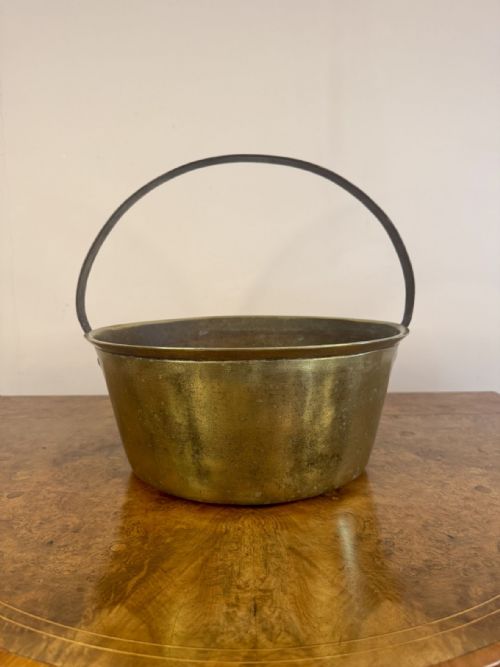
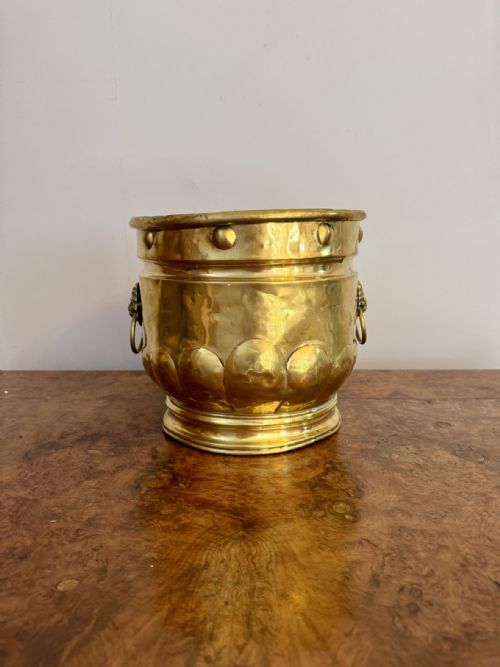
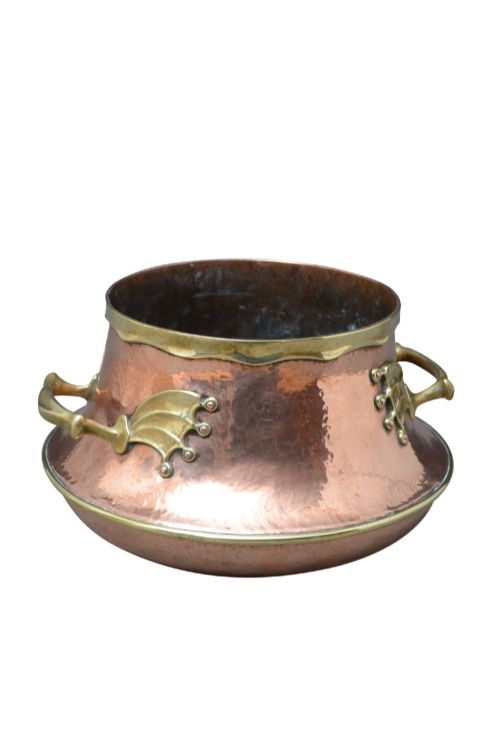
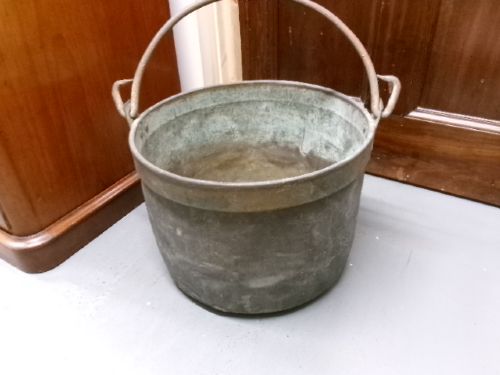
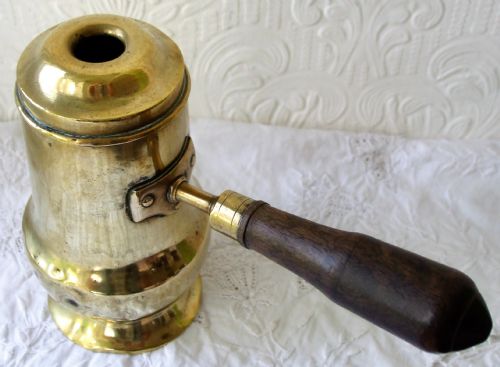
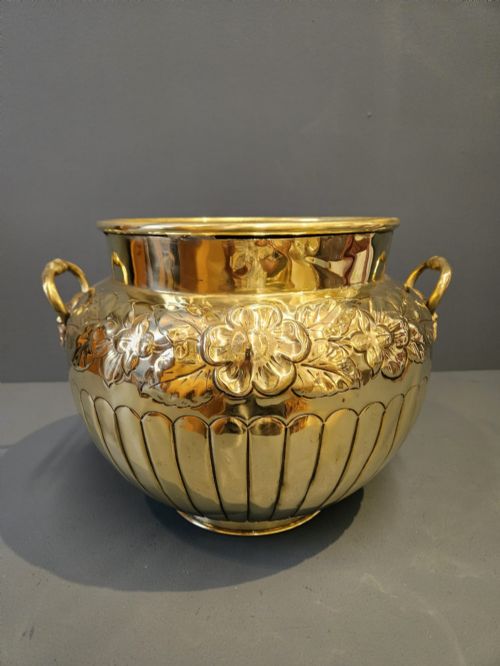
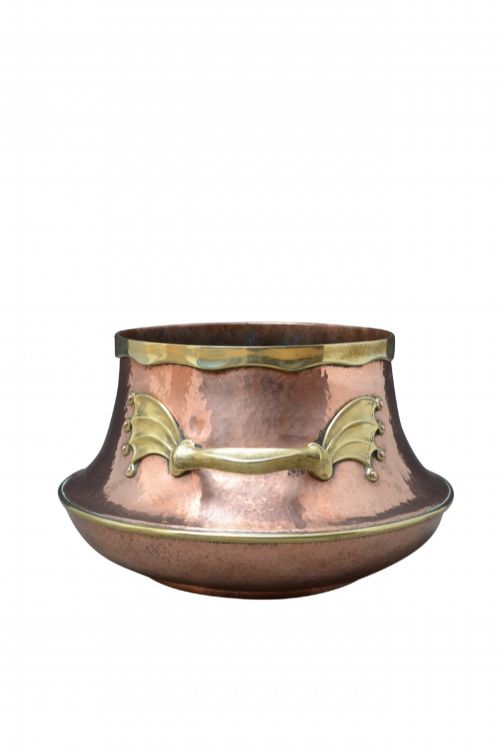
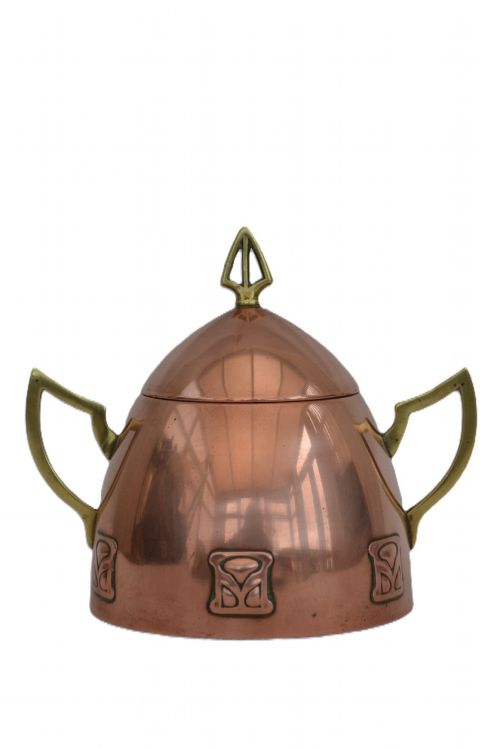
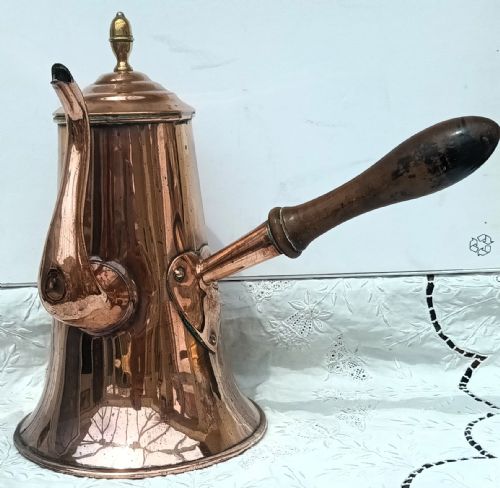
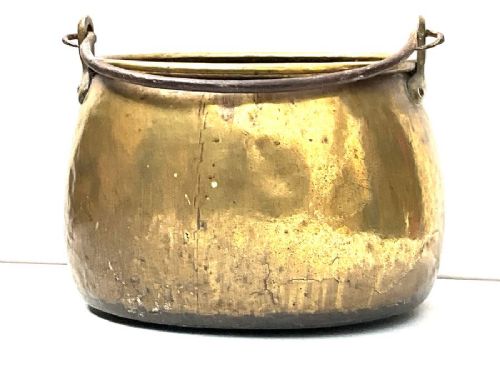
Forms range widely from large double-handled jam pans and cauldrons to decorative jardinieres, coal buckets, and occasional chocolate or coffee pots. Many items combine a warm copper body with contrasting brass handles, or feature solid cast brass construction designed for heavy daily service.
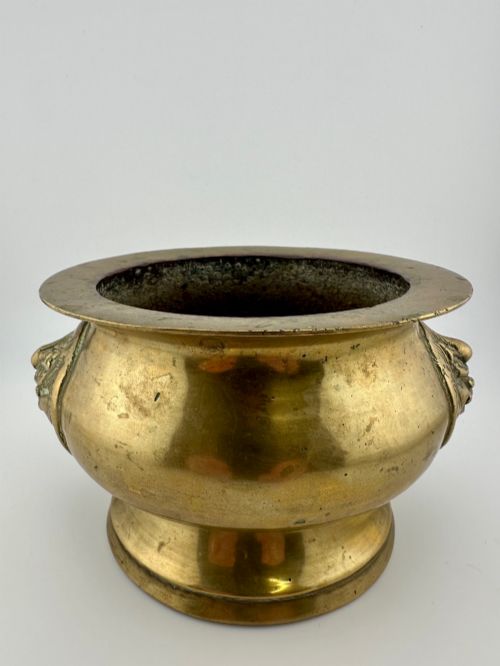
Origins stretch across English country houses, Continental workshops, and East Asian traditions, including Chinese bronze censers and Indian Raj period jardiniere vessels. Dating primarily spans the eighteenth through the early twentieth centuries, encompassing Gothic Revival and Arts and Crafts aesthetics.
Materials and construction methods
These vessels rely primarily on combinations of copper, brass, bronze, and iron, shaped through hammering, casting, and riveting. Sheet copper forms the bodies of preserve pans and kettles, while structural handles and mounts utilise cast brass or wrought iron.
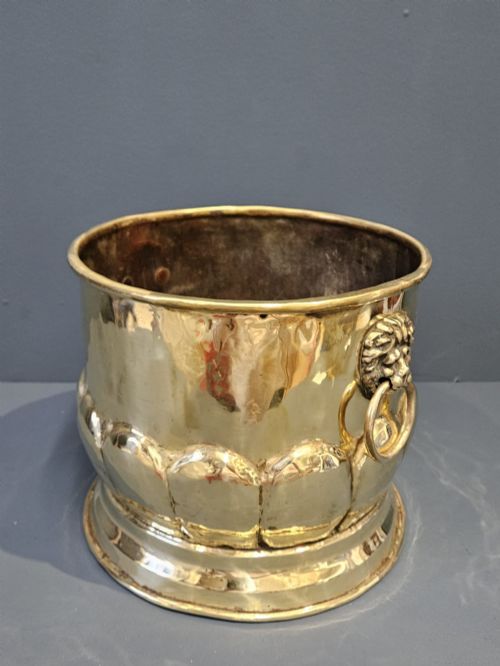
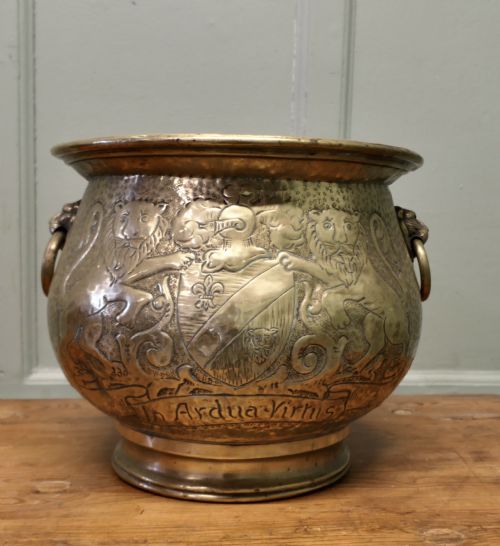
Joinery techniques reveal the period of manufacture, featuring dovetailed seams on older pans alongside hand-hammered surfaces and securely fixed brass mounts. Makers often incorporated swing handles, lion mask motifs, or shield details directly into the cast metal handles.
Antique Brass Handle Pot Retail Price Guide 2026
Typical asking prices for brass handle pot among the pieces listed under this phrase on Sellingantiques today, from the lower quarter to the upper quarter. They describe what is for sale here now, not the wider market.
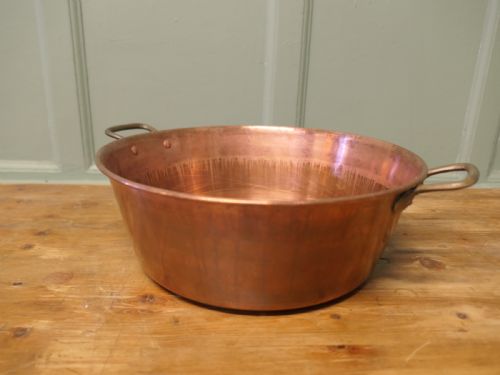
A sturdy copper pan once used for boiling jam can double as an unexpectedly handsome umbrella stand by the front door.
Assessing quality and craftsmanship
Quality rests upon metal thickness, heft, and the crispness of cast details on handles and decorative mounts. Superior pieces exhibit heavy gauge copper or brass that resists denting, coupled with securely fastened handles that bear the weight of the vessel without strain.
The finish of the metal also distinguishes better examples, where hand-beaten hammering marks show deliberate skill rather than crude alteration. Proportion and balance dictate the visual success of the piece, particularly in larger jardinieres and preserving pots.
William Soutter and Sons
The Antique Brass Handle Pot Glossary
- Jardiniere
- An ornamental pot or stand designed to hold growing plants or flowers. These vessels often appear in heavy brass or copper during the Victorian period.
- Preserve pan
- A wide, shallow cooking vessel used for making jams and fruit preserves. They typically feature heavy walls and strong metal loop handles.
- Censer
- A vessel intended for burning incense during rituals or ceremonies. Examples include cast bronze and brass pieces featuring intricate decorative handles.
- Cauldron
- A large metal pot with a rounded base and a swing handle, traditionally used over an open hearth. Older continental pieces often display significant casting weight.
Antique Brass Handle Pot: Frequently Asked Questions
What were these pots used for?
Many of these vessels served practical domestic roles in the kitchen, from boiling water in kettles to simmering large batches of fruit in preserving pans.
Others held coal by the hearth or acted as decorative plant containers within Victorian and Georgian interiors.
How do I clean brass and copper?
Routine dusting and gentle washing with warm soapy water preserve the natural metal surfaces and darker historic patinas.
Avoid harsh chemical abrasives that strip away the aged character accumulated over centuries of use.
How can I tell Georgian pieces apart?
Georgian items often display simpler, utilitarian lines with hand-beaten surfaces and dovetailed joints characteristic of eighteenth-century workshop production.
Later Victorian variations frequently introduce more ornate casting, such as lion mask handles or Gothic revival shields.
Where should I place a jardiniere?
Jardinieres suit hearths, hallways, or reception rooms when filled with dried botanicals, logs, or potted plants.
Their substantial metal construction anchors a room visually and brings a warm, reflective surface to empty corners.