

Antique Brass Guard
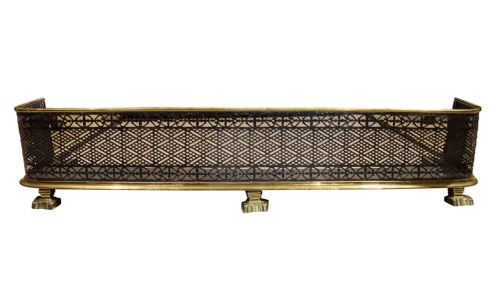
An antique brass guard stands before a hearth, combining heavy cast metal with intricate mesh or folding panels to manage embers and warmth.
Antique Brass Guard
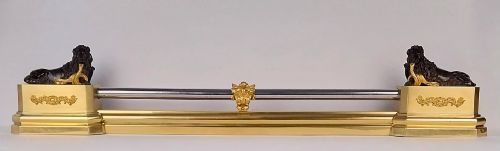
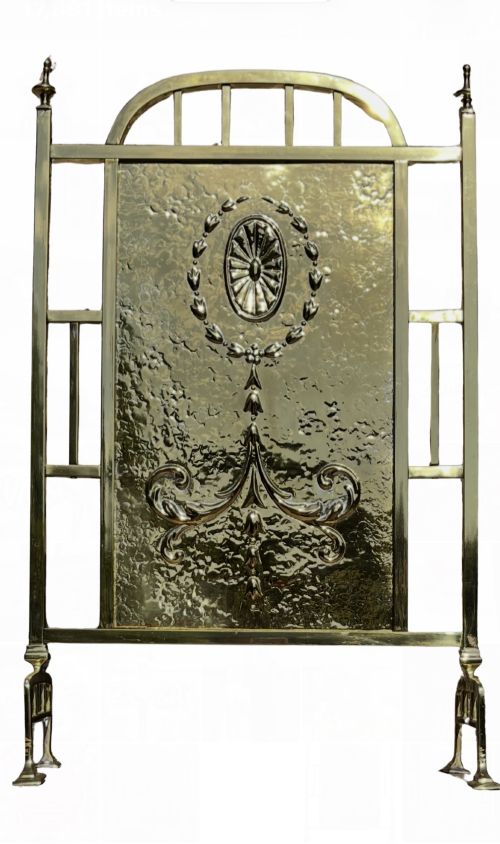
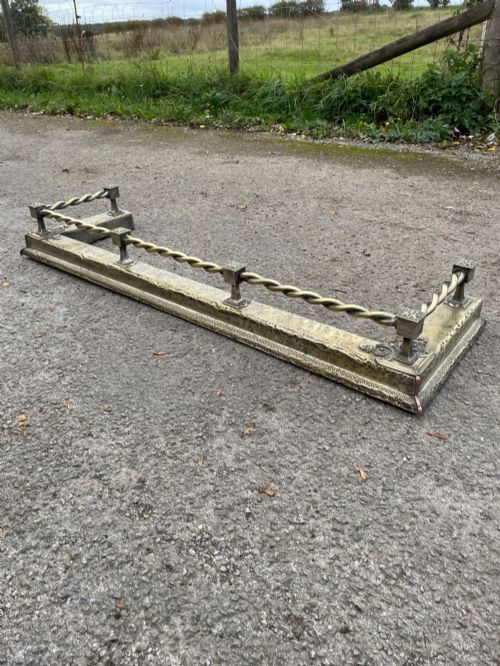
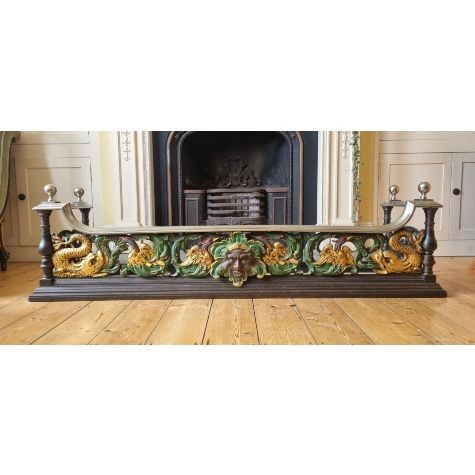
When searching for an antique brass guard, buyers encounter a selection of heavy hearth furniture and fireplace accessories designed to protect interiors from sparks and ash. These items divide broadly into protective fireguards, folding screens, and substantial floor-standing fenders that frame the fireplace opening.
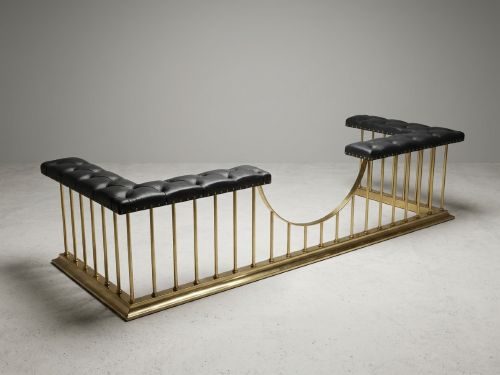
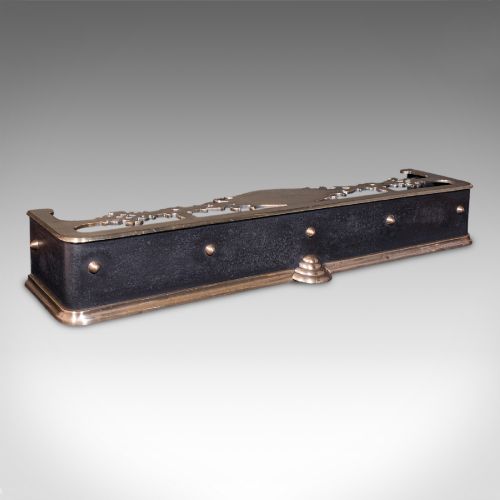
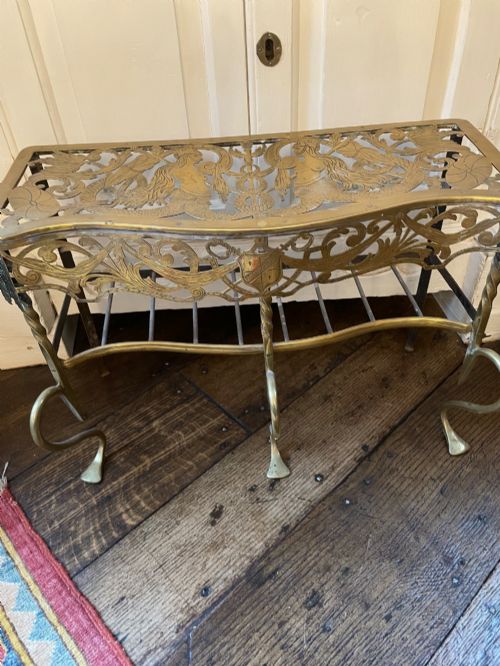
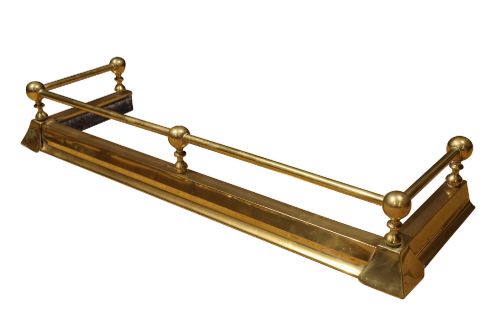
The pieces present on this page originate predominantly from the Victorian and Regency periods, alongside later nineteenth-century examples. Common formats include folding peacock fan screens, pierced brass kerbs, and low metal barriers sometimes paired with leather seats.
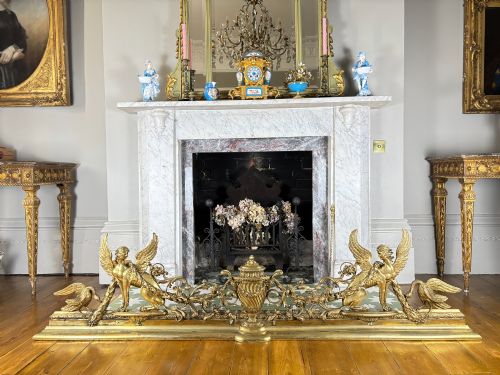
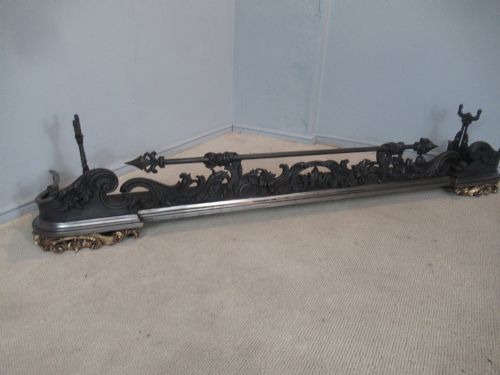
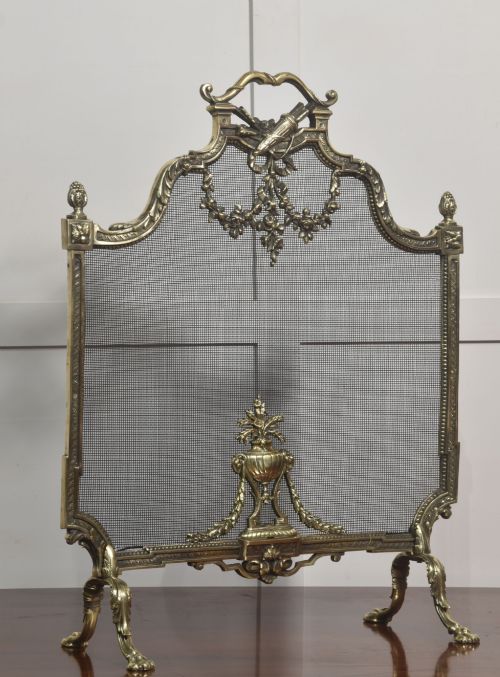
Origins vary between English workshops and continental makers, particularly French manufacturers producing ornate gilt bronze and rococo revival designs. Simple wire mesh guards appear alongside elaborately chased and embossed decorative screens intended to dominate the chimney breast during warmer months.
What varies in quality
Distinctions in quality rest upon the weight and thickness of the brass casting, the crispness of the chased or pierced ornamentation, and the integrity of structural joints. Fine examples display deep relief work and substantial gauge metal rather than thin pressed sheet.
The caliber of secondary materials such as cut steel fittings, original fire irons, or integrated leather upholstery alters the character and execution of a piece. Better specimens maintain mechanical precision in extending fenders and smooth operation in folding screen leaves.
Antique Brass Guard Retail Price Guide 2026
Typical asking prices for brass guard among the pieces listed under this phrase on Sellingantiques today, from the lower quarter to the upper quarter. They describe what is for sale here now, not the wider market.
Amidst the hearth furnishings sits a military trench watch equipped with a protective shrapnel guard.
Bouhon Frères·E F Caldwell New York
The Antique Brass Guard Glossary
- Fire guard
- A metal barrier placed in front of an open fire to contain sparks and flying embers. These take the form of rigid mesh frames or folding panels.
- Fender
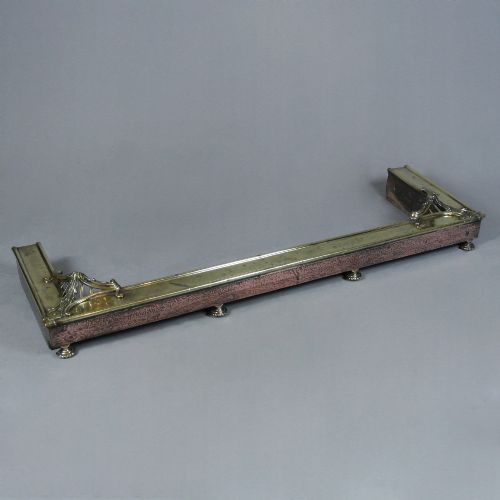
- A low metal kerb enclosing the hearth area to keep coal and ash contained within the fireplace perimeter. Some period variations include upholstered seating pads.
- Gilt bronze
- Metal alloy coated with a thin layer of gold, frequently utilised in nineteenth-century French decorative fireplace screens. This technique produces a rich metallic lustre.
- Peacock screen
- A folding screen composed of overlapping brass blades that fan out to resemble a tail. They fold flat when the hearth is in use.
- Pierced brass
- Sheet metal perforated with decorative patterns using saws or punches. This method lightens the visual weight of heavy hearth guards while allowing heat to pass.
Antique Brass Guard: Frequently Asked Questions
What is a club fender?
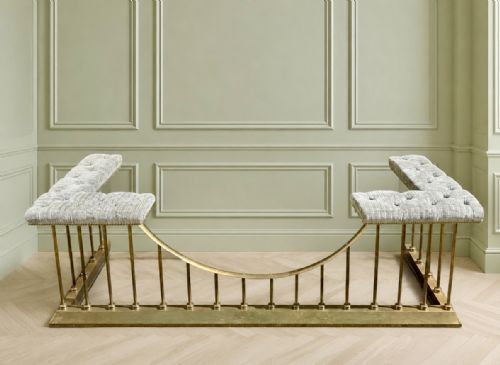
A club fender is a low hearth surround featuring padded leather top rails designed for seating by the fire.
These substantial brass or iron frames allow individuals to sit close to the warmth while keeping sparks contained.
How do I date a brass fire screen?
Dating relies on stylistic indicators such as heavy Victorian casting, neoclassical symmetry, or the distinct geometric lines typical of later movements.
Construction methods, including hand-chased detailing versus machine stamping, also point toward specific nineteenth-century decades.
Can I use an antique guard with an active fire?
Many sturdy brass and iron frames tolerate heat well, though delicate folding fans or screens with fabric and paper elements suit decorative purposes.
Wire mesh panels and heavy fenders function reliably to catch embers during active fires.
What distinguishes French brass screens?
French pieces often display ornate rococo revival curves, gilt bronze surfaces, and elaborate floral or torch motifs.
English equivalents tend toward simpler pierced brass designs, steel combinations, and utilitarian club configurations.