
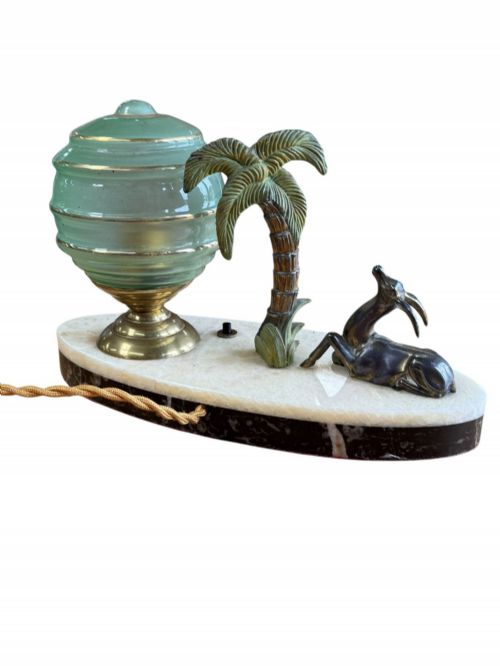
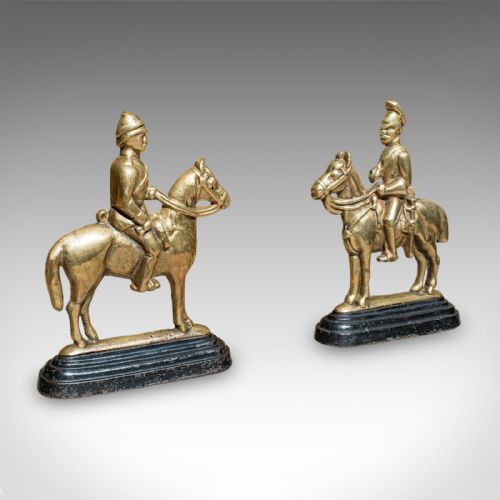
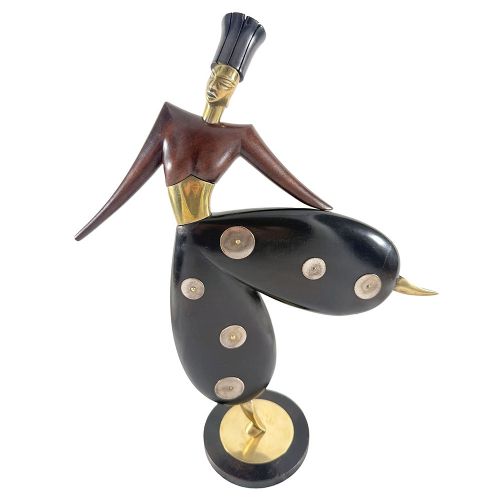

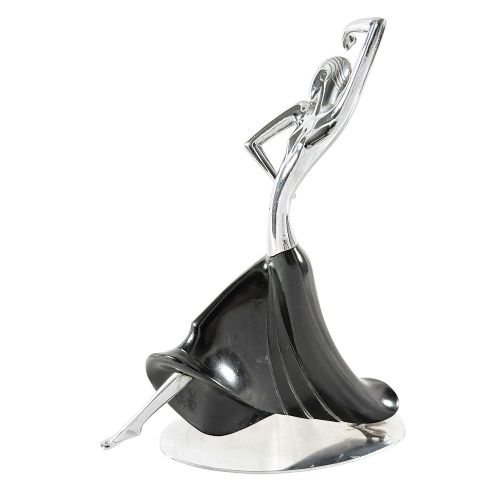

Antique Brass Figurine
An antique brass figurine brings weight, character and decorative detail to a room, ranging from utilitarian doorstops to cabinet bronzes.
Antique Brass Figurine
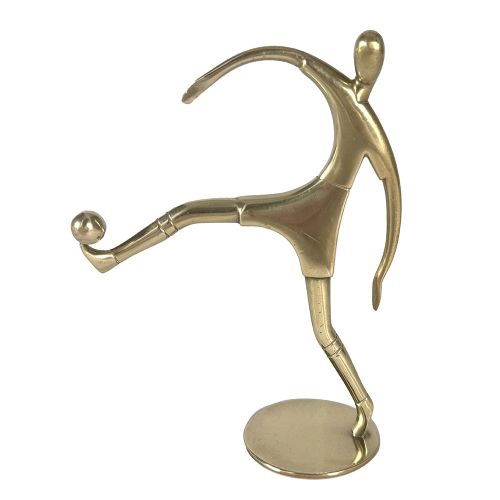
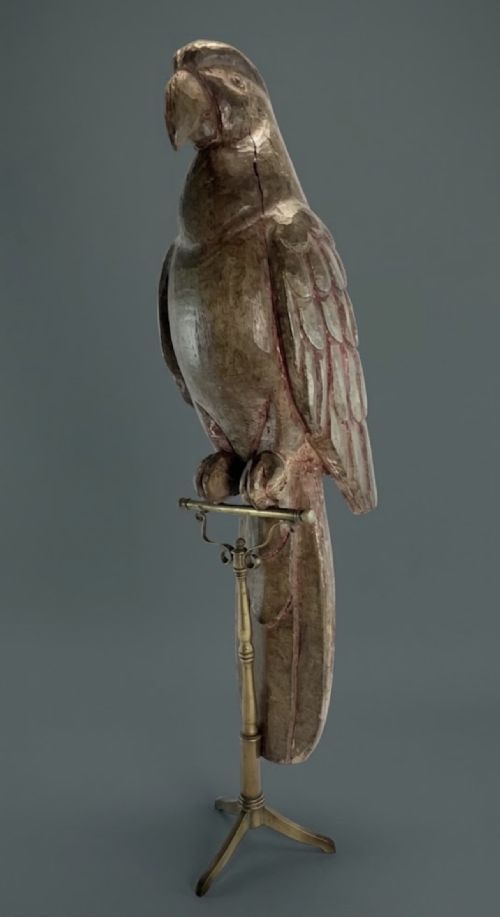
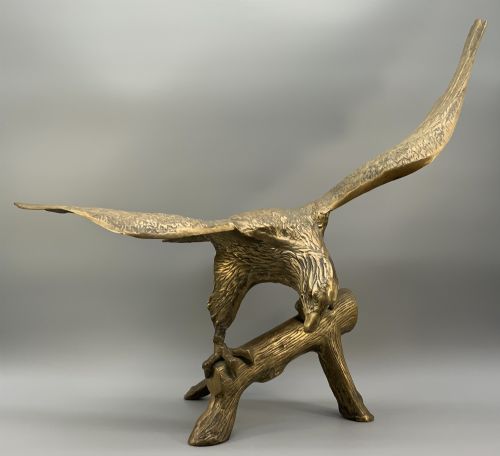
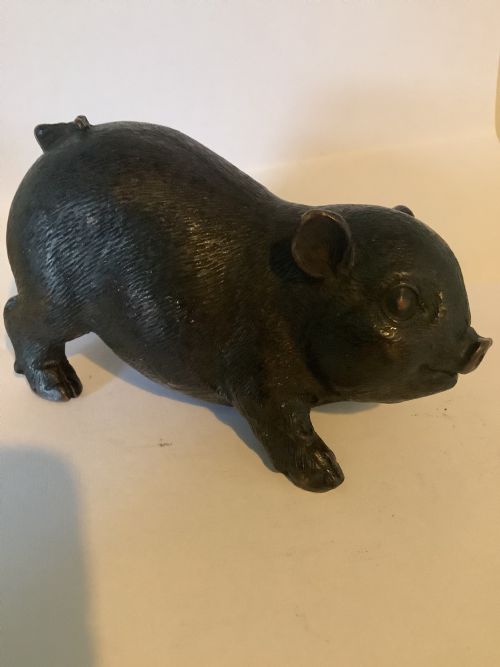
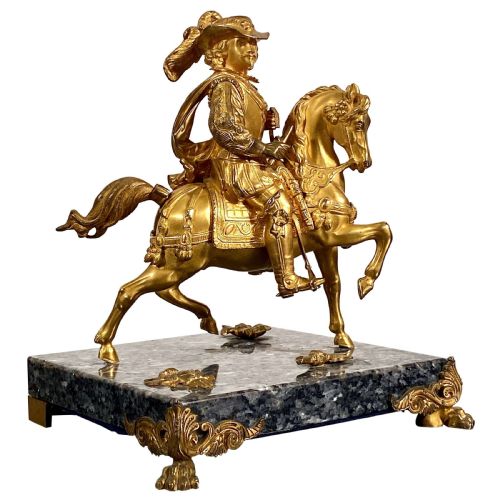
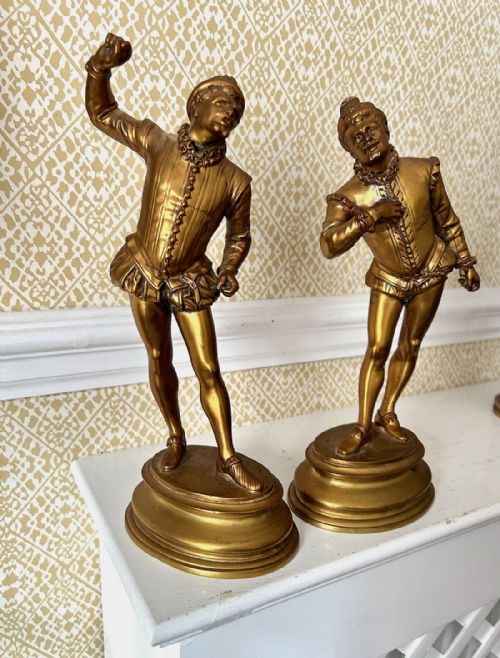
An antique brass figurine encompasses small cast metal sculptures, utilitarian animal doorstops, and decorative mantel ornaments produced across the nineteenth and early twentieth centuries. These pieces reflect domestic tastes ranging from utilitarian equestrian subjects to neoclassical figures and portrait subjects.
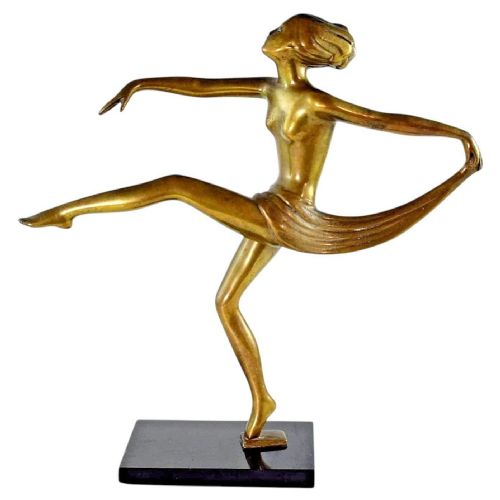
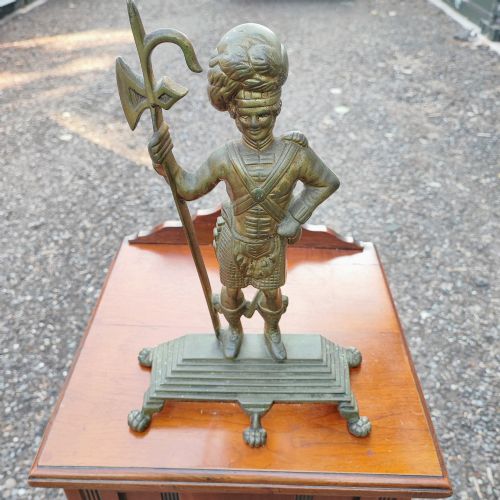
The versions most commonly met on this page include Victorian animal figures, heavy brass horse doorstops, and continental cast metal figures from the Edwardian and Art Deco eras. Makers utilised the durability of brass and bronze to create works that doubled as desk accessories, mantel ornaments, and fireside ornaments.
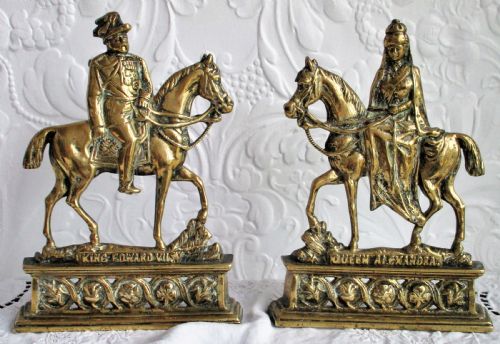
Collectors encounter diverse cultural origins within this category, including English equestrian groups, Indian decorative bronzes, Chinese animal figures, and French gilt-bronze statuary. Each regional tradition imparts distinct casting methods and finishing details onto the metal.
How they were made
Post-casting finishing involved filing, chasing, and polishing the metal surfaces to highlight contours and define details. Many pieces received secondary surface treatments such as gilding, silver plating, or patination to alter the colour and lustre of the brass or bronze.
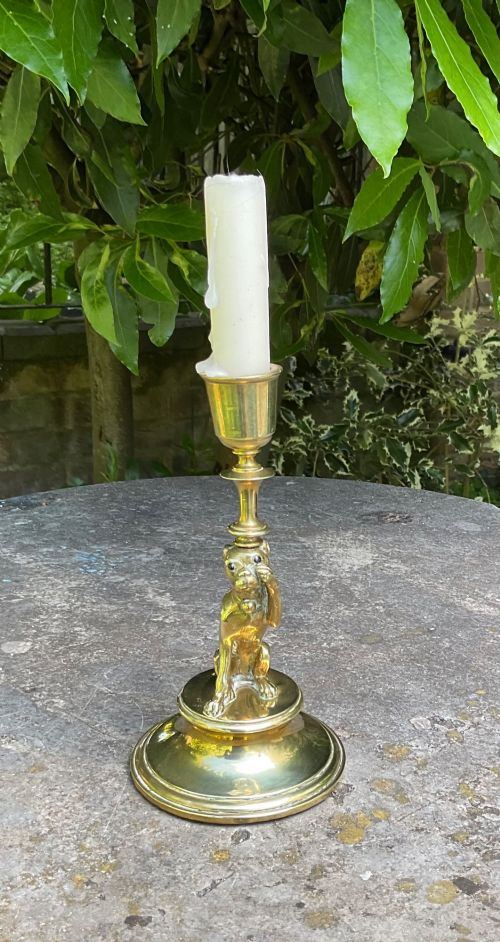
Nineteenth-century foundry workers occasionally cast domestic pets and farmyard animals with surprisingly solemn human expressions.
What varies in quality
Proportion and stance dictate the visual success of figurative metalwork, with superior examples demonstrating balanced weight and anatomical accuracy. The integrity of the original metal alloy and the depth of the surviving surface patina also elevate the visual presence of a piece.
Josef Lorenzl·Anton Buschelberger·Karl Ens·Emile-Coriolan Guillemin·Baetens London·Cherrier
The Antique Brass Figurine Glossary
- Patina
- The surface sheen and colour acquired by metal through age, handling, and oxidation over decades. This thin layer of atmospheric change distinguishes genuine antique bronze and brass from newly manufactured items.
- Chasing
- The manual tooling of a metal surface with punches and hammers after casting to sharpen details and remove blemishes. Skilled chasing transforms a rough cast metal blank into a crisp portrait or animal figure.
- Ormolu
- Gilded bronze produced by applying a mercury-gold amalgam to a bronze base and heating it to vaporise the mercury. This technique creates a rich golden finish seen on nineteenth-century decorative ornaments and clock mounts.
- Lost-wax casting
- A method where a wax model is encased in clay, melted out, and replaced with molten metal. This ancient technique allows for highly intricate undercuts and delicate sculptural forms.
Antique Brass Figurine: Frequently Asked Questions
What is an antique brass figurine used for?
These metal sculptures served various domestic roles, functioning as mantel ornaments, desk accessories, and decorative chimney pieces in nineteenth-century homes. Many heavier examples doubled as practical items like doorstops, bookends, and companion sets.
Over time, collectors transitioned these functional items into purely decorative cabinet pieces. Their enduring durability allows them to remain tactile focal points in modern interiors.
How do I care for antique brass?
Maintenance requires minimal intervention to preserve the historic surface and chemical finish built up over generations. Dusting with a soft, dry cloth prevents particulate accumulation without disturbing the metal.
Avoid aggressive metal polishes that strip away the natural dark oxidation and tonal variations accumulated over centuries. Leaving the surface untouched protects the integrity and character of the antique metal.
How can I tell the age of a brass figurine?
Dating relies on examining casting seams, tool marks, and the specific style of the subject matter. Nineteenth-century pieces often display hand-filed surfaces and heavier sand-cast construction compared to later twentieth-century production.
Contextual clues such as associated wooden bases, marble plinths, or registration marks further narrow down the manufacturing era. Comparing stylistic traits with documented examples helps establish a reliable timeline.
Are brass and bronze figurines different?
Brass is an alloy primarily composed of copper and zinc, whilst bronze consists mainly of copper combined with tin. Bronze typically yields a richer, warmer reddish-brown tone when patinated, whereas brass leans towards a brighter yellow hue.
Foundries used both metals interchangeably for figurative sculpture depending on availability and desired finish. Makers frequently applied surface patination or gilding to disguise the underlying metal composition.