





Antique Brass Entryway Stand
An antique brass entryway stand is a practical piece of hall furniture that organises walking sticks, umbrellas and coats with period character.
Antique Brass Entryway Stand
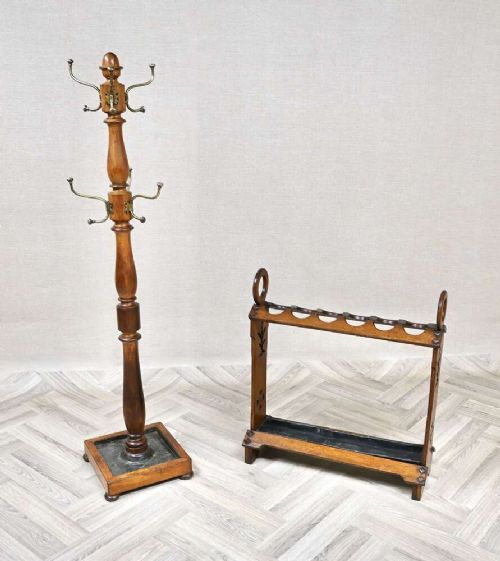
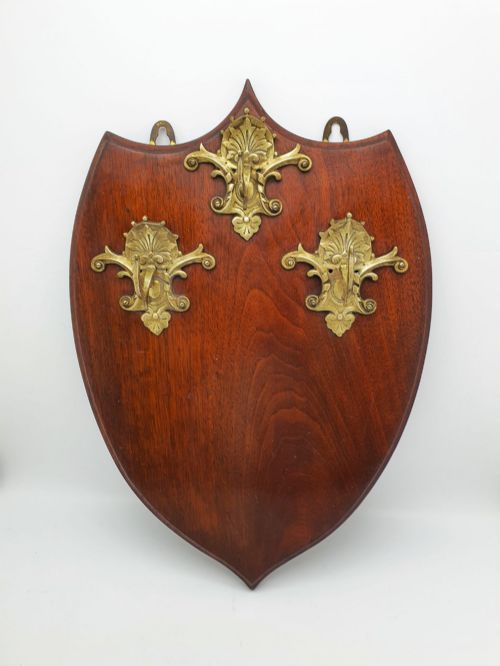
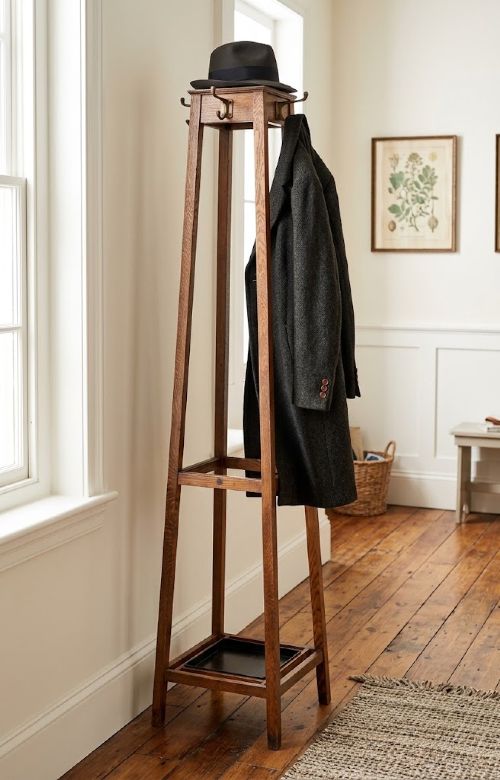
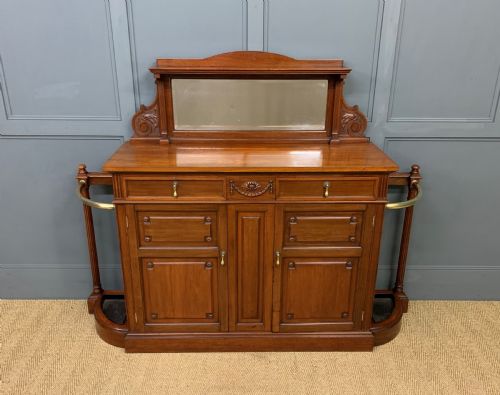
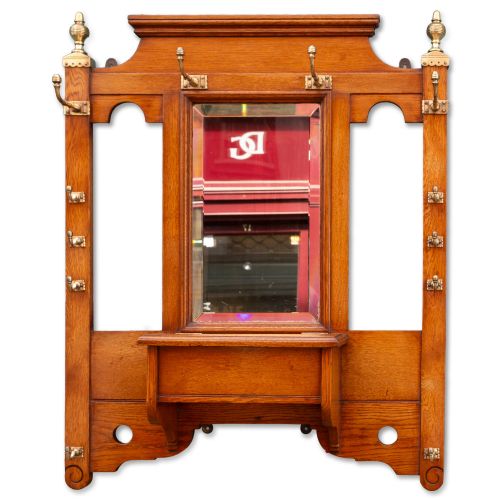
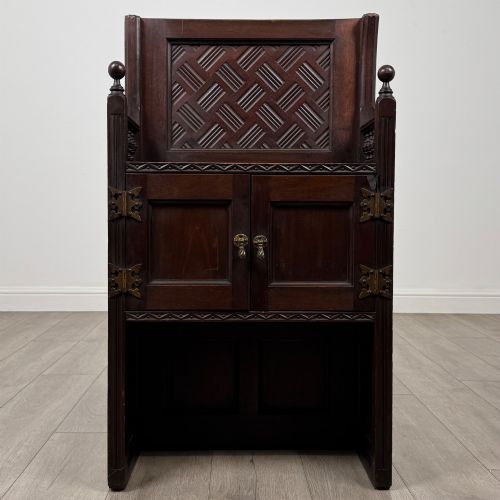
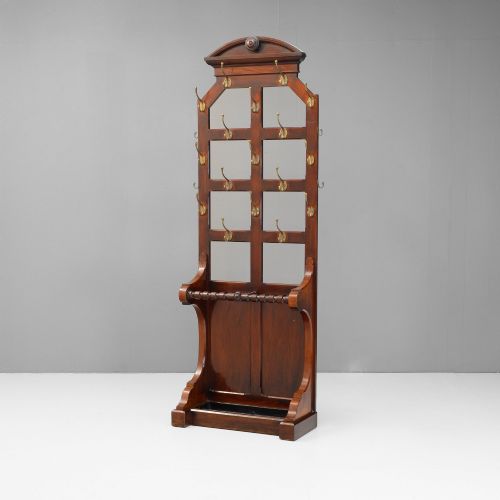
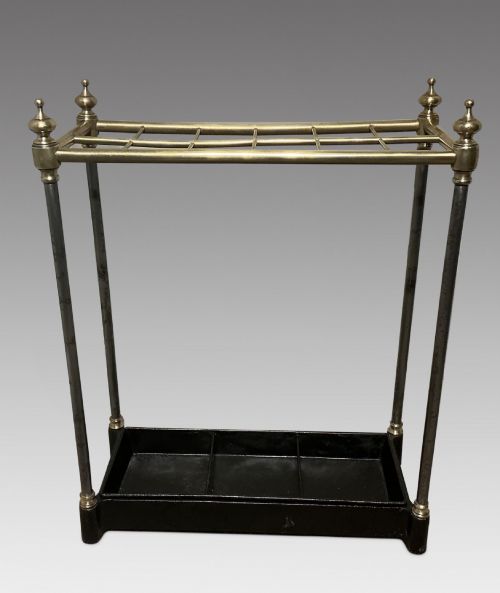
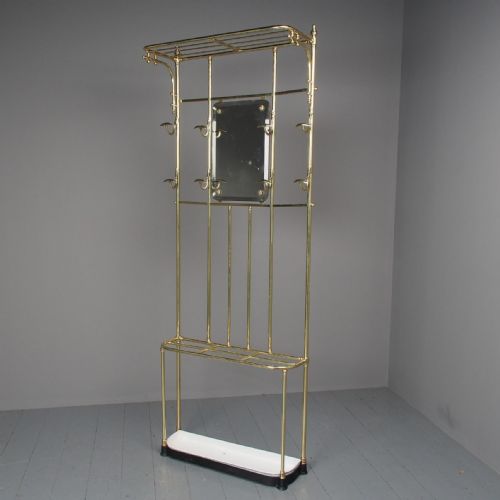
When you search for an antique brass entryway stand, you encounter pieces designed to furnish entrance halls and vestibules from the nineteenth and early twentieth centuries. These furnishings range from standalone umbrella and stick stands to comprehensive hall stands incorporating coat hooks, mirrors and seats.
The versions most frequently met on this page combine brass with timbers such as oak and walnut, or pair brass with cast iron for heavy domestic use. They span periods from the Victorian era and the Edwardian years through to the early twentieth century.
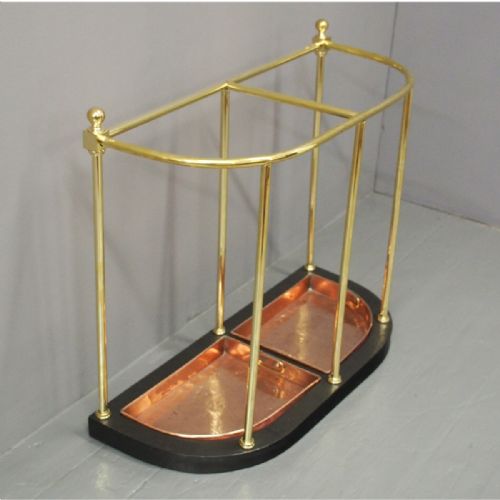
Makers and workshops of the period produced these stands in various configurations, including demi-lune designs, corner units and twelve-division frames. They serve the traditional domestic purpose of receiving wet umbrellas and outdoor garments upon entry.
How they were made
Makers constructed these entryway stands using a combination of cast and sheet brass alongside solid hardwoods like oak, walnut and mahogany. Cast iron and steel also appear in structural frames and weighted bases to provide stability for heavy walking sticks and umbrellas.
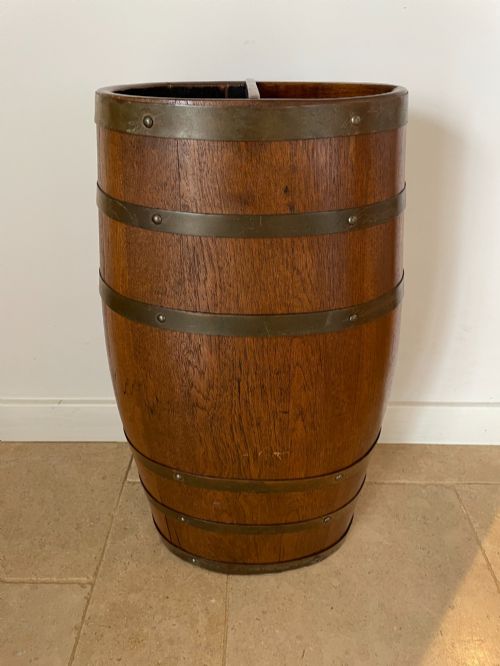
Carpentry techniques included coopered construction for wooden barrel-style umbrella stands, where individual staves of oak are bound together. Brass components were cast, polished and sometimes combined with boxwood details or glass elements depending on the specific style of the piece.
Antique Brass Entryway Stand Retail Price Guide 2026
Typical asking prices for brass entryway stand among the pieces listed under this phrase on Sellingantiques today, from the lower quarter to the upper quarter. They describe what is for sale here now, not the wider market.
Golf enthusiasts can house their walking equipment in a stick stand originally made for the Honourable Company of Edinburgh Golfers.
What varies in quality
The distinction between standard production and superior manufacture lies in the weight and thickness of the brass components and the selection of timber. Heavy gauge brass and densely grained golden oak or walnut indicate a higher standard of construction.
Design complexity and maker attribution also separate pieces, such as those originating from established firms like Shoolbred and Co. or specific institutions, compared to anonymous workshop output. The integrity of original joinery and the retention of fitted drip pans further distinguish the better examples.
Shoolbred and Co.·Honourable Company of Edinburgh Golfers
The Antique Brass Entryway Stand Glossary
- Demi Lune
- A half-moon or semicircular shape often seen in the design of umbrella stands intended to sit flush against a hallway wall.
- Coopered
- A method of construction where curved wooden staves are joined side by side to form a cylindrical vessel, similar to barrel-making.
- Hallstand
- A large piece of entryway furniture combining various domestic functions such as coat hooks, a hat rack, a mirror, and umbrella storage.
- Cast Iron
- A robust iron alloy poured into moulds to create heavy, decorative bases and frames that anchor freestanding umbrella stands.
Antique Brass Entryway Stand: Frequently Asked Questions
What periods do these hall stands come from?
The pieces listed span the nineteenth century, the Victorian era, the Edwardian period and the early decades of the twentieth century. Dating is determined by stylistic indicators, materials and documented construction methods typical of those decades.
Craftsmanship evolved from ornate Victorian Gothic Revival and French Empire influences toward simpler Arts and Crafts and early twentieth-century utility as domestic architectural tastes shifted.
How were brass umbrella stands used historically?
Households placed these stands in entrance halls, vestibules and corridors to hold wet umbrellas, parasols and walking sticks upon arrival. They protected interior wooden flooring from moisture and kept outdoor accessories readily accessible.
Many incorporated dedicated metal drip pans at the base to catch rainwater, which servants would empty and dry as part of daily hallway maintenance.
How do I care for antique brass and oak?
Maintain the timber surfaces with appropriate wax polish applied sparingly to nourish the grain of the oak or walnut. Avoid excessive moisture on the wood, particularly near the base where umbrellas are stored.
Clean the brass components with a soft cloth, avoiding harsh chemical cleaners that strip the historic patina accumulated over decades of domestic use.
Are these stands suitable for modern hallways?
These entryway stands function effectively in contemporary homes by providing vertical storage for umbrellas and walking sticks without occupying excessive floor space. Their mixed media construction of warm timber and polished brass complements traditional and modern interior schemes alike.
Freestanding designs require no permanent wall installation, making them adaptable for placement in porches, boot rooms and entrance lobbies.