

Antique Brass Dial Timepiece
An antique brass dial timepiece brings heavy cast metal framing and enamel numerals together into domestic or station spaces.
Antique Brass Dial Timepiece
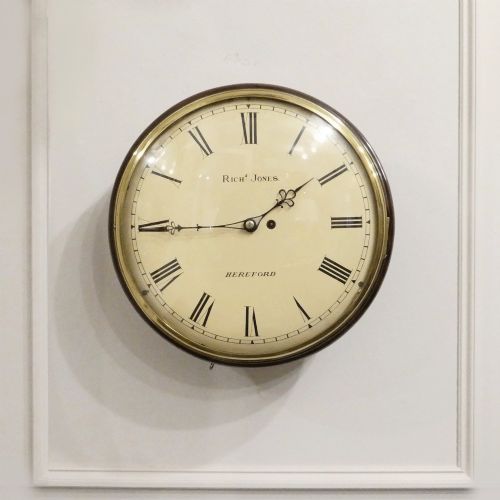
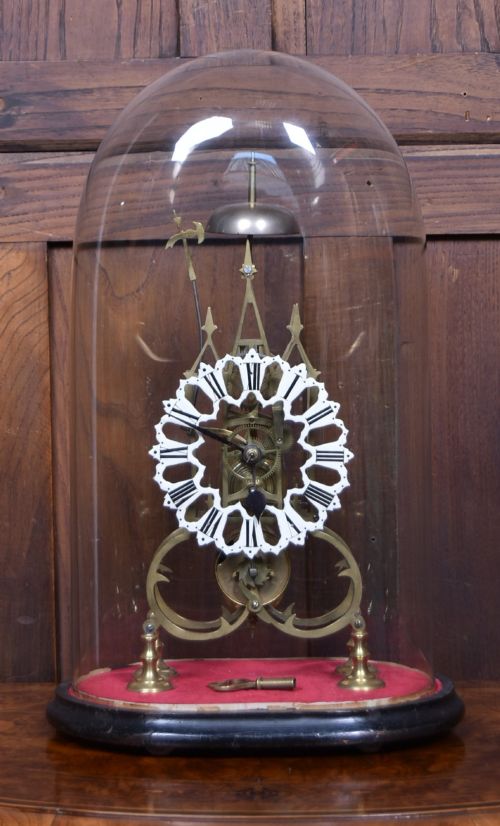
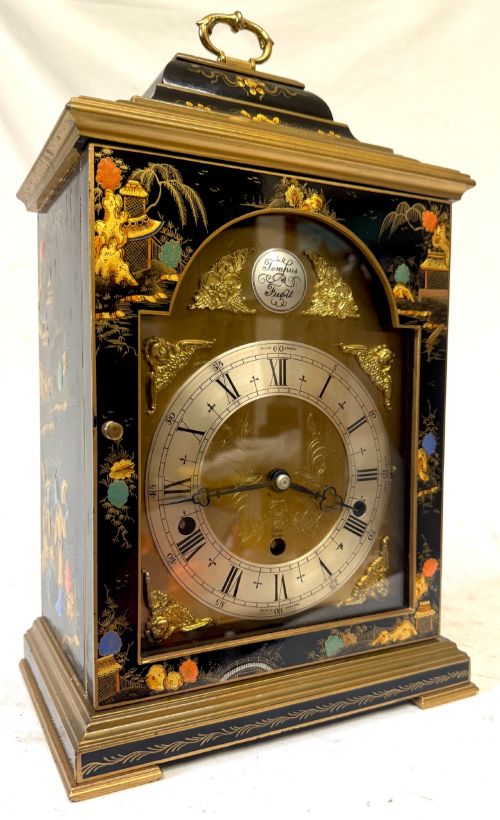
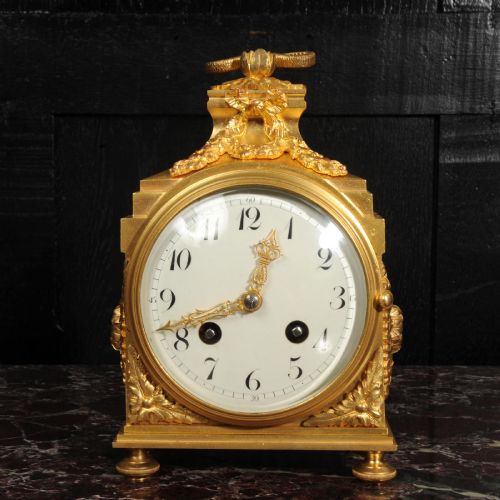
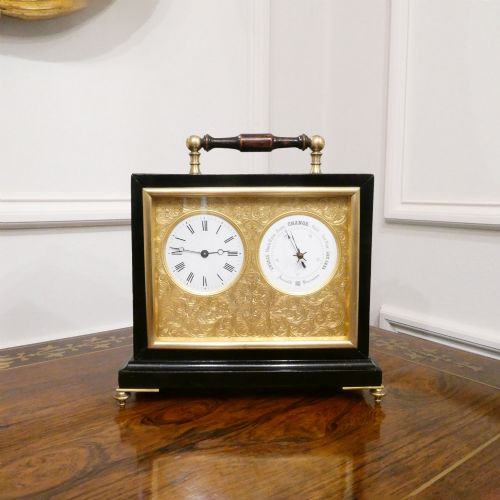
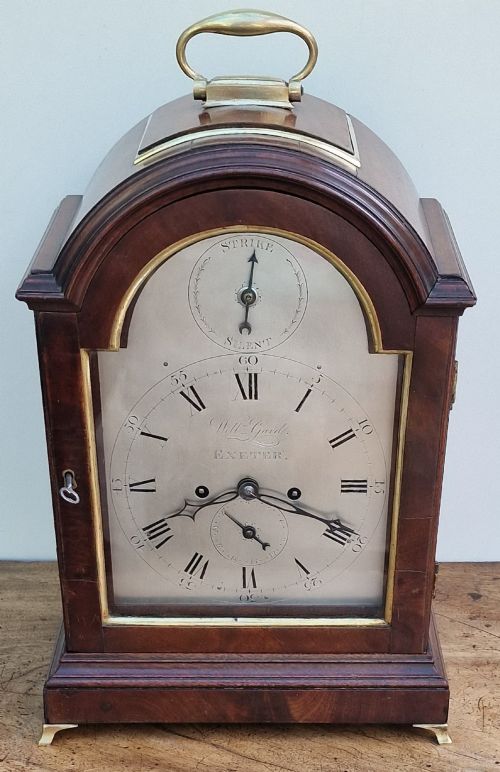
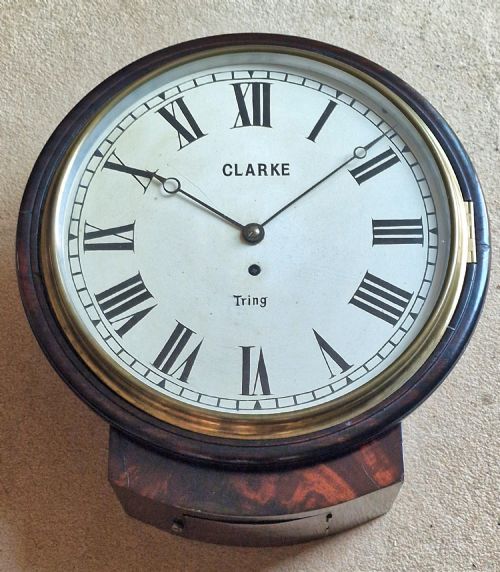
An antique brass dial timepiece covers wall clocks, carriage clocks, and bracket clocks spanning the Victorian, Edwardian, and Georgian periods. Buyers encounter heavy fusee wall clocks from railway offices alongside portable brass carriage clocks housed in glass panels.
The material combination typically pairs a cast brass dial plate with steel hands, housed in timber cases of mahogany, oak, or rosewood, or within gilt brass carriage frames. French and English workshops dominate these selections, producing both spring-driven and fusee movements.
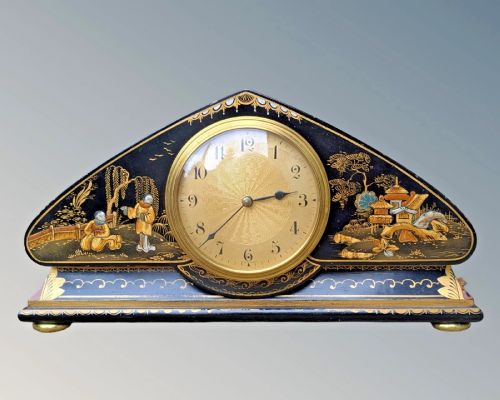
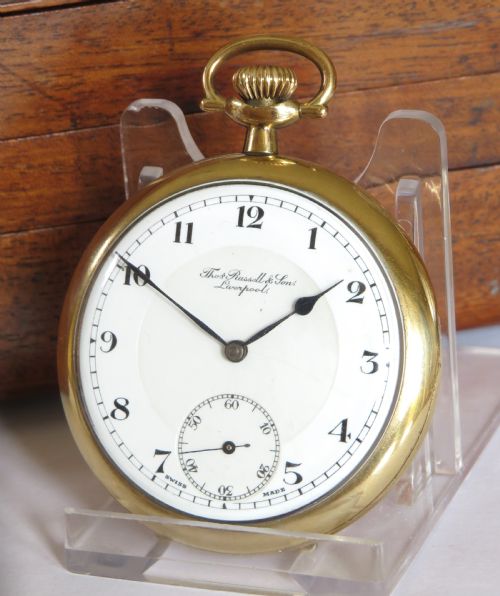
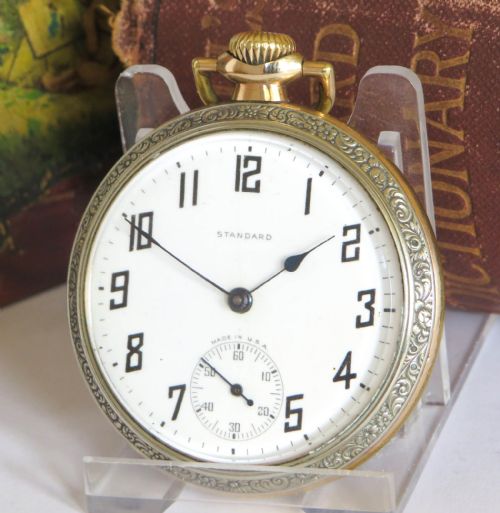
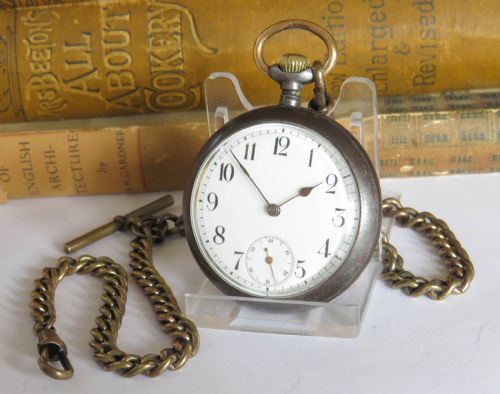
Mantel clocks and pocket watches also appear under this grouping, carrying enamel or brass chapter rings marked with Roman or Arabic numerals. Most examples date from the nineteenth century into the early decades of the twentieth century.
Construction and materials
Dial plates are cast or stamped from brass, then silvered, engraved, or painted with enamel chapters to display the hours. Movement plates utilise brass and steel, driven by coiled springs or fusee chains connected to weight or spring power.
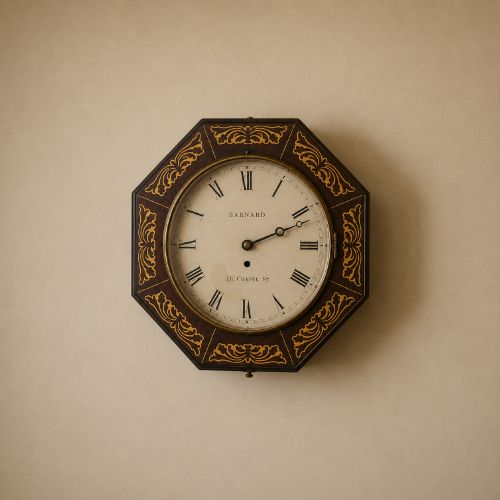
Cases combine structural timber such as mahogany and oak with applied brass bezels, handles, and inlay. Glass panels protect delicate escapements in carriage clocks, while heavy cast bezels secure the dials on wall-mounted railway and dial clocks.
Listings feature brass dials housed in mahogany, oak, and rosewood cases spanning the Victorian, Edwardian, and Georgian eras.
Judging execution and finish
The refinement of the brass engraving and the crispness of the chapter ring casting distinguish standard production from superior work. Makers who signed their dial plates and movement backplates generally invested greater care into train wheel cutting and escapement adjustment.
Case timber selection and joinery integrity dictate the overall grade of the object, with solid mahogany and rosewood housing finer movements than utilitarian softwood or plain oak. Original matching components, from winding keys to travel cases, elevate the completeness of the piece.
Henri Jacot·William Gard·George Clarke·Howell And James·Thomas Russell And Son·Drocourt Paris·Henry Harris·Richard Winter
The Antique Brass Dial Timepiece Glossary
- Fusee
- A conical pulley used in older clocks to maintain equal tension on the movement as the mainspring unwinds. This mechanism ensures more accurate timekeeping throughout the power reserve.
- Carriage clock
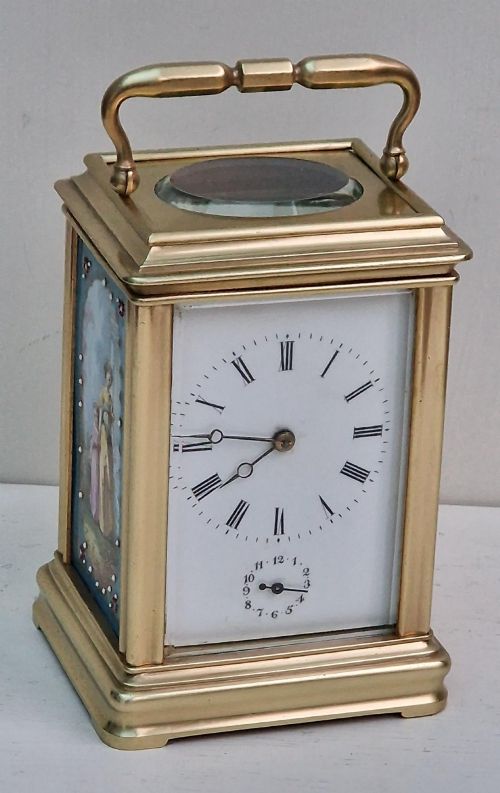
- A small, portable spring-driven clock with a carrying handle, originally designed for travellers. They are encased in brass frames with bevelled glass sides.
- Chapter ring
- The circular band on a clock dial that bears the hour numerals. On brass dials, these are frequently silvered and engraved.
- Gorge case
- A distinct rectangular carriage clock case style featuring stepped mouldings at the top and bottom. This French housing style protects the delicate movement within.
- Escapement
- The mechanical linkage that controls the release of power in a clock and gives the heartbeat sound. Common types include cylinder and lever platforms.
Antique Brass Dial Timepiece: Frequently Asked Questions
How do I wind a brass carriage clock?
Insert the matching key into the arbour on the underside or backplate and turn it gently clockwise until resistance is felt. Do not overwind, as this can strain the mainspring.
Ensure the clock rests on a stable, level surface before setting the hands. Move the minute hand forward to the correct time, avoiding turning it backward against the escapement.
Where were fusee wall clocks used?
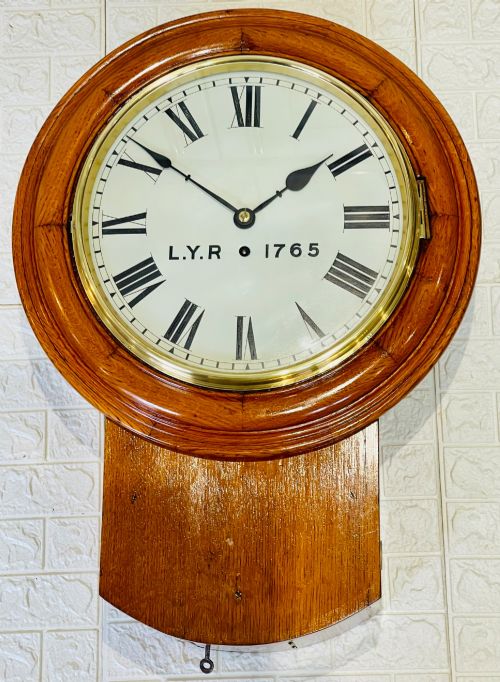
Fusee wall clocks saw extensive service in railway stations, administrative offices, and public institutions where precise timekeeping was mandatory. Their robust movements handled vibrations and heavy daily use.
Later versions transitioned into domestic hallways and libraries, mounted high on walls for easy visibility. The sturdy mahogany or oak surrounds protected the brass dial from ambient moisture.
How do I date a brass dial timepiece?
Examine the style of the case, the typography of the numerals on the brass dial, and any signature engraved on the backplate. Georgian and Regency examples feature heavy mahogany framing, whilst Victorian pieces often adopt bolder railway proportions.
Signatures or serial numbers can sometimes be cross-referenced against historical maker records. Edwardian and later twentieth-century pieces lean towards more compact proportions and alternative escapements.
Why do some carriage clocks have leather travel cases?
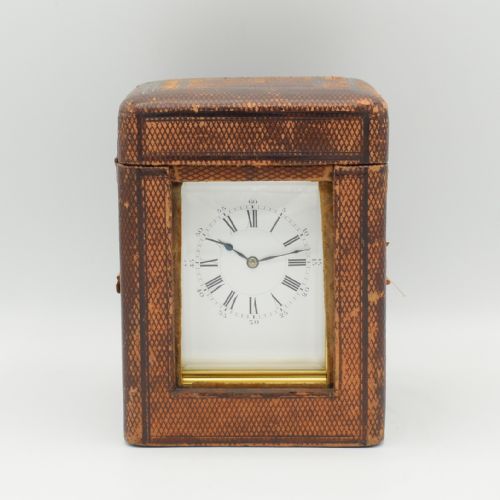
Original leather outer cases protected the bevelled glass panels and gilt brass frames during transit on trains and coaches. Wealthy travellers packed them into luggage compartments.
Finding a timepiece complete with its fitted leather case preserves its historical context. These outer containers usually feature velvet or silk linings tailored to the specific clock.