


Antique Brass Buttons
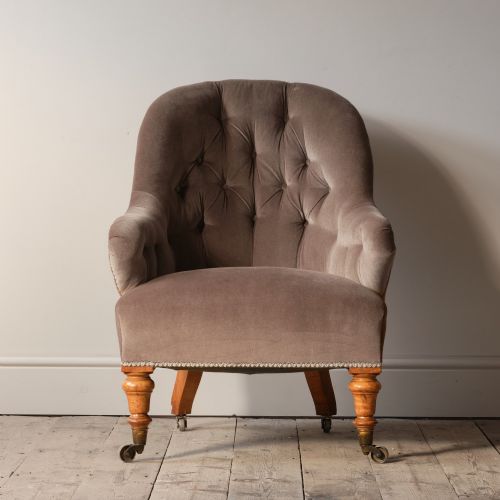
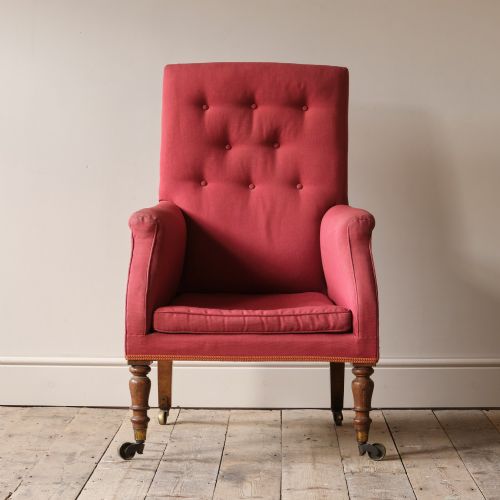
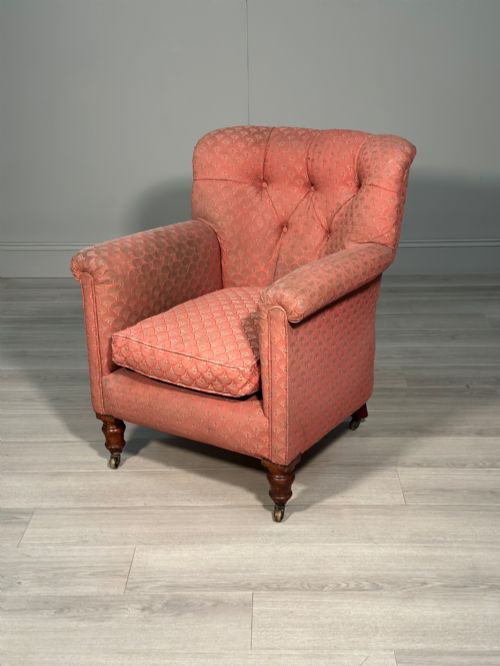
Antique brass buttons designate the deep-set fastenings that punctuate leather seating across the nineteenth and early twentieth centuries.
Antique Brass Buttons
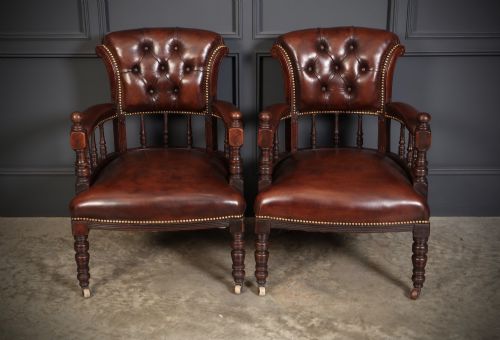
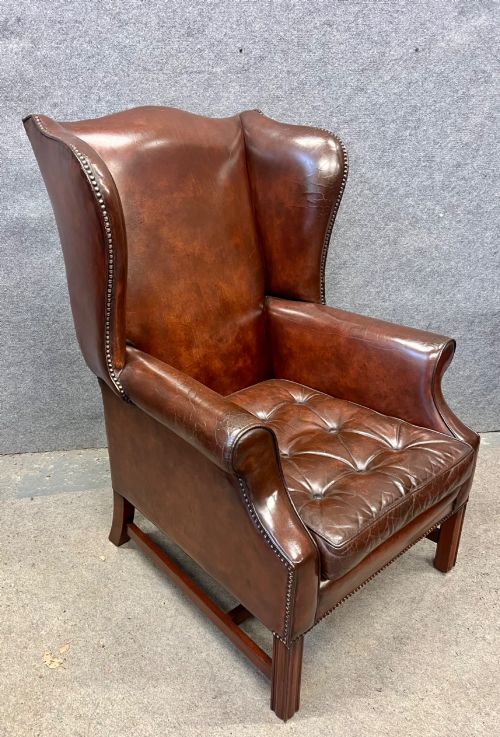
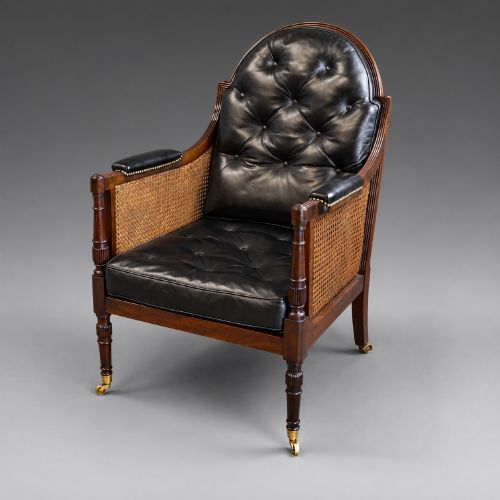
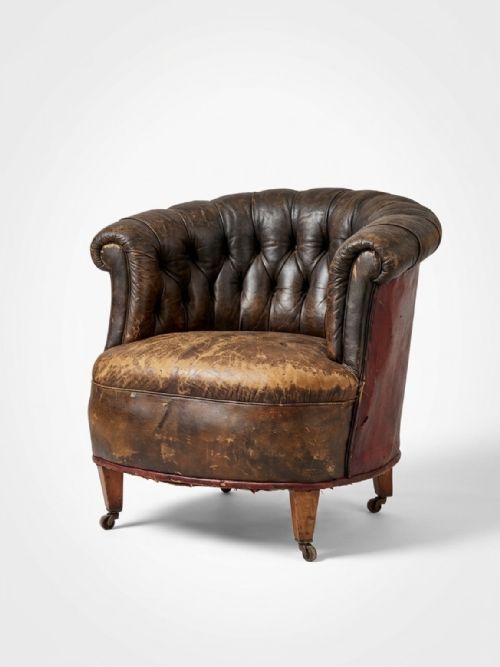
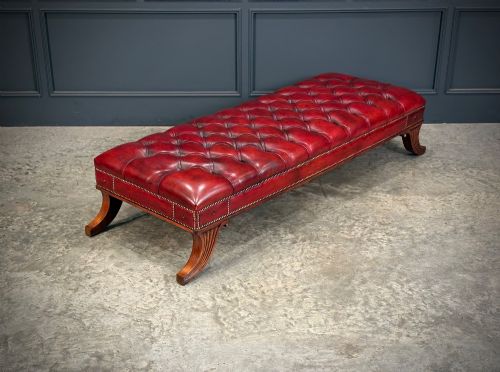
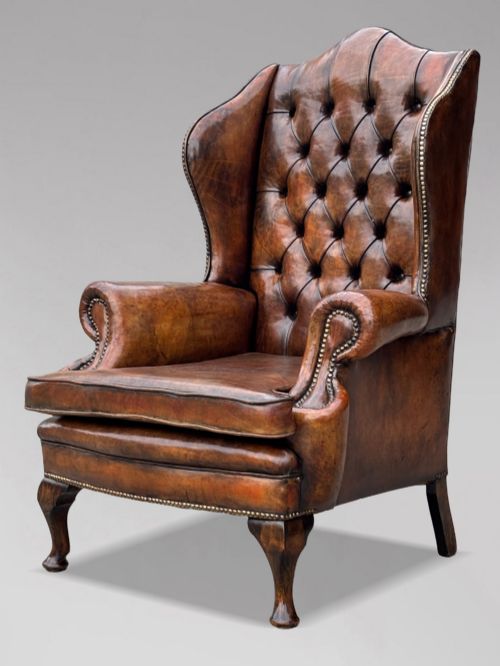
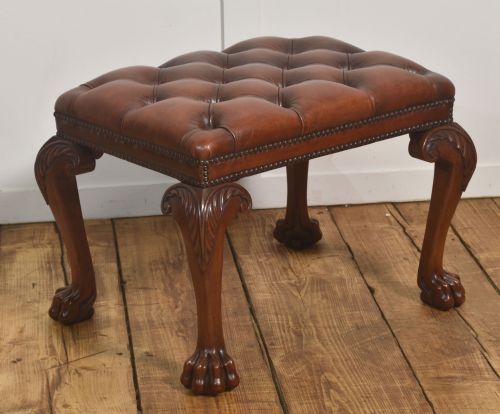
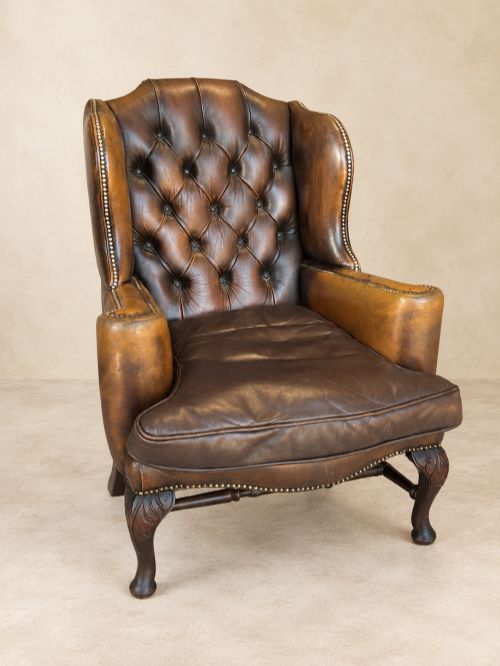
Antique brass buttons appear most frequently as the characteristic securing points on nineteenth century leather armchairs, Chesterfields, and footstools. When searching for antique brass buttons, collectors encounter the heavy metal studs that anchor upholstery tightly to hardwood frames.
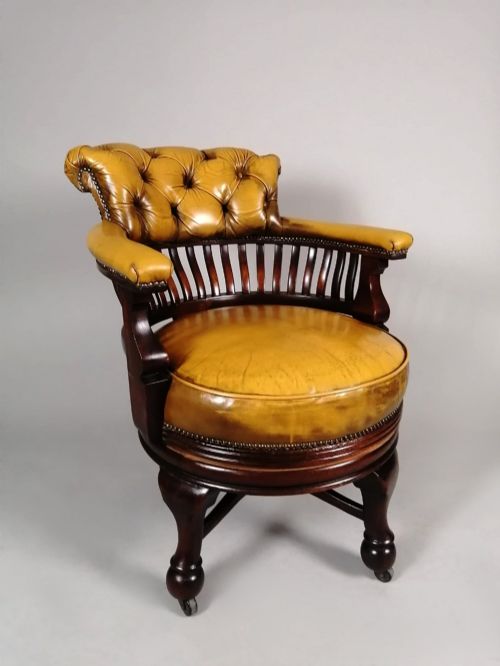
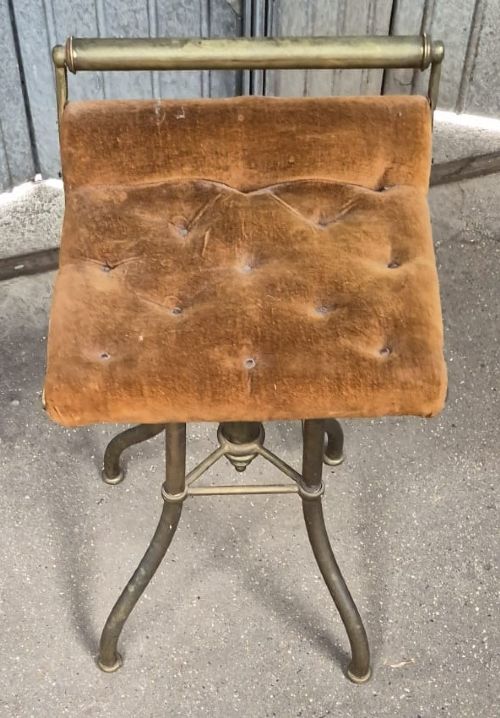
The selections span the Victorian, Regency, and Edwardian periods, stretching from the early eighteen hundreds to the nineteen twenties. These items manifest primarily as decorative and structural fixings on country house armchairs, library chairs, and revolving desk seats.
Makers such as Howard and Sons, Gillows, Jackson and Graham, and Hindley and Sons utilised brass buttoning to secure deep springs and horsehair stuffing. The forms range from grand three-seater sofas down to diminutive library chairs and long stools.
How they were made
Craftsmen shaped these metal elements from solid brass, pairing them with robust frames built from mahogany, rosewood, walnut, and assorted hardwoods. The metal studs were driven through heavy leathers like tan, brown, and burgundy hide, securing calico linings and internal coil springs.
Traditional upholstery methods relied on horsehair stuffing packed behind the leather face, held firmly in a grid formation by rows of brass buttons. Artisans hammered each stud individually into the wood, creating the distinct button-back tension seen on Chesterfield sofas and club chairs.
Antique Brass Buttons Retail Price Guide 2026
Typical asking prices for brass buttons among the pieces listed under this phrase on Sellingantiques today, from the lower quarter to the upper quarter. They describe what is for sale here now, not the wider market.
Listings feature items spanning the Regency, Victorian, and Edwardian periods, utilising brass, mahogany, rosewood, leather, and horsehair stuffing.
What varies in quality
The distinction between tiers rests upon the density of the metalwork and the integrity of the underlying hardwood frame. Superior examples display uniform brass placement and heavy gauge frames shaped by notable nineteenth century workshops rather than regional copyists.
Condition of the surrounding leather and the retention of original hand-dyed finishes alter the standing of each piece. Tighter spring retention and undisturbed button patterns demonstrate superior original construction from the Victorian and Regency eras.
Howard and Sons·Gillows·Jackson and Graham·Hindley and Sons
The Antique Brass Buttons Glossary
- Button back
- A traditional upholstery technique where deep depressions are formed in leather using tightly spaced buttons. This method keeps internal horsehair stuffing from shifting over decades of use.
- Chesterfield
- A large sofa or armchair characterised by equal height back and arms, densely covered in buttoned leather. The style became a staple of nineteenth century English country houses.
- Library chair
- A heavy reading seat designed for nineteenth century studies, frequently fitted with leather upholstery and brass studding. These often incorporate reading stands or revolving mechanisms.
- Mahogany
- A durable tropical hardwood utilised extensively for the frames and legs of Regency and Victorian seating. Its dense grain supported the heavy tension required by buttoned leather.
Antique Brass Buttons: Frequently Asked Questions
What are antique brass buttons used for?
These metal components serve as structural and decorative fixings that secure thick leather upholstery to internal padding. They create the tight, tufted surface characteristic of Victorian and Edwardian seating.
Beyond visual appeal, the buttons prevent horsehair and coil springs from shifting inside the chair frame over decades of daily use.
How do I identify Victorian buttoned chairs?
Look for heavy mahogany or hardwood frames paired with hand-dyed leather secured by individual metal studs. Maker stamps on the wooden legs or brass castors often confirm the period origin.
Construction details like traditional coil springing and horsehair stuffing point directly to nineteenth century workshop methods.
How do I care for buttoned leather furniture?
Keep the leather hydrated using appropriate conservative dressings to prevent cracking around the deep button folds. Avoid placing these pieces near direct heat sources that dry out the hide.
Dust gently between the buttons using a soft brush to prevent grit accumulation in the deep depressions of the upholstery.
What periods do these pieces date from?
The inventory spans the nineteenth and early twentieth centuries, covering Regency, William IV, Victorian, and Edwardian eras. The majority of items concentrate in the mid to late Victorian period.
Design traits shift from early Regency mahogany frames toward heavier nineteenth century club chairs and Chesterfield sofas.