
Antique Brass Bronze
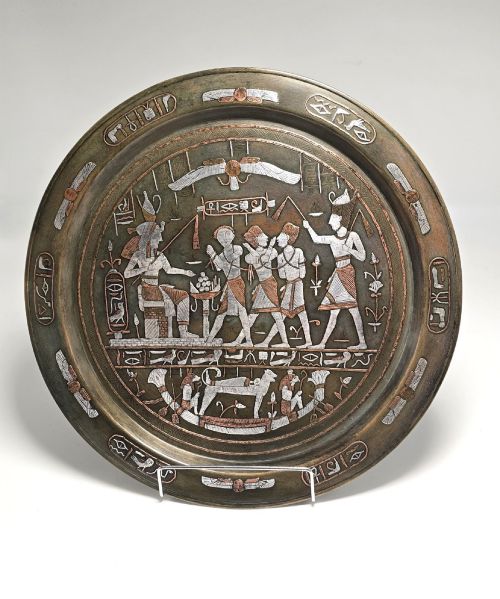
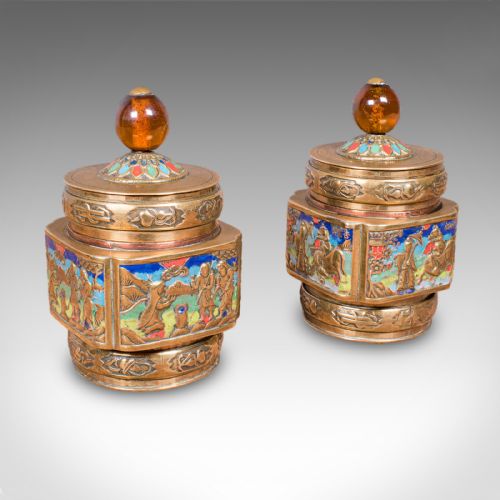
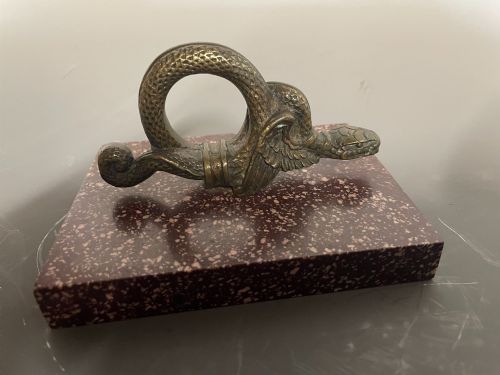
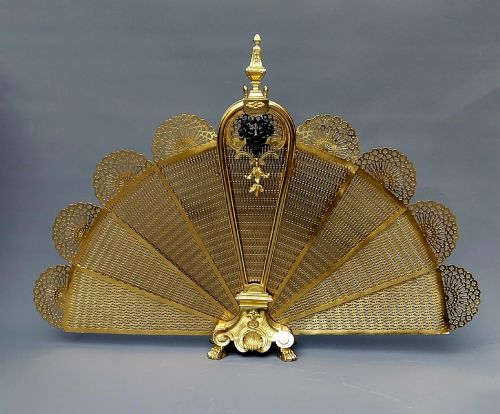
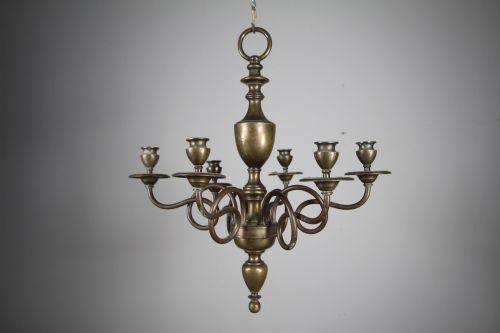
These antique brass bronze pieces span grand French chandeliers and detailed Japanese enamel work, bringing warmth and metallic weight to a room.
Antique Brass Bronze
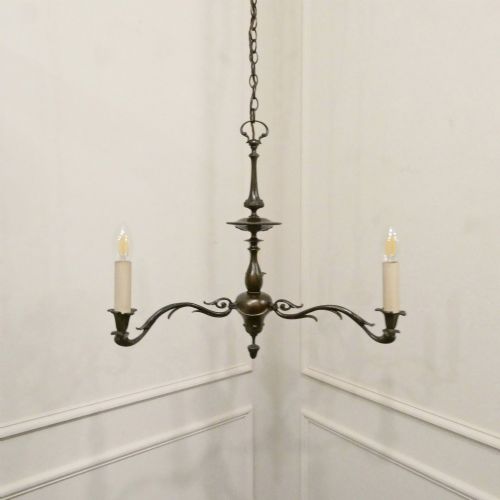
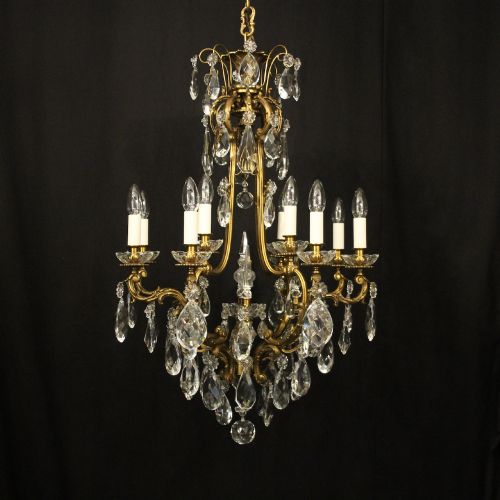
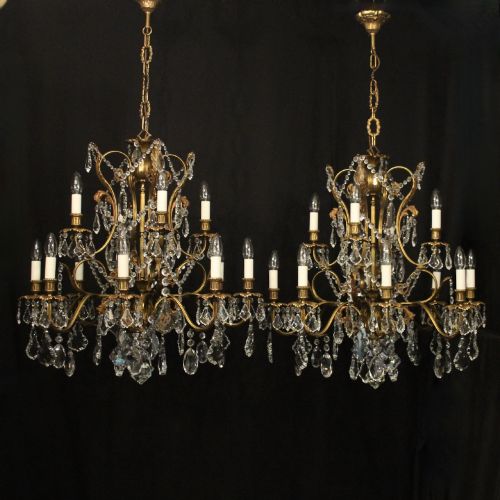
When searching for antique brass bronze, buyers encounter a diverse selection of lighting, clocks, and decorative metalwork spanning the nineteenth and early twentieth centuries. French lighting forms a substantial part of the offering, particularly multi-light chandeliers embellished with crystal drops and gilt bronze mounts.
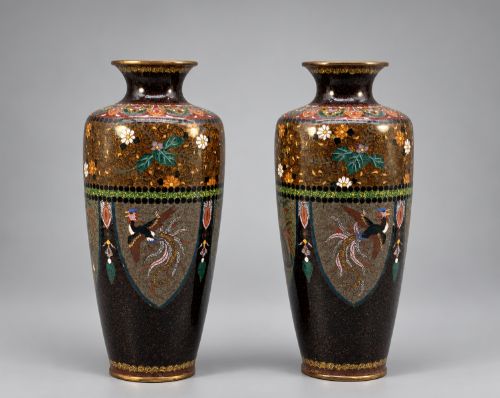
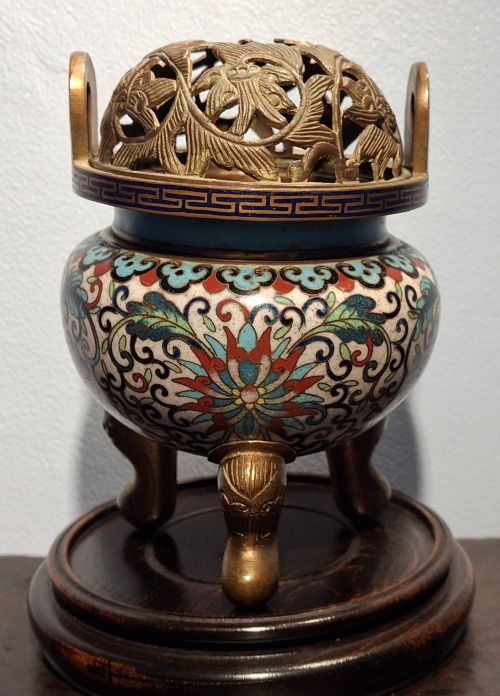
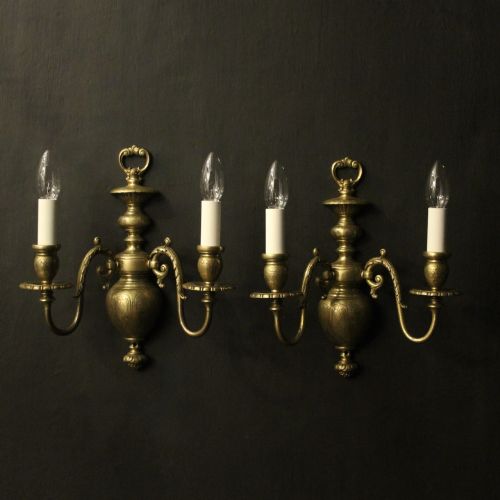
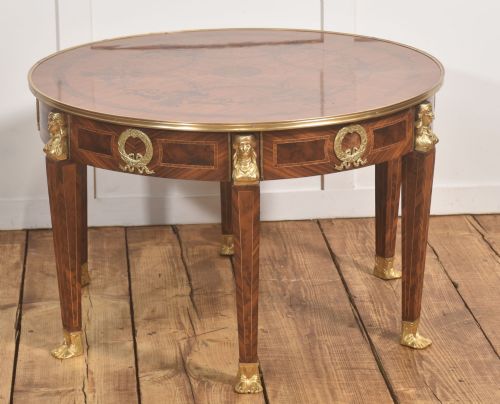
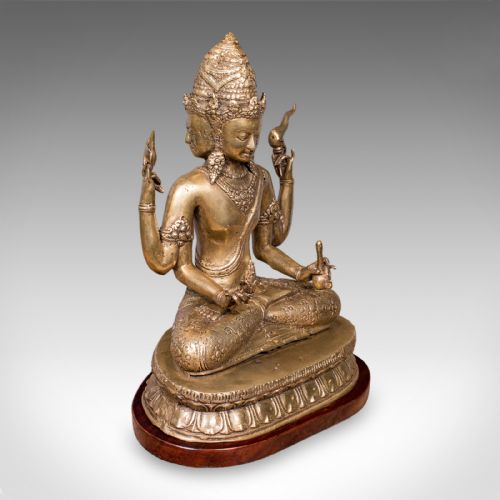
Beyond European lighting and seating, the selection includes Asian metalwork such as Japanese cloisonné vases and Chinese bronze jardinières alongside English wall lights and Mantel clocks. These decorative objects range from practical items like hall lanterns and coffee tables to purely ornamental figures and ritual vessels.
How they were made
The construction relies heavily on cast bronze and brass frameworks, frequently finished with fire gilding or ormolu to achieve a bright golden surface. Crystal and cut glass components integrate with the metal frames in chandeliers and wall lights, while enamel work provides colourful detail on Japanese and Chinese vessels.
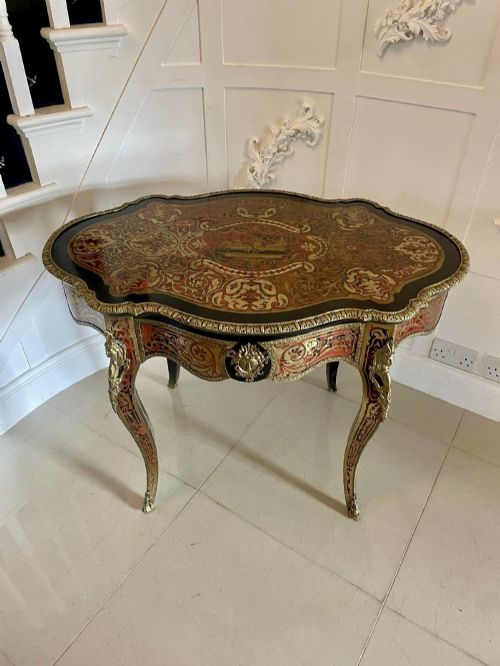
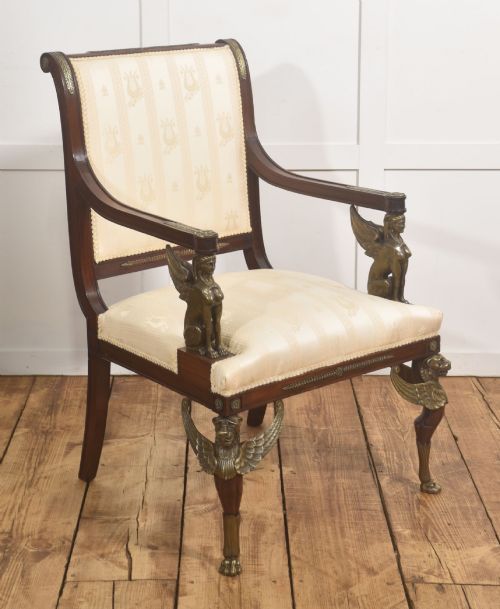
Cabinet pieces combine timber frames like kingwood and mahogany with cast metal mounts and gallery rails. Surface techniques include hand-chiselling on cast bronzes and intricate wirework for cloisonné and champlevé enamel pieces.
Materials span plain brass and bronze alongside crystal, porcelain plaques, and colourful enamel.
What varies in quality
Quality reveals itself in the crispness of the casting and the depth of the subsequent chasing work on the metal surface. Superior examples display sharp relief in decorative motifs like cherubs or foliage, whereas lesser pieces show soft, rounded edges from worn moulds.
The integration of materials also defines the standard, seen in the clarity of the cut crystal drops and the precision of the enamel cells. Original mercury gilding or deep fire-gilt surfaces retain their warmth and lustre far better than later applied paints.
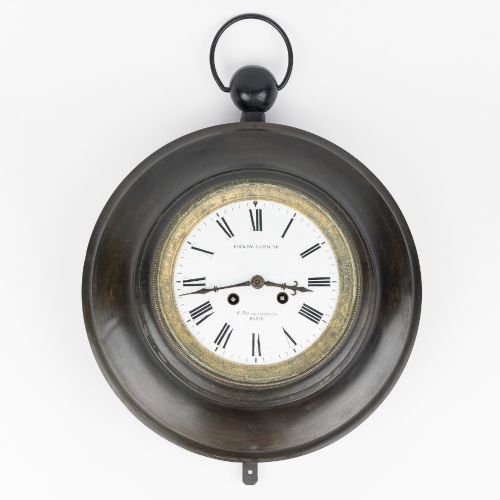
Henry-Lepaute
The Antique Brass Bronze Glossary
- Ormolu
- A technique of applying finely ground high-carat gold to a bronze object using a mercury amalgam. This creates a durable golden finish seen on French decorative arts.
- Cloisonné
- An enamelwork technique where thin metal wires form raised barriers on a metal body to create compartments filled with coloured paste. These are subsequently fired and polished flat.
- Champlevé
- A method where troughs or cells are hollowed out of the metal surface and filled with enamel before firing. It appears frequently on Chinese bronze vessels.
- Tent and waterfall
- A chandelier configuration where strings of crystal beads form an upper conical tent shape cascading down to a central ring. It creates a dense, light-refracting silhouette.
- Jardiniere
- An ornamental stand or container designed to hold potted plants. These often feature porcelain plaques and elaborate metal mounts.
Antique Brass Bronze: Frequently Asked Questions
How do I clean antique brass and bronze?
Dust these metal surfaces gently with a soft, dry brush to prevent accumulation in recessed chasing. Avoid abrasive chemical polishes that strip original patination and historic gilding.
For glass and crystal components attached to the metal, use a damp cloth with mild soap, taking care not to let moisture seep into the joins.
Are these chandeliers wired for modern ceilings?
Many antique chandeliers adapt to modern electrical standards during restoration, though older pieces may require professional rewiring to meet current safety regulations.
Buyers should inspect the internal wiring channels and consult a qualified electrician before installation in a domestic setting.
What is the difference between brass and bronze?
Bronze is an alloy primarily composed of copper and tin, valued for its strength and ability to take fine cast details and patination. Brass is an alloy of copper and zinc, typically possessing a brighter yellow tone.
Both materials appear frequently across the items listed here, sometimes combined within a single piece.
How do I identify French Empire style pieces?
French Empire pieces often draw on classical military and architectural motifs from the early nineteenth century. Expect symmetrical designs incorporating gilt bronze mounts, mythological figures, and dark mahogany timbers.
These items project a formal, monumental presence distinct from the later, more fluid Rococo revival forms.