

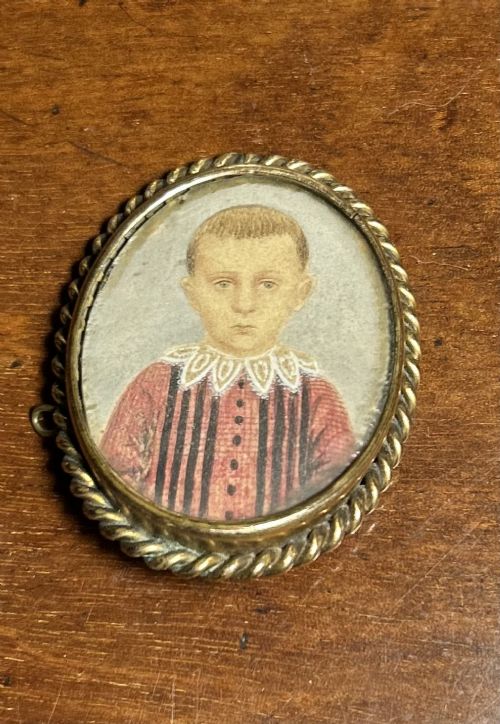


Antique Boy Portrait Painting
When you search for an antique boy portrait painting, you open a window into historical childhood through canvas, paper, and wood.
Antique Boy Portrait Painting
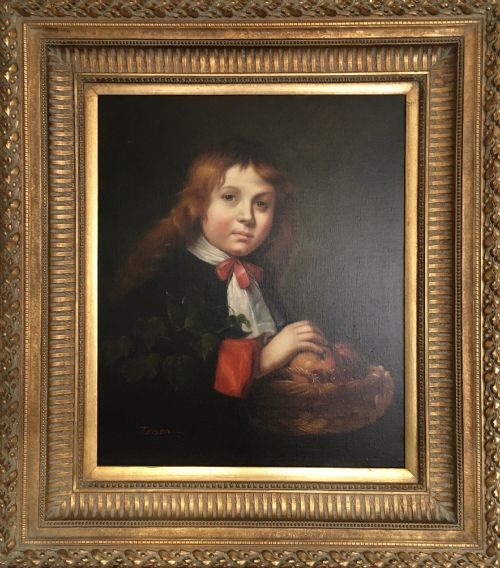
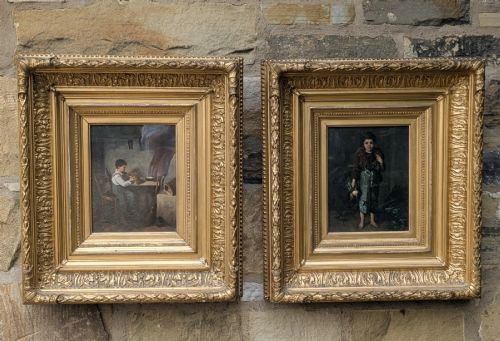
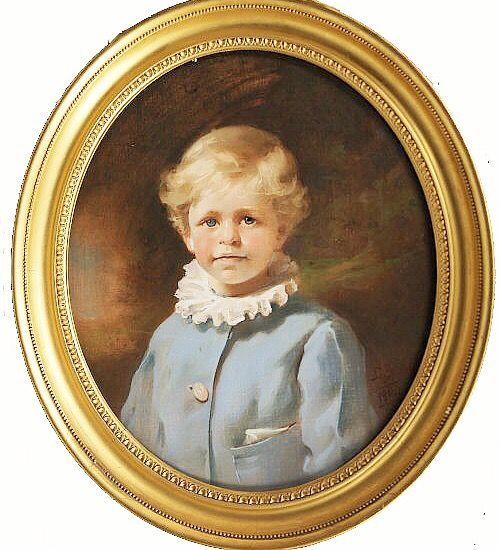
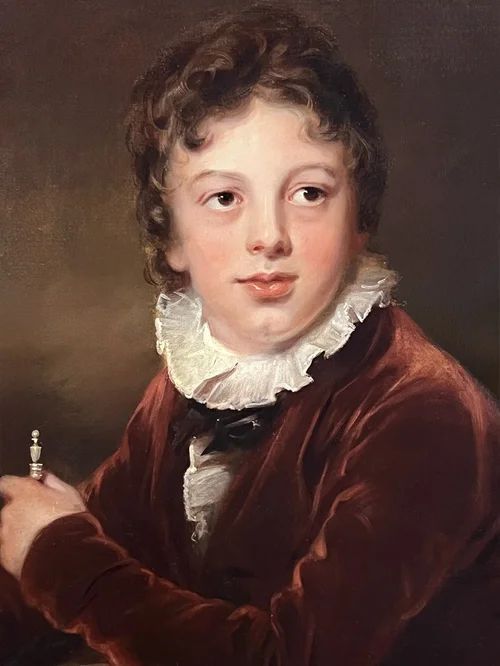
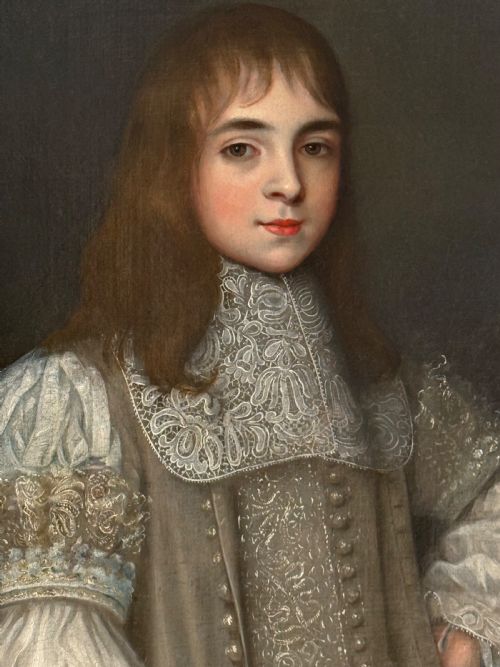
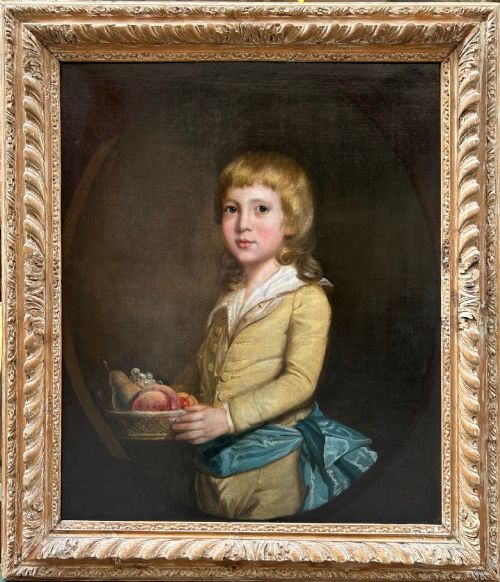
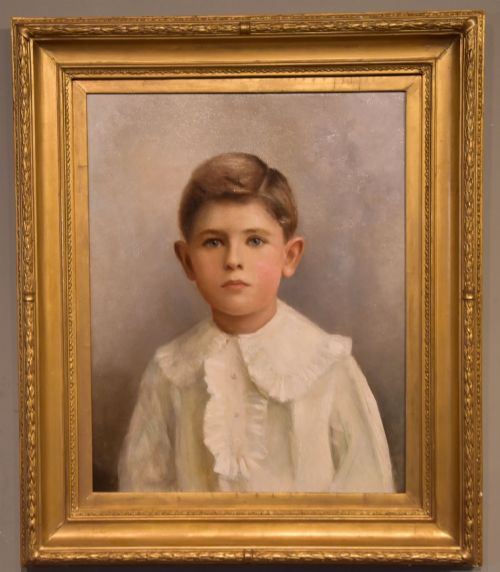
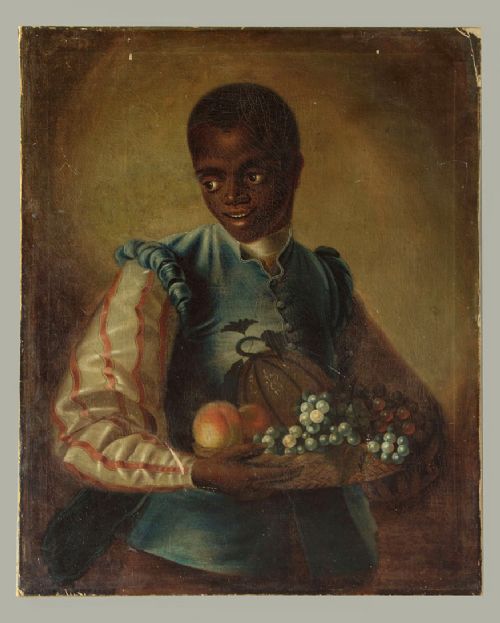
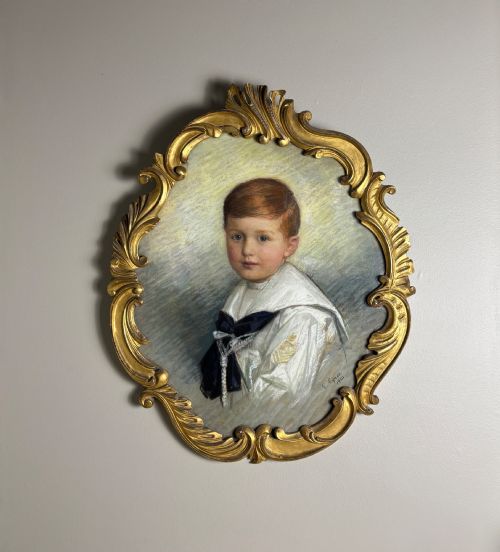
An antique boy portrait painting captures children from centuries past, ranging from seventeenth-century nobility in elaborate costume to nineteenth-century rustic subjects with pets or toys. You will encounter works depicting individual children alongside family groups, wearing sailor suits, smocks, or historical dress.
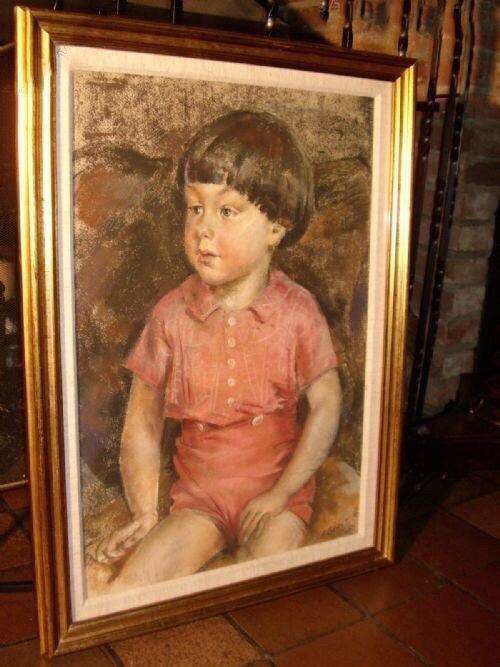
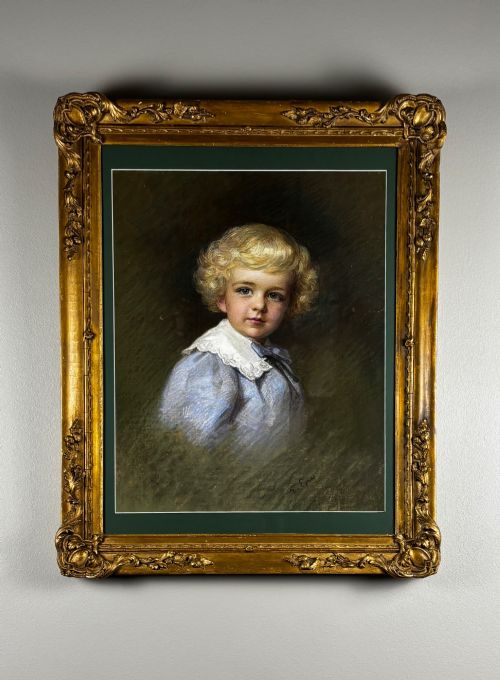
The selections span oil on canvas, delicate watercolours, pastels, and gouache, often housed in original giltwood frames. Works vary from formal studio commissions attributed to named artists to naive folk art pieces by anonymous regional hands.
Materials and Methods
Artists painted primarily in oil on stretched canvas or wooden panels, building rich surfaces with layered pigments and glazes. Works on paper utilise watercolour, pastel, and gouache to capture softer textures and lighter tones.
Frames play a crucial role in the presentation, utilising moulded and carved giltwood or glass protection for miniatures set within brooches and small wall formats.
Listings feature works spanning from the seventeenth century through to the mid-twentieth century, executed in oil, watercolour, and pastel.
Distinctions in Execution
Quality rests upon the anatomical precision of the face and hands, alongside the artist's ability to render light and fabric convincingly. Superior examples demonstrate confident brushwork and psychological depth rather than rigid stiffness.
The survival of the original substrate, whether untouched canvas or pristine paper under glass, influences the integrity of the piece. Matching historical frames that complement the age of the artwork add considerable harmony to the composition.
John Michael Wright·Thomas Beach·Mary Beale·Philip Mercier·Emily Eyres
The Antique Boy Portrait Painting Glossary
- Oil on canvas
- Pigment mixed with drying oil applied to a woven fabric support. This remains the most common medium for substantial historical portraits.
- Pastel
- A medium consisting of powdered pigment and a binder rolled into sticks. It produces a velvety surface that requires glass protection.
- Miniature
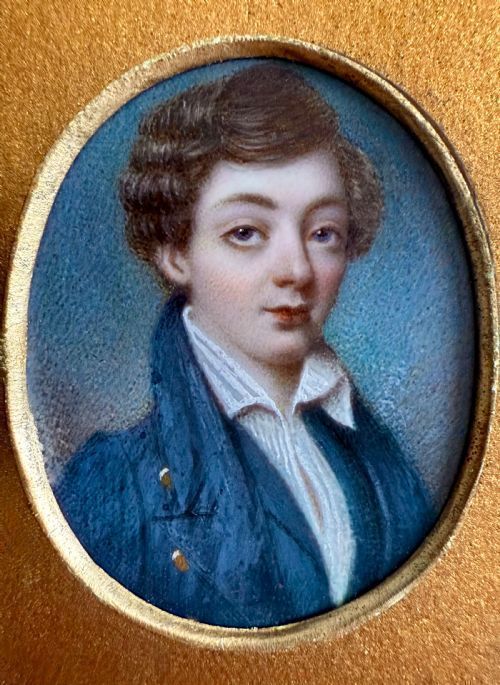
- A small-scale portrait painted with fine detail. These portable works often appeared in lockets, brooches, or small desk frames.
- Giltwood
- Wood carved and covered with a thin layer of gold leaf. This material defines traditional antique picture frames.
- Circle of
- A designation used when a painting shows the distinct style of a master without being an autograph work by that specific hand.
Antique Boy Portrait Painting: Frequently Asked Questions
How do I identify the period of a portrait?
Examine the clothing, hairstyle, and framing materials, which often reflect the prevailing fashion of the sitter's era. Seventeenth-century subjects typically wear elaborate lace collars, while nineteenth-century children appear in sailor suits or smocks.
Support materials also offer clues, as panel paintings dominate earlier centuries before canvas and heavy stretchers become standard practice.
Where should I hang these paintings?
Display oil and watercolour portraits away from direct sunlight and damp environments to protect the pigments and paper. Traditional rooms with stable temperatures suit heavy giltwood frames best.
Ensure the hanging height allows viewers to engage directly with the gaze of the sitter, maintaining the intimate scale typical of child studies.
What is the difference between oil and pastel works?
Oil paintings utilise durable suspended pigments on canvas or wood, offering rich textures and deep tones that tolerate open air. Pastels use dry chalky sticks on paper, creating a delicate matte finish that demands protective glass.
Pastel works remain extremely sensitive to movement and vibration, which can dislodge the fine pigment particles over time.
Are miniature portraits meant to be worn?
Many small-scale portraits functioned as personal tokens designed to be worn as jewellery or carried in pockets. These pieces feature secure bezels and glass covers to protect the delicate paint surface during handling.
Other miniatures served as desk ornaments, housed in miniature easel frames rather than mounted for personal wear.