



Antique Boy Figurine
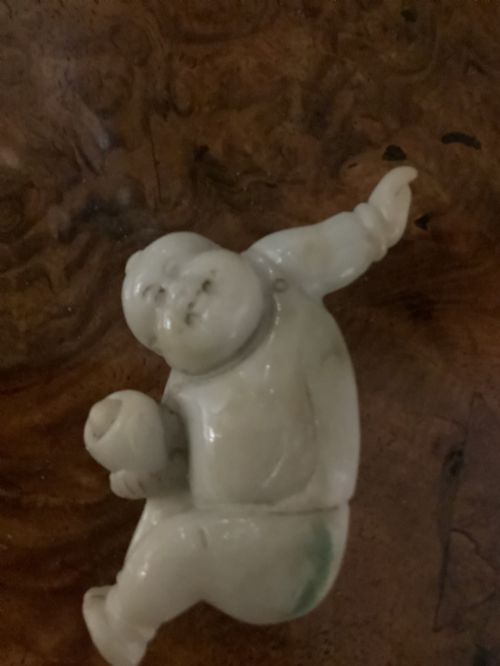
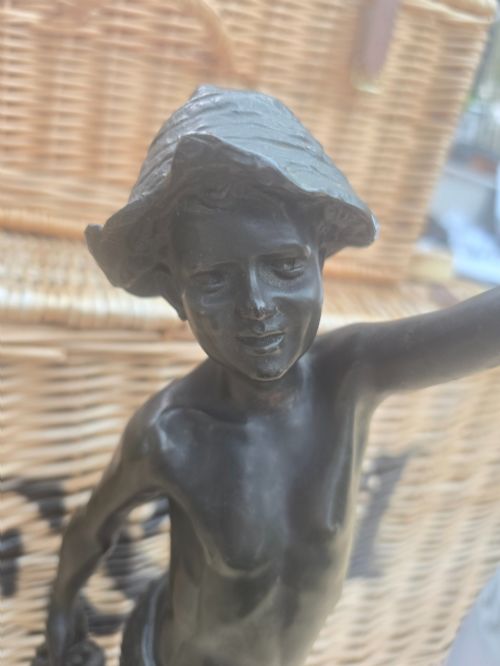
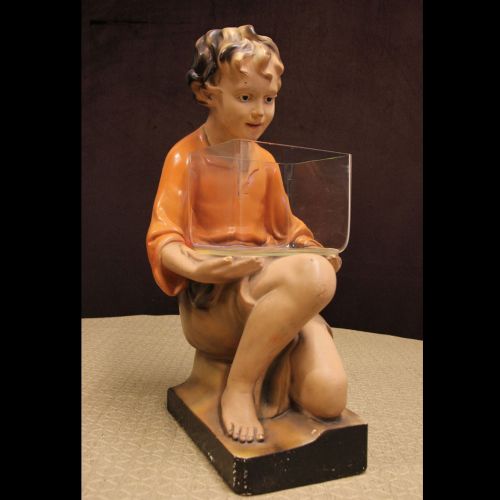
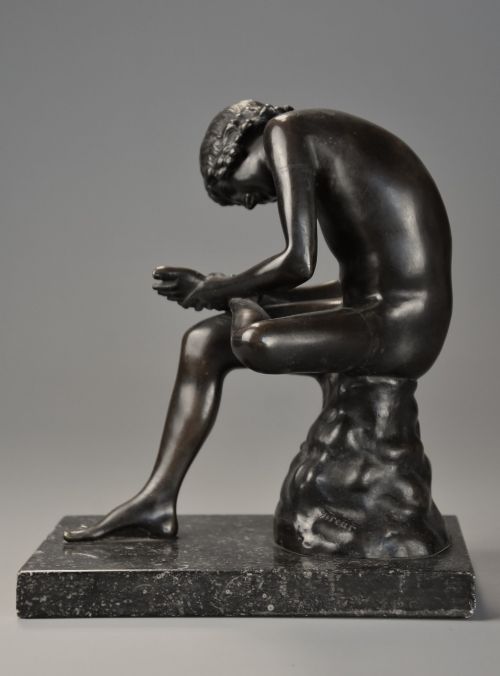
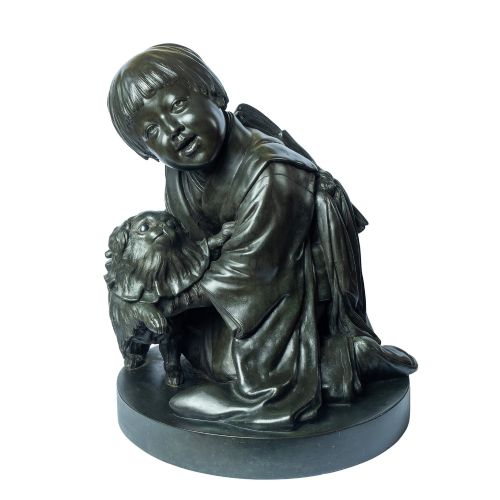
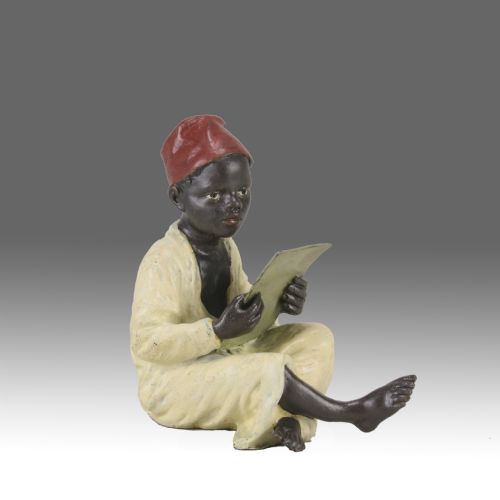
When you search for an antique boy figurine, you discover small sculptures and desk objects rendered in bronze, porcelain, marble, and carved wood from the eighteenth century onwards.
Antique Boy Figurine
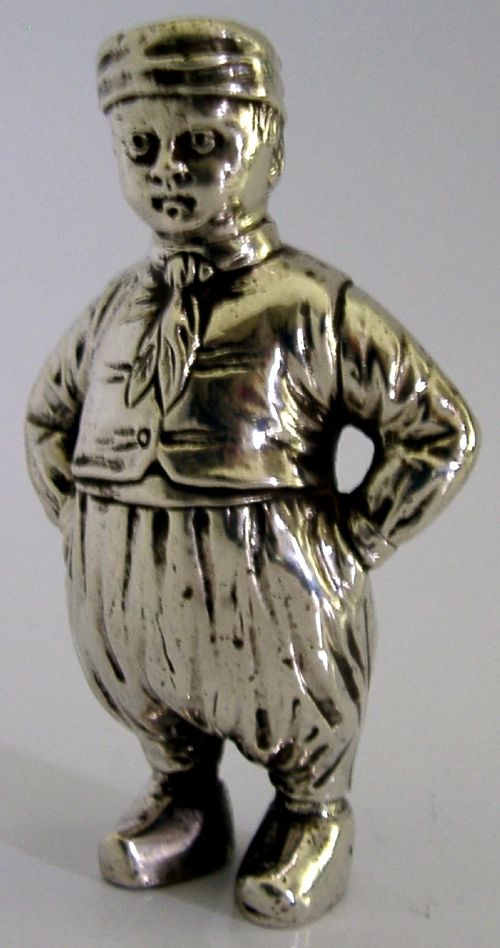
An antique boy figurine takes many physical forms, ranging from utilitarian items like porcelain inkwells and silver pepper pots to standalone bronze sculptures and marble portrait busts. You will encounter European works from German, French, and English factories alongside Asian carvings and Japanese bronzes.
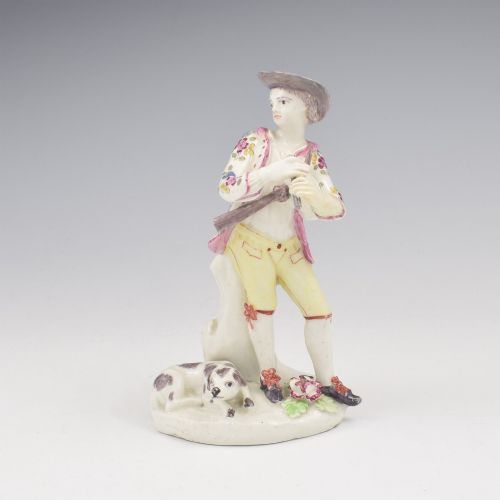
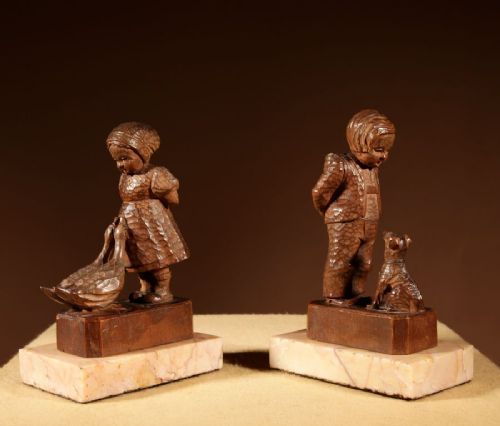
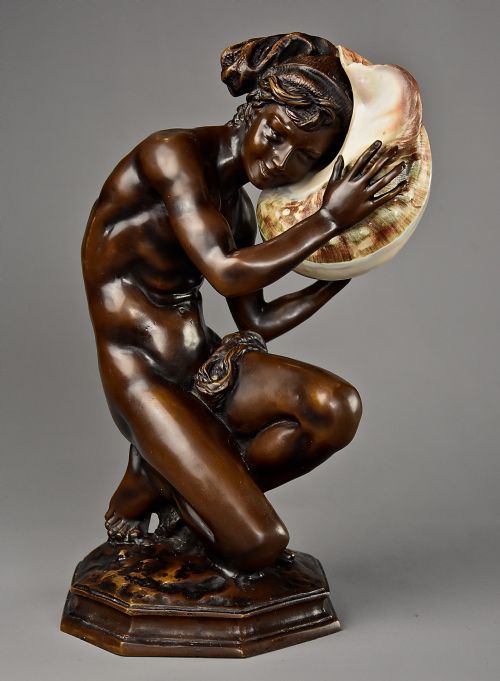
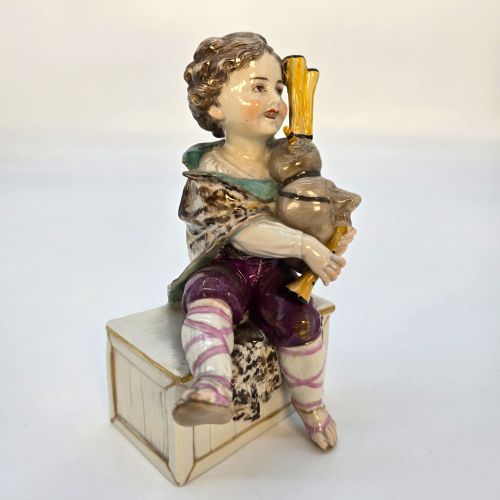
The materials span hard-paste porcelain, cast bronze, carved hardwood, statuary marble, and terracotta. Many pieces depict specific narrative scenes, such as a shepherd boy, a young fisherman, or children engaged in rural labour and musical performance.
Materials and construction methods
Metals are cast using traditional techniques, with bronze examples often receiving cold-painted colour or rich patination. Silver and sterling pieces involve detailed casting and novelty cruet construction.
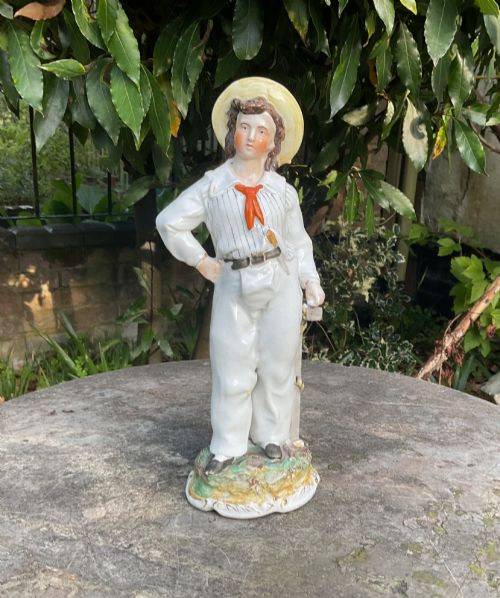
Ceramic figures combine moulded hard-paste or soft-paste porcelain with hand-painted enamel decoration, occasionally featuring applied gold leaf highlights. Wood and marble examples rely on skilled hand-carving to achieve texture in clothing, hair, and facial expressions.
Antique Boy Figurine Retail Price Guide 2026
Typical asking prices for boy figurine among the pieces listed under this phrase on Sellingantiques today, from the lower quarter to the upper quarter. They describe what is for sale here now, not the wider market.
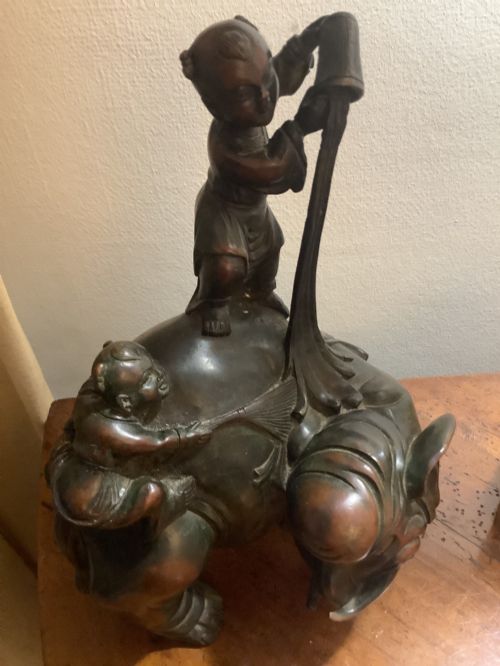
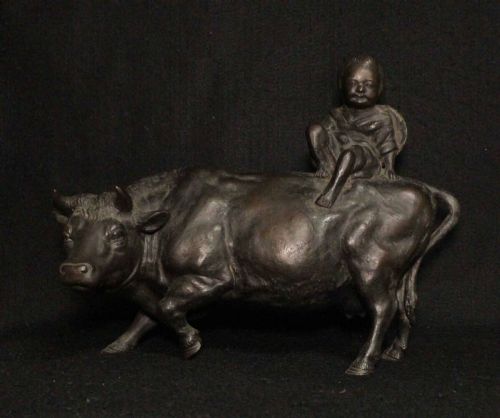
Among the boys depicted in metal and stone, one industrious water buffalo carries a scholar while another bronze cow patiently hosts a young rider.
Distinctions in quality and execution
Signature marks from known European factories or named sculptors elevate the standing of a piece. The integration of functional elements, such as inkwells or posy holders, executed with sculptural integrity also marks higher grade manufacture.
Edmé Samson·Volkstedt Rudolstadt Factory·Franz Bergman·Royal Worcester·Ernst Bohne Söhne
The Antique Boy Figurine Glossary
- Cold-painted bronze
- A bronze sculpture painted with oil-based colours after casting, a technique prominent in Austrian workshops during the late nineteenth and early twentieth centuries.
- Bisque
- Unglazed porcelain that presents a matte, marble-like surface texture, commonly utilised for nineteenth-century figurative ceramics.
- Hard-paste porcelain
- A durable ceramic composition fired at high temperatures, developed in Europe during the eighteenth century and utilised by factories like Meissen and Bow.
- Socle
- A short plinth or pedestal supporting a bust or small statue, frequently rendered in contrasting coloured marble.
- Okimono
- A Japanese decorative standalone carving intended for display on a shelf or in a traditional room setting.
Antique Boy Figurine: Frequently Asked Questions
What materials were used for these figures?
Makers utilised a wide array of materials depending on the workshop and period. You will find cast bronze, hard-paste porcelain, carved marble, alabaster, terracotta, and solid silver.
Some pieces combine materials, such as bronze figures mounted on marble bases or painted porcelain enhanced with gold leaf.
How do I identify porcelain factories?
Look underneath the base for factory marks, painted ciphers, or impressed numbers. European houses like Meissen, Bow, and various German porcelain works often applied distinct underglaze symbols.
Stylistic cues such as paste composition, modelling style, and enamel palette also help attribute figures to specific nineteenth or eighteenth century kilns.
Were these figures purely decorative?
While many examples served as standalone mantel sculptures or portrait busts, others had practical uses. Listings include figural inkwells, novelty silver pepper pots, incense holders, and posy receptacles.
Makers frequently integrated sculptural child figures into functional desk and tabletop objects during the Victorian and Edwardian eras.
How should I clean marble and bronze?
Bronze figures generally require only a gentle dusting with a soft, dry cloth to preserve their original patina. Avoid chemical cleaners that strip the surface coloration.
Marble and alabaster demand careful maintenance using dry or barely damp cloths, as porous stone absorbs moisture and staining easily.