
Antique Boxed Jewellery
Antique boxed jewellery brings together personal ornaments and the fitted vessels made to house them.
Antique Boxed Jewellery
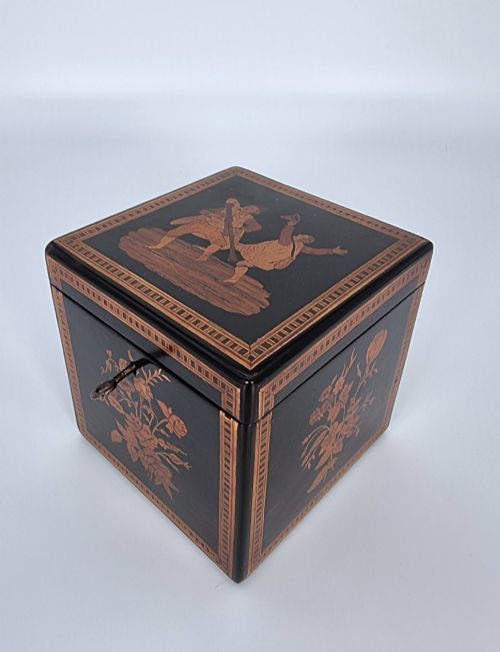
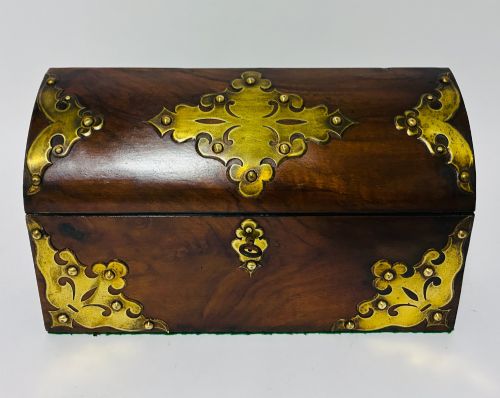
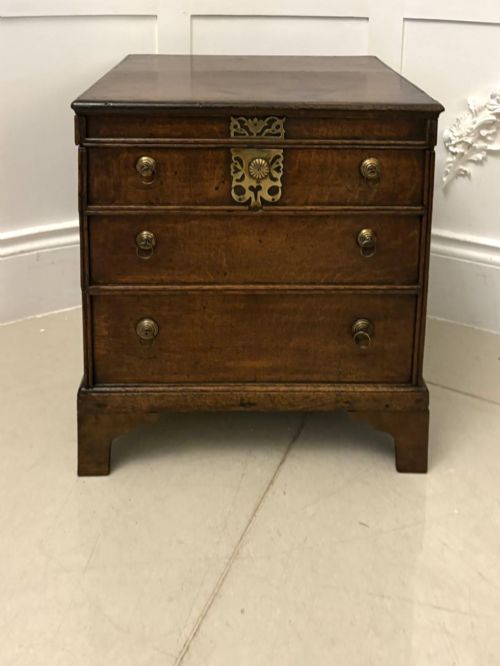
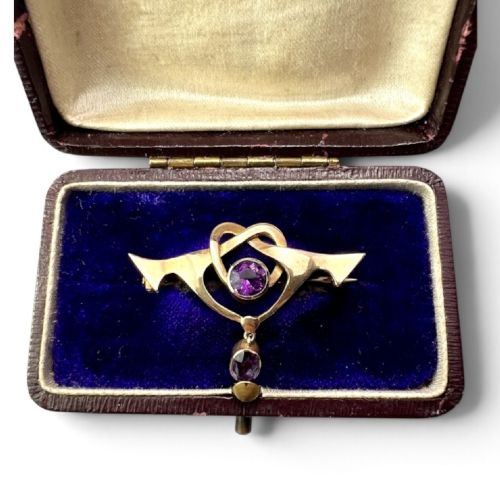
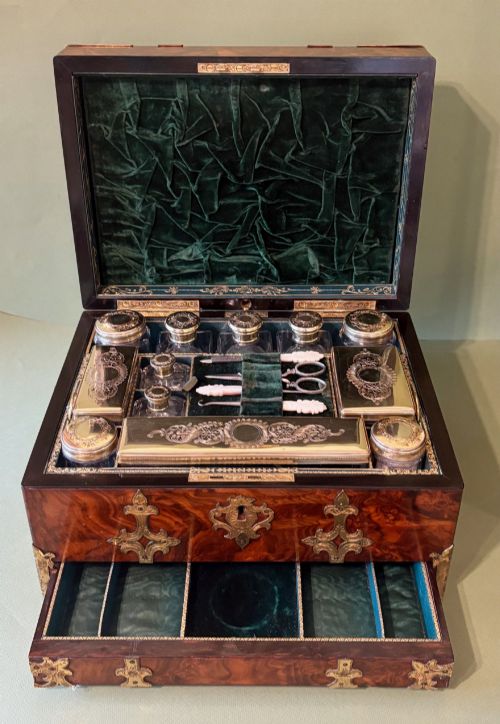
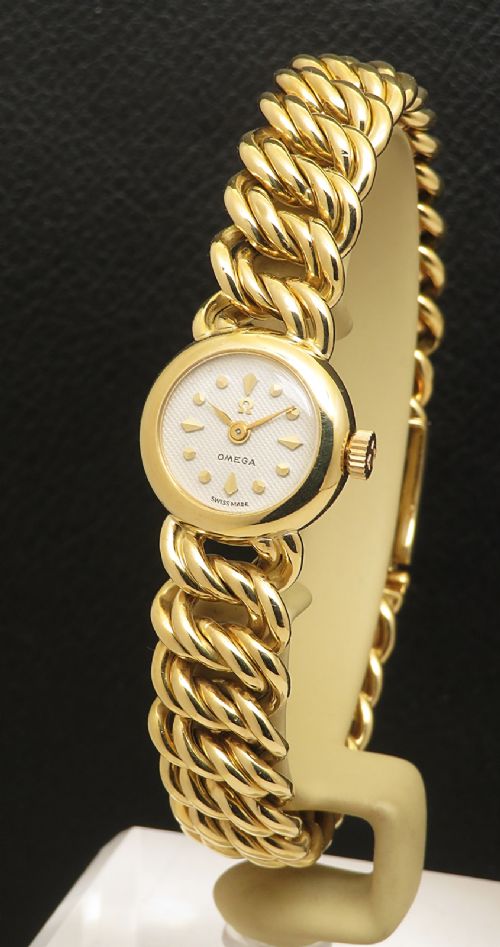
When you search for antique boxed jewellery, you encounter fitted presentation cases, jewellery boxes, and trinket containers alongside jewels nestled in their original containers.
The selections span the nineteenth century into the Edwardian and Art Deco periods, utilising timber, leather, and precious metals.
Victorian and Edwardian examples dominate the offerings, showing craftsmanship from English, French, and Asian makers.
Materials and Technique
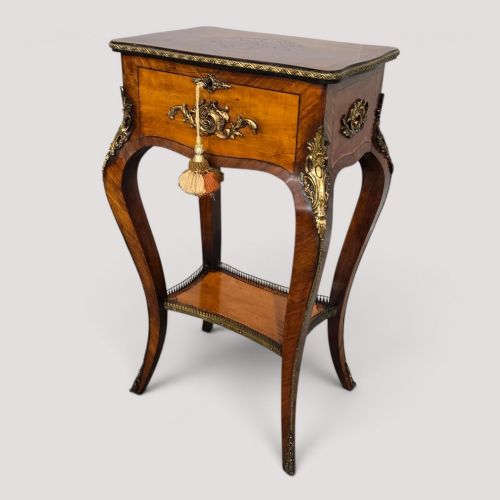
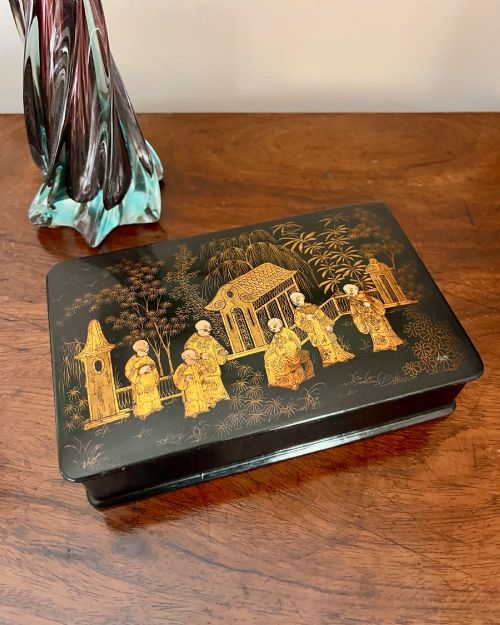
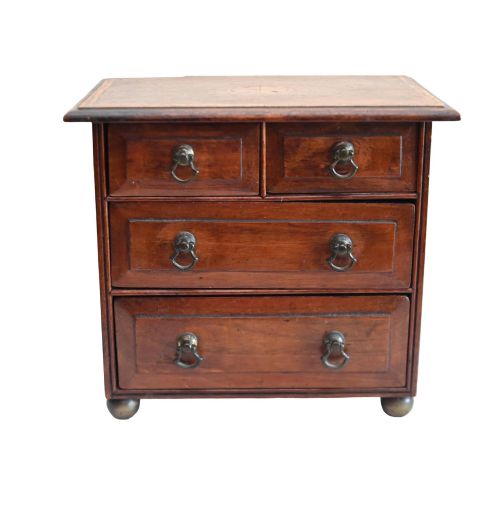
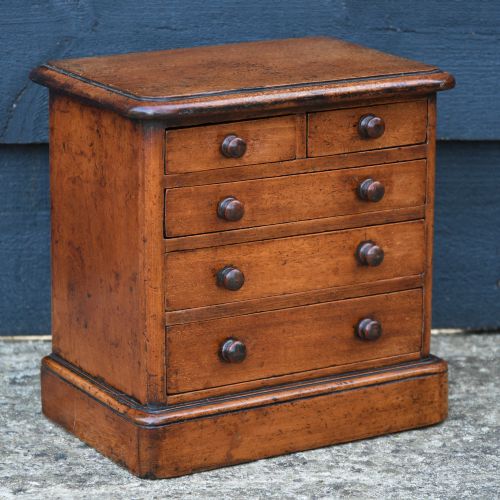
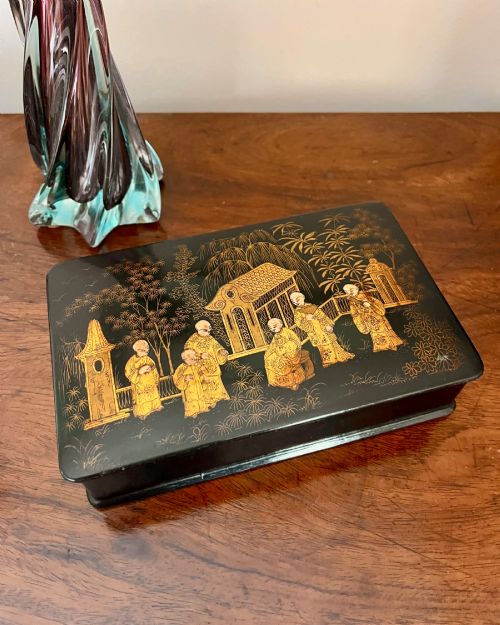
Cabinet makers utilised rosewood, walnut, mahogany, and satinwood, frequently finishing surfaces with marquetry, inlay, or lacquer.
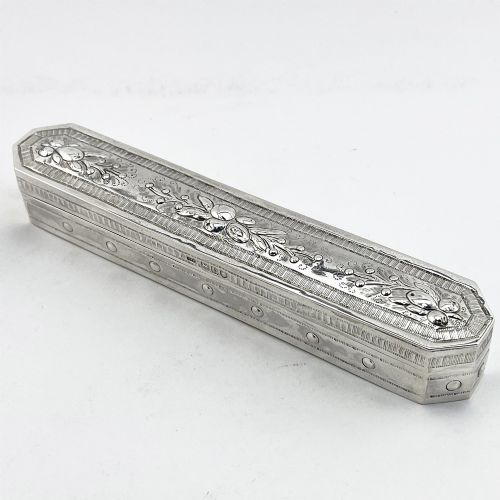
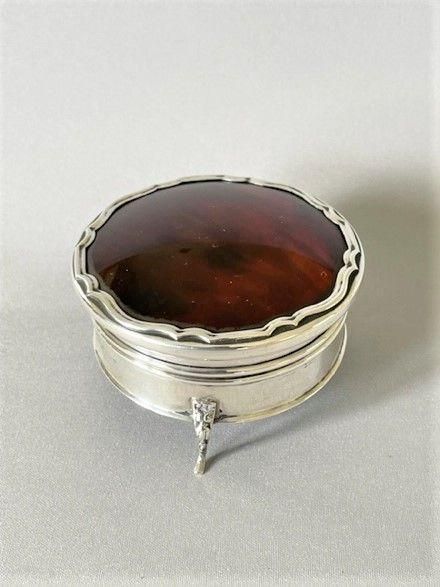
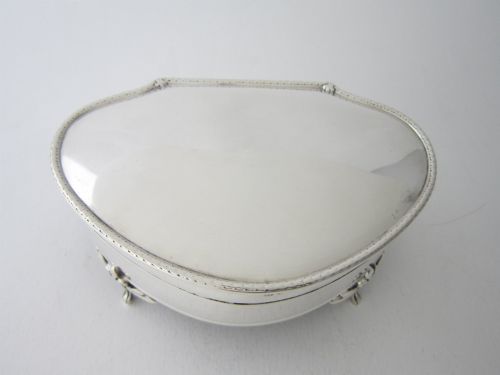
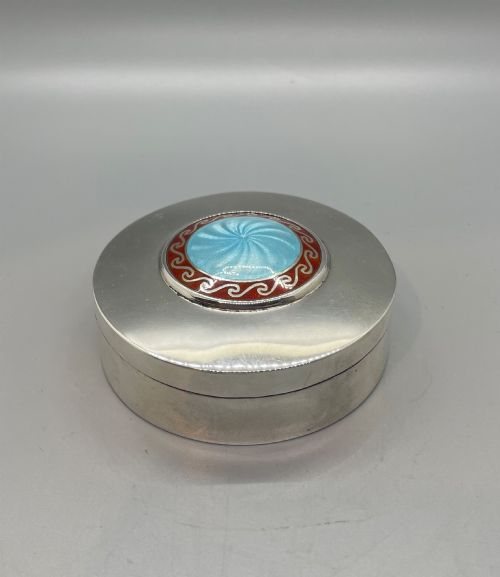
Metal boxes and mounts involve sterling silver, brass, bronze, and copper, shaped through repoussé work, casting, and engraving.
Interiors rely on velvet and silk linings fitted precisely to secure brooches, rings, bangles, and watches.
Distinctions in Execution
Quality rests upon the precision of the joinery, the integrity of the original lining, and the subtlety of surface ornamentation.
Makers known for exceptional retail supply, such as established silversmiths and Paris ateliers, distinguish the upper tier of the range.
Tahan Paris·Susse Freres Paris·Ollivant and Botsford·J C Vickery·Mappin and Webb·Goldsmiths and Silversmiths Company
The Antique Boxed Jewellery Glossary
- Bijouterie table
- A glass-topped display table designed for presenting small valuables and ornaments in a drawing room.
- Micro mosaic
- Tiny coloured glass tesserae assembled to form intricate pictorial motifs, commonly seen on nineteenth-century Italian brooches.
- Sarcophagus
- A casket shape featuring a sloped lid, popular for nineteenth-century wooden and stone storage boxes.
- Repoussé
- A metalworking technique where the design is hammered into relief from the reverse side.
- Boulle
- Marquetry style utilising tortoiseshell and brass inlay, named after the French cabinet maker.
Antique Boxed Jewellery: Frequently Asked Questions
How do I care for velvet interiors?
Keep wooden and leather containers away from direct sunlight and damp environments to protect delicate fabric linings.
Dust velvet interiors gently with a soft dry brush rather than liquid cleaners.
Were all boxes made for jewellery?
Many containers served multiple purposes, housing writing equipment, cufflinks, or cigarettes alongside precious ornaments.
Fitted trays and ring slots indicate pieces specifically manufactured for jewellery storage.
How do I date wooden boxes?
Examine the timber species, construction joints, and internal paper or velvet linings for period characteristics.
Rosewood and satinwood point toward Georgian and Victorian manufacturing eras.
What is a bijouterie table?
A bijouterie table is a raised display case with glazed panels intended for viewing collections without opening the lid.
These pieces typically date from the late nineteenth and Edwardian periods.