



Antique Boxed Game
These antique boxed game sets bring parlour leisure home, offering fitted timber cases and period counters designed for fireside entertainment.
Antique Boxed Game
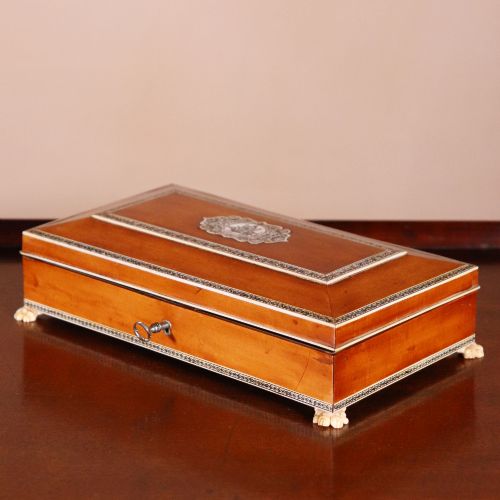
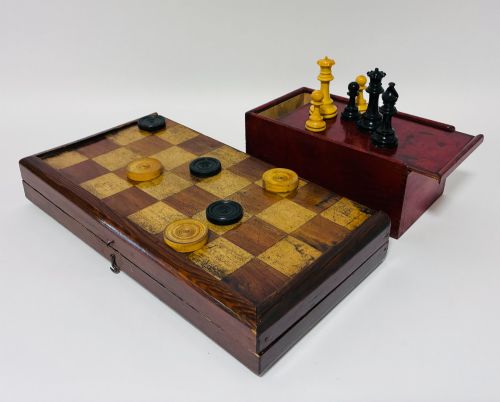
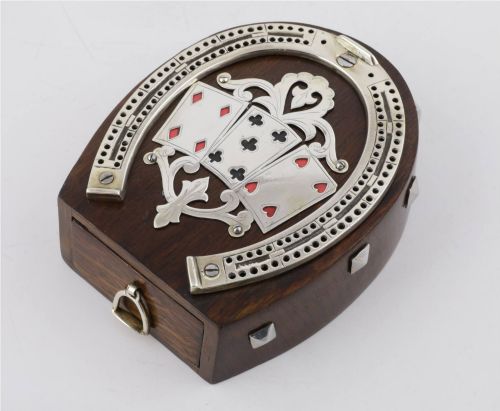
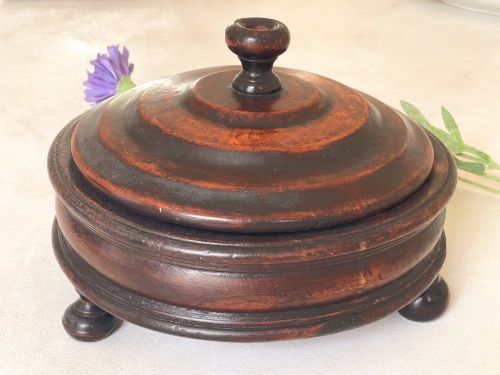
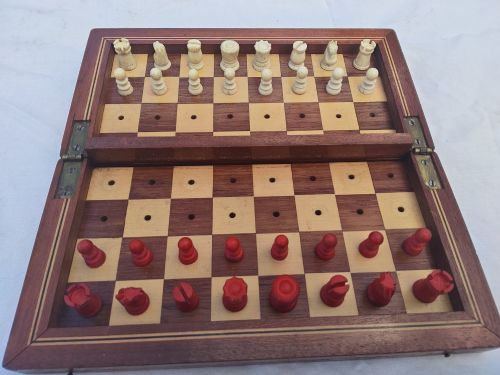
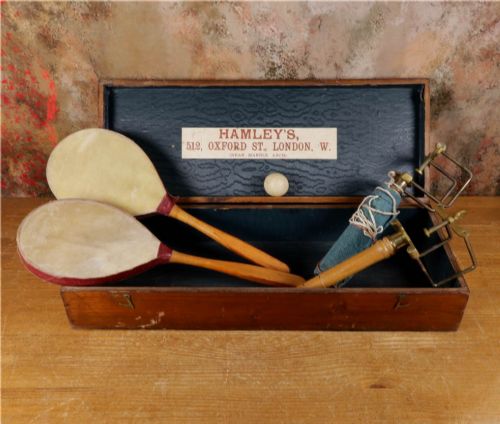
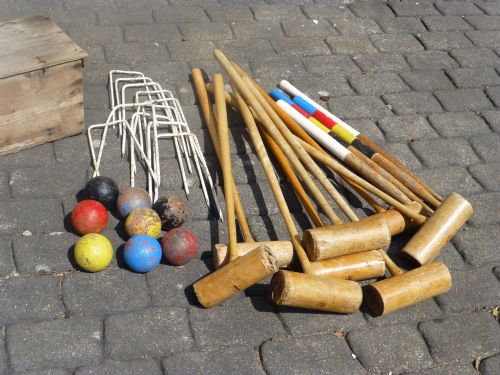
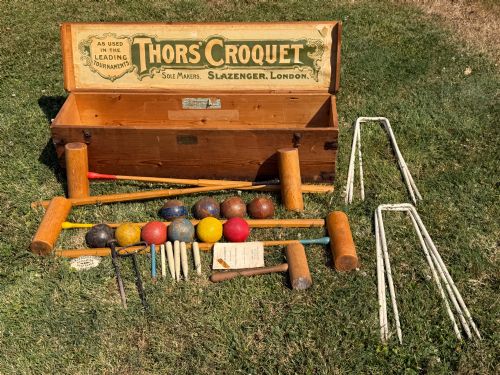
An antique boxed game comprises fitted containers, caskets, and folding boards intended for domestic pastime across the nineteenth and early twentieth centuries. Parlour entertainments range from travelling chess sets and cribbage boards to croquet sets housed in original pine crates and mahjong sets in fitted wooden cabinets.
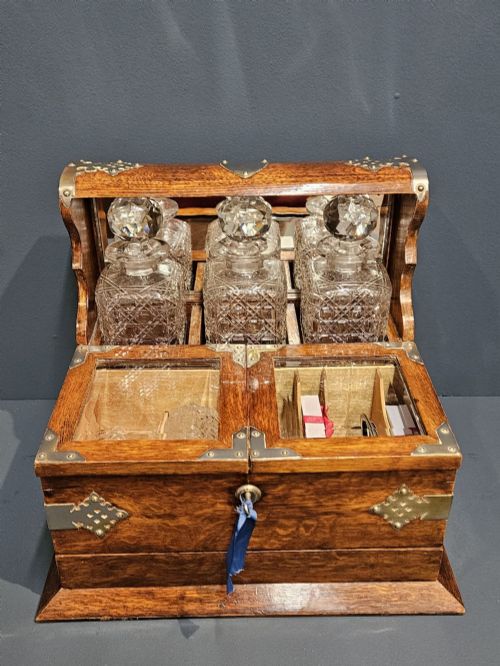
The nineteenth century and Edwardian periods supply the majority of these pieces, alongside Regency and Art Deco examples. Buyers encounter everything from leather-bound faux book boards and bone dominoes to large games compendiums incorporating decanters and tantalus units.
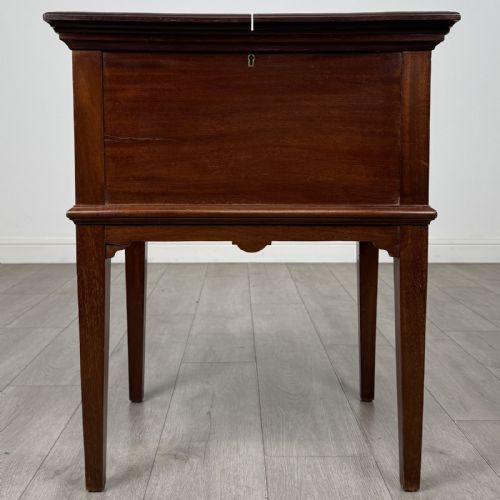
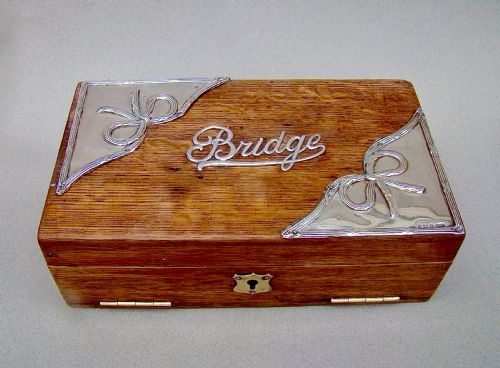
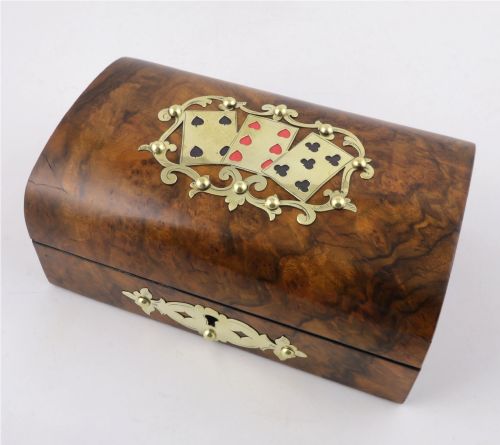
Occasional tables and work tables frequently double as playing surfaces, featuring inlaid tops or fold-out cabinets with hidden compartments for cards and counters. Dedicated games boxes appear in figured oak, burr walnut, and mahogany, often accented with brass fittings.
Materials and construction
Cabinet makers utilised dense hardwoods including mahogany, oak, walnut, and satinwood, frequently finishing surfaces with intricate marquetry inlay or cross-banding. Boxes often incorporate fitted interiors lined with velvet or leather to secure delicate playing components.
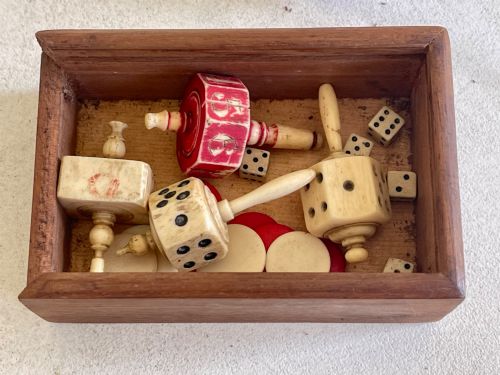
Internal elements showcase specialised craftsmanship in bone, boxwood, ebony, and brass. Metal mounts, hinges, and locks provide both structural reinforcement and decorative detail, while leather-bound containers mimic stacked volumes to disguise their recreational contents.
Antique Boxed Game Retail Price Guide 2026
Typical asking prices for boxed game among the pieces listed under this phrase on Sellingantiques today, from the lower quarter to the upper quarter. They describe what is for sale here now, not the wider market.
Listings feature brass, mahogany, oak, walnut, and silver plate across Victorian, Edwardian, and Regency periods.
Evaluating construction and completeness
Quality rests upon the integrity of the original fitted interior and the survival of a full complement of playing pieces. Compendiums that retain their original cut crystal decanters, bone counters, and marked boards command greater interest than assembled sets.
The standard of exterior cabinetry distinguishes finer examples, seen in the selection of figured burr walnut, precise brass stringing, and robust dovetail joints. Retaining original storage crates for outdoor sets like croquet adds significant authority to the piece.
A. Wilcox·Levi & Salaman·F.H.Ayres Ltd.
The Antique Boxed Game Glossary
- Tantalus
- A locking beverage cabinet featuring cut crystal decanters that prevents unauthorised access while displaying the contents. These units are frequently combined with fold-out games compendiums in Victorian households.
- Compendium
- A multi-game container holding equipment for several pastimes such as chess, whist, and cribbage within a single fitted cabinet. They utilise hinged trays and secret compartments to organise diverse components.
- Marquetry
- The art of applying decorative veneer pieces to a structural surface to form intricate geometric or pictorial designs. This technique decorates the lids of many nineteenth-century games tables and caskets.
- Teetotum
- A multi-sided spinning top used in gambling and parlour games as a substitute for dice. Bone examples were frequently produced by prisoners of war during the Napoleonic era.
Antique Boxed Game: Frequently Asked Questions
How do I date an antique games box?
Dating relies upon timber selection, hardware styles, and manufacturing techniques characteristic of periods from the Georgian era through to the Edwardian decades. Inscribed silver mounts with hallmarks provide precise calendar years for marked pieces.
Interior fittings and typography on instruction sheets or cribbage boards offer further chronological clues, distinguishing early nineteenth-century handmade pieces from later mass-produced compendiums.
What games are typically found in these boxes?
Common pastimes include chess, draughts, cribbage, whist, dominoes, and table croquet. Many Victorian compendiums combine several of these pursuits into one multi-tiered cabinet.
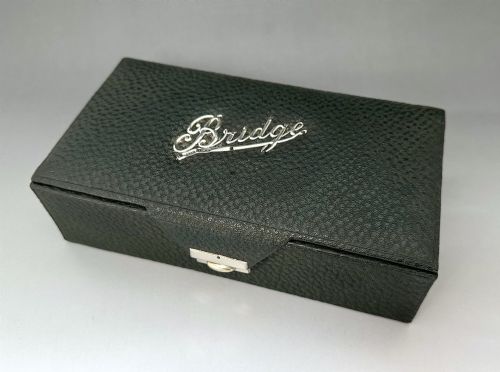
Specialist containers also house mahjong sets, roulette wheels, and card boxes with poker dice, reflecting the broad scope of Victorian and Edwardian parlour entertainment.
How should I care for wooden games boards?
Maintain timber surfaces by keeping them away from direct heat sources and fluctuating humidity that can warp mahogany, oak, or walnut. Occasional application of suitable wax preserves the polish without harming inlaid brass or marquetry.
Protect interior velvet or leather linings from moisture and direct sunlight to prevent fading and deterioration of delicate playing components.