


Antique Bottle Container
An antique bottle container holds liquids and small vessels securely, offering both function and decorative craft.
Antique Bottle Container
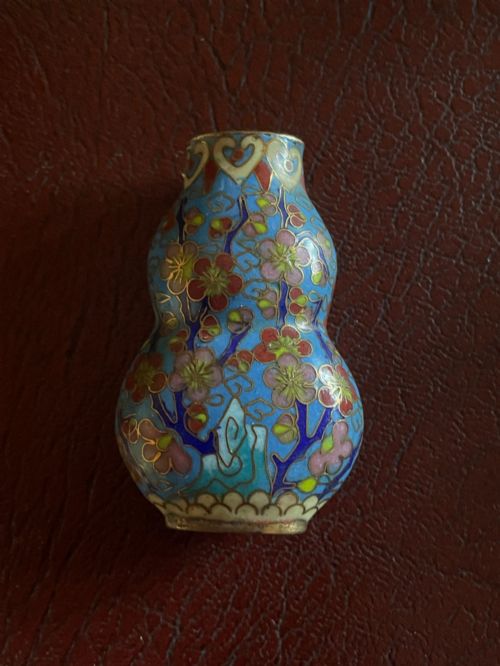
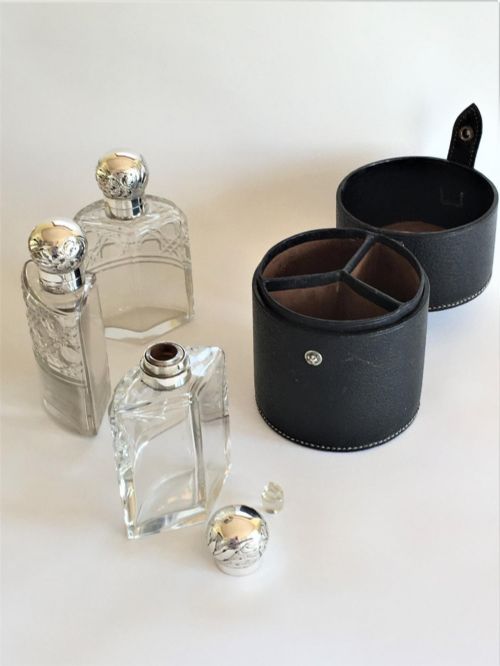
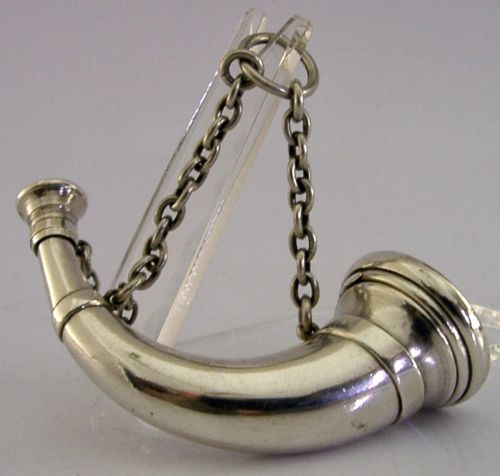
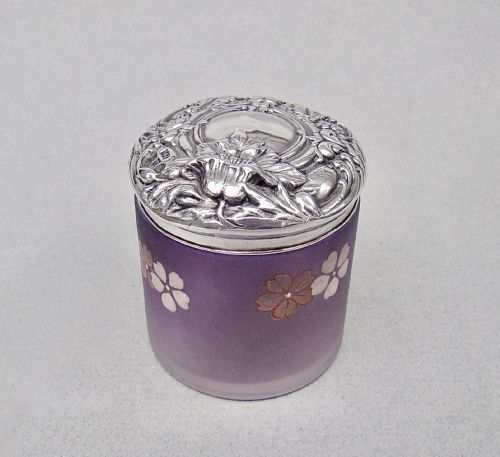
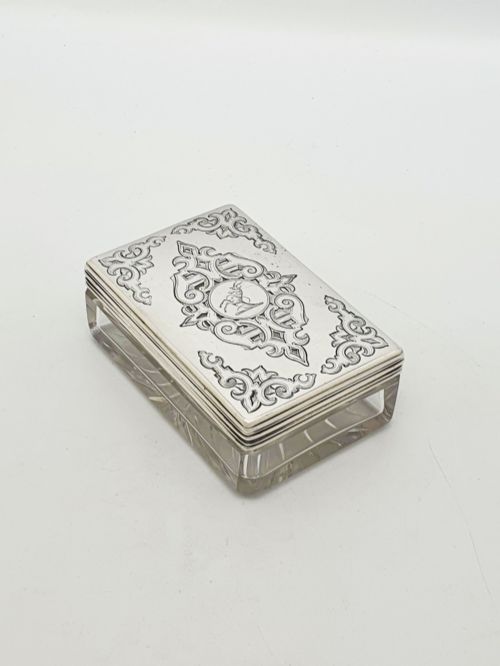
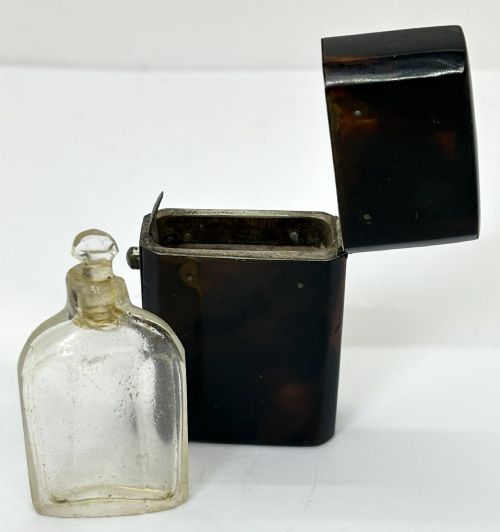
When searching for an antique bottle container, buyers encounter a diverse selection of vessels and holders spanning the eighteenth, nineteenth, and twentieth centuries. These objects range from fitted wooden treen fruitwood containers to elaborate silver-mounted dressing table jars, travelling cologne sets, and carved jade snuff bottles.
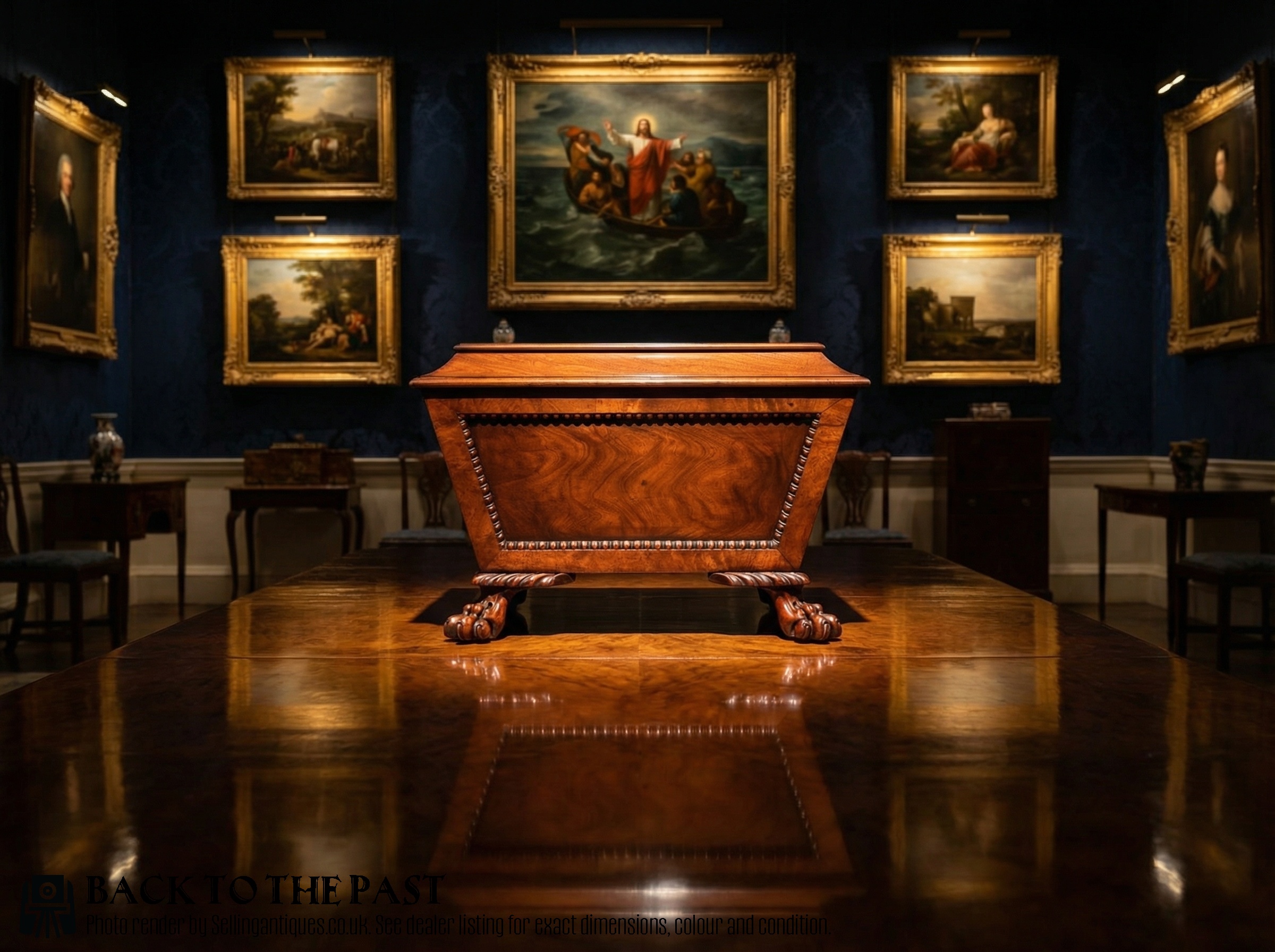
The versions most commonly met on this page include sterling silver and cut glass vanity jars, Victorian scent flasks, and Georgian wine coolers alongside Chinese snuff bottles. Materials vary widely, incorporating mahogany, tortoiseshell, enamel, brass, and glass.
Originating across British, European, and Asian workshops, these pieces served domestic, personal, and travel needs. Their forms reflect the specific social rituals of their respective periods, from formal dining to personal grooming.
Materials and construction methods
Silversmiths and metalworkers shaped sterling silver, brass, and silver-plate into mounts, lids, and frames, frequently applying hallmarks to verify origin and date. Glassmakers produced cut glass, frosted glass, and moulded black glass vessels designed to fit these metal housings precisely.
Organic materials such as tortoiseshell, mahogany, fruitwood treen, and spinach-green jade were carved, turned, and polished to form protective outer bodies and holders. Enamel work, including guilloche techniques, added decorative surface colour to metal lids and jars.
Assessing quality in containers
Superior examples demonstrate precision in the integration of mixed materials, such as a silver mount fitting a cut glass body without play or gap. The crispness of hand-carving on jade, tortoiseshell, or wood distinguishes finer artisan output from standard production.
The presence of clear hallmarks, maker marks, and well-preserved internal components elevates a piece. Finer items retain original matching stoppers, complete glass trios, or undamaged enamel work, while lesser pieces show replacement elements or heavy wear to delicate surfaces.
SAMPSON MORDAN·Goldsmith's and Silversmith's Co.
The Antique Bottle Container Glossary
- Treen
- Small handmade wooden objects produced from timber or fruitwood. These items were turned on a lathe or carved for domestic use.
- Vinaigrette
- A small ornamental box featuring an internal pierced grille. It held a sponge soaked in aromatic vinegar.
- Guilloche enamel
- A decorative technique where a metal surface is engraved with repetitive geometric patterns and coated with translucent enamel.
- Wine cooler
- A large vessel designed to hold wine bottles and ice during dining. They appear in mahogany, brass-bound formats, and plated metal.
- Snuff bottle
- A small container used to hold powdered tobacco. These bottles originate frequently from Asian workshops in materials like jade and glass.
Antique Bottle Container: Frequently Asked Questions
What is an antique bottle container?
An antique bottle container is a functional vessel or housing designed to store, protect, or transport smaller bottles, flasks, and jars. These items encompass everything from fitted wooden wine coolers and treen perfume holders to silver-mounted dressing table jars.
They span multiple centuries and design movements, reflecting the storage and carriage needs of past domestic and travelling life.
How do I date a silver-mounted jar?
Dating relies primarily on the assay office hallmarks stamped into the sterling silver mounts or lids. These marks typically include a date letter, a standard mark, and a city mark indicating where the metal was tested.
Stylistic cues, such as Edwardian glass cutting or Art Nouveau enamel patterns, help narrow the production period when combined with these official stamps.
Were these containers used for travel?
Many examples, particularly travelling cologne trios and spirit flasks, were constructed specifically for carriage in luggage or carriages. Fitted cased sets secured multiple glass bottles against movement during transit.
Other forms, such as dressing table jars and wine coolers, remained stationary in homes for daily use or dining room service.
What materials were commonly used?
Makers utilised a diverse combination of materials depending on the intended function and period style. Sterling silver, brass, and silver-plate provided durable rims, mounts, and lids for glass or crystal vessels.
Organic and decorative substances such as mahogany, tortoiseshell, jade, enamel, and fruitwood treen formed the bodies and outer protective housings.
How do I clean silver mounts safely?
Silver mounts require gentle cleaning with a soft microfibre cloth and a mild polish formulated specifically for silver. Care must be taken to avoid getting polish or liquid cleaners into the surrounding glass cuts, enamel, or organic materials like tortoiseshell and wood.
Frequent light dusting preserves the metal finish better than aggressive, repeated chemical polishing.