


Antique Botanical Study Painting
An antique botanical study painting captures the meticulous detail of flora through watercolour, gouache, or oil on paper, canvas, and panel.
Antique Botanical Study Painting
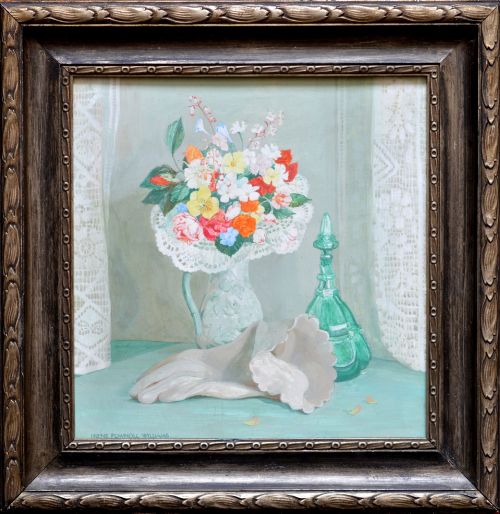
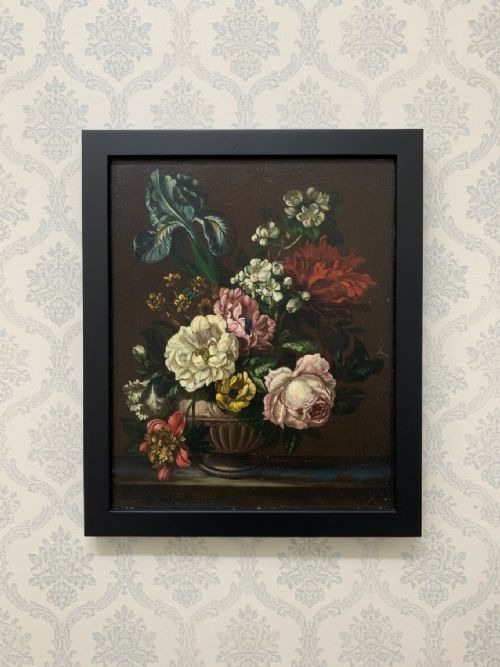
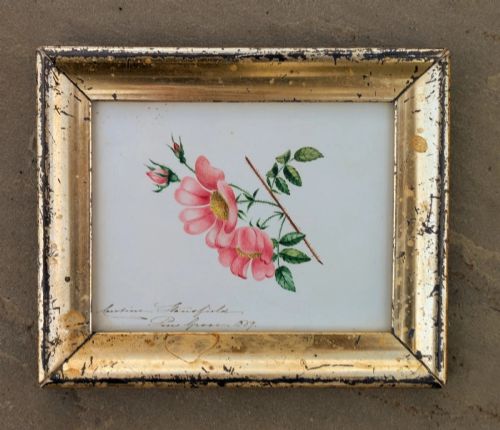
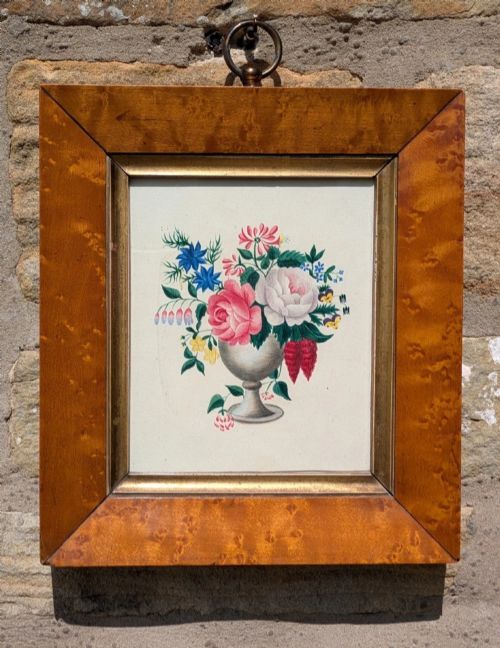
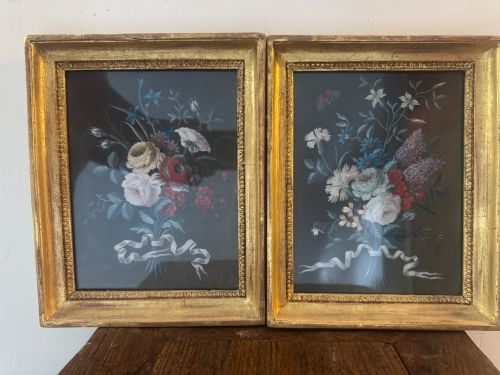
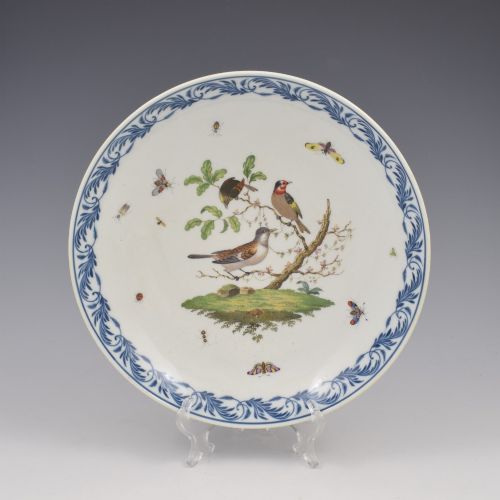
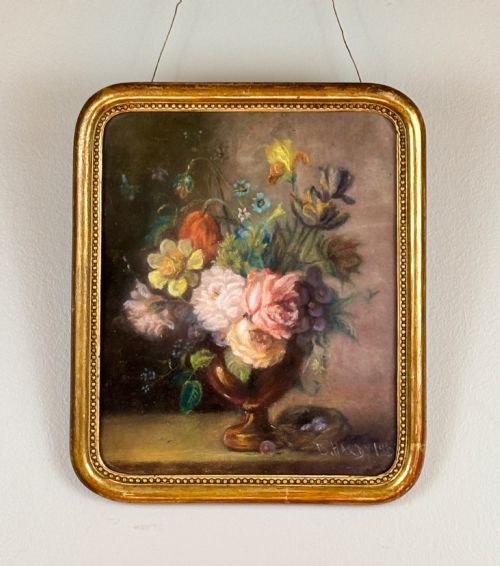
An antique botanical study painting records floral, fruit, or avian subjects with scientific precision and artistic intent. These works emerge most frequently from the nineteenth century, executed in watercolour, gouache, and oil.
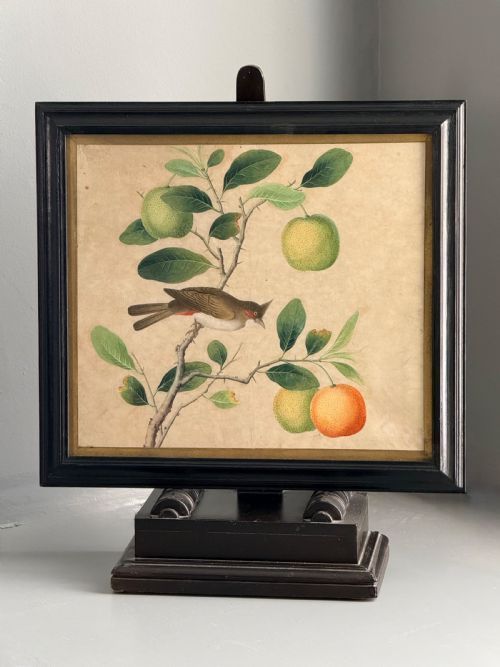
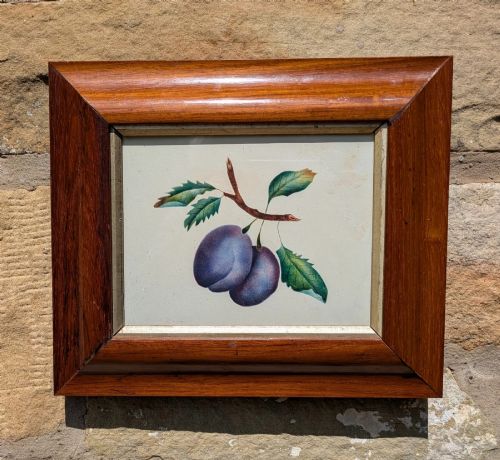
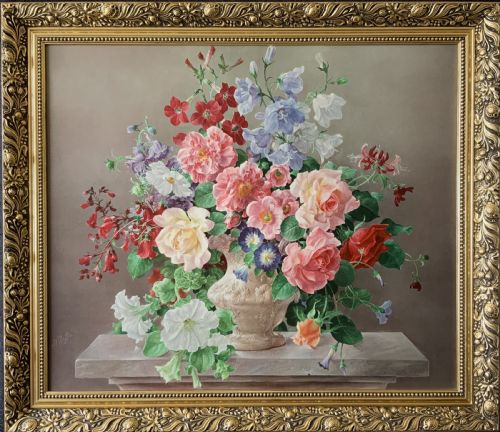
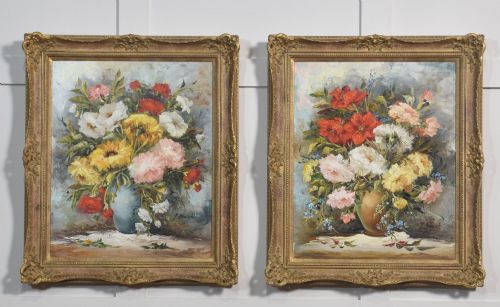
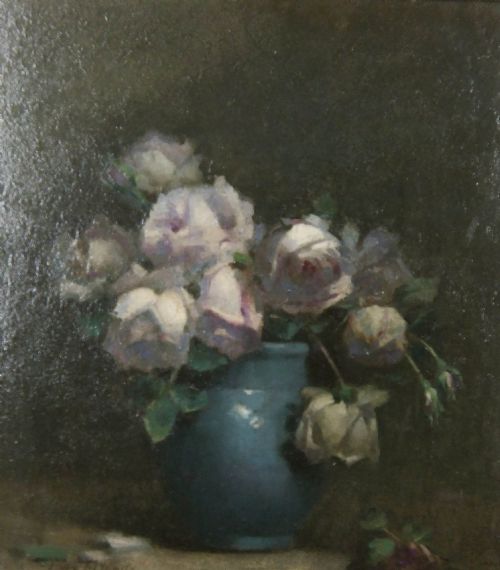
The pieces on this page span framed wall art, delicate works on paper, and panels, originating from British, Chinese export, and continental European hands. Subjects range from singular roses and wild flowers to structured arrangements in rosewood or gilt frames.
Buyers encounter both intimate cabinet watercolours and larger oil paintings, reflecting the diverse ways past centuries documented the natural world for study and home display.
How They Were Made
Artists built these images using watercolour, gouache, oil paint, or tempera applied to paper, pith paper, canvas, silk, or wood panels. Detail work often involved fine pencil underdrawings to map out petal structures and leaf veins before colour application.
Support materials varied widely, from traditional stretched canvas and wooden panel boards to fragile pith paper and silk imported through trade channels. Frames of rosewood, gilt, or simple wood completed the works to protect the painted surface.
Listings feature works spanning the eighteenth century through to the mid-twentieth century, utilising paper, canvas, wood, and pith paper.
What Varies in Quality
The precision of the brushwork and the accuracy of the botanical observation distinguish finer examples from standard decorative works. Mastery over medium control, particularly in translucent watercolours or dense bodycolour gouache, dictates the visual depth.
Condition of the support and pigment vibrancy play a major role in evaluation, as light exposure can alter delicate watercolours on paper. The quality of the framing, whether original rosewood or period gilt, adds context to the piece's preservation.
Irene Christobelle Pownoll Williams·Meissen Porcelain·William Thomas Wood·William Andrews Nesfield·Edith Barrow·Grace Hastie·Marian Chase·L. Wilford·Pierre-Joseph Redouté·Charlotte Isa James·Arthur Wardle·Alice Macallan Swan·Marion Broom·Annie Mary Youngman·Margaret Evangeline Wilson·John Sherrin·M.K Rhodes·Owen Bowen·Minnie Smythe·Otto Soltau
The Antique Botanical Study Painting Glossary
- Gouache
- An opaque water-based paint that provides solid, matte colour blocks. It differs from transparent watercolour through the inclusion of a white pigment filler.
- Pith paper
- A delicate material cut from the pith of the Tetrapanax papyrifer plant. Artists used it in nineteenth-century Chinese export workshops for vibrant watercolour and gouache paintings.
- Tempera
- A permanent, fast-drying painting medium consisting of coloured pigment mixed with a water-soluble binder entity such as egg yolk. It yields a durable matte finish on wood panels.
- Provenance
- The documented history of ownership of a work of art. It establishes authenticity and traces the journey of a painting from its creation.
Antique Botanical Study Painting: Frequently Asked Questions
What is an antique botanical painting?
An antique botanical painting is a historical artwork depicting plants, flowers, or fungi with scientific accuracy and artistic composition. These pieces served both educational purposes and home decoration.
Created primarily in watercolour, gouache, and oil during the eighteenth and nineteenth centuries, they reflect the era's deep fascination with natural history and horticulture.
How should I frame and hang these watercolours?
Watercolour and gouache paintings on paper require protection from direct sunlight to prevent fading of the delicate pigments. Use UV-filtering glass and acid-free mounts during framing.
Keep them away from damp environments such as bathrooms, hanging them on interior walls with stable temperature and humidity levels to preserve the paper and original frames.
How do I identify the period of a painting?
Dating relies on examining the substrate materials, such as vintage paper stocks, pith paper, or wood panels, alongside framing styles like nineteenth-century rosewood or gilt.
Artist signatures, inscriptions on the reverse, and stylistic clues typical of periods like the Regency or Victorian eras also help narrow down the creation date.
What is the difference between watercolour and gouache?
Watercolour relies on transparent washes of pigment where the white of the paper illuminates the colour layers. It creates a luminous, delicate effect.
Gouache incorporates a white pigment base to create an opaque, matte finish that allows artists to paint light details over dark areas.