



Antique Book Supports
These antique book supports keep volumes upright on shelves while bringing sculptural presence into a room.
Antique Book Supports
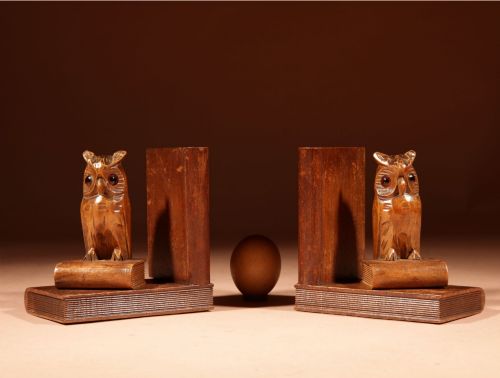
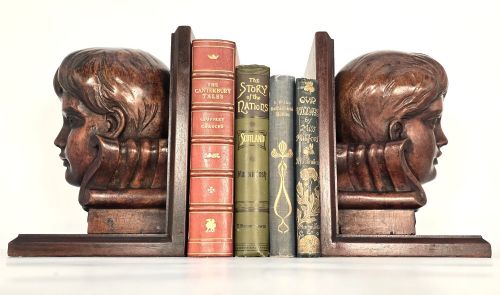
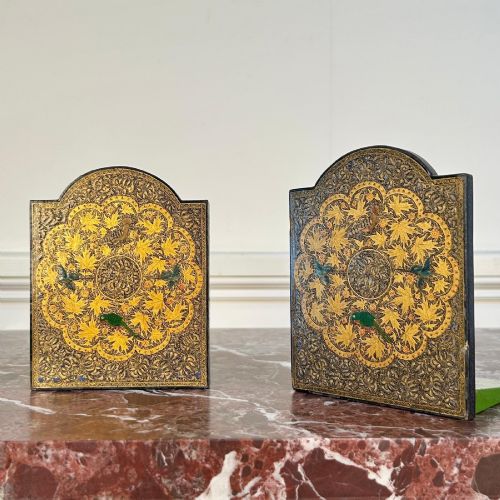
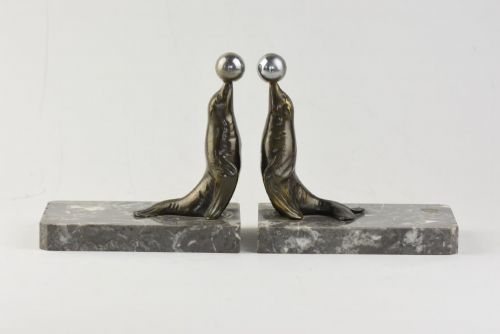
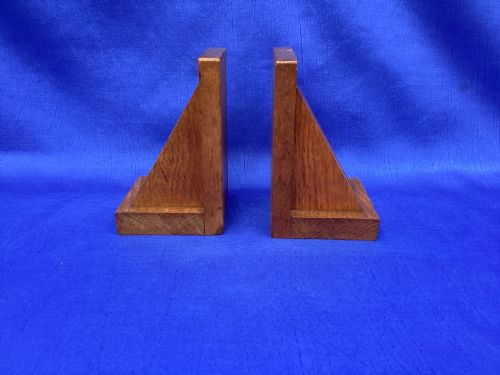
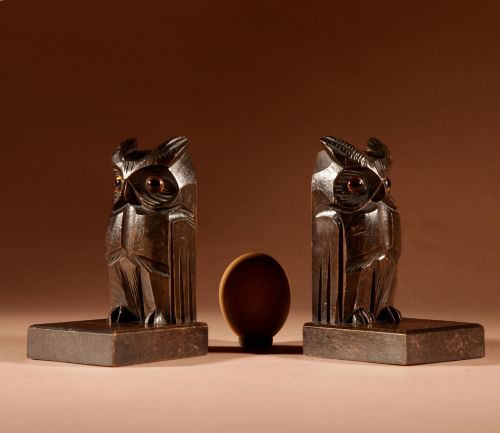
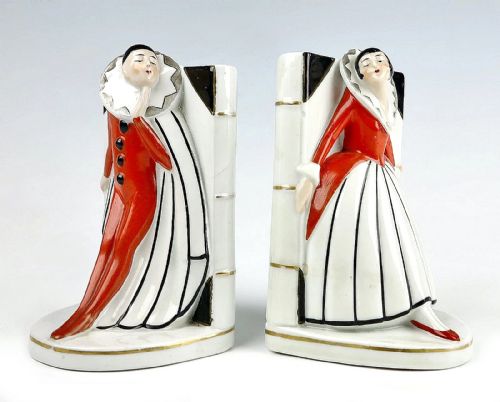
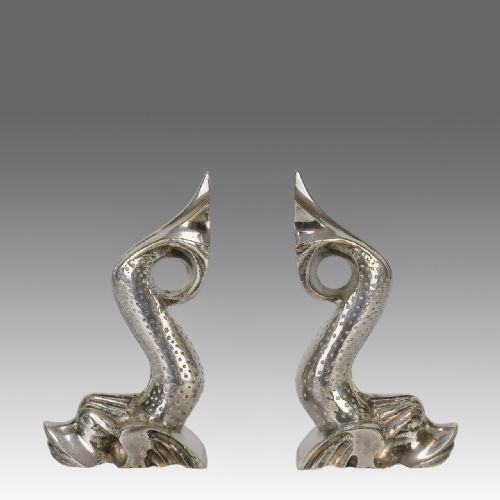
Antique book supports appear in various forms, from carved wooden animals to metal figures designed to keep library volumes upright on shelves. The selection ranges from Victorian wood and brass pairs to Art Deco metal and marble designs.
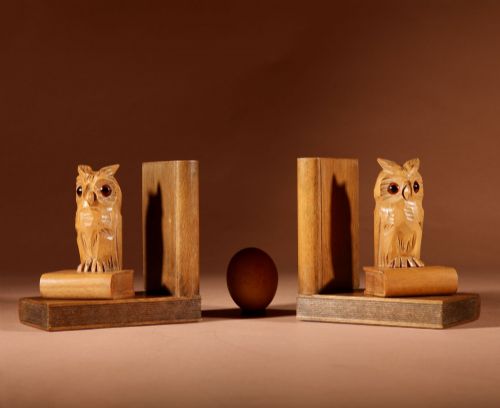
Makers produced these objects in matched pairs, often depicting owls, lions, elephants, or architectural motifs. Regional workshops in the Black Forest and France contributed significantly to the variety found in domestic interiors.
How they were made
Carvers shaped timber such as oak, mahogany, linden wood, and yew into detailed animal and architectural forms. Workshops utilised hand-carving chisels to render fur, feathers, and classical details with precision.
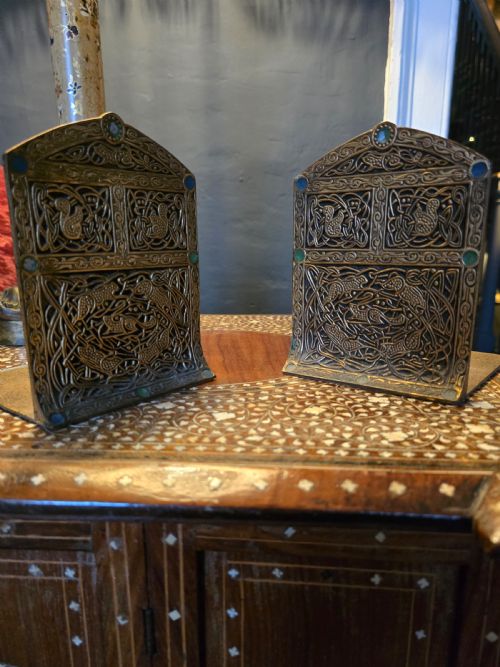
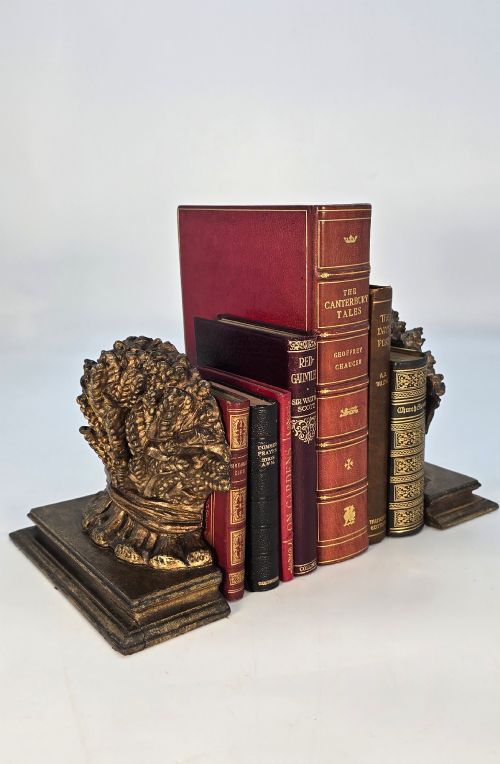
Foundry workers cast metals including bronze, brass, and spelter, frequently applying silvered, gilt, or patinated finishes. Stonework such as marble and alabaster provided heavy bases to anchor the weight of large volumes.
Antique Book Supports Retail Price Guide 2026
Typical asking prices for book supports among the pieces listed under this phrase on Sellingantiques today, from the lower quarter to the upper quarter. They describe what is for sale here now, not the wider market.
Period styles span from the Regency era and Victorian Gothic Revival through Arts and Crafts to Art Deco.
What varies in quality
The definition of the carving separates standard production from superior work, particularly in Black Forest animal figures and wooden sculptures. Crisp lines in cast metal and the weight of stone bases indicate higher standards of manufacture.
Original patination and surface finishes determine the integrity of a piece. Examples retaining their untouched patinated bronze, original silvering, or genuine timber grain hold greater visual depth.
Tiffany Studios New York·F Abella & Sons·Franz Gruber·C Omin·V Ramirez Bolivia·Thornton Smith Co·Compton Potters Art Guild·Gillows
The Antique Book Supports Glossary
- Spelter
- A zinc alloy commonly used in the manufacture of decorative figures during the nineteenth and twentieth centuries. It takes patination well to simulate bronze.
- Black Forest
- A regional style of wood carving originating in Switzerland and Germany, noted for realistic animal subjects such as bears and owls. Linden wood is the primary material utilised.
- Patina
- The surface appearance acquired by materials through age, handling, and exposure to the environment. It indicates the natural ageing process of bronze, brass, and timber.
- Whatnot
- A piece of open shelving furniture designed for displaying ornaments and books. It appears alongside desktop book supports in period libraries.
Antique Book Supports: Frequently Asked Questions
How do I date antique book supports?
Dating relies on identifying stylistic markers, such as Art Deco geometric forms or Victorian Gothic details, combined with material analysis.
Examining construction methods and any maker signatures or stamps provides further chronological context.
Are these heavy enough for large books?
Many pairs utilise dense materials like marble, bronze, and solid hardwoods to support heavy volumes effectively.
Lighter wooden or spelter examples function best with moderate shelf loads or smaller collections.
Where should I place them in a room?
They sit at the ends of bookshelf rows to secure loose volumes while adding a decorative focal point to shelving.
Collector pieces also stand independently on desks or side tables as small sculptures.
How should I clean wooden book supports?
Dusting with a dry, soft cloth prevents the accumulation of dirt within intricate carved details.
Avoid harsh liquid cleaners that strip the original patinated finish from timber or metal surfaces.