



Antique Book Rest Table
An antique book rest table offers a sturdy, adjustable surface for volumes and sheet music, combining practical utility with period craftsmanship.
Antique Book Rest Table
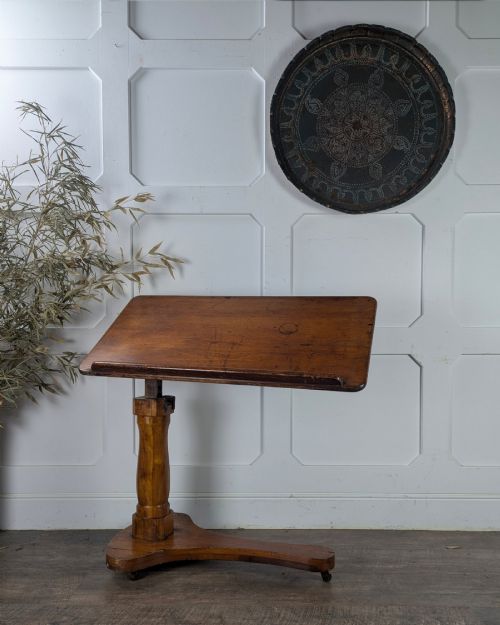
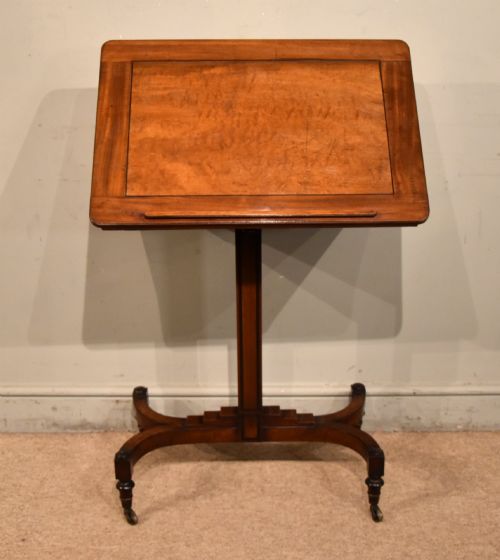
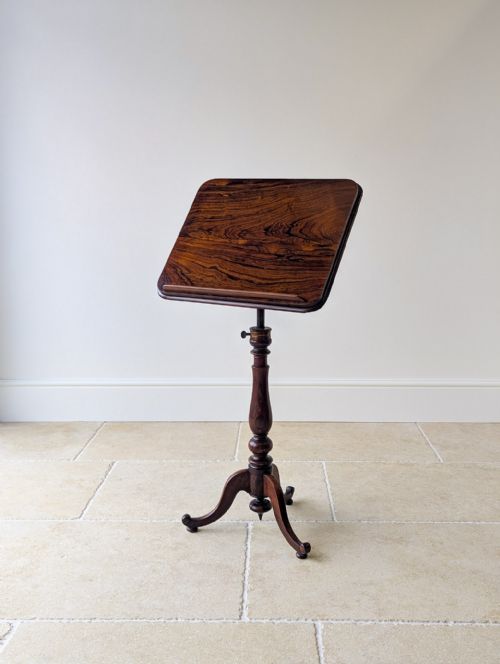
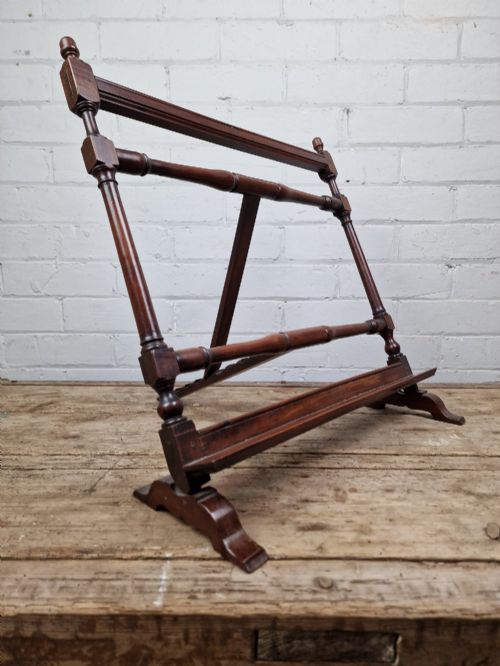
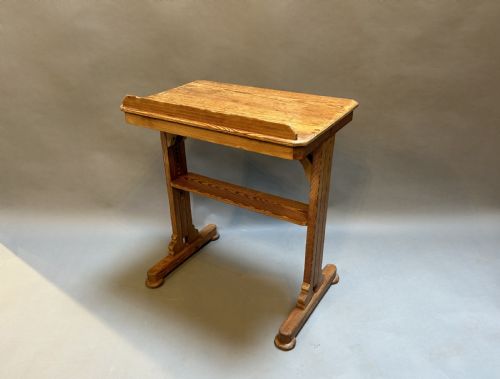
An antique book rest table combines a functional reading stand with a compact surface, frequently encountered in forms such as reading tables, occasional tables, and adjustable lecterns. Buyers search for these pieces to hold books, folios, or sheet music at a comfortable angle in studies and libraries.
The selections span significant historical periods, running from the eighteenth century through the Regency and Victorian eras into the early twentieth century. Materials range from traditional timbers like mahogany, rosewood, and oak to utilitarian pine, teak, and brass.
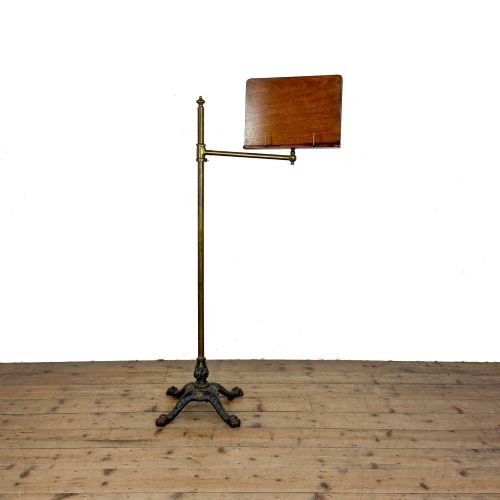
Object types vary widely across the inventory, taking shape as table-top easels, extending book slides, folding book racks, and double-sided reading stands. Certain examples incorporate specific regional styles, including Anglo-Indian carvings and Burmese teak constructions.
What Varies in Quality
The sophistication of the adjustable mechanism dictates much of the distinction between standard items and superior examples. Smooth movement in ratchets, brass screws, and iron brackets indicates higher grade manufacturing.
Choice of timber and depth of carving separate utilitarian pieces from high-status library furniture. Finely grained mahogany and intricately carved teak represent the upper tier of construction.
Some nineteenth-century readers preferred marine-themed tables with adjustable book rests to keep their reading steady while enjoying a gentle voyage.
Carters of London·Jones and Willis
The Antique Book Rest Table Glossary
- Lectern
- A reading desk with a sloping surface designed to hold a book or speech at a height and angle suitable for a standing or seated reader. These often feature adjustable ratchets or hinged supports.
- Book slide
- An extending rack designed to hold a row of books upright on a desk or table, usually fitted with expanding ends. They frequently appear in Victorian libraries and studies.
- Mauchline ware
- Souvenir items made from whitewood, decorated with photographic transfers or tartan patterns. These small pieces often include miniature book stands and reading rests.
- Regency
- An architectural and design period spanning the early nineteenth century, known for classical restraint and influenced by Greek and Roman forms. Furniture from this era often utilises dark mahogany.
Antique Book Rest Table: Frequently Asked Questions
How do I adjust the reading angle?
Most pieces utilise a wooden ratchet mechanism, brass support arm, or iron bracket located beneath the book ledge. Lifting the desk surface allows the support bar to slot into different notches.
Heavier mechanical stands may feature screw adjustments or pivoting joints that require careful handling to secure the desired slope for reading.
Can these tables be used for laptops?
Adjustable reading tables and lecterns provide a sturdy surface that can accommodate modern devices of similar dimensions to large books or folios. The tilting platforms help position screens at ergonomic angles.
Users should check the weight capacity and surface dimensions, particularly on antique pine or folding teak models designed primarily for paper.
What is the difference between a lectern and a reading table?
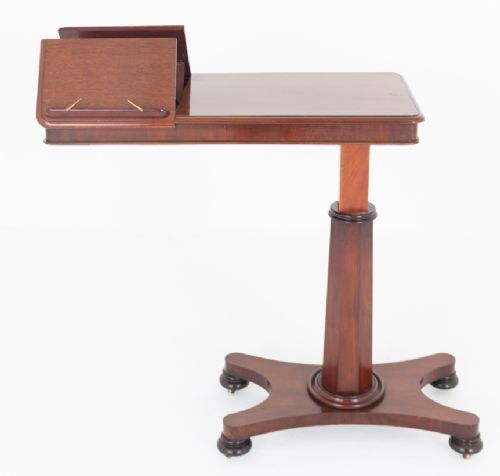
A lectern typically provides a dedicated sloping surface meant for holding a single large volume or sheet music, often positioned at a standing height or placed upon an existing piece of furniture. A reading table combines this adjustable top with an independent base or occasional table structure.
Many Victorian and Regency examples integrate both functions, offering a flat surface area alongside a pivoting book rest.
How do I care for antique mahogany and rosewood?
Timbers benefit from being kept away from direct sunlight and sudden temperature changes, which can cause the wood to dry out or split. Regular dusting with a soft, dry cloth preserves the finish.
Occasional applications of appropriate wax polish help maintain the lustre of Victorian and Regency surfaces without building up heavy residue.