
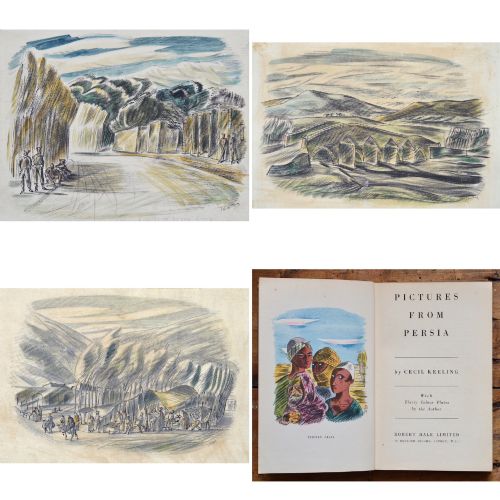
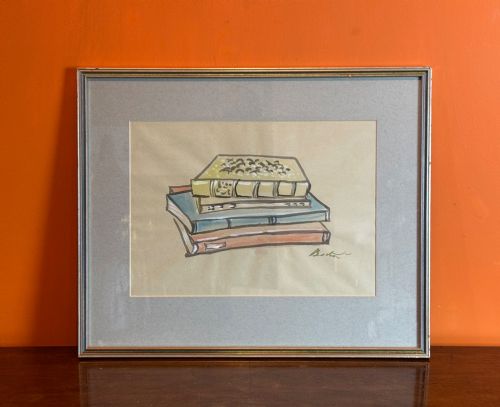
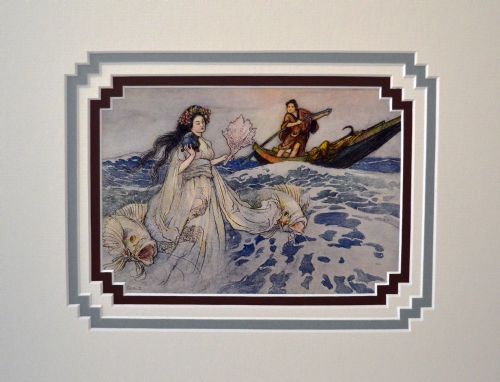
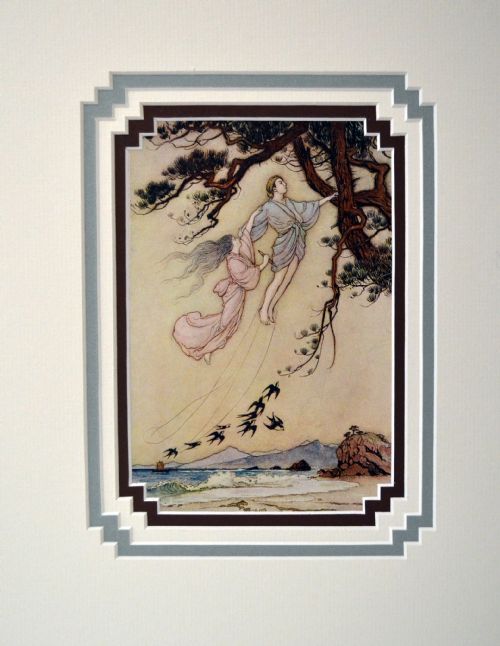
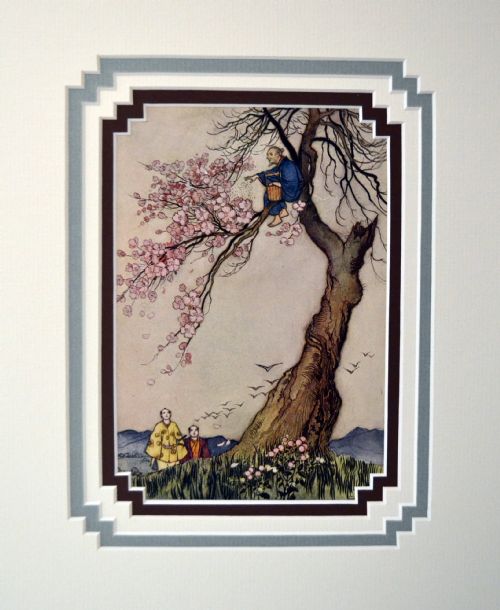
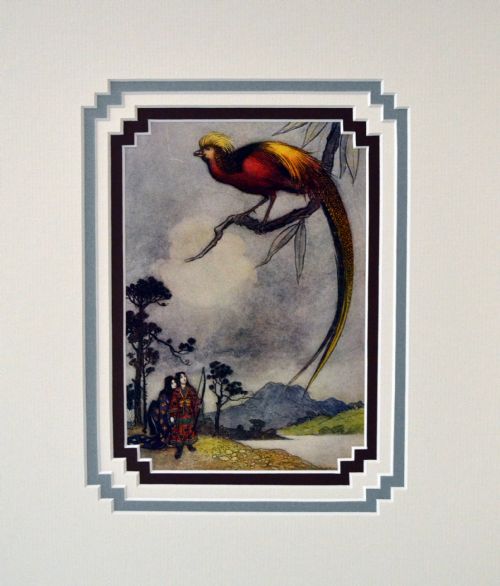


Antique Book Illustration
Antique book illustration brings stories to life on paper, offering framed scenes and plates that collectors treasure for their period detail and narrative charm.
Antique Book Illustration
Every antique book illustration represents a fragment of a published volume or an original drawing intended for publication. Buyers seek these pieces to bring narrative art onto their walls, connecting past literary traditions with visual history.
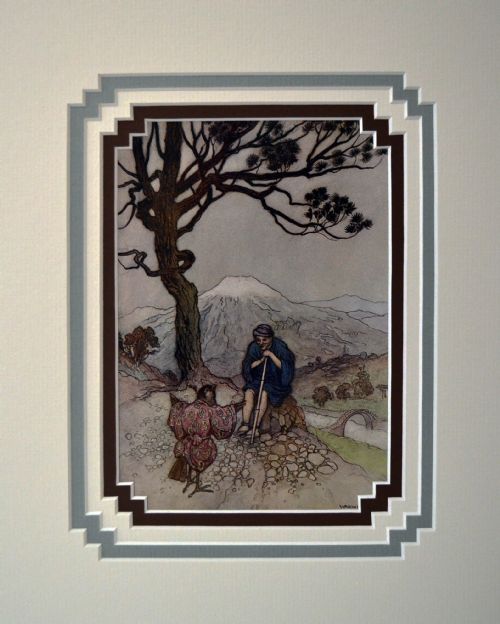
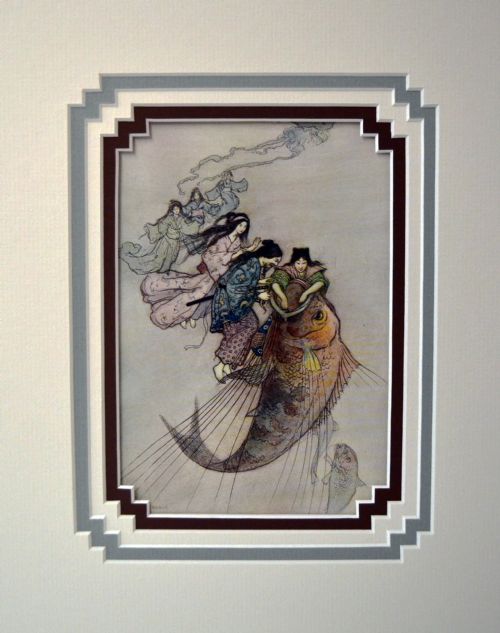
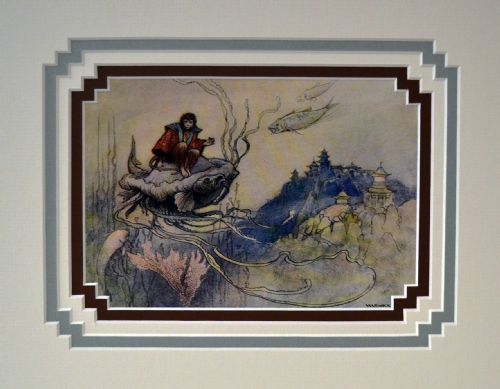
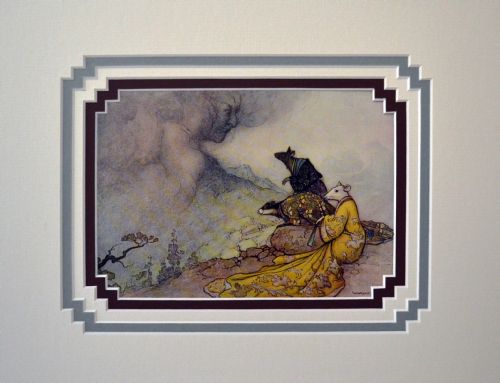
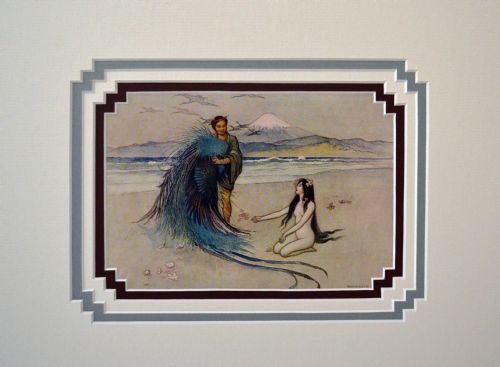
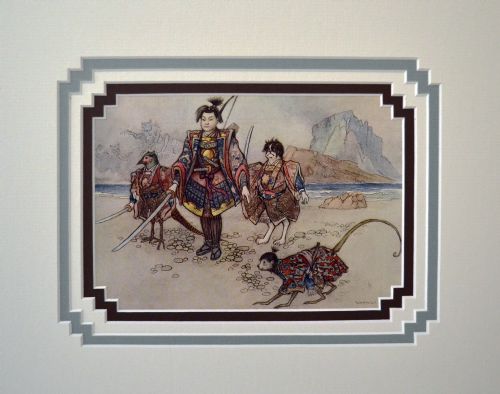
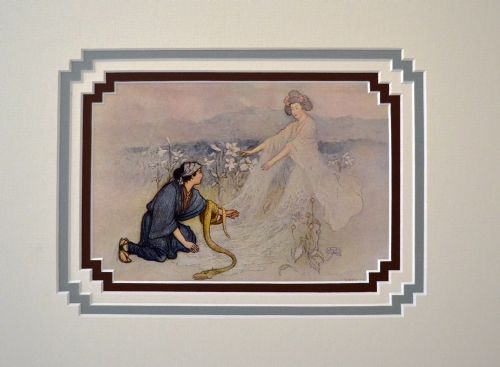
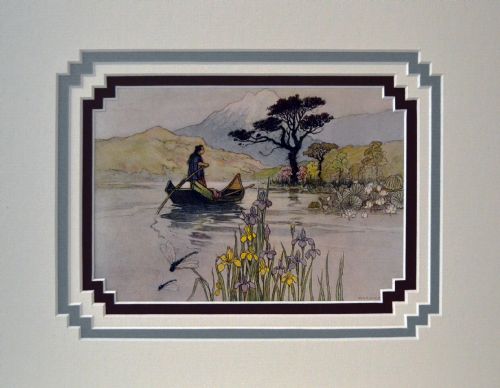
The selection ranges from Victorian ornithological volumes and Gothic architectural studies to Edwardian fairy tale plates and early twentieth century watercolours. Works by notable illustrators appear alongside original pen and ink drawings created for regional histories and classic literature.
Framed prints and loose plates dominate the offerings, spanning the nineteenth century through to the nineteen thirties. Collectors encounter Edwardian art nouveau aesthetics, golden age illustration, and Japonisme influences within these varied formats.
How they were made
Makers utilised paper, card, and mountboard as the primary supports for ink, watercolour, and print techniques. Wood and glass frequently complete the construction of framed pieces preserved from the period.
Artists applied ink and watercolour by hand for original drawings, while published volumes relied on first edition printing methods to reproduce detailed imagery. Mount board and card provided structural rigidity for presentation and framing.
Listings feature paper and card supports housed in wood and glass frames, spanning the Victorian era through the nineteen thirties.
What varies in quality
Execution and authorship separate standard book plates from signed original watercolours and drawings by identified artists. The clarity of ink work and the delicacy of watercolour washes determine the visual impact of each sheet.
Condition of the paper and mountboard influences the desirability of the piece, alongside the historical significance of the associated publication. Original drawings tied to specific literary works hold distinct appeal compared to standard reproduced plates.
Warwick Goble·Butler·Gustave Dore·Fred Lawson·Mary Wheelhouse·J S Fletcher·George M Brighty
The Antique Book Illustration Glossary
- Antique Print
- An impression on paper produced from a block, plate, or stone during a past era. These form the bulk of published illustrations found in older volumes.
- Mountboard
- Heavy paperboard used to frame and support works on paper. It protects the edges of the illustration while separating the image from the glass.
- Gothic Revival
- An architectural and artistic style from the nineteenth century reviving medieval forms. Pieces reflecting this aesthetic often feature pointed arches and ecclesiastical details.
- Japonisme
- The influence of Japanese art on Western styles, prominent during the late nineteenth and early Edwardian periods. This approach emphasises flat perspective and delicate botanical elements.
- First Edition
- The initial published run of a book containing original plates. Prints from these early printings generally exhibit sharper detail than later impressions.
Antique Book Illustration: Frequently Asked Questions
What is an antique book illustration?
An antique book illustration is an original drawing, watercolour, or printed plate created for inclusion in a past publication. These pieces range from Victorian natural history plates to Edwardian fairy tale artwork.
Collectors frame these works to display narrative art and historical aesthetics in domestic settings. They capture the printing and artistic techniques of periods spanning the nineteenth and early twentieth centuries.
How do I identify the period?
Dating relies on stylistic clues, paper characteristics, and contextual information tied to known publication dates. Victorian pieces often display Gothic revival influences or dense natural history documentation.
Edwardian works frequently incorporate art nouveau lines or Japonisme motifs. Reference to specific authors or printing dates in the title helps confirm the era of origin.
Are these original drawings or prints?
The category includes both original hand-drawn works in pen, ink, and watercolour, alongside published prints from first edition books. Original drawings are unique items created directly by the artist for a specific manuscript.
Printed illustrations were mechanically or manually reproduced to accompany text within published volumes. Both forms offer a tangible connection to historical book production.
How should I frame and display them?
Framing requires acid-free mountboard and protective glass to prevent fading and paper degradation over time. Keeping illustrations away from direct sunlight preserves the delicate ink and watercolour pigments.
Matching the frame style to the period of the illustration enhances its visual presentation on the wall. Cardboard backing should be archival grade to maintain the longevity of the paper.