







Antique Bohemian Rug
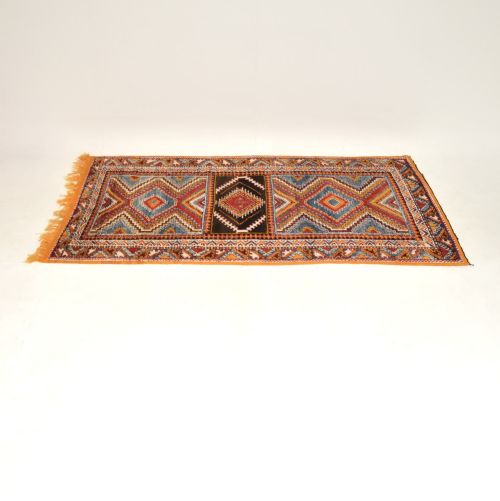
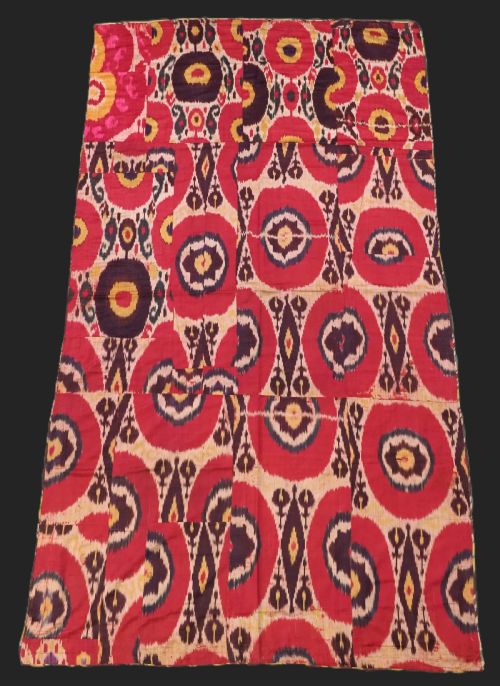
These antique bohemian rug examples bring together nomadic textiles, cushions, and runners woven from wool, cotton, and silk.
Antique Bohemian Rug
When you search for an antique bohemian rug, you are examining a diverse group of woven textiles, cushions, and runners created in the nineteenth and early twentieth centuries. These pieces span tribal and traditional styles originating from Persian, Anatolian, Central Asian, and Turkmen regions.
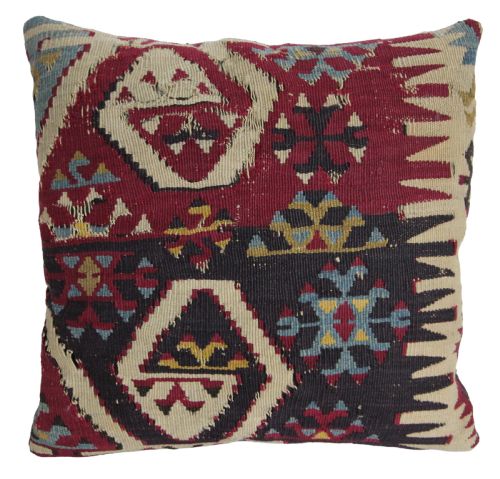
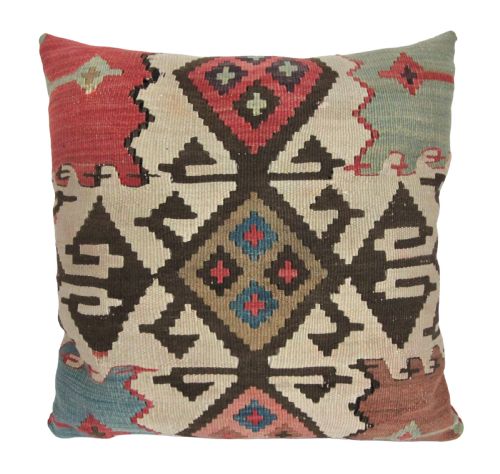
The most common formats on this page include kilim cushions, hallway runners, and textile panels. They reflect nomadic weaving traditions through bold patterns and practical forms designed for domestic use.
Makers utilised traditional motifs passed down through generations, combining wool, cotton, and silk with natural dyes. Each item carries the distinctive aesthetic of tribal nomadic craft.
How they were made
Weavers relied primarily on hand-spun wool and cotton foundations, occasionally incorporating silk for specific decorative panels and embroidery. These materials provided the structural durability required for floor coverings and heavy domestic cushions.
Natural dyes imparted deep, varied colours to the yarns before weaving began, creating the characteristic palette seen across tribal and traditional patterns. Artisans employed flatweave techniques like kilim construction alongside pile knotting and detailed needlework for suzani panels.
Antique Bohemian Rug Retail Price Guide 2026
Typical asking prices for bohemian rug among the pieces listed under this phrase on Sellingantiques today, from the lower quarter to the upper quarter. They describe what is for sale here now, not the wider market.
The listings span from the mid-nineteenth century through the early twentieth century, incorporating wool, cotton, silk, and natural dyes.
What varies in quality
Quality rests in the tightness of the weave, the resilience of the natural dyes, and the integrity of the base materials such as hand-spun wool and silk. Tighter construction and secure structural foundations separate superior pieces from simpler utilitarian items.
Artistic execution and clarity of tribal motifs dictate the upper range of these textiles. Well-preserved pieces retain their original scale and vibrant colour depth without extensive modern reconstruction.
The Antique Bohemian Rug Glossary
- Kilim
- A flatwoven carpet or rug produced without a pile, commonly utilised for cushions and floor coverings. This technique creates a lightweight textile with crisp geometric patterns.
- Torba
- A small Turkmen wall hanging or storage bag face woven with distinctive tribal guls. They display intricate geometric arrangements characteristic of nomadic craftsmanship.
- Natural Dyes
- Colourants derived from plants, insects, and minerals rather than synthetic compounds. They yield subtle tonal variations and age with a characteristic patina.
- Bag Face
- The decorative front portion of a nomadic storage sack repurposed into a cushion or small display textile. These sections typically showcase the most concentrated weaving and pattern work.
Antique Bohemian Rug: Frequently Asked Questions
What is an antique bohemian rug?
An antique bohemian rug encompasses a range of tribal flatweaves, runners, and cushion covers originating from nineteenth and early twentieth-century nomadic traditions.
These textiles feature hand-spun wool, cotton, and natural dyes styled in Anatolian, Persian, and Central Asian patterns.
How were these woven textiles used?
Nomadic communities utilised these woven pieces as floor coverings, animal trappings, and storage bags within tents and homes.
Today, many items function as decorative cushions, hallway runners, or wall panels in modern interiors.
How do I care for wool and silk cushions?
Protect delicate wool and silk textiles from direct sunlight to preserve the depth of natural dyes over time.
Gentle vacuuming without a rotating brush helps maintain the surface without disturbing the weave.
How are periods and regional styles identified?
Regional styles appear through distinct tribal motifs, structural techniques, and colour palettes associated with Persian, Turkmen, and Anatolian makers.
Dates rely on material analysis, dye characteristics, and the traditional methods employed during fabrication.