






Antique Bocage Figures
These antique bocage figures bring eighteenth and nineteenth century pastoral scenes to life through intricate porcelain and pottery foliage.
Antique Bocage Figures
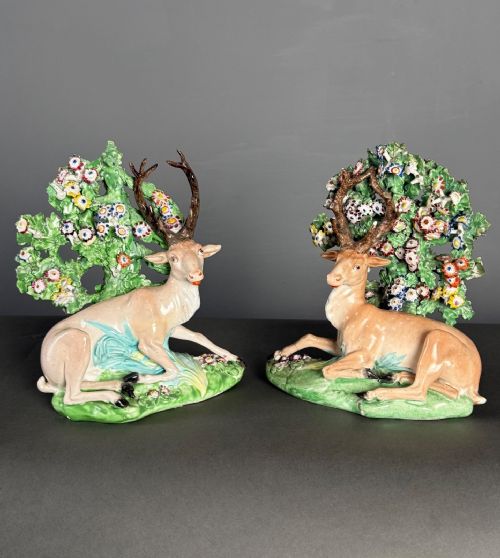
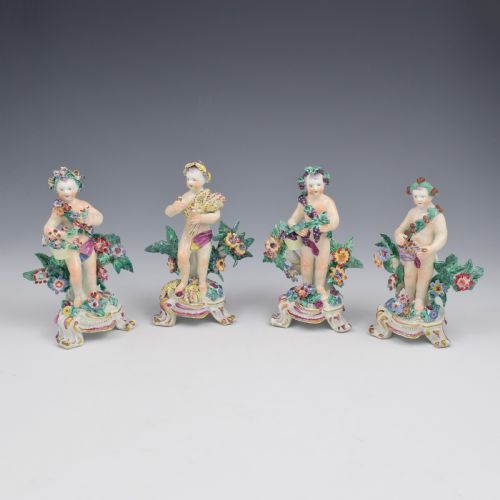
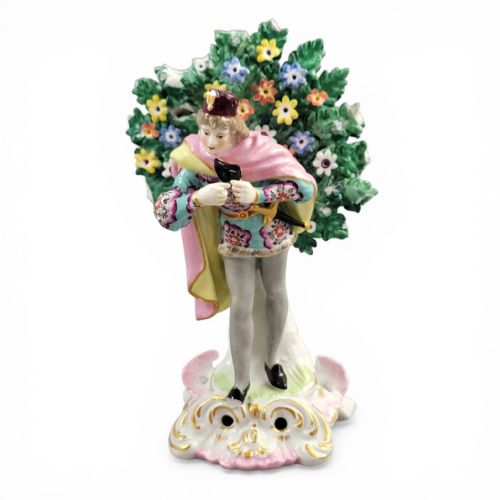
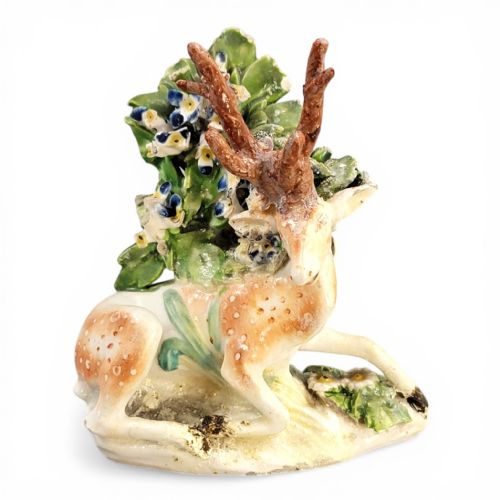
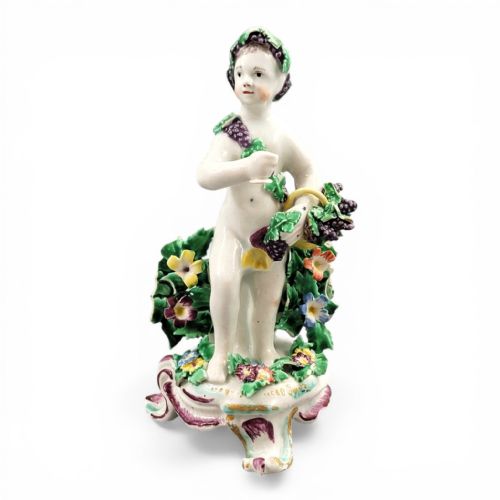
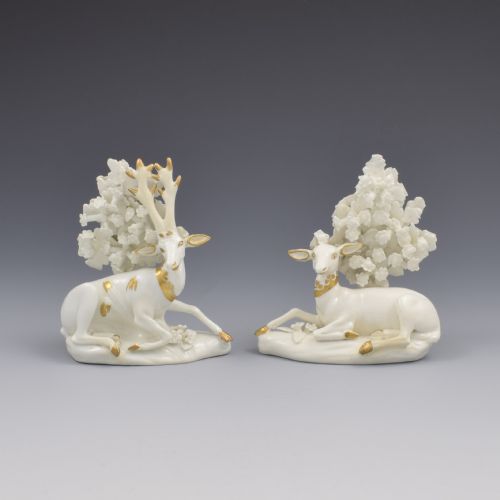
When searching for antique bocage figures, collectors examine three-dimensional ceramic representations framed by applied, leafy background foliage known as bocage. These pieces often depict mythological subjects, musicians, children, and animals set against dense ceramic leaves and blossom clusters.
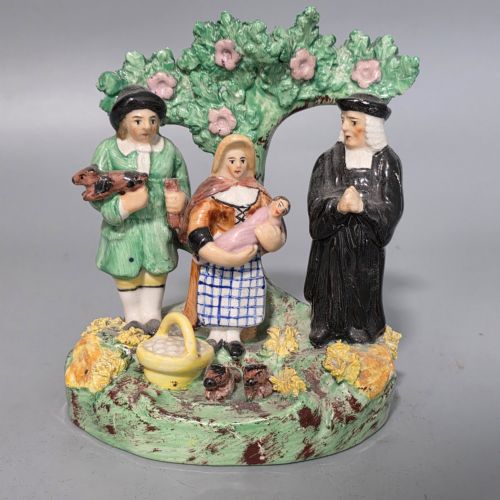
The selections available range from eighteenth-century soft-paste porcelain models produced at factories like Derby and Bow to later nineteenth-century earthenware figure groups and nineteenth-century Paris porcelain interpretations.
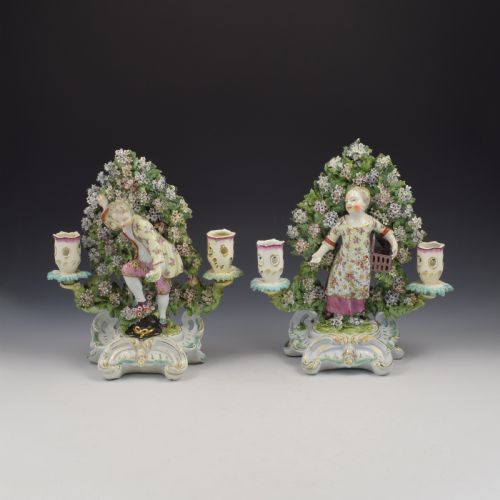
Forms vary from single standing figurines and seated pairs to elaborate candlestick figures and spill vases integrating functional holders within the leafy background branches.
Materials and Techniques
Potters and modellers constructed these figures using soft-paste porcelain, earthenware, and pearlware bodies, frequently applying hand-modelled clay leaves petal by petal to form the background canopy.
Painters decorated the surfaces with enamel colours, sometimes adding gilding, gold leaf, or ormolu mounts to highlight garments, animal markings, and candle sockets before a final kiln firing.
Several sheep and lambs peer out from behind porcelain leaves alongside musicians playing bagpipes to attentive dogs.
Judgements of Quality
Painting execution also determines quality, with finely applied pastel hues and precise enamel work distinguishing works from standard factory output.
Derby Porcelain·Bow Porcelain·Edme Samson Paris·Staffordshire Pottery·Meissen
The Antique Bocage Figures Glossary
- Bocage
- Applied ceramic foliage and leafy background screens framing porcelain or earthenware figures. This technique originated in European factories during the eighteenth century.
- Soft-Paste Porcelain
- An artificial porcelain paste fired at lower temperatures than hard paste, common in early English factories. It produces a warm glaze appearance.
- Pearlware
- A refined earthenware developed in the late eighteenth century featuring a blue-tinted transparent glaze. It became widely used for Staffordshire pottery figures.
- Patch Mark
- An unglazed circular blemish on the underside of porcelain figures caused by kiln supports. These marks help verify eighteenth-century Derby manufacturing methods.
- Spill Vase
- A hollow ceramic vessel designed to hold taper candles or wooden spills for lighting fires. They frequently incorporate figures and bocage backgrounds.
Antique Bocage Figures: Frequently Asked Questions
What are antique bocage figures?
These pieces are ceramic sculptures decorated with applied leafy backgrounds representing trees and arbours. They portray pastoral characters, mythological figures, and animals.
Originating in eighteenth-century European ceramic factories, makers continued producing these decorative works through the nineteenth century in various regional styles.
How were these figures used?
Many examples served as decorative mantel ornaments or cabinet pieces designed to display refined taste and pastoral themes.
Certain models functioned practically as candlesticks or spill vases, integrating candle sockets and holders directly into the leafy background foliage.
How do I identify different periods?
Early eighteenth-century examples utilise soft-paste porcelain bodies with delicate hand-modelled leaves and hand-painted enamel decoration. Nineteenth-century pieces often employ sturdier earthenware or Paris porcelain bodies with different glaze characteristics.
Factory marks, when present, help confirm whether a piece originates from eighteenth-century English works or nineteenth-century revival periods.
How should I care for them?
Dust these fragile ceramic pieces gently with a soft dry brush to protect the delicate applied leaves and painted enamel surfaces. Keep them away from direct sunlight and moisture.
Avoid using water or cleaning solutions on antique porcelain and earthenware, as moisture can penetrate unglazed areas and old repairs.