



Antique Porcelain Putti
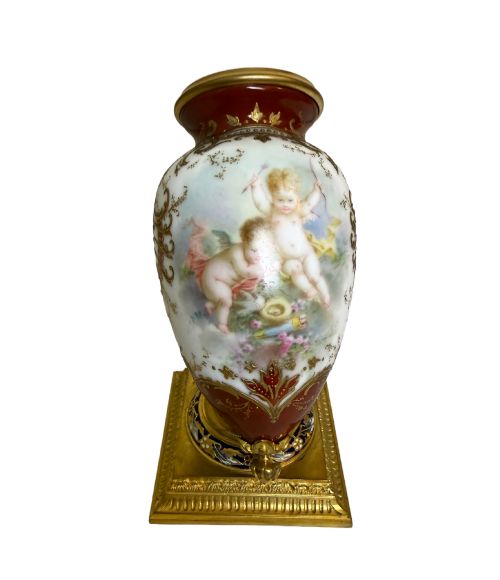
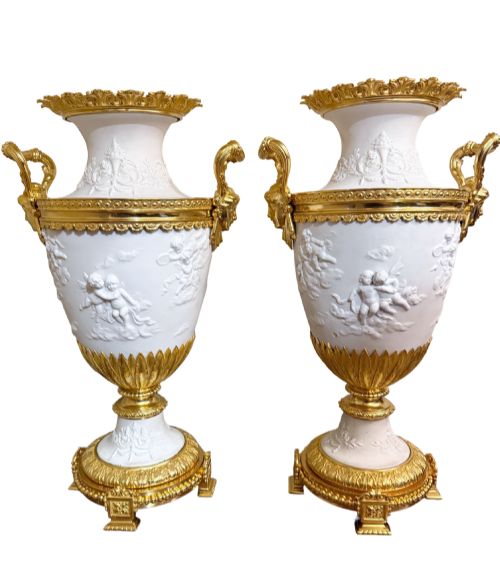
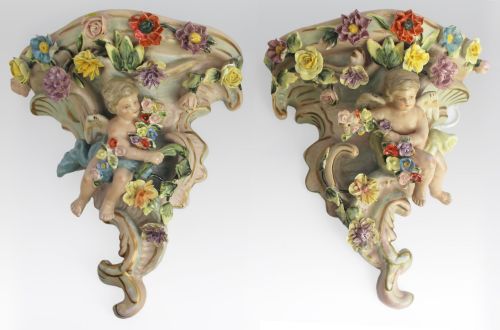
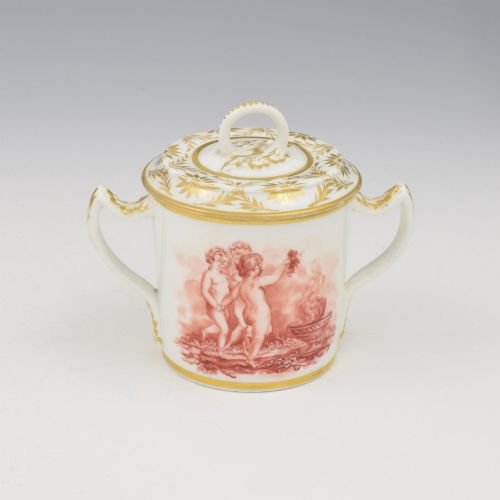
These antique porcelain putti bring figurative charm to rooms through modelled cherubs, cupids and allegorical figures.
Antique Porcelain Putti
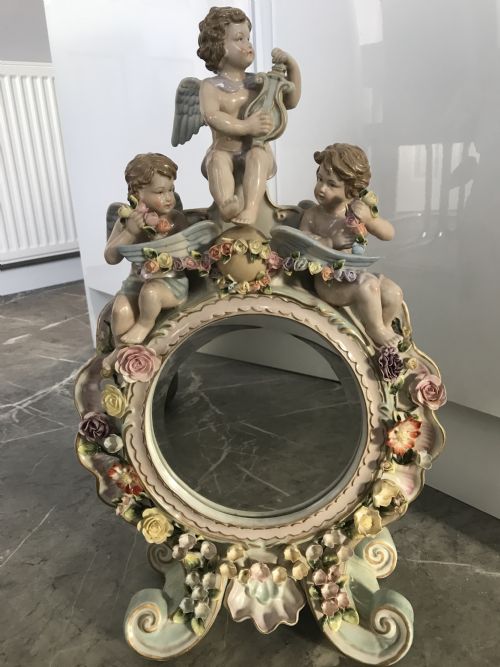
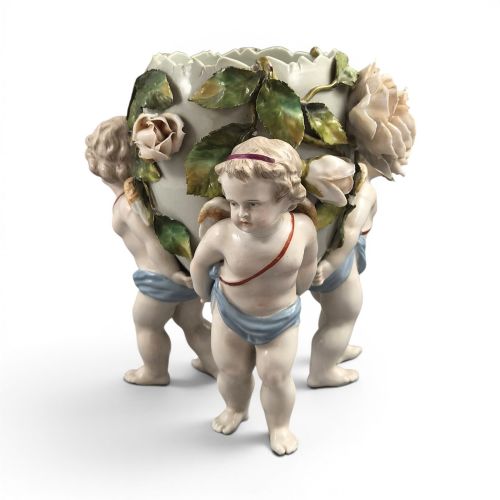
When you search for antique porcelain putti, you encounter sculptural objects depicting winged infants, cherubs and allegorical figures modelled in clay and fired into porcelain. These figures appear across various forms, including standalone figurines, table salts, candlesticks, and decorative elements integrated into larger items such as mantel clocks, lamps, mirrors, and centrepieces.
The pieces on this page span from the eighteenth century through the Victorian and Edwardian eras, with a strong representation of nineteenth-century continental manufacture. You are most likely to meet German porcelain works from factories like Sitzendorf, Meissen, and Plaue Schierholz, alongside English figures from Bow, Derby, and Chelsea.
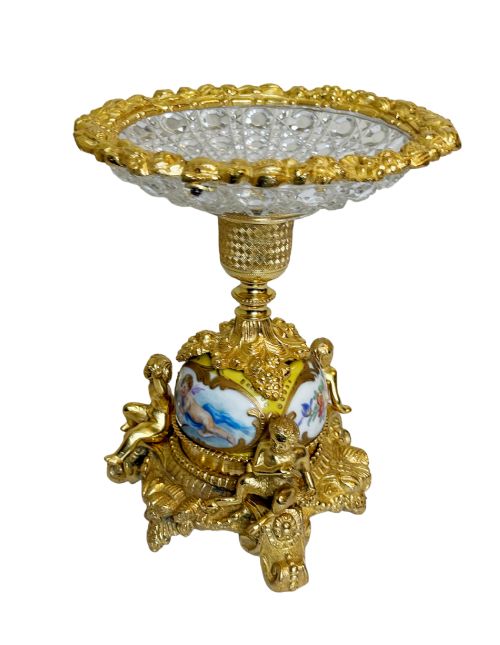
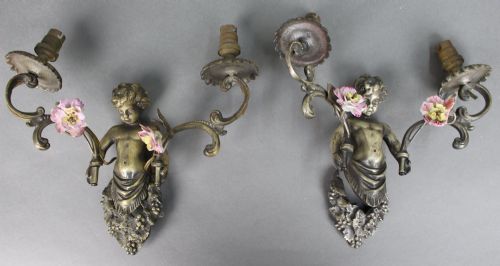
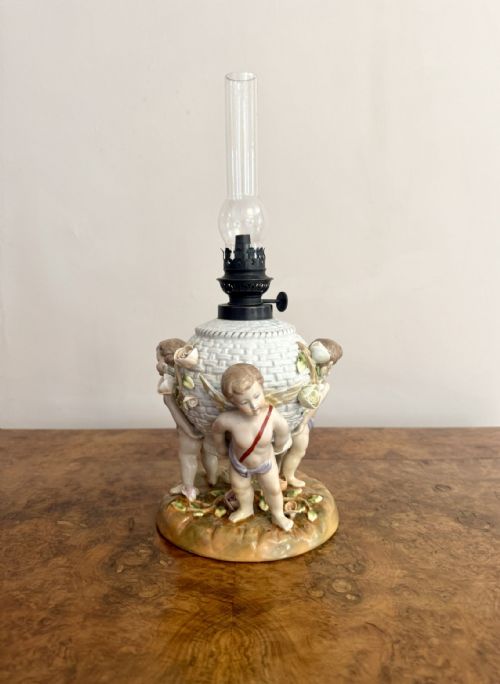
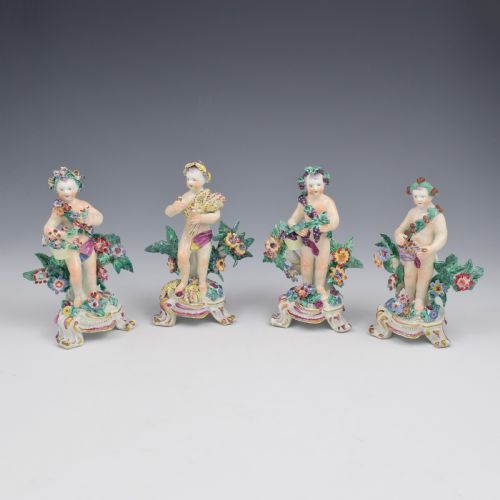
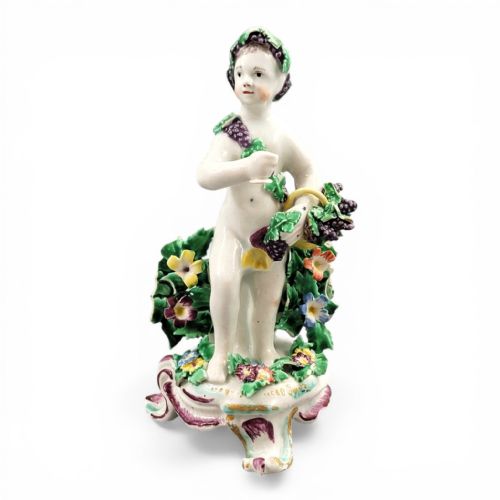
Formations range from single standing putti and pairs representing seasonal allegories to complex musical centrepieces and oil lamps adorned with applied flowers. Whether presented as standalone table salt figures or seated upon gilt bronze mounts, these items reflect the enduring appeal of classical mythological motifs in domestic interiors.
How they were made
Maker operations relied on ceramic pastes shaped in moulds or hand-modelled by skilled sculptors before undergoing high-temperature kiln firing. Artisans frequently applied delicate porcelain flowers, leaves, and drapery by hand to the surfaces of centrepieces, mirrors, and lamp bases prior to glazing.
Several putti manage to hold tricorne hats, baskets, and even musical instruments while remaining entirely unbothered by gravity.
What varies in quality
Model fidelity and sculptural depth separate standard output from superior examples, particularly in the crispness of facial expressions, hair texture, and wing feather definition. Hand-modelled elements such as applied porcelain roses show considerable variance, where finer pieces display paper-thin, naturalistic petals rather than thick, heavy formations.
The integration of materials dictates overall execution, seen in how seamlessly porcelain figures fit with their gilt bronze bases, candelabra arms, or clock housings. Finer production utilises careful kiln management to prevent warping during firing, preserving the balanced posture and delicate proportions intended by the modeller.
Sevres·Meissen·Bloor Derby·Sitzendorf·Royal Dux Bohemia·H Schubert·Paul Scheurich·Bow·Ernst Wallace·Edme Samson·Chelsea·Plaue Schierholz·Royal Worcester·Minton·Volkstedt·KPM Berlin
The Antique Porcelain Putti Glossary
- Putto
- A plump, naked male infant, frequently winged, appearing in classical art and decorative objects. These figures are often referred to interchangeably as cherubs or cupids in nineteenth-century listings.
- Blanc de Chine
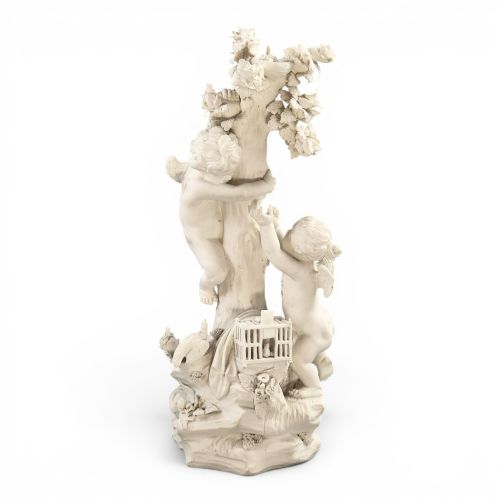
- A white porcelain produced in China, which inspired European factories like Meissen to create unglazed or white-glazed white porcelain figures known by this term. It highlights the pure white surface of the ceramic paste without enamel colours.
- Biscuit
- Unbleached, unglazed porcelain fired once to produce a matte, porous finish resembling marble. This finish was favoured for neoclassical and eighteenth-century figures.
- Sweetmeat
- A small dish or container used for serving confectionery, often supported or surrounded by figures. These table pieces combine utility with sculptural ornamentation.
- Ormolu
- Gilt bronze mounts applied to furniture, clocks, and porcelain objects to add decorative metallic highlights. The technique involves applying a gold amalgam to a bronze base.
Antique Porcelain Putti: Frequently Asked Questions
What are antique porcelain putti?
These pieces are ceramic sculptures and decorative objects featuring winged infant figures, originating primarily from European porcelain factories during the eighteenth and nineteenth centuries.
They encompass standalone figures, allegorical sets representing the seasons, and sculptural components integrated into clocks, lamps, and centrepieces.
How were porcelain putti used?
Households displayed them on mantelpieces, tables, and dressing mirrors as ornamental centrepieces that demonstrated taste and classical learning.
Some objects served practical functions alongside their decoration, operating as oil lamps, candelabra, inkwells, table salts, and chocolate cups with covers.
How do I live with these pieces?
Place them on stable surfaces away from high-traffic areas to protect delicate applied elements like porcelain flowers and outstretched wings from accidental knocks.
Keep them out of direct sunlight to preserve the stability of enamel colours and any gilded highlights applied to the porcelain or bronze mounts.
How do I tell periods apart?
Eighteenth-century figures often exhibit softer paste bodies and simpler, hand-modelled botanical elements, reflecting early European porcelain experimentation.
Nineteenth-century revival pieces display sharper mould details, brighter polychrome enamels, and frequent combinations with gilt bronze, brass, or ormolu mounts.