


Antique Bobbin Furniture
Antique bobbin furniture brings tactile turned wood to domestic interiors, offering seventeenth-century lineage alongside nineteenth-century revivals.
Antique Bobbin Furniture
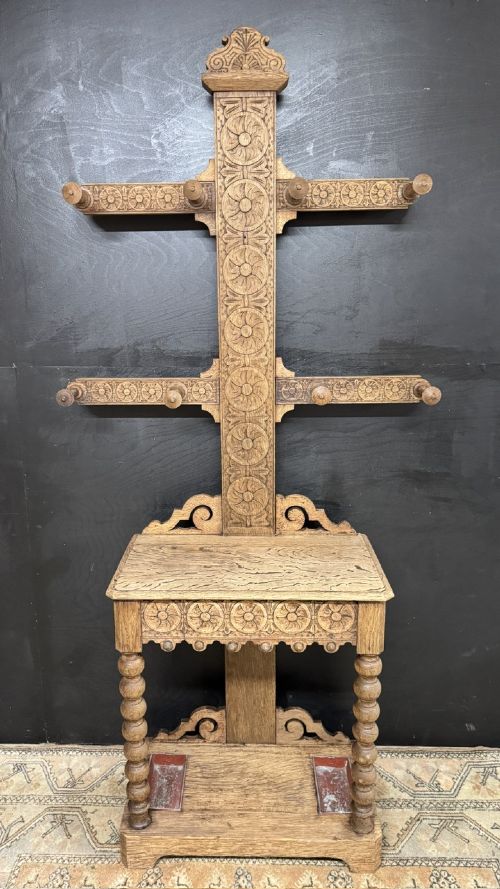
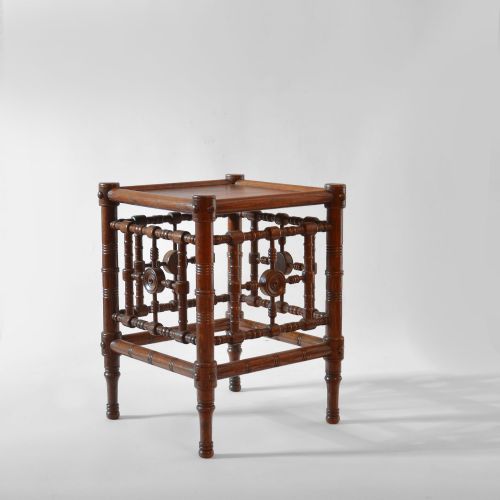
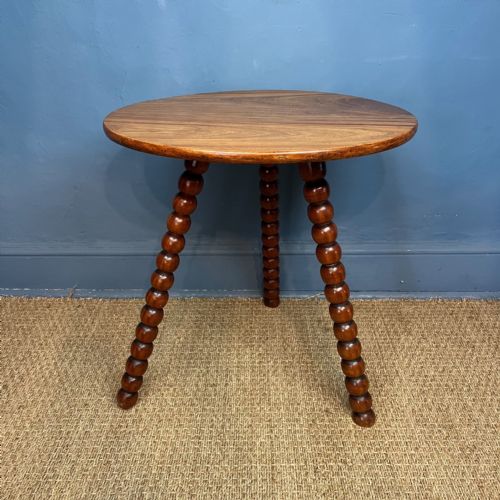
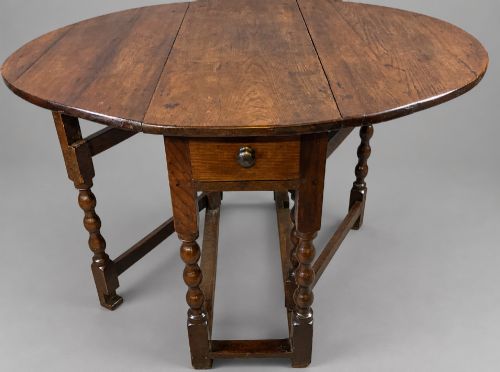
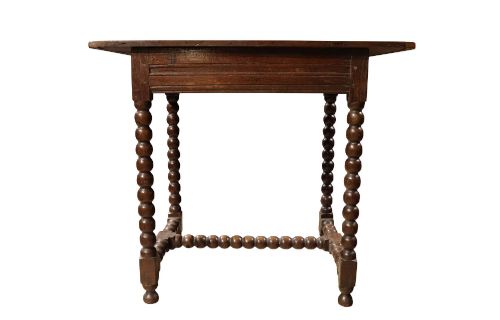
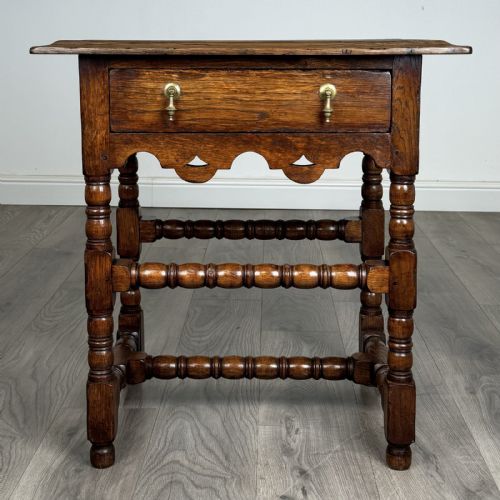
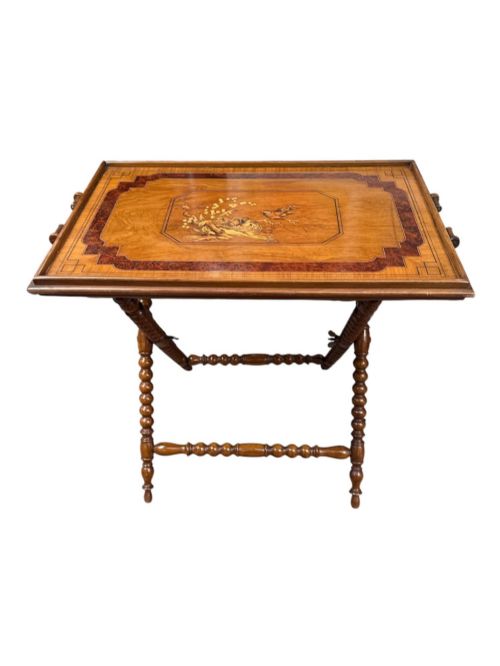
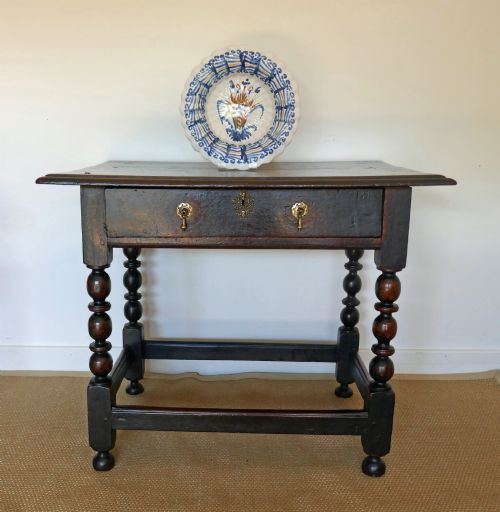
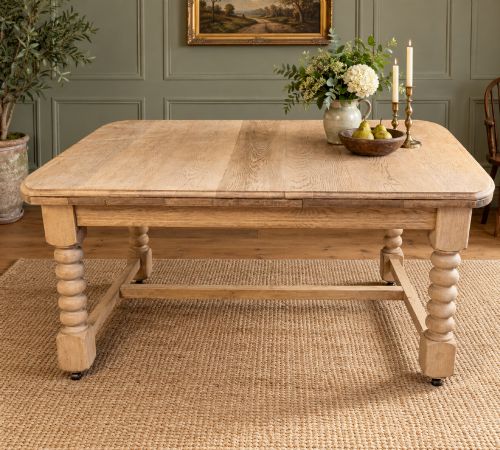
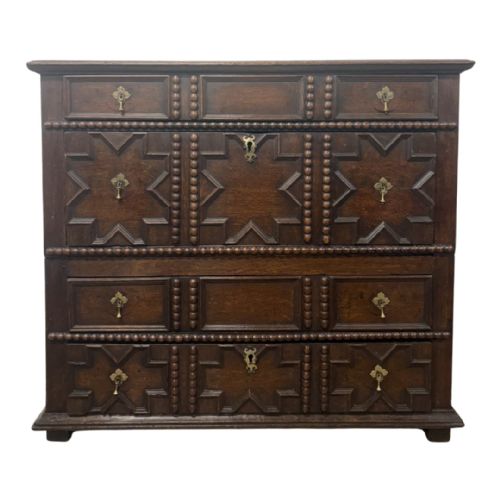
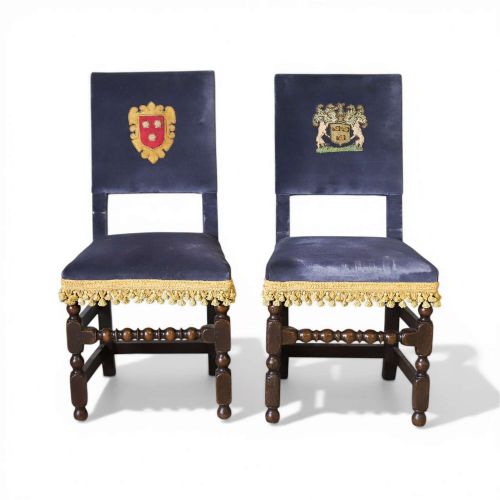
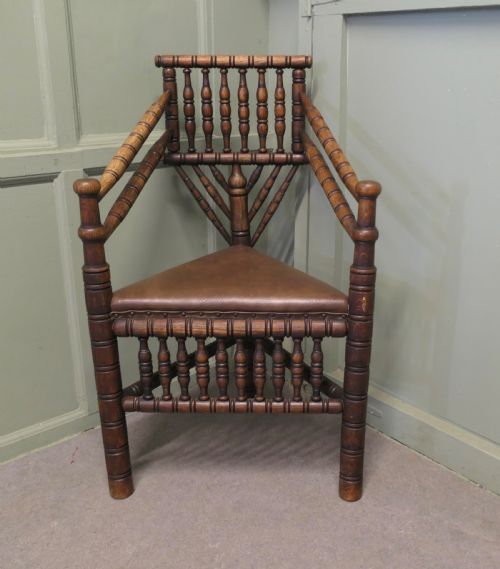
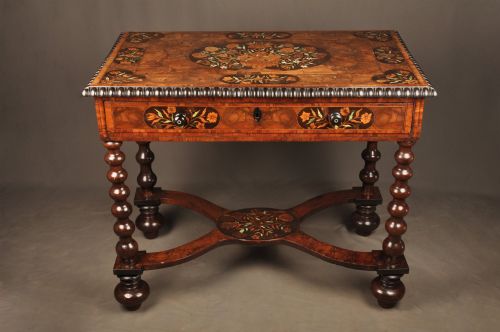
Antique bobbin furniture comprises seating and tables defined by spool-shaped turnings along legs, stretchers and frames. Buyers hunting for antique bobbin furniture encounter robust oak gateleg tables alongside ebonised walnut and mahogany chairs.
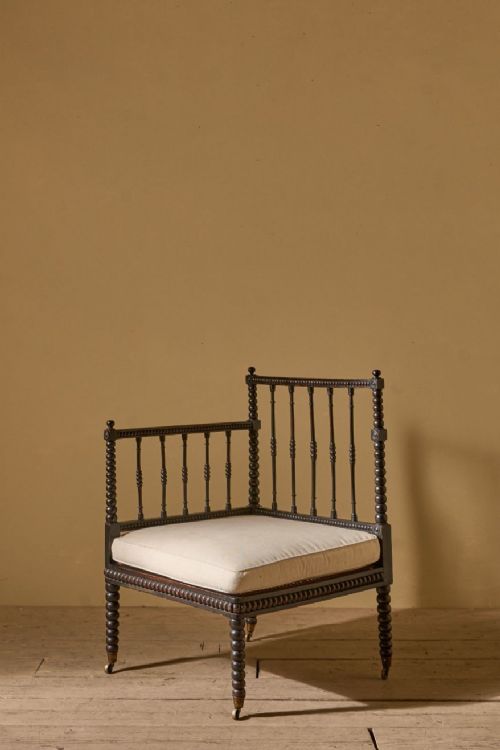
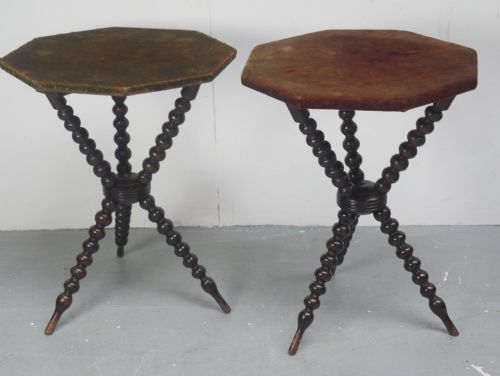
The selection ranges from seventeenth-century Charles II gateleg forms to nineteenth-century corner chairs and occasional tables. Side tables and armchairs dominate the examples seen on this page, reflecting seventeenth-century origins and later Victorian revivals.
Materials and construction
Craftsmen shaped solid timbers on lathes to produce the repeating spool motifs that characterise the style. Oak and walnut form the structural backbone of earlier pieces, while later nineteenth-century makers utilised ebonised wood, mahogany and pine.
Joinery relies on traditional pegged mortise and tenon joints for stability, particularly in seventeenth-century gateleg and side tables. Upholstered seating incorporates textile and velvet additions secured to hardwood frames.
Antique Bobbin Furniture Retail Price Guide 2026
Typical asking prices for bobbin furniture among the pieces listed under this phrase on Sellingantiques today, from the lower quarter to the upper quarter. They describe what is for sale here now, not the wider market.
Listings feature structural timbers including oak, walnut, mahogany and pine alongside ebonised wood finishes.
Evaluating quality and proportion
Quality rests upon the crispness of the lathe turning and the integrity of the timber. Bold proportions and deep spool profiles distinguish superior seventeenth-century examples from later, shallower interpretations.
Original surface patination and tight structural joints separate finer survivals from pieces that have undergone extensive timber replacement or heavy sanding.
The Antique Bobbin Furniture Glossary
- Bobbin turning
- A form of woodturning consisting of a series of cylindrical or spherical spool shapes resembling bobbins of thread. This technique defines the primary decorative feature of the style.
- Gateleg table
- A table with hinged drop leaves supported by swing legs that pivot outward like a gate. Seventeenth-century examples frequently incorporate bobbin-turned supports.
- Ebonised wood
- Timber treated with a dark stain or finish to imitate ebony. This treatment appears frequently on nineteenth-century aesthetic movement and revival pieces.
- Backstool
- An early form of upholstered or plain wooden chair with a tall back and no arms. These pieces often feature turned uprights and legs.
- Charles II
- The period of English design spanning the mid to late seventeenth century. Furniture from this era displays vigorous turning and solid oak construction.
Antique Bobbin Furniture: Frequently Asked Questions
How do I date bobbin furniture?
Dating relies on timber species, construction methods and the profile of the turnings. Earlier seventeenth-century pieces predominantly utilise joined oak with pegged joints.
Nineteenth-century revivals often feature softer woods, ebonised finishes or walnut, reflecting Victorian manufacturing techniques and aesthetic preferences.
Were bobbin tables used for dining?
Gateleg and side tables with bobbin turnings served multiple domestic functions including dining, writing and general display. Their folding leaves allowed tables to be tucked against walls when not in use.
Smaller occasional and pedestal tables emerged primarily during the nineteenth century for decorative placement in parlours and drawing rooms.
How do I care for antique turned wood?
Maintain turned furniture by dusting regularly with a dry, soft cloth and avoiding placement near direct heat sources or strong sunlight. These precautions prevent timber from drying out and splitting.
Apply microcrystalline wax sparingly to nourish the wood surface and preserve the historic finish without attracting dust.
What is the difference between oak and walnut bobbin pieces?
Seventeenth-century pieces are typically constructed from native English oak, displaying a heavy, robust character and prominent grain structure. Walnut gains popularity in later periods, offering a smoother surface texture.
Walnut and ebonised variants also appear frequently in nineteenth-century revival seating and occasional tables.