



Antique Blue Teapot
An antique blue teapot brings cobalt depth and ceramic heritage to the table, offering a functional vessel shaped by centuries of international design.
Antique Blue Teapot
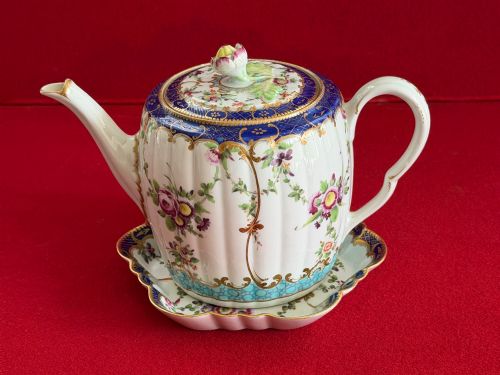
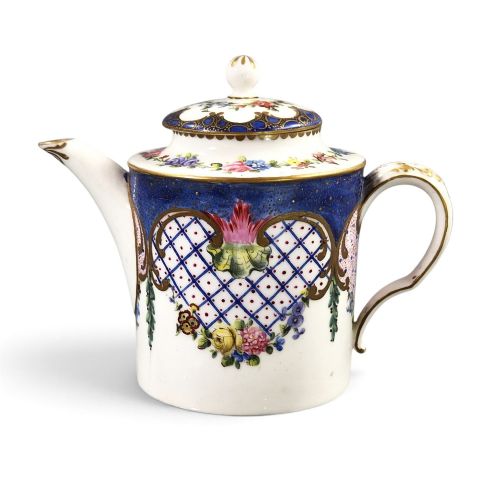
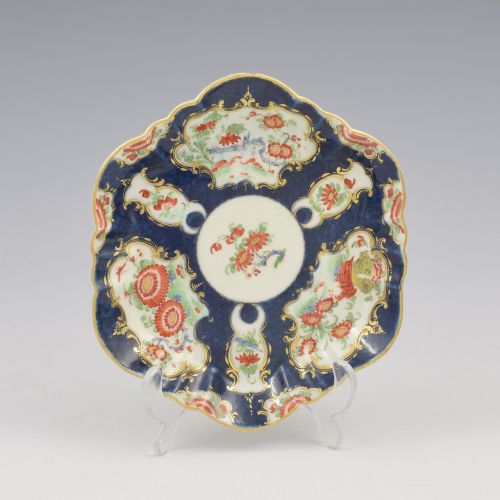
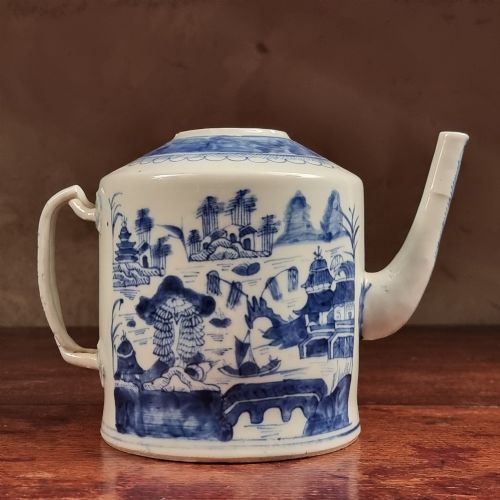
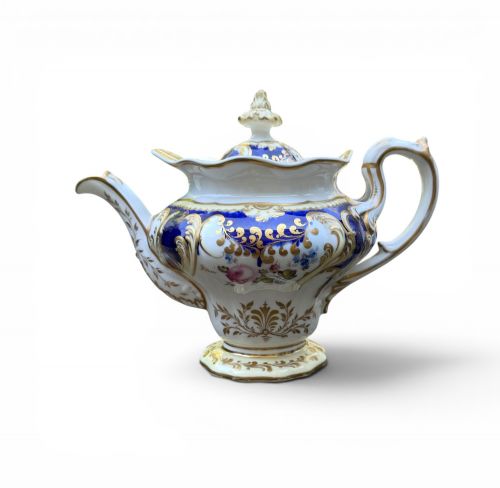
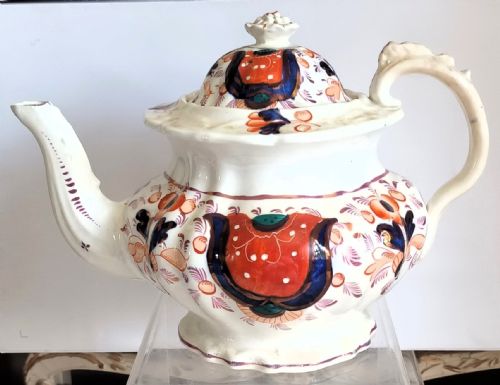
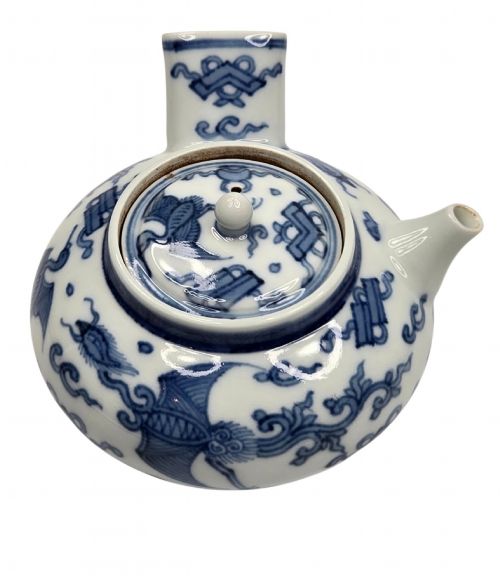
The search for an antique blue teapot leads to a diverse group of ceramic and porcelain vessels spanning the seventeenth to the early twentieth century. English factories such as Worcester, Spode, and Mintons appear frequently alongside Chinese export pieces and Japanese examples from the Meiji period.
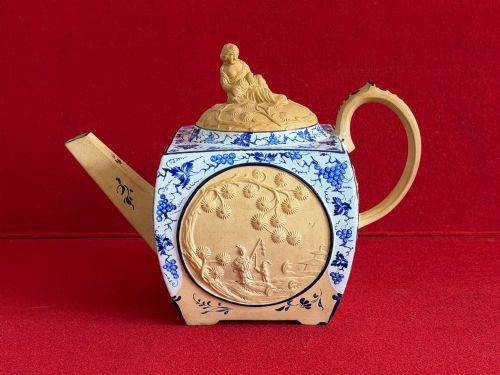
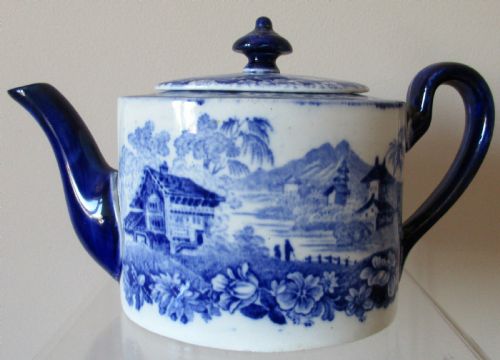
Forms range from standard tea services and miniature toy teapots to cylindrical barrel shapes and octagonal bodies. Blue and white transfer printing, cobalt underglaze decoration, and blue jasperware dominate the visual language of these pieces across Georgian and Victorian periods.
Materials and production methods
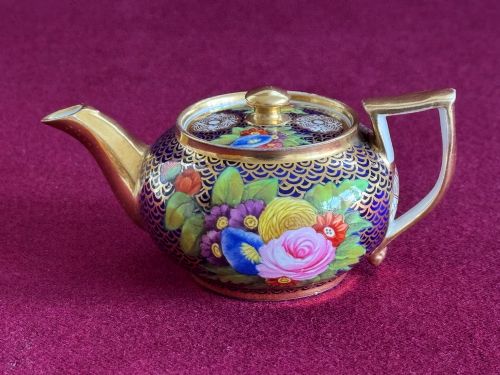
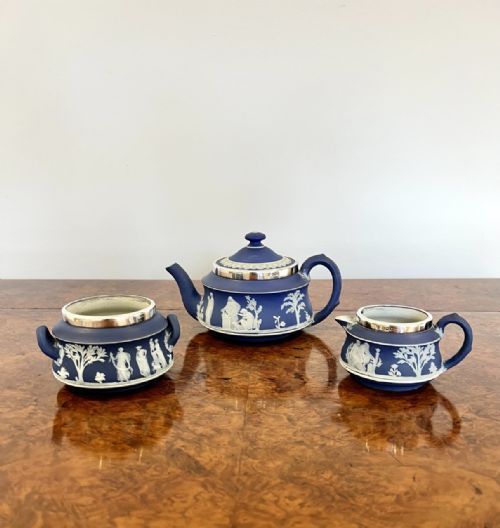
Potters utilised porcelain, soft-paste porcelain, earthenware, stoneware, and ceramic bodies, often decorated with cobalt underglaze or applied enamel and gold leaf. Some later Victorian iterations incorporate silver collars or mounts fitted directly to the ceramic structure.
Techniques evolved from hand-painted Chinese export porcelain and early English soft-paste formulas to industrial transfer printing seen in patterns like Genevese. Specialist bodies such as caneware and jasperware introduced distinct matte textures and contrasting white relief details.
Antique Blue Teapot Retail Price Guide 2026
Typical asking prices for blue teapot among the pieces listed under this phrase on Sellingantiques today, from the lower quarter to the upper quarter. They describe what is for sale here now, not the wider market.
Materials range from delicate soft-paste porcelain and cloisonné enamel to dense jasperware and earthenware.
Assessing craftsmanship and finish
Quality rests in the crispness of the cobalt application, the precision of hand-painted details or transfer lines, and the overall balance of the form. Earlier eighteenth-century pieces often display delicate potting and translucent bodies, whereas later nineteenth-century wares emphasise robust domestic utility or decorative relief work.
The integration of metal mounts, such as silver collars or hinged lids, distinguishes higher-grade commissions from standard production items. Preservation of original covers and matching stands remains a primary factor in the integrity of surviving sets.
Spode·Worcester·Royal Sèvres·Mintons·Wedgwood·Enoch Wood and Sons·Royal Crown Derby
The Antique Blue Teapot Glossary
- Cobalt Underglaze
- A blue metallic oxide pigment applied to pottery before glazing and firing at high temperatures. This technique ensures the pigment bonds permanently beneath a glossy glass coating.
- Soft-paste Porcelain
- A glassy ceramic composition fired at lower temperatures than true hard-paste porcelain. It was widely developed by eighteenth-century European factories to imitate imported Asian wares.
- Transfer Printing
- A mechanical method of applying complex decorative patterns to ceramics using engraved copper plates and tissue paper. It allowed factories to produce uniform blue and white scenes efficiently.
- Jasperware
- A fine-grained, unglazed stoneware developed by Josiah Wedgwood. It is characterised by coloured backgrounds contrasted with applied white classical reliefs.
- Solitaire
- A small tea set or single teapot designed for one person. These intimate pieces were popular for individual morning use in private chambers.
Antique Blue Teapot: Frequently Asked Questions
How do I date an old blue teapot?
Dating relies on identifying factory marks, ceramic bodies, and decorative styles such as transfer printing or hand-painted cobalt. Examining the base, glaze texture, and form often reveals whether a piece originates from the eighteenth-century Georgian era or the later Victorian period.
Changes in manufacturing techniques, such as the introduction of soft-paste porcelain versus later refined earthenware, provide further chronological markers. Comparing pattern names and cobalt hues with documented factory archives helps narrow the production decade.
Can I use my antique teapot for serving tea?
Most collectors advise against daily use for eighteenth and nineteenth-century teapots due to thermal shock and the risk of damaging fragile ceramic bodies. Hairline cracks or historical repairs can worsen with exposure to boiling water.
Displaying these vessels allows them to be appreciated safely without compromising their structural integrity. Those intended for functional service are generally robust Victorian or Edwardian ironstone or earthenware pieces.
What is the difference between porcelain and stoneware teapots?
Porcelain is a vitrified, dense ceramic material fired at high temperatures until non-porous, often displaying a degree of translucency. Soft-paste and hard-paste porcelain variants were prized for their refined, thin walls and bright white surfaces.
Stoneware is a heavier, opaque ceramic fired similarly at high heat to achieve natural impermeability without requiring a heavy glaze. Caneware and jasperware are specific utilitarian stoneware developments suited to textured relief decoration.
Why do some teapots include matching stands?
Teapot stands protected polished wooden tabletops from heat and stray drips during tea service. They were produced as coordinated accessories, sharing the same cobalt patterns, gilding, or ceramic bodies as the main vessel.
Finding a teapot accompanied by its original stand is uncommon because the smaller plates were easily separated or broken over time. These matched components complete the formal aesthetic of eighteenth-century tea sets.