



Antique Blue Mirror
These pieces range from handheld silver vanity items to grand Venetian wall mirrors, uniting rich cobalt and turquoise tones with historic craftsmanship.
Antique Blue Mirror
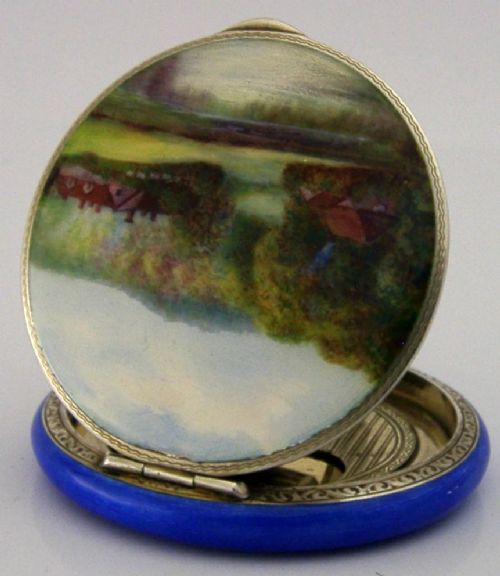
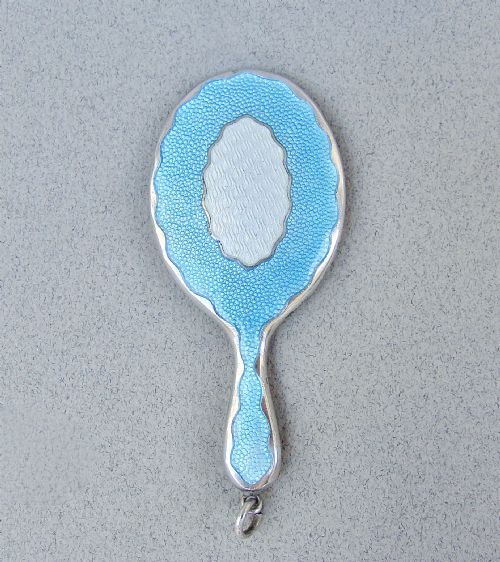
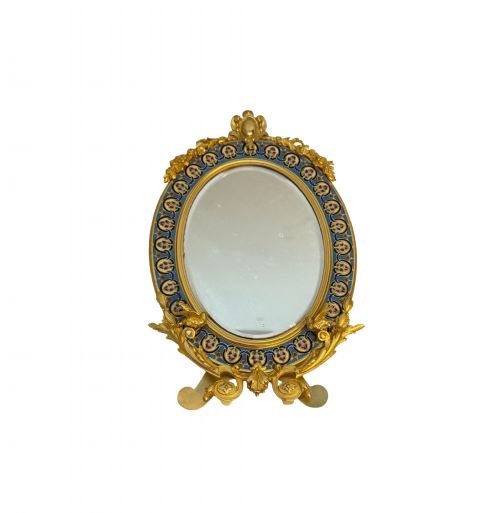
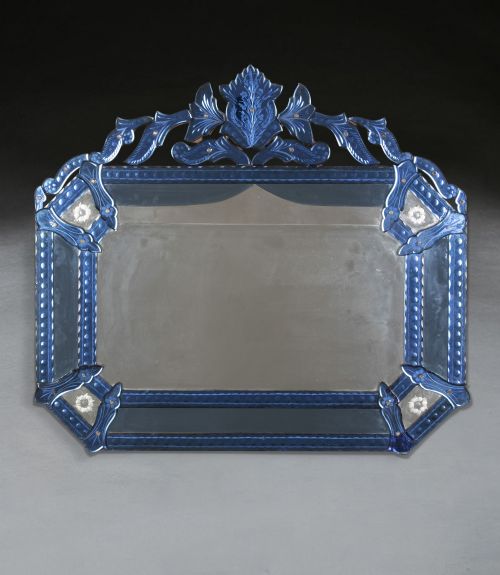
When searching for an antique blue mirror, buyers encounter a diverse spectrum of objects spanning handheld dressing items, compacts, and substantial wall-hanging frames. The selection heavily reflects Art Deco silver and guilloche enamel hand mirrors from the nineteen-twenties and thirties, alongside nineteenth-century Venetian glass and French champleve pieces.
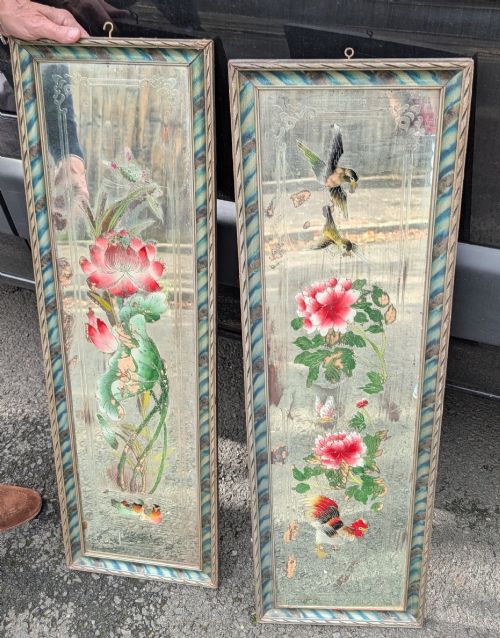
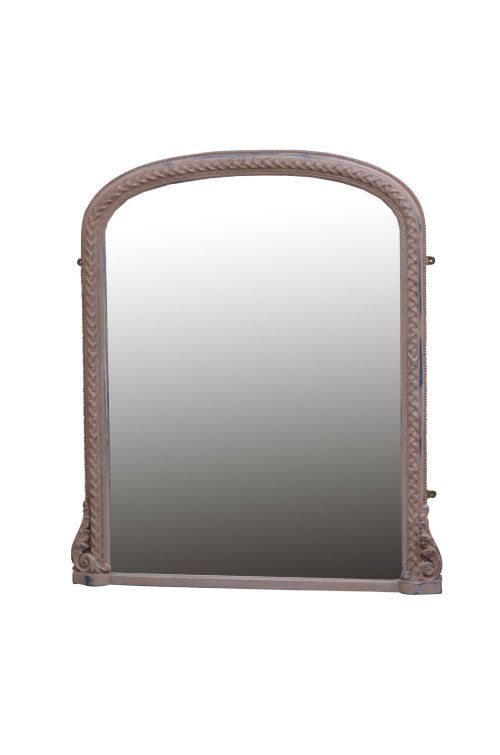
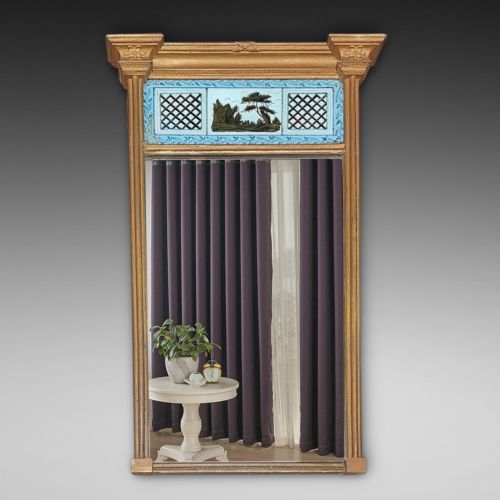
Smaller vanity pieces, including sterling silver compacts and miniature purse mirrors, frequently appear alongside larger overmantel and pier mirrors. These items cross multiple stylistic categories, incorporating French champleve, Regency giltwood, and Persian textile elements into their broader design contexts.
Materials and Techniques
Craftsmen utilised sterling silver, gilt bronze, and brass as structural housings for delicate guilloche enamel and painted glass surfaces. Artisans applied coloured enamel in translucent layers over engine-turned metal grounds to achieve distinct geometric patterns and depth.
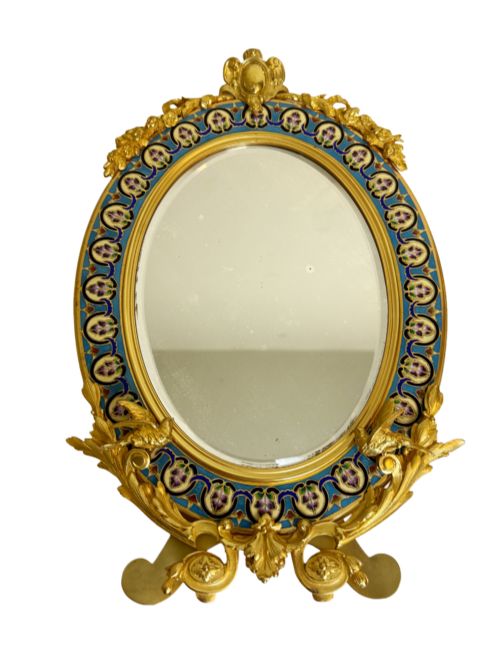
Mirror construction combined traditional silvering methods with specialised glass cutting, mounting panels within carved wood, giltwood, or porcelain frames. Champleve enamel work required recessing metal surfaces to hold coloured vitreous pastes before firing and polishing.
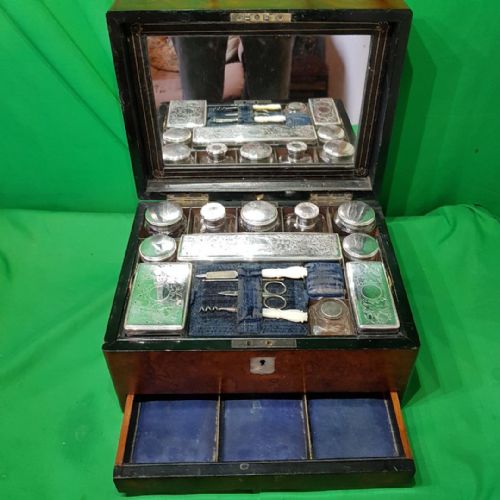
Several compacts preserve their original suede linings and faint traces of vintage face powder from decades past.
Assessing Quality and Execution
Superior examples demonstrate precision in the engine-turning beneath translucent enamel, where crisp geometric incisions catch the light evenly without interruption. The depth and clarity of the blue pigment directly reflect the skill of the enameller.
Mounts and frames show distinction through the crispness of hand-carved giltwood or the weight and detail of cast ormolu and champleve bronze. Intact original components, from suede linings to matching silver hallmarks, elevate the integrity of individual vanity sets and mirrors.
Henry Williamson·Henry Matthews·Evans·Giuliano Spinelli·Jean Gille·Asprey
The Antique Blue Mirror Glossary
- Guilloche
- A decorative technique where a mechanical lathe engraves precise, intricate geometric patterns into a metal substrate. This technique creates a textured base that shines beneath transparent enamel layers.
- Champleve
- An enamelling process where troughs or cells are hollowed out of a metal plate and filled with vitreous enamel powder before firing. The resulting surface alternates between metal outlines and coloured glass areas.
- Verre Eglomise
- A historic process of applying cold painting and metallic leaf to the reverse side of glass panels. This method produces reflective, shadowed borders often seen on Regency pier mirrors.
- Giltwood
- Timber, typically carved gesso-coated wood, covered with a thin layer of gold leaf. It provides the ornate, reflective framing characteristic of antique wall mirrors.
- Ormolu
- Finely chased and gilt bronze mounts used to embellish the edges and stands of nineteenth-century decorative items. The finish mimics solid gold through the application of a mercury-gilt process.
Antique Blue Mirror: Frequently Asked Questions
How do I clean antique enamel mirrors?
Enamel surfaces require gentle dusting with a soft, dry cloth to prevent scratching the fragile glass layer. Moisture and chemical cleaners can seep beneath mounts and damage the underlying metal or mirror foil.
Sterling silver frames benefit from occasional careful polishing with a microfibre cloth, keeping pastes away from the enamel edges entirely.
Are Art Deco compact mirrors fragile?
The guilloche enamel on Art Deco pieces is essentially a layer of glass fused to metal, making it susceptible to chipping if dropped or struck hard. Normal handling during use poses little risk, provided the piece rests on soft surfaces.
Suede linings and original fitted cases help protect these delicate personal accessories when they are stored away.
What defines a Venetian blue glass mirror?
Venetian examples often feature tinted blue glass panels assembled with decorative glass trims and applied floral motifs. Their construction typically emphasises coloured glass throughout the entire frame rather than simple wooden backing.
These pieces reflect historic Venetian glassmaking traditions originating from Murano and surrounding workshops.
How can I tell a Victorian mirror from an Art Deco one?
Victorian pieces tend to incorporate heavier, ornate materials like burr walnut, champleve bronze, and elaborate porcelain mounts. Their aesthetic draws heavily on historical revival styles and dense ornamentation.
Art Deco items feature streamlined geometric patterns, engine-turned guilloche enamel, and chrome or sterling silver mountings characteristic of the nineteen-twenties and thirties.