


Antique Blue Lounge Chair
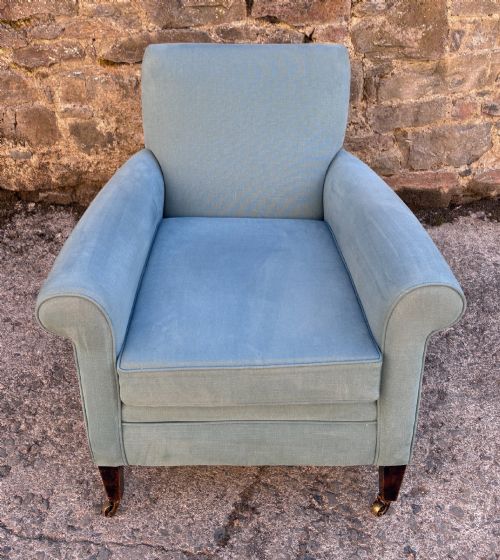
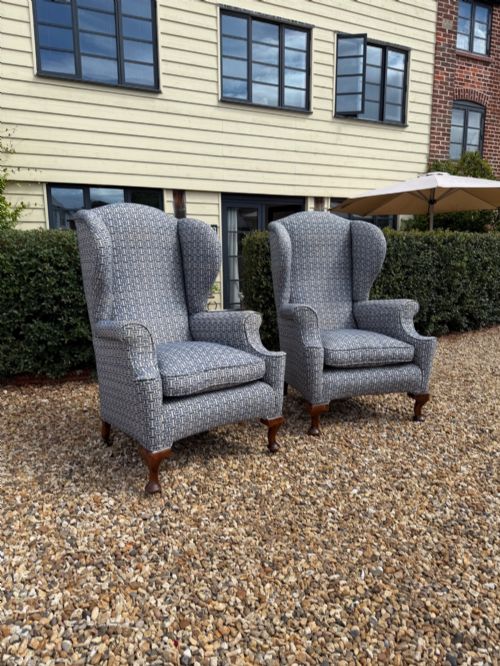
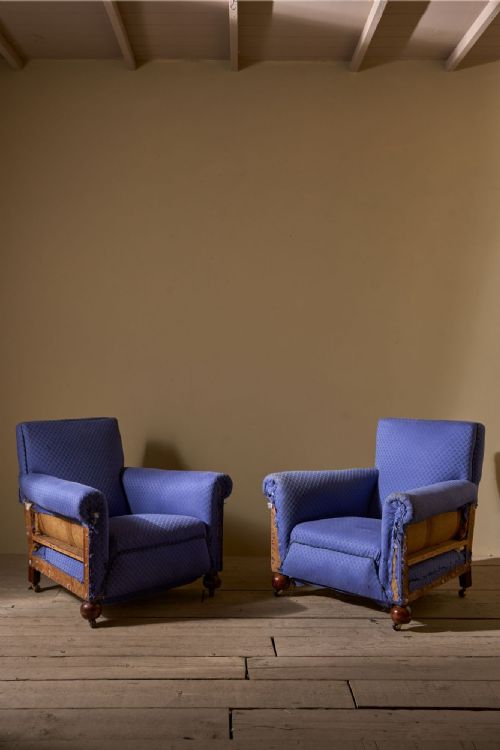
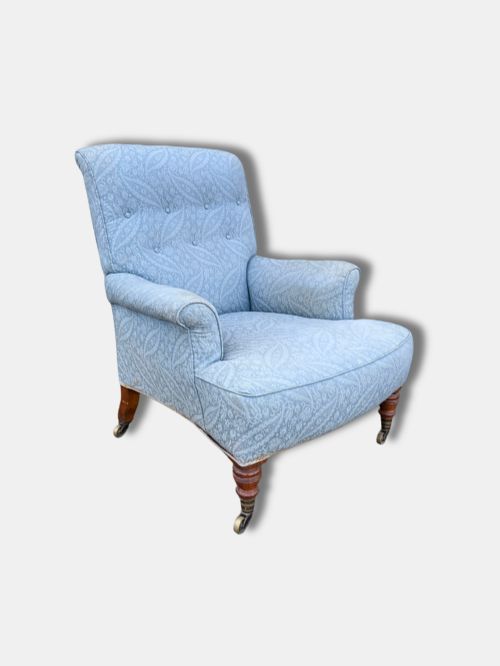
An antique blue lounge chair brings upholstered comfort and heritage character to a room, spanning deep-seated armchairs, chaise longues and slipper chairs.
How they were made
Frames rely on hardwoods including mahogany, walnut, rosewood and oak, joined through traditional cabinetmaking methods to support robust upholstered bodies. Iron and brass components occasionally reinforce internal structures or provide mobility through castors.
Upholstery techniques involve durable textiles such as cotton, damask, velvet and ticking stretched over sprung or stuffed interiors. Button-backed finishing and ribbed barrel structures require precise hand-workmanship by period artisans.
What varies in quality
The distinction between standard examples and top-tier pieces rests upon the integrity of the original wooden frame and the prestige of the maker. Master workshops like Howard and Sons impart significant distinction through stamped components and signature designs.
The survival of original materials, such as early ticking or specific blue damask and velvet coverings, elevates an example. Refined carving on mahogany or walnut frames and balanced proportions further separate exceptional pieces from ordinary ones.
Listings include nineteenth-century iron back armchairs and French walnut bergere chairs from 1900.
Howard and Sons·Whytock and Reid·Liberty
The Antique Blue Lounge Chair Glossary
- Bergere
- An enclosed upholstered armchair with wooden framing around the sides and back. French examples often utilise walnut or mahogany.
- Chaise Longue
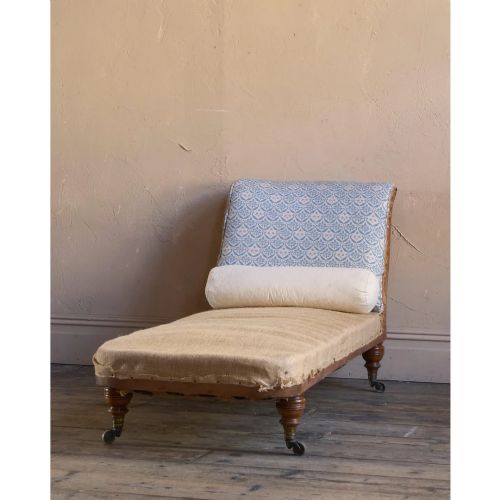
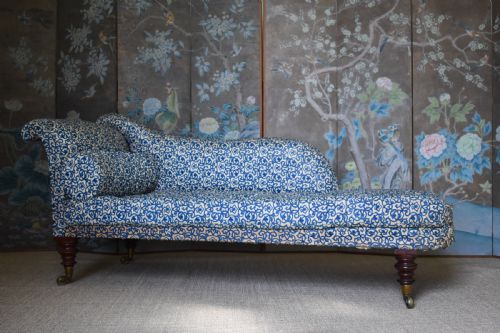
- An elongated chair for reclining, combining a chair with an extended footstool. Nineteenth-century variants frequently feature buttoned upholstery.
- Ticking
- A tightly woven cotton fabric traditionally used as a durable foundation layer for stuffing. Some pieces retain this as an outer covering.
- Slipper Chair
- A low-seated upholstered chair designed originally for bedrooms. They appear in nineteenth-century forms.
Antique Blue Lounge Chair: Frequently Asked Questions
How do I identify a Howard and Sons chair?
Look for stamped manufacturer details on the wooden legs or brass castors, alongside characteristic deep seating proportions and traditional upholstery methods.
These pieces often feature specific named models like the Bridgewater or Ingleby, paired with supportive sprung frames.
What periods do these lounge chairs cover?
The selection primarily spans the nineteenth century through the Edwardian era and into the Art Deco period of the 1920s and 1930s.
Victorian and Edwardian examples sit alongside earlier nineteenth-century designs and later twentieth-century club chairs.
Where should I place a chaise longue?
A chaise longue suits drawing rooms, bedrooms or large studies where its elongated profile can function as a primary day bed or reading seat.
Position it with adequate surrounding space to showcase the carved mahogany, walnut or rosewood frames.
What upholstery fabrics are common?
Upholstery materials include blue cotton, damask fabric, velvet and traditional ticking. Button-backed finishes and ribbed barrel designs also appear across the selection.
These textiles cover armchairs, wingbacks and slipper chairs originating from English and French workshops.