





Antique Blue Gemstone Drops
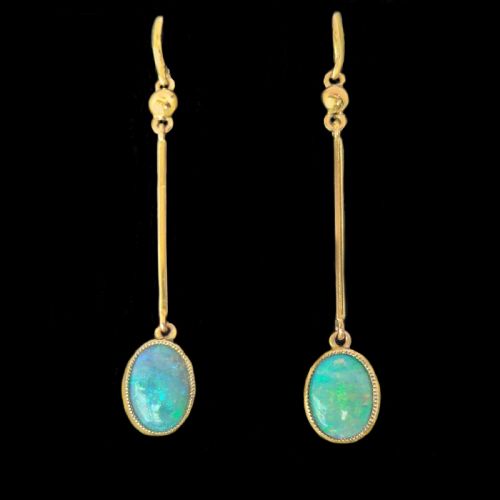
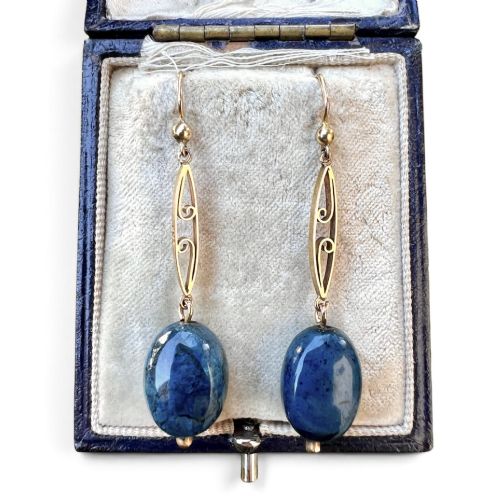
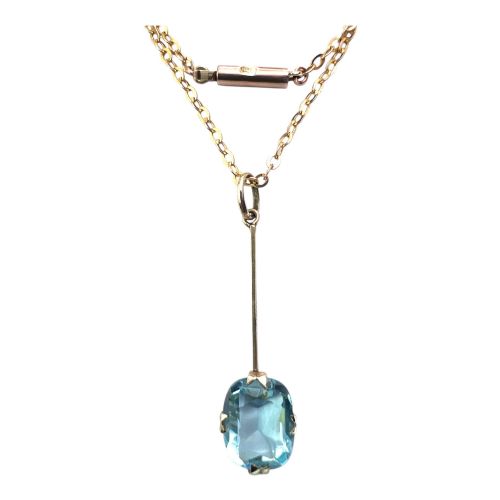
Antique blue gemstone drops are swinging pendants and earrings set with aquamarine, sapphire, moonstone and topaz, prized for their cool coloured stones and delicate movement.
Antique Blue Gemstone Drops
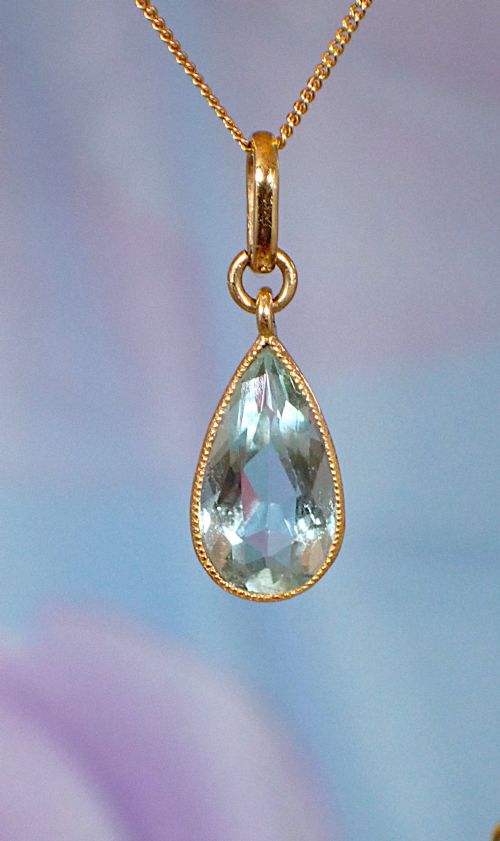
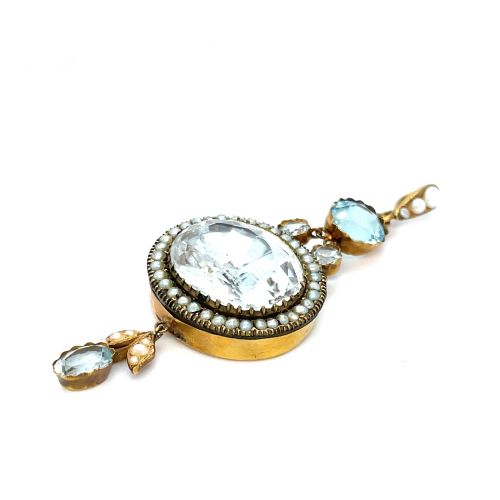
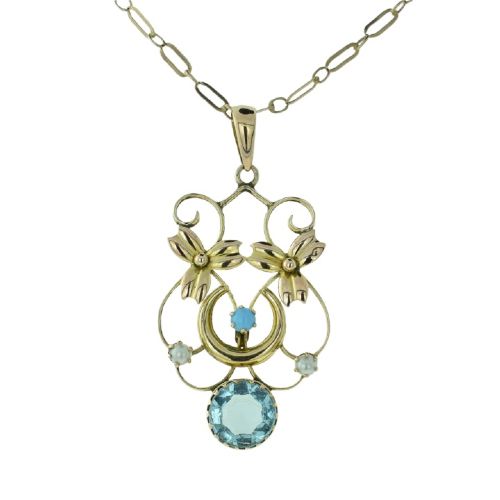
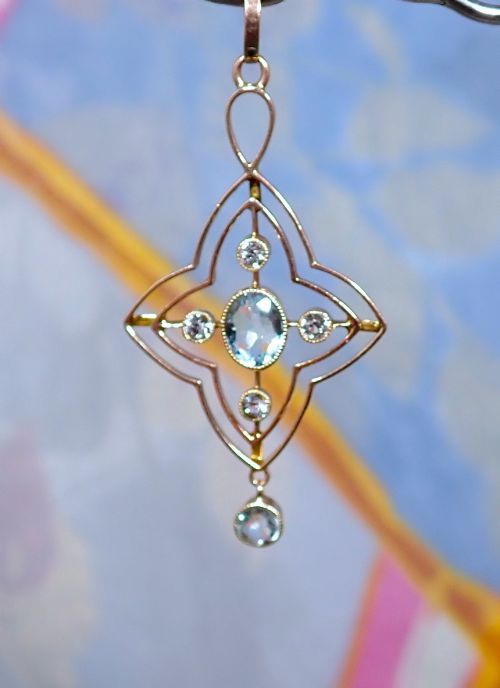
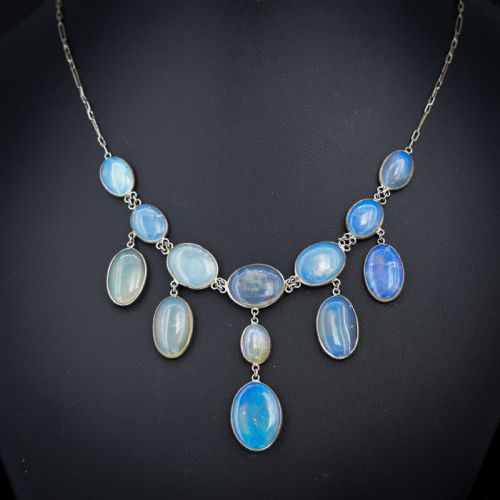
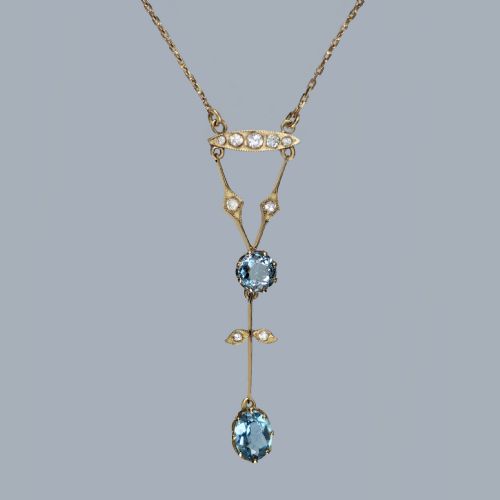
When you search for antique blue gemstone drops, you encounter swinging pendants, necklaces and earrings created across the Victorian, Edwardian and Art Deco periods. These jewels rely on aquamarine, sapphire, topaz and moonstone to supply shades of blue, dangling from fine chains or secure ear wires. The version you meet most often on this page is the Edwardian aquamarine and seed pearl pendant set in nine carat gold.
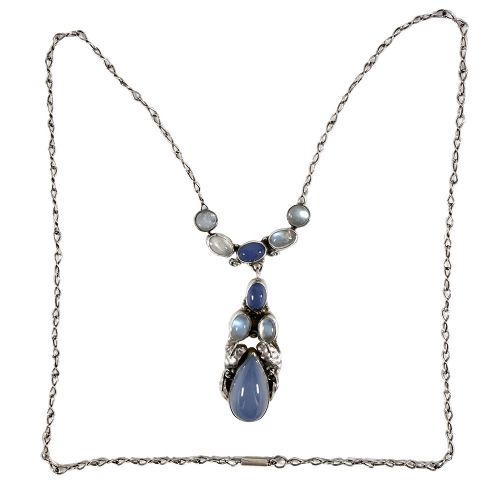
Makers and designers of the Arts and Crafts movement also contributed distinctive silver work using moonstone and chalcedony. Later twentieth century pieces bring heavier platinum and diamond cluster drops into the mix alongside earlier gold settings. Each piece is designed to catch the light with every turn of the head.
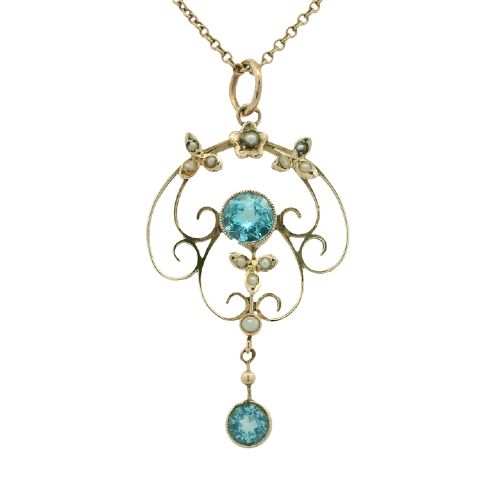
The forms span simple single stone drops, elaborate festoon necklaces, and multi-stone cluster earrings. Finding the right piece involves balancing the charm of the blue centre stone with the integrity of the period setting. These drops represent a tradition of delicate goldsmithing combined with transparent and translucent coloured gems.
How they were made
Goldsmiths worked with nine carat, fifteen carat and eighteen carat yellow and rose gold, alongside silver and platinum. Stones were secured using delicate claw settings, bezel mounts or foil backs to enhance the colour of the gems. Seed pearls were frequently strung or pegged around the central blue stones to create decorative borders.
Techniques shifted from Victorian foil backing and intricate wirework to Edwardian platinum-topped gold and geometric Art Deco layouts. Jewellers combined hand-cut aquamarines and sapphires with diamonds, paste or white sapphires to highlight the central blue tones. Silver was hammered and worked by hand during the Arts and Crafts period.
Chain work ranges from simple trace links to elaborate festoon networks holding dangling drops. Stones like moonstone and chalcedony were cut in cabochon forms to show their soft adularescence, while aquamarines and sapphires received oval, emerald or round cuts.
Listings span the Victorian, Edwardian, Art Deco and Arts and Crafts periods, featuring aquamarine, sapphire, moonstone, topaz and turquoise.
What varies in quality
Quality rests in the depth of colour and clarity of the blue gemstone, alongside the finesse of the metalwork. A top tier aquamarine or sapphire exhibits a strong, even hue without distracting inclusions, while lesser stones appear pale or overly dark. The crispness of the surrounding gold or platinum claw work dictates the overall refinement of the jewel.
The integration of supporting diamonds, seed pearls or enamel elevates a piece from standard commercial output to fine jewellery. Balance in drop earrings and pendant clusters ensures the piece hangs correctly and moves gracefully. Superior examples retain their original chains, clasps and matching components without later alterations.
Mary Thew·Dorrie Nossiter·Amy Sandheim
The Antique Blue Gemstone Drops Glossary
- Aquamarine
- A transparent blue to light green variety of beryl that forms the primary gemstone in many Edwardian drops. Its name refers to seawater, reflecting its cool translucent quality.
- Festoon
- A necklace style featuring chains, swags or drops suspended in a curved drape across the collarbone. This design was popular during the Edwardian era.
- Cabochon
- A gemstone shaped and polished with a smooth convex surface rather than faceted. This cut is typical for moonstones, chalcedony and certain sapphires.
- Seed pearl
- A very small, natural or cultured pearl used in clusters and borders around larger stones. They add a delicate white contrast to blue gems.
- Foil back
- A technique where a thin sheet of coloured metallic foil is placed behind a gemstone within a closed setting to alter or enhance its reflection. This method appears in Victorian pieces.
Antique Blue Gemstone Drops: Frequently Asked Questions
How do I wear antique drop earrings safely?
Ensure the original hook or wire fittings are secure and consider adding small silicone backs for extra security during wear. Store them flat in a lined box to prevent the drops from tangling or striking other pieces.
Avoid wearing delicate Edwardian or Victorian drops while swimming, bathing or applying cosmetics. The mild acids in perfumes and soaps can harm seed pearls and dull the gold surfaces over time.
What is the difference between Edwardian and Art Deco drops?
Edwardian drops typically feature flowing garlands, millegrain-edged platinum on gold, and soft aquamarines paired with seed pearls. The aesthetic is light, lacy and inspired by eighteenth century motifs.
Art Deco drops embrace geometric lines, stronger blue sapphires, and symmetrical platinum settings with baguette diamonds. The focus shifts from organic curves to bold, architectural clarity.
Are these blue gemstones natural?
Many pieces feature natural aquamarines, sapphires, moonstones and topazes as found in the earth during the nineteenth and early twentieth centuries. Jewelers also utilised paste and synthetic stones in certain accessible Edwardian designs.
Examining the inclusions under magnification helps reveal the natural origin of the stones. Certified pieces often detail specific geological origins like Ceylon for sapphires.