



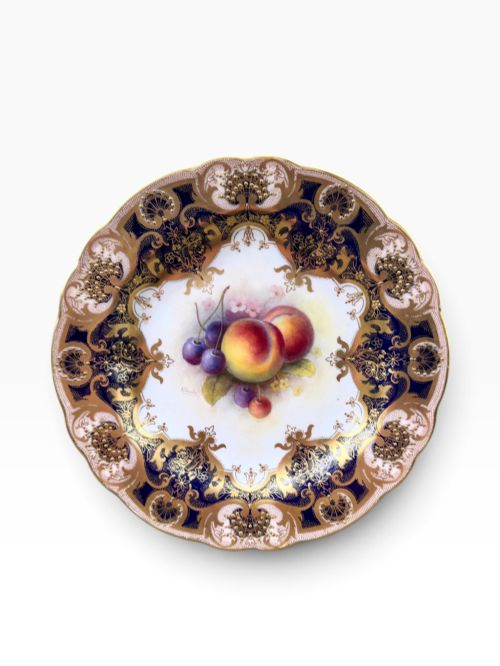
Antique Blue Decorative Plate
An antique blue decorative plate brings centuries of pigment and form to a wall or cabinet, offering the rich blues of Delft, Imari, and porcelain.
Antique Blue Decorative Plate
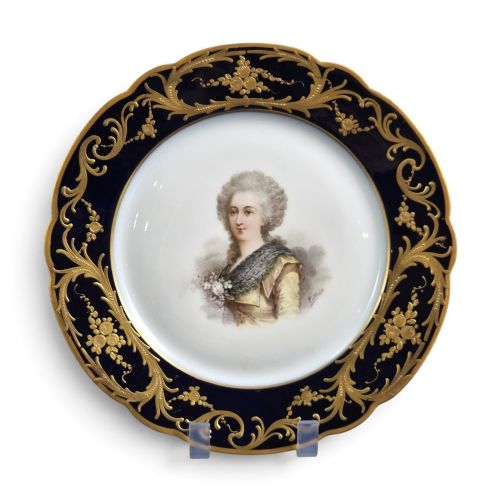
When searching for an antique blue decorative plate, collectors encounter a diverse selection spanning the eighteenth, nineteenth, and twentieth centuries. These objects take the form of chargers, cabinet plates, and dishes originating from English, European, and Japanese makers.
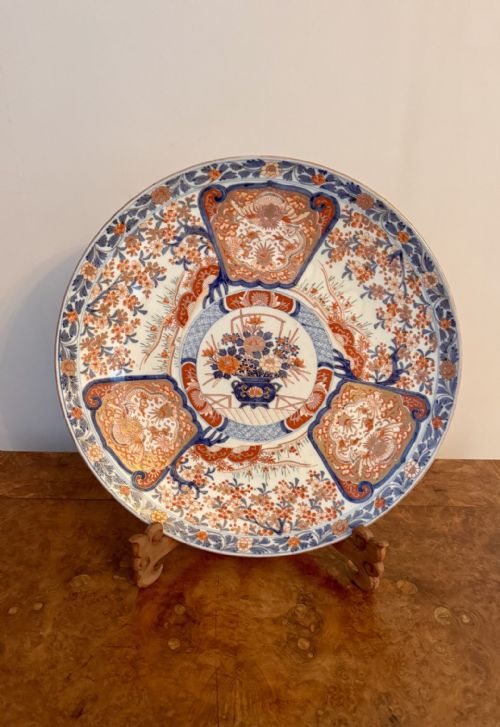
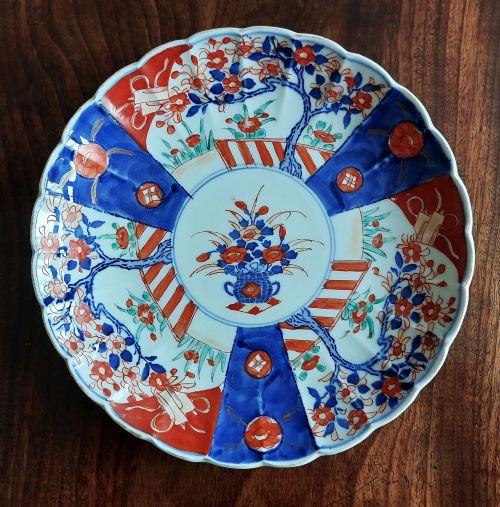
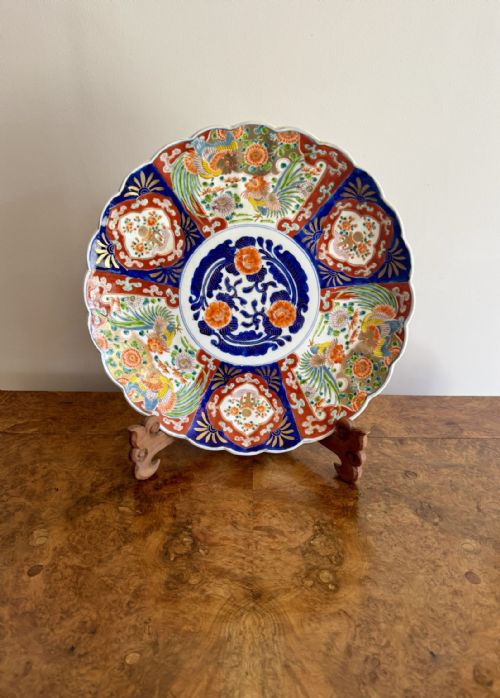
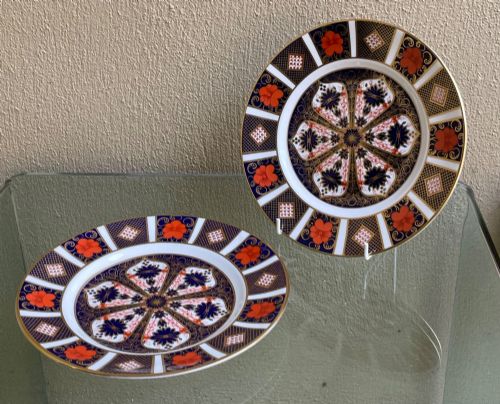
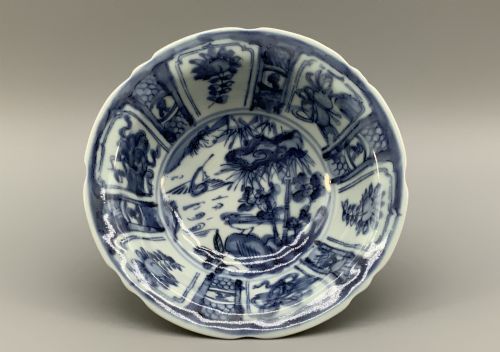
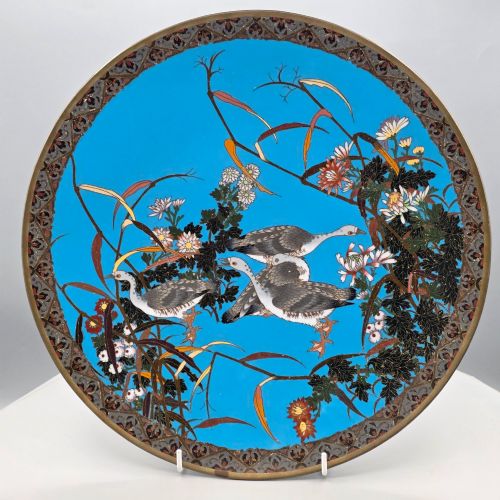
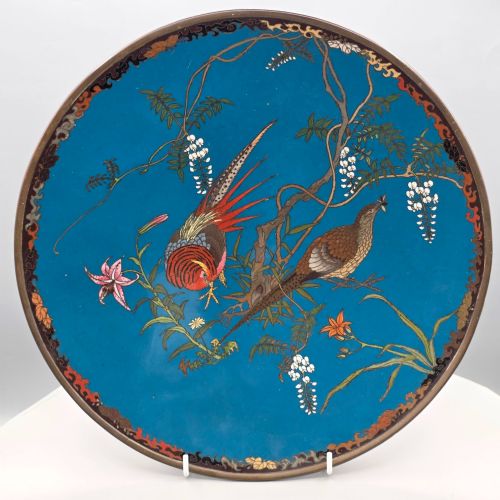
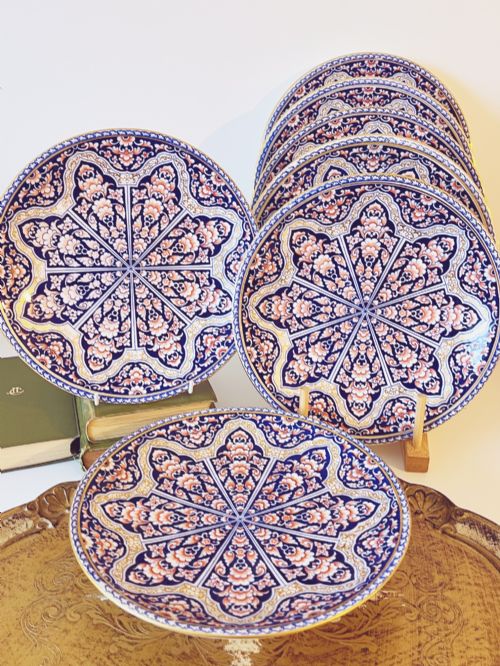
The most common examples on this page are Japanese Imari chargers and blue and white porcelain plates featuring traditional motifs. Pieces range from Georgian transferware to Victorian earthenware and Japanese Meiji period enamel work.
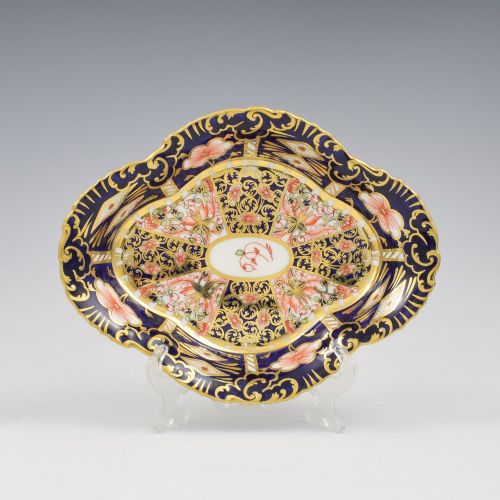
Forms extend beyond standard circular plates to include lobed bowls, shell-shaped dishes, and square plates designed for display. Continental Delft chargers and Royal Worcester cabinet pieces also appear frequently among the listings.
How they were made
Potters utilised porcelain, bone china, earthenware, and ironstone as bodies, applying cobalt blue glazes before high-temperature firing. Transfer printing allowed intricate blue and white patterns to be applied efficiently to nineteenth-century earthenwares.
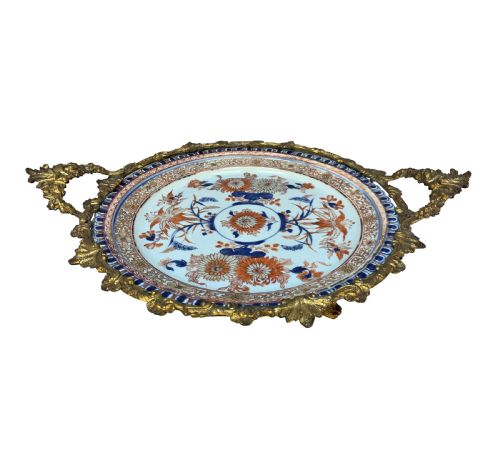
Japanese cloisonné enamel chargers were constructed by soldering metal wire onto copper bases to form cells, which artisans then filled with enamel pastes and fired multiple times. Hand-painted porcelain incorporates detailed overglaze decoration, sometimes enhanced with gold leaf and ormolu mounts.
Listings feature porcelain, earthenware, and copper materials spanning the eighteenth to the twentieth centuries.
What varies in quality
Quality rests upon the precision of the hand-painting, the depth and vibrancy of the blue glazes, and the crispness of the moulded form. Superior examples display meticulous brushwork and balanced compositions, particularly on hand-painted cabinet plates and intricate cloisonné chargers.
The sophistication of the secondary materials, such as fire-gilded ormolu mounts or finely potted porcelain bodies, distinguishes standard domestic wares from exceptional display pieces.
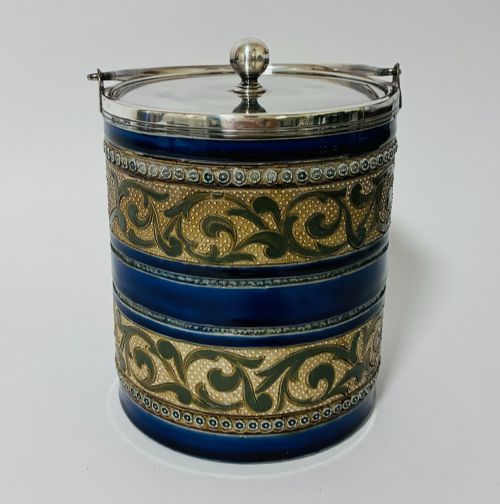
Royal Crown Derby·Royal Worcester·John Davenport of Longport·Doulton Lambeth
The Antique Blue Decorative Plate Glossary
- Imari
- A style of Japanese porcelain featuring a palette of underglaze blue and iron red, frequently accented with gold. This aesthetic heavily influenced European potteries during the eighteenth and nineteenth centuries.
- Charger
- A large decorative plate or dish, traditionally intended for display on a sideboard or wall rather than for dining use. These pieces often measure over thirty centimetres in diameter.
- Cloisonné
- A metalwork technique where thin flat wires are affixed to a base to create compartments filled with coloured enamel. Japanese makers applied this method to large copper display dishes.
- Transferware
- Earthenware decorated by applying a printed design from an engraved copper plate onto the ceramic surface using a paper tissue. This method produced repeatable blue and white pictorial scenes.
- Delft
- Tin-glazed earthenware originating from the Netherlands and England, characterised by opaque white surfaces painted with blue designs. These domestic and continental chargers often depict floral or architectural subjects.
Antique Blue Decorative Plate: Frequently Asked Questions
How do I hang a heavy charger?
Large chargers require robust, adjustable spring-clip hangers that distribute the weight evenly across the rim. Ensure the fixing secured to the wall matches the load of the specific porcelain or copper piece.
Avoid wire-only solutions that rely on friction alone. Padded prongs protect the edges of antique earthenware and cloisonné from scratching.
Were these plates meant for dining?
Most large chargers and cabinet plates served decorative roles in dining rooms and drawing rooms. Their size and elaborate hand-painted surfaces made them unsuited for everyday meals.
Smaller dishes and specific service components saw occasional table use, but pieces featuring delicate overglaze enamels or ormolu mounts remained strictly for display.
How do I distinguish Imari from Delft?
Imari pieces combine underglaze blue with iron red and gold leaf upon a hard porcelain body. The motifs typically draw from Japanese textile and floral designs.
Delft pieces rely on a tin-glaze over softer earthenware, using almost exclusively blue pigment to render Dutch, Chinese, or Moorish scenes on a milky white background.
Can I clean antique porcelain safely?
Dust plates gently with a soft, dry brush to remove surface particles. Avoid submerging pieces with metallic mounts, gold leaf, or exposed earthenware bodies in water.
Harsh chemical detergents strip delicate overglaze enamels. Lukewarm water and mild soap suffice only for sturdy glazed porcelain without vulnerable additions.