

Antique Blue Artwork
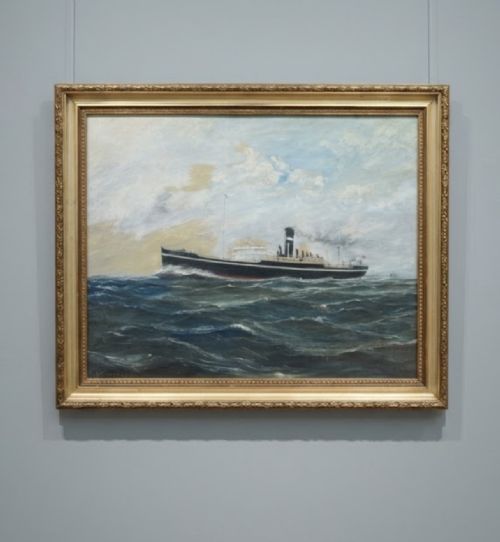
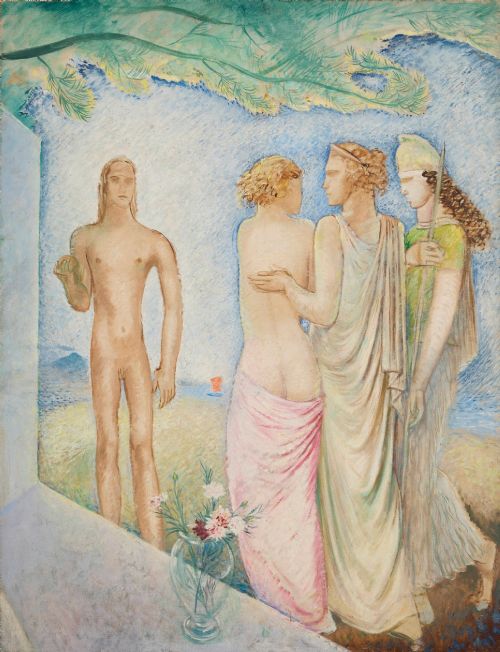
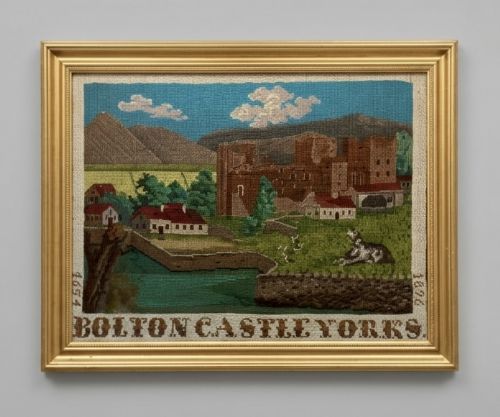
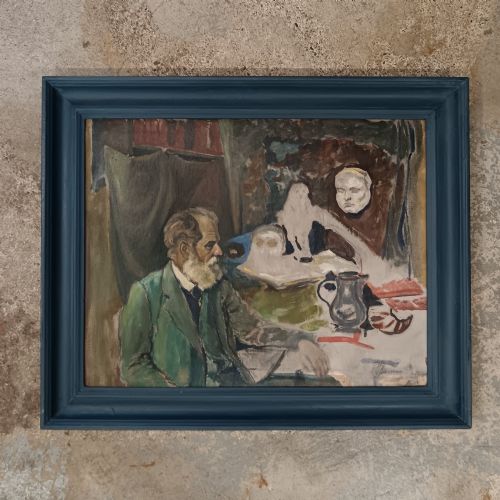
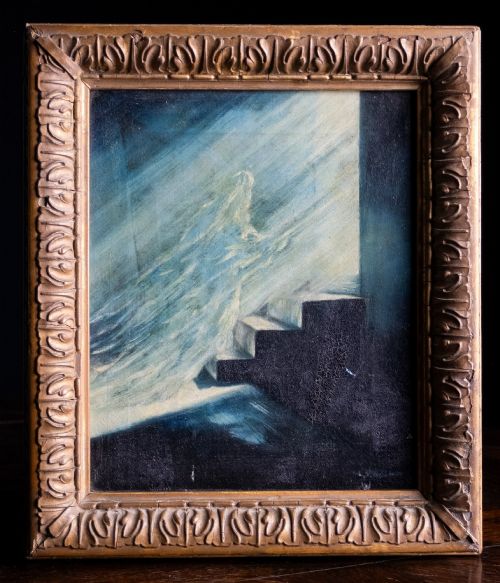
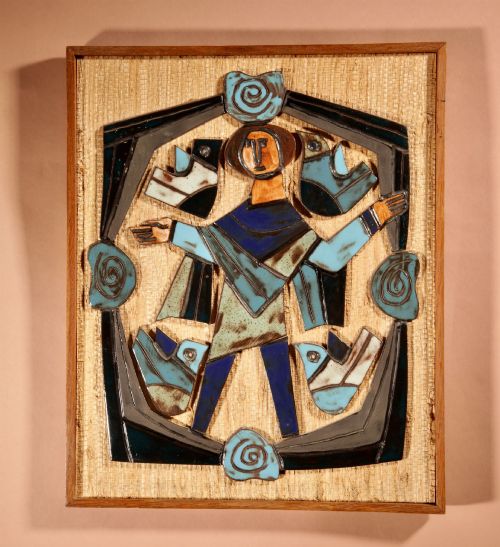
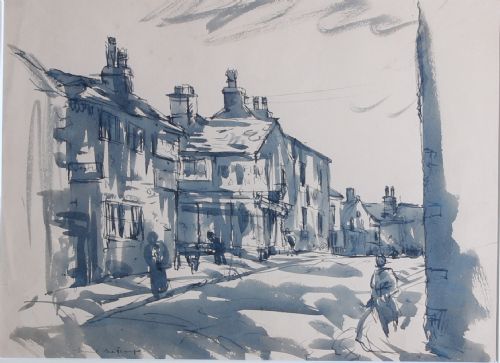
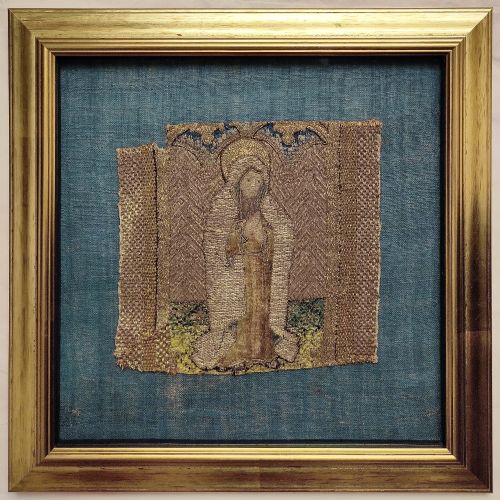
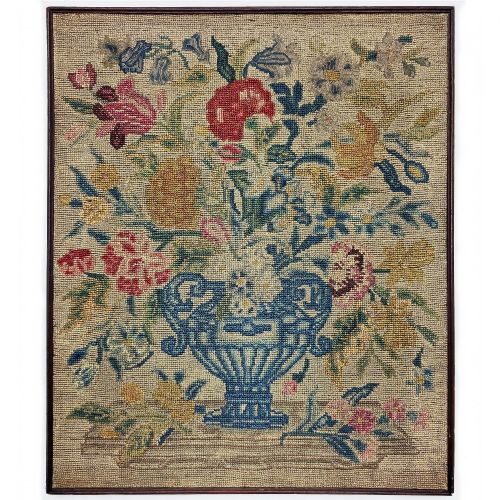
These pieces of antique blue artwork span centuries of portraiture, maritime scenes and landscapes executed in oil, pastel and watercolour.
Antique Blue Artwork
When searching for antique blue artwork, collectors encounter a diverse array of paintings, drawings and wall art originating from the seventeenth, eighteenth and nineteenth centuries, alongside Edwardian and later twentieth-century pieces.
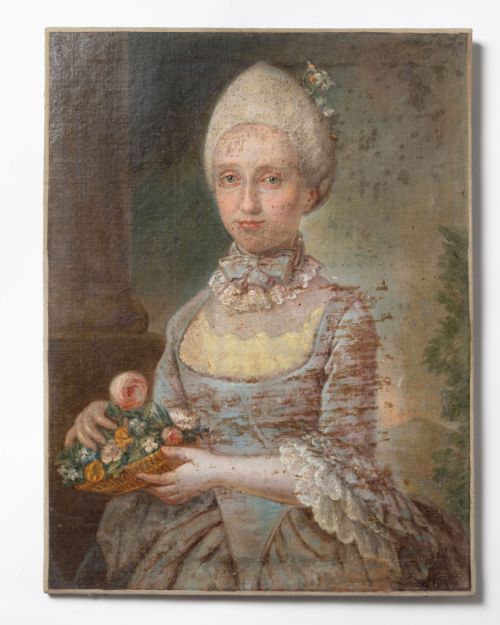
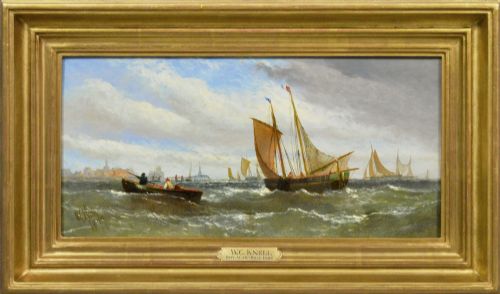
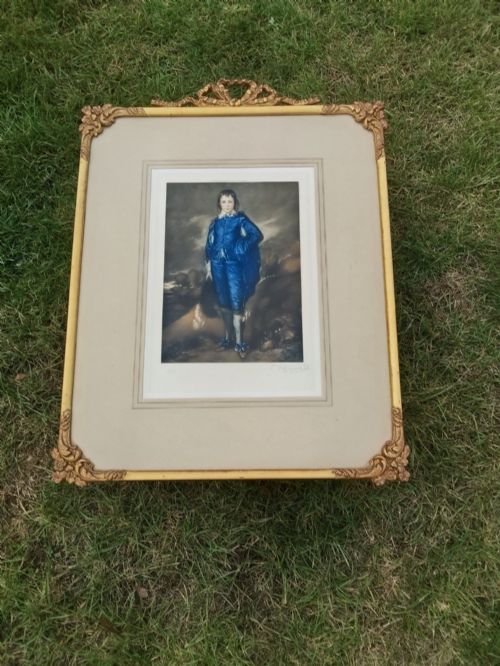
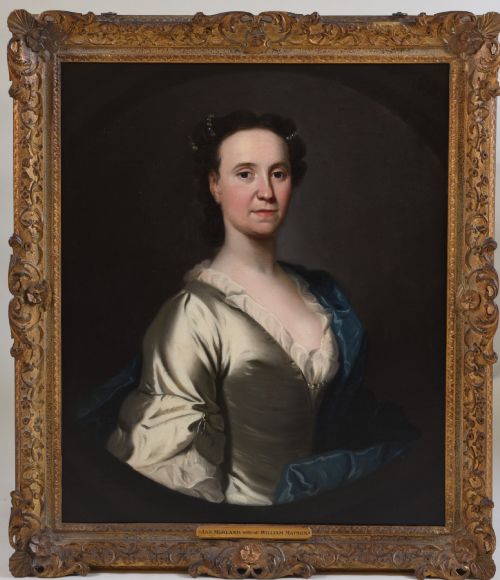
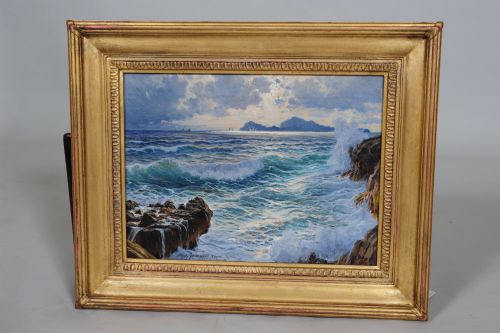
Portraits from the seventeenth and eighteenth centuries often showcase sitters adorned in blue cloaks, wraps or ribbons, while later nineteenth-century works capture harbour scenes, river landscapes and marine views utilising varied blue tones.
Materials and methods
Makers utilised traditional supports including stretched canvas, wooden panels, heavy paper and card, applying pigments suspended in oil, watercolour, gouache or pastel to achieve their desired compositions.
Frames incorporate wood and giltwood, often housing glazed sections to protect fragile watercolours, pastels and delicate drawings on paper from environmental damage.
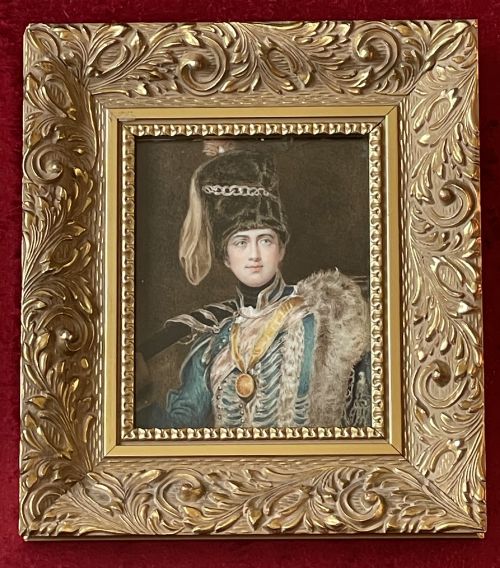
Artists employed fine brushes for intricate portrait miniatures on ivory and broader strokes for expansive oil paintings on canvas or panel, reflecting the techniques dominant in their respective periods.
Antique Blue Artwork Retail Price Guide 2026
Typical asking prices for blue artwork among the pieces listed under this phrase on Sellingantiques today, from the lower quarter to the upper quarter. They describe what is for sale here now, not the wider market.
The inventory records significant representation from nineteenth-century British and Scottish watercolourists alongside earlier seventeenth and eighteenth-century oil portraits.
Factors determining quality
Quality rests upon the skill of the execution, evident in the handling of light, shadow and perspective within landscapes, maritime scenes and portraiture.
The preservation of the original surface, whether oil on canvas, pastel on paper or watercolour, dictates the integrity of the piece, alongside the authenticity and condition of any accompanying period frames.
JOHN RUSSELL R.A.·Herbert Royle·Sir David Murray RA·Thomas Murray·Henry Pickering·William Woolard·Samuel Harry Hancock·Thomas Miles Richardson Jnr RWS·James Orrock·William Henry Earp·Richard Principal Leitch·Alfred Young Nutt·Percy Lancaster·John Hassall
The Antique Blue Artwork Glossary
- Oil on Canvas
- Pigment mixed with drying oil applied to a woven fabric stretched across a wooden frame. This medium allowed artists to build rich layers of colour and texture.
- Watercolour
- Paint consisting of colour suspended in a water-soluble binder, typically applied to paper. It permits translucent washes that create luminous effects.
- Pastel
- A dry painting medium in the form of a stick, consisting of pure powdered pigment and a binder. Works executed in this medium require glass protection to prevent smudging.
- Portrait Miniature
- A small, highly detailed painting, frequently created on ivory or vellum during the Georgian and Edwardian eras. These intimate works demand exceptional precision from the artist.
- Giltwood
- Wood carved and coated with a thin layer of gold leaf or gilt. This material is standard for ornate antique picture frames.
Antique Blue Artwork: Frequently Asked Questions
How do I date an antique blue portrait?
Dating relies heavily on the clothing styles, hairstyles and facial accessories depicted in the artwork, such as periwigs in seventeenth-century pieces or specific ribbon bows in eighteenth-century portraiture.
Examining the materials of the support, the stretcher construction and any inscriptions or signatures on the reverse provides further chronological context.
What subjects appear in these artworks?
The selection encompasses maritime scenes featuring warships and coastal landscapes, alongside formal portraits of gentlemen and ladies adorned in blue garments.
Other notable subjects include river landscapes, still life compositions and architectural views from travels across Europe.
How should I care for antique watercolours?
Works on paper require positioning away from direct sunlight to prevent the fading of delicate pigments and the yellowing of the paper support.
Maintaining stable indoor humidity levels protects both the artwork and its historical frame from warping or moisture damage.