




Antique Black Screen
An antique black screen divides a space or shields a room from heat with painted lacquer, ironwork, or woven wire.
Antique Black Screen
The antique black screen encompasses folding room dividers and protective fireguards from the eighteenth century through the early twentieth century. Buyers seeking an antique black screen will find tall multi-panel lacquer screens alongside heavy iron or brass mesh guards designed for the hearth.
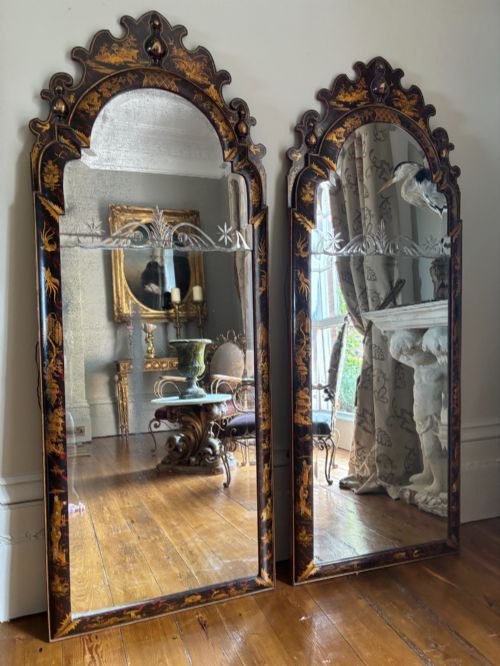
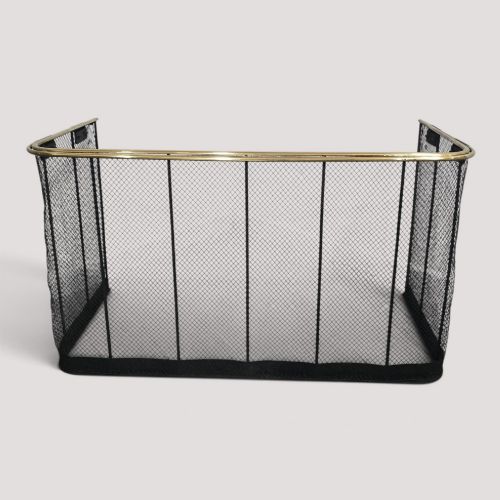
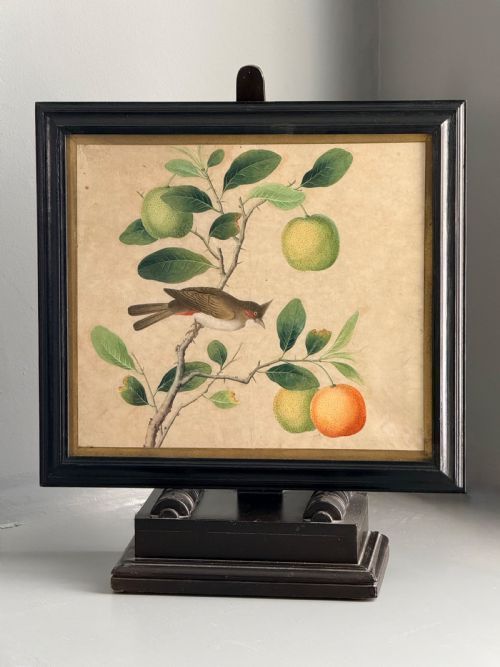
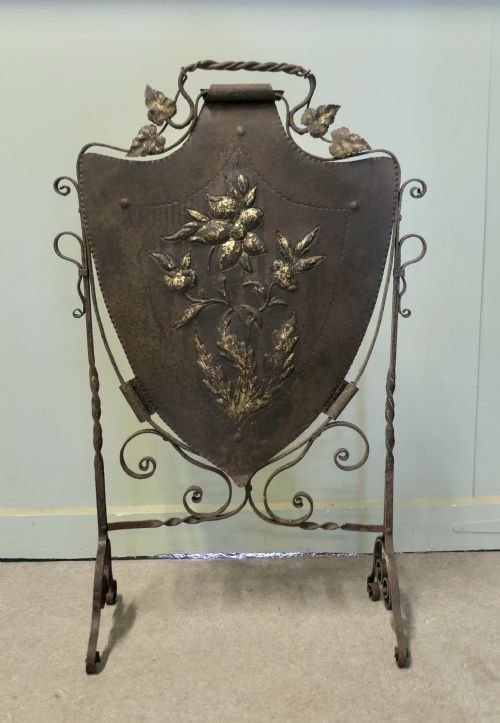
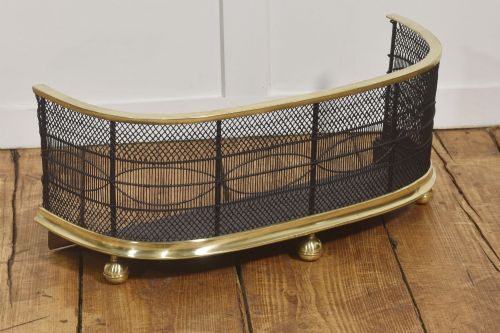
Folding screens range from large eight-fold Coromandel pieces decorated with hardstone or carved bone to smaller Japanese and Chinese panels. Hearth-focused variations include Victorian wire mesh nursery fenders, Gothic wrought iron fire guards, and Chinoiserie pole screens.
Materials and construction
Lacquered wood forms the basis of many decorative panels, often finished with painted surfaces, incised coromandel work, or applied bone and hardstone details. Frames and spark guards utilise brass, iron, copper, and wire mesh to withstand hearth heat while maintaining structural integrity.
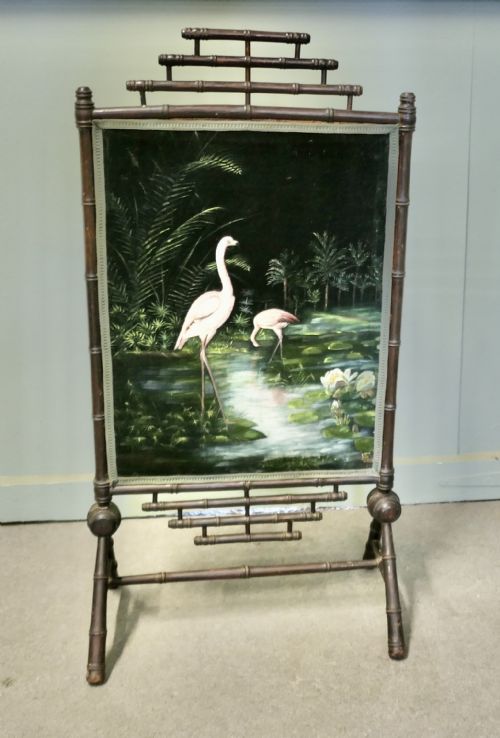
Cabinetmakers and metalworkers combined functional framing with decorative arts, employing ebonised wood, papier mâché, and wrought iron. Textile panels, silkwork, and gouache paintings on pith paper also appear integrated into wooden and brass frames.
Antique Black Screen Retail Price Guide 2026
Typical asking prices for black screen among the pieces listed under this phrase on Sellingantiques today, from the lower quarter to the upper quarter. They describe what is for sale here now, not the wider market.
Victorian face screens let ladies protect their complexions from fireplace heat without scorching their eyebrows.
Measures of craftsmanship
Quality rests upon the depth of the carving, the precision of the lacquer layers, and the integrity of the hinges or frames. Hand-painted details, deep incision work, and the weight of the underlying brass or iron distinguish finer productions from simpler utilitarian items.
The complexity of the subject matter, such as multi-panel pictorial narratives with inlaid bone or hardstone, separates standard room dividers from exceptional decorative examples.
The Antique Black Screen Glossary
- Coromandel
- A type of Chinese incised lacquer work where designs are cut into a dark ground and filled with colours or left natural. These screens often feature multiple folding panels.
- Fireguard
- A protective metal screen or mesh barrier placed in front of an open fireplace to catch sparks. They appear in brass, iron, and wirework.
- Chinoiserie
- European decorative style reflecting Chinese artistic influences, commonly seen in black lacquer furniture and screens. It flourished during the Regency and Victorian periods.
- Pole screen
- A Victorian fireside screen featuring an adjustable panel mounted on a vertical wooden or brass pole. It allowed occupants to shield their faces from hearth heat.
Antique Black Screen: Frequently Asked Questions
How do I choose between a room divider and a fire screen?
Room dividers are tall, multi-panel folding screens built to partition spaces or decorate walls using lacquer and painted scenes. Fire screens are smaller, sturdier pieces made of iron, brass, or wire mesh designed specifically for hearth safety.
Consider the scale and intended room when selecting a piece, as folding panels require floor space while hearth guards sit flush against the fireplace.
What periods do these screens come from?
The available pieces span from the eighteenth century through the Regency, Victorian, and Edwardian eras into the early twentieth century. Styles range from Gothic revival ironwork to Chinoiserie lacquer.
Matching the period to your interior helps determine whether an ornate Japanese Coromandel screen or a simpler wrought iron spark guard suits the space.
How do I care for antique lacquer screens?
Keep lacquered wood surfaces away from direct sunlight and extreme temperature fluctuations to prevent cracking or fading. Dust gently with a dry, soft cloth without applying modern chemical polishes.
Iron and brass fireguards benefit from occasional light cleaning to remove soot and maintain the integrity of the metal mesh.
Were these screens used in bedrooms or living rooms?
Folding lacquer screens often served as dressing screens in bedrooms or grand room dividers in reception spaces. Smaller pole screens and nursery fenders were stationed directly in sitting rooms near the fireplace.
Their placement depended on whether the primary function was privacy, draught exclusion, or ember protection.