

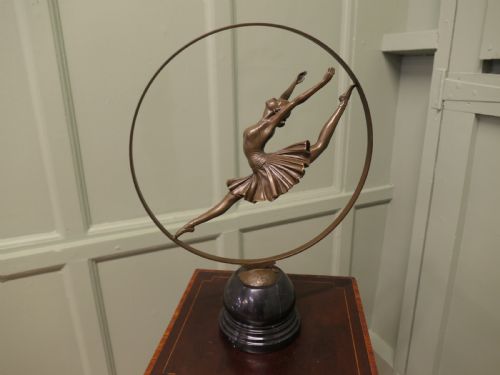
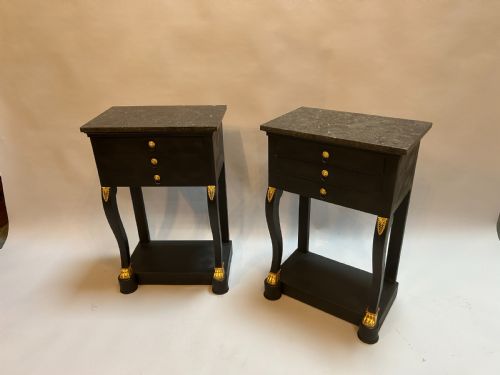
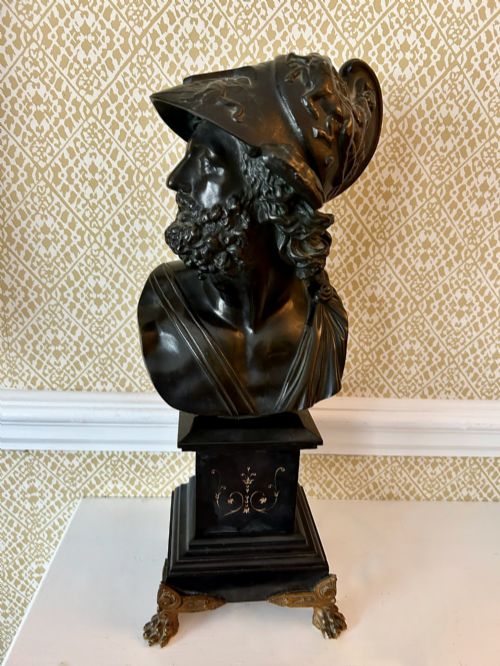

Antique Black Marble
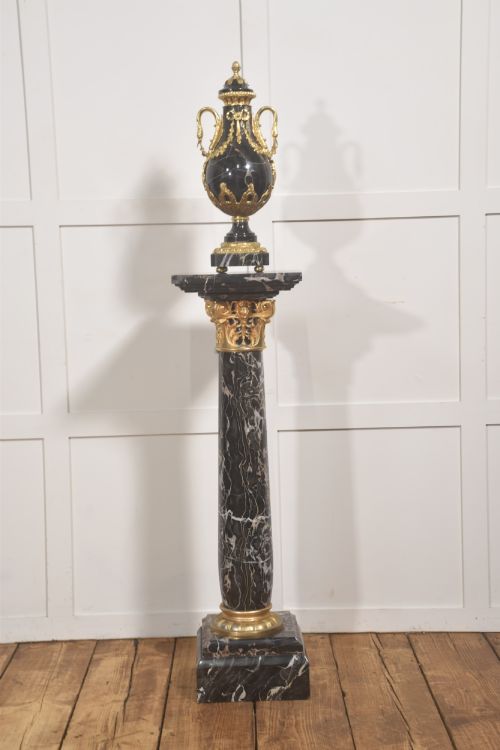
Antique black marble objects combine deep, sombre stone with contrasting metals like bronze and ormolu to create striking centrepieces for period and modern interiors alike.
Antique Black Marble
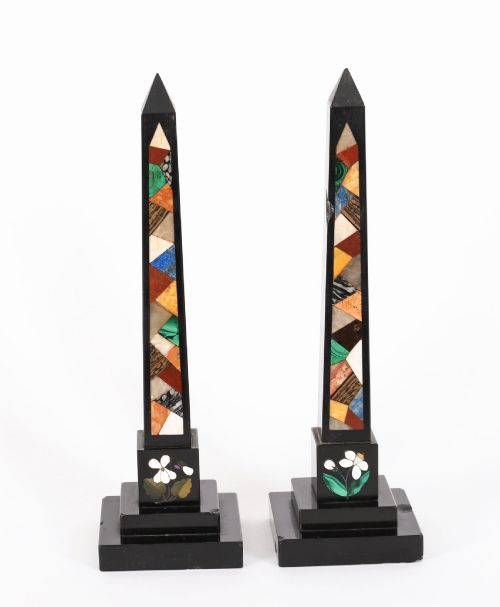
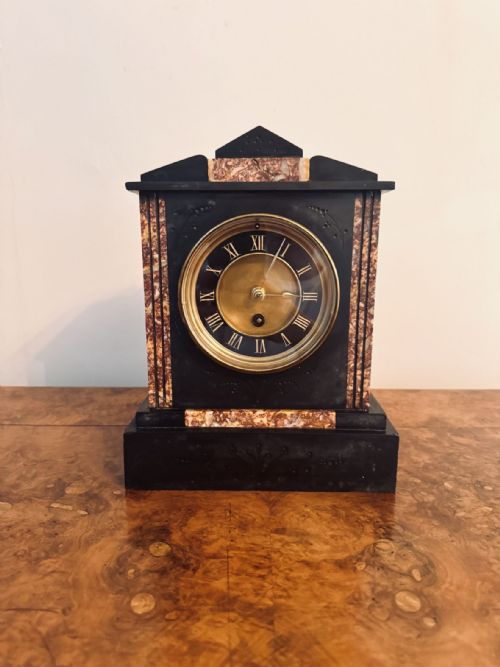
When you search for antique black marble, you encounter dense, polished stone formations utilised primarily for mantel clocks, architectural clock garnitures, desk tidies, and sculptural bases.
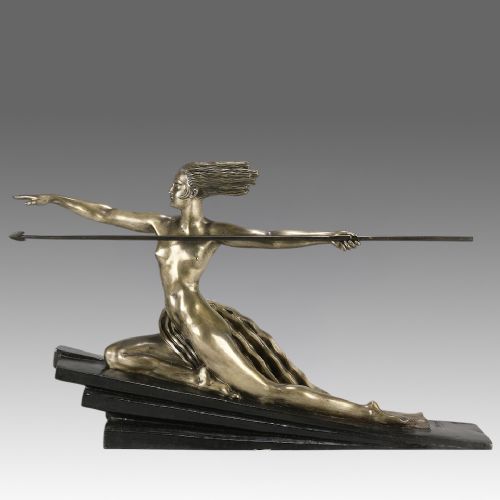
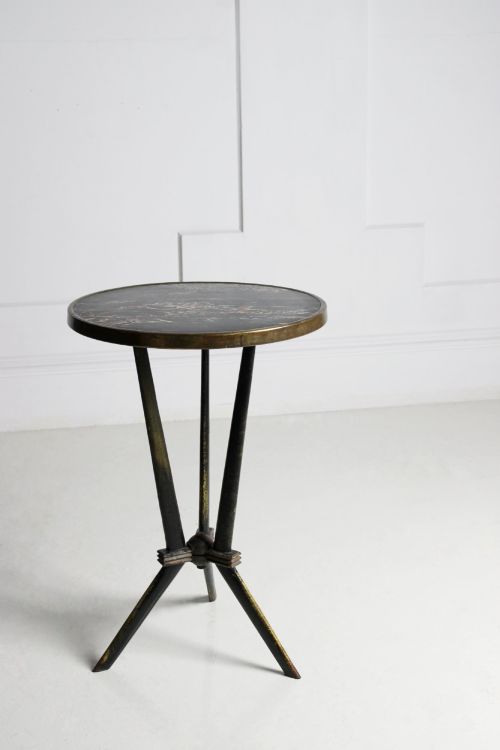
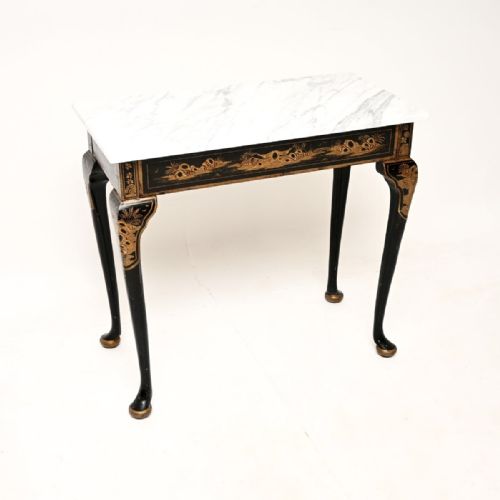
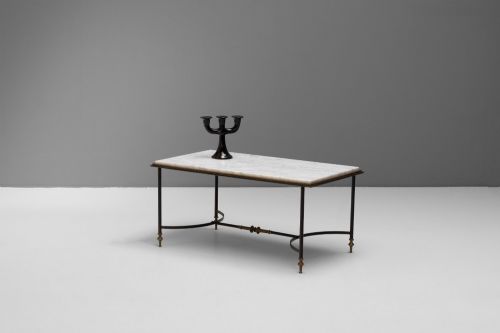
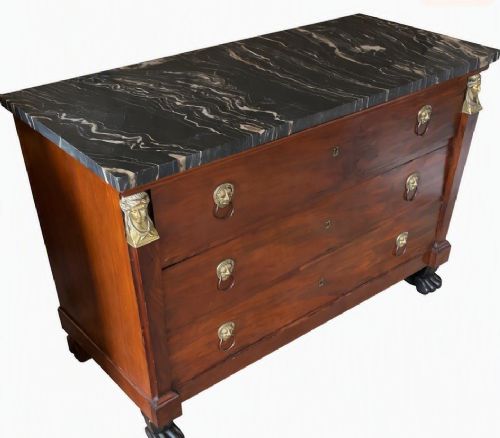
The pieces on this page span the nineteenth century through the Art Deco era, appearing alongside related decorative objects and occasional furniture with inset stone tops.
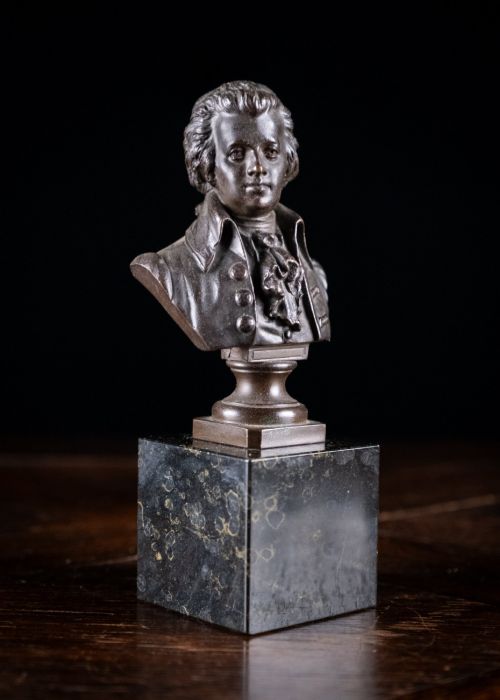
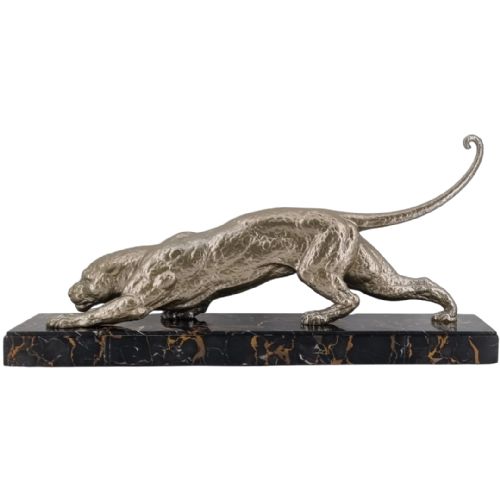
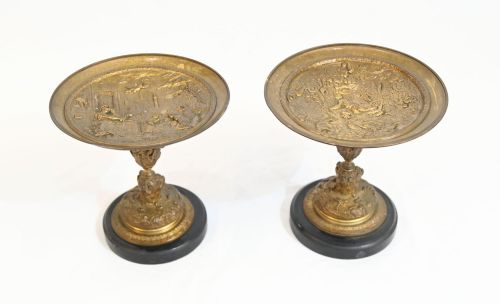
Makers and manufacturers paired this heavy, dark stone with patinated bronze, silvered bronze, and gilt brass to produce functional ornaments and desk accessories with strong visual weight.
How they were made
Craftsmen shaped solid black marble by hand-cutting, turning, and polishing the dense material to achieve a deep, light-reflecting sheen.
Foundries cast accompanying figures and mounts in bronze, brass, or ormolu, applying patination or gilding before mounting them securely onto the heavy stone plinths and clock bodies.
Antique Black Marble Retail Price Guide 2026
Typical asking prices for black marble among the pieces listed under this phrase on Sellingantiques today, from the lower quarter to the upper quarter. They describe what is for sale here now, not the wider market.
The listings span the nineteenth century through the Art Deco period, combining black marble with bronze, brass, and ormolu.
What varies in quality
The calibre of an antique black marble object depends upon the precision of the stone cutting, the sharpness of the architectural moulding, and the absence of clumsy repairs to the heavy mineral body.
Quality also rests in the artistic merit and foundry casting of the integrated metalwork, where finely chased bronzes elevate the overall sculptural presence of the piece.
Japy Frères·Eugen Bormel·Lavroff·D. H. Chiparus·Jean de Roncourt·Maurice Giraud-Rivière·Pierre Collinet·Bruno Zach
The Antique Black Marble Glossary
- Clock garniture
- A matching set comprising a central mantel clock accompanied by side ornaments such as candelabra or vases. These arrangements symmetry on a mantelpiece or console.
- Ormolu
- Gilded bronze used widely for decorative mounts on nineteenth-century clocks and architectural objects. The technique involves applying finely ground gold to a bronze base.
- Grand Tour
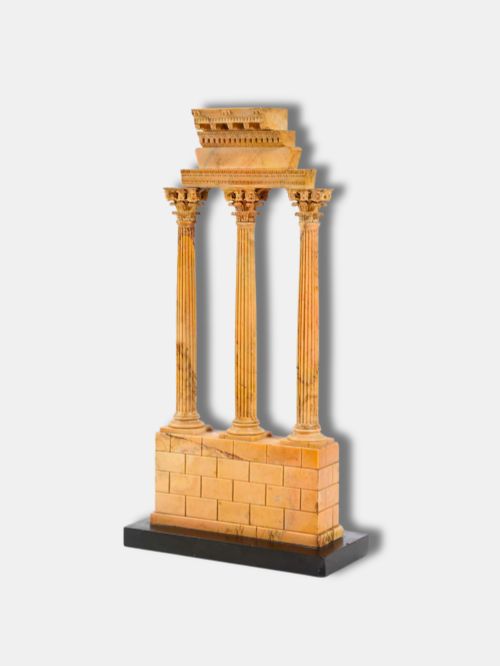
- A cultural journey undertaken by wealthy Europeans in the eighteenth and nineteenth centuries, commemorated through souvenir bronzes and carved marble models.
- Desk tidy
- A compartmentalised desktop accessory designed to hold pens, ink, and small stationery items. These functional objects frequently incorporated heavy stone bases and cast metal ornaments.
Antique Black Marble: Frequently Asked Questions
Were these clocks made in France?
Many architectural mantel clocks and garniture sets originating from the nineteenth century stem from French workshops and prominent makers such as Japy Frères. These pieces frequently married dense black stone with cast brass and ormolu mounts.
French design during this period drew heavily upon classical architectural forms and Neoclassical motifs, influencing domestic mantelpieces across Europe.
How do I date an antique black marble object?
Examine the style of the metal mounts, the typography of the clock dial, and the overall silhouette to determine the period of manufacture. Art Deco pieces from the nineteen-twenties and thirties often feature stylised fauna, geometric desk tidies, and streamlined silhouettes.
Nineteenth-century examples tend towards heavier architectural forms, classical garnitures, and Grand Tour influences. Inspecting the mechanical components and the wear on the underside of the stone provides further clues to age.
Where should I display these pieces?
Place heavy mantel clocks and desk tidies on sturdy, level surfaces such as strong sideboards, mantelpieces, or dedicated display tables. The dense stone requires solid support to bear its substantial weight safely.
Position items away from direct sunlight and sudden temperature fluctuations to protect both the stone and any applied patinated bronze or brass elements.