
Antique Black Fireplace
An antique black fireplace brings substance and deep historical weight to a room, ranging from robust cast iron grates to ornate combination surrounds.
Antique Black Fireplace
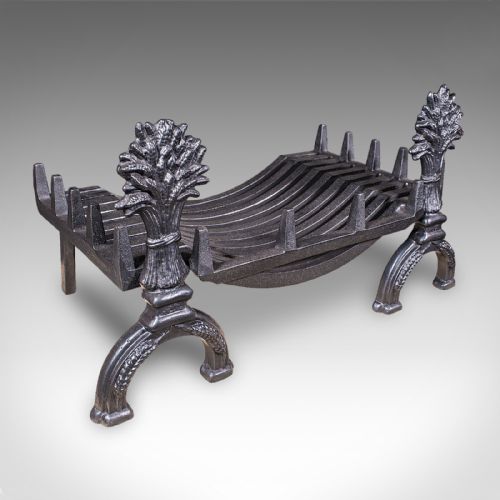
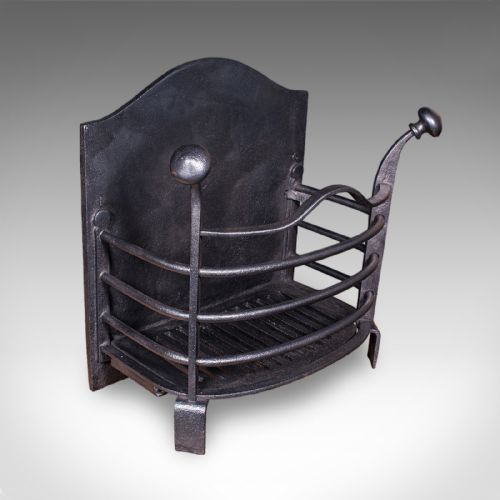
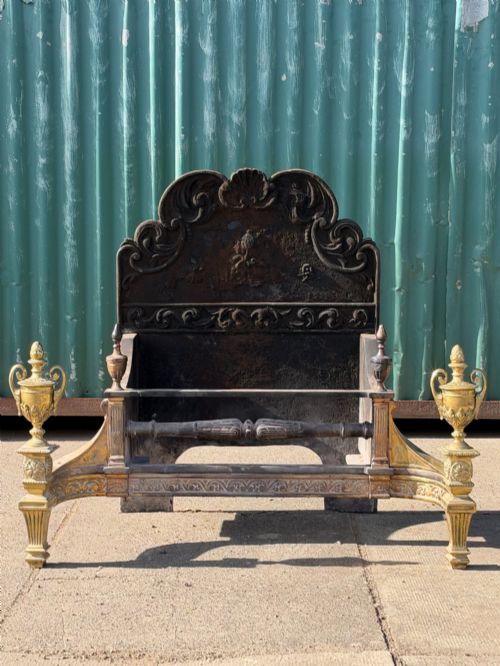
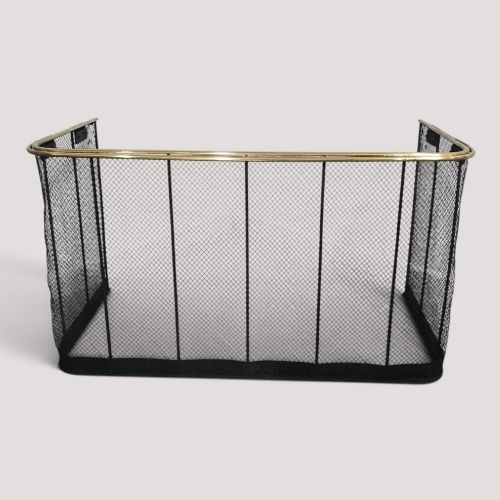
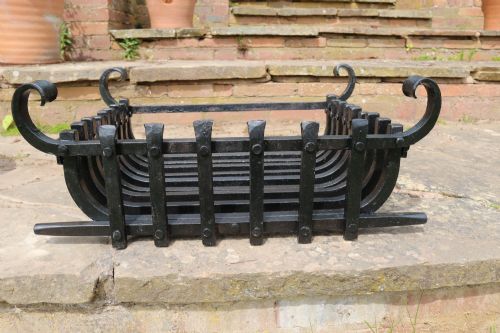
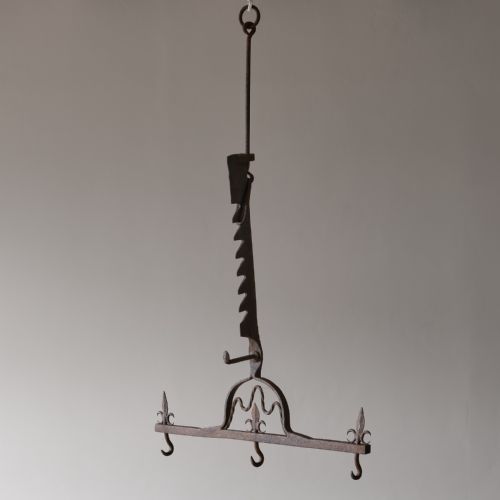
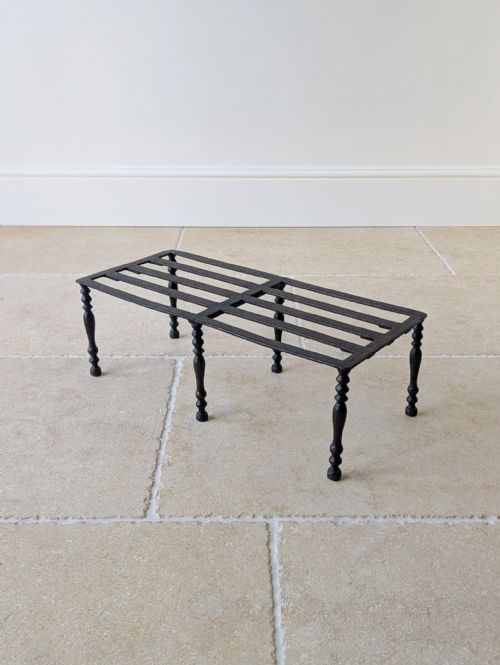
When you search for an antique black fireplace, you find a diverse range of items connected to hearth and chimney, including combination fireplaces, heavy grates, and fire backs. The most common versions on this page are Victorian cast iron combinations and sturdy wrought iron fire baskets dating from the eighteenth and nineteenth centuries.
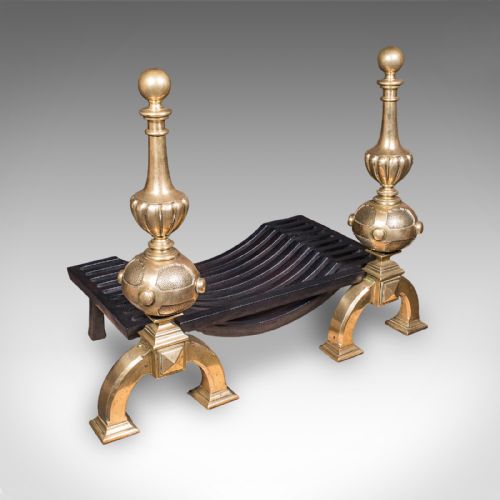
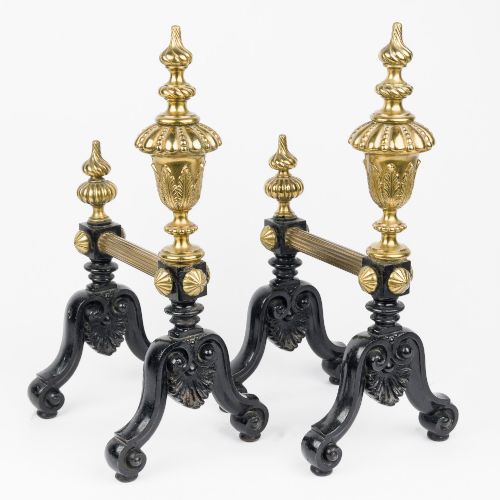
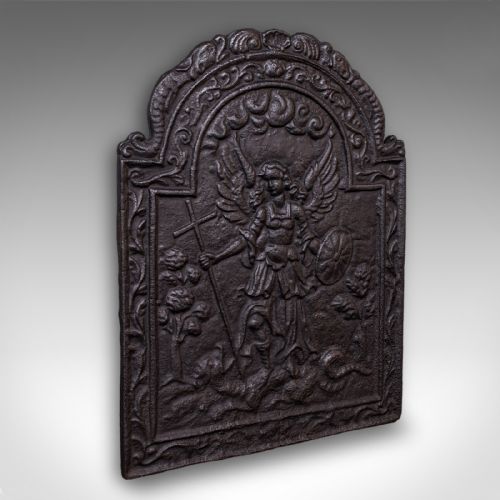
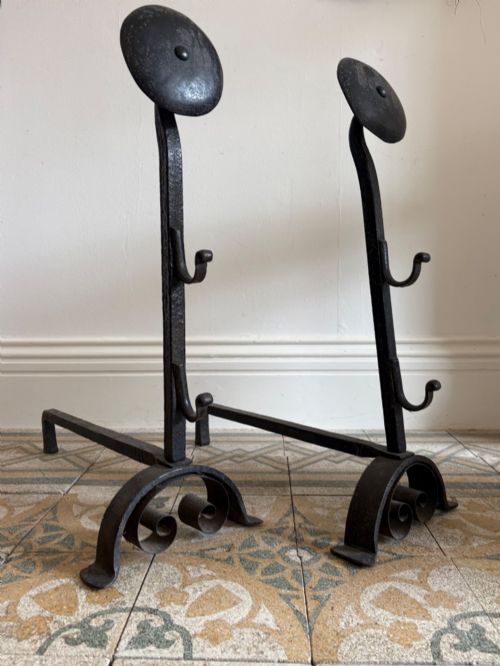
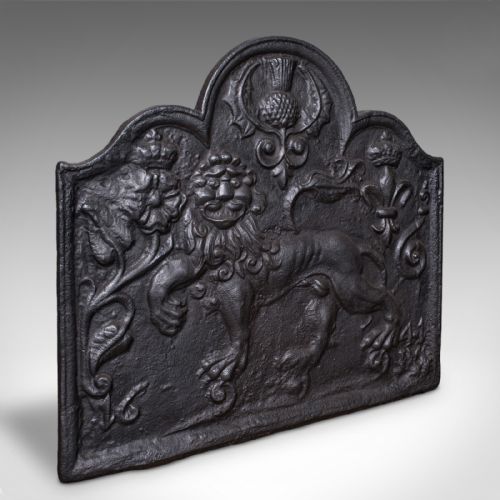
The selection extends beyond structural surrounds to include essential hearth accessories like fire dogs, andirons, and decorative fire backs. These pieces span Georgian, Regency, and Victorian periods, often showing the dark patination of iron and ebonised wood.
Buyers look for functional hearthware and focal pieces that retain their original dark metallic surfaces, whether sourced from English country houses or French manors. The inventory captures both grand architectural fixtures and smaller hearth accessories designed for coal and wood fires.
Materials and construction
The items listed are predominantly formed from cast iron and wrought iron, utilising hand-forged techniques for trammels, chimney jacks, and companion sets. Foundries poured molten metal into detailed moulds for fire backs and combination fireplaces, creating relief motifs and structural grates.
Surface treatments include black lacquer, ebonised wood, and natural dark oxidation on iron, sometimes paired with brass details or wire mesh. These durable materials were selected to withstand intense hearth heat while providing a solid, light-absorbing dark finish.
A cast iron doorstop styled as a guardian lion stands ready to hold doors open against the strongest draughts.
Distinctions in quality
Quality in these dark hearth pieces rests on the crispness of the iron casting and the integrity of hand-forged joins. Finer examples display deeply struck relief work on fire backs and well-balanced proportions in hob grates and andirons.
Weight and gauge of metal separate ordinary utility items from superior country house pieces. Heavier cast iron components and carefully hand-hammered wrought iron show greater mastery by the smith or foundry.
Japy Frères·Coalbrookdale·Fletcher Russell & Co Ltd
The Antique Black Fireplace Glossary
- Cast Iron
- Iron poured into a mould to create rigid shapes and decorative relief. It allows for intricate surface patterns on fire backs and combination surrounds.
- Wrought Iron
- Iron heated and hammered by hand into durable shapes. This material is typical for functional items like trammels, crane arms, and andirons.
- Hob Grate
- A fireplace featuring raised side platforms next to the central grate. These ledties were used for keeping kettles warm.
- Fire Back
- A heavy metal plate placed at the back of a fireplace opening. It protects the masonry and radiates heat back into the room.
- Andirons
- Supports used to hold logs in an open fireplace. They often feature decorative vertical fronts made of iron or brass.
Antique Black Fireplace: Frequently Asked Questions
How do I clean an iron fireplace?
Dust the surface regularly with a soft brush to prevent soot accumulation. Apply a specialised black grate polish sparingly with a cloth to maintain the deep dark finish.
Avoid using water or harsh chemical cleaners, as moisture causes active rust on exposed iron surfaces. Buff the dry polish gently to achieve a soft, authentic sheen.
Can I burn real wood in these grates?
Many of these grates and baskets are designed for solid fuel or wood burning. Check the structural integrity and ensure the flue is suitable before lighting any fire.
Smaller inserts or decorative fire backs are better suited for display or gas conversion. Consult a professional installer to verify safety standards for your specific hearth.
How do I date a cast iron fireplace?
Examine the style of decoration, such as Gothic Revival motifs or Neoclassical symmetry. Registration marks and foundry stamps offer precise clues to the decade of production.
Rougher casting textures often point to earlier Georgian or provincial work. Finer, highly uniform details typically indicate mass production from the later Victorian era.
What is a combination fireplace?
A combination fireplace integrates the mantel, surround, and grate into a single unified piece of cast iron. This design became popular in the Victorian period for smaller rooms and bedrooms.
They replaced older multi-part stone and wood surrounds with an efficient, mass-produced alternative. The dark finish made them practical for handling soot near coal fires.