

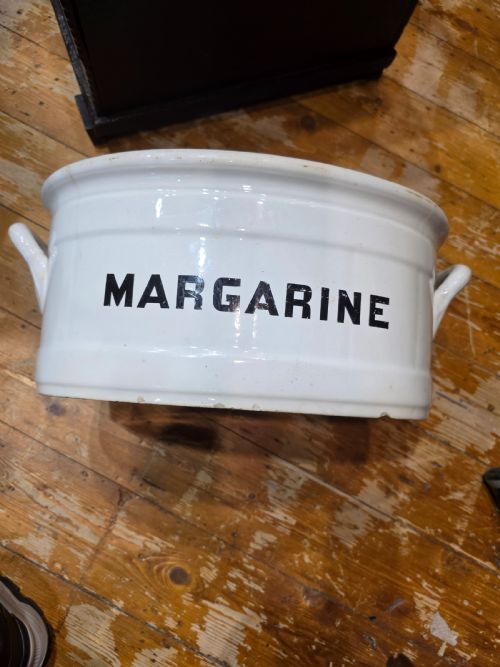
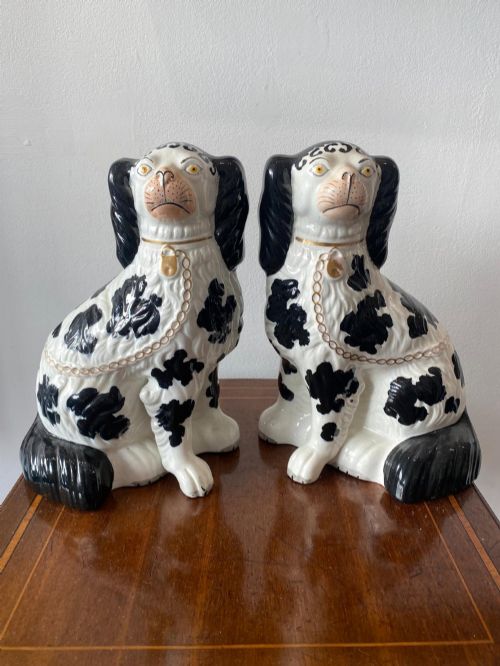
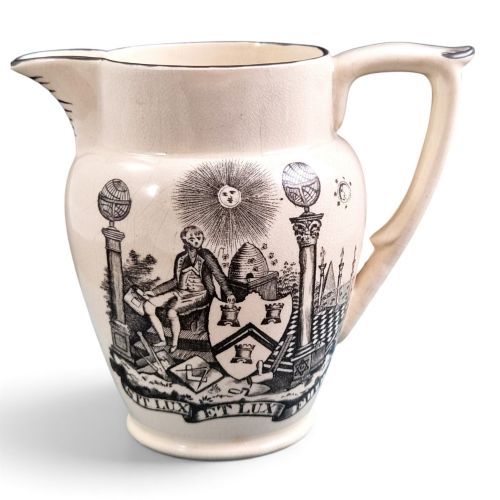
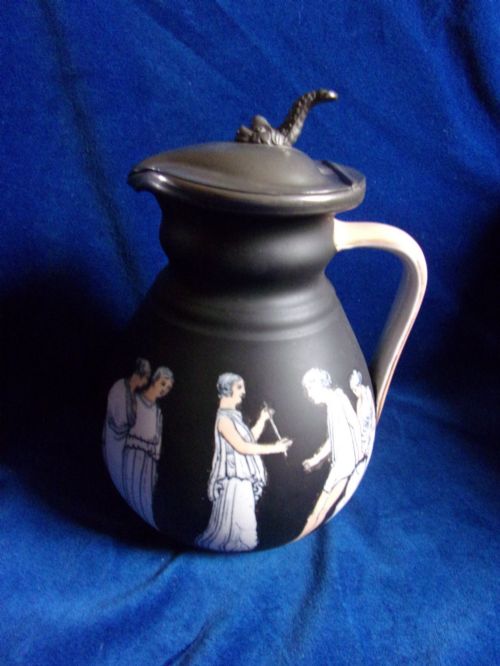
Antique Black Ceramic
Antique black ceramic items encompass dark earthenware, transfer-printed vessels and glazed pottery pieces that bring striking tonal depth to period interiors.
Antique Black Ceramic
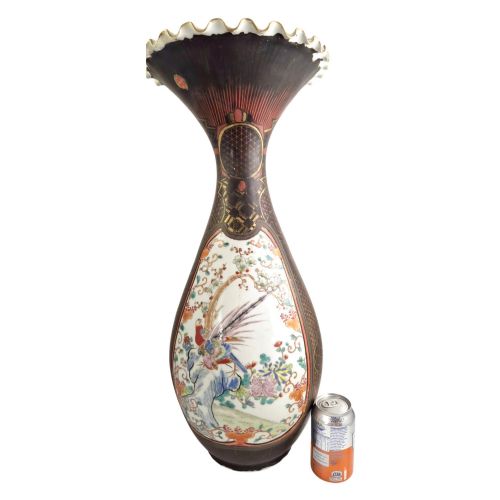
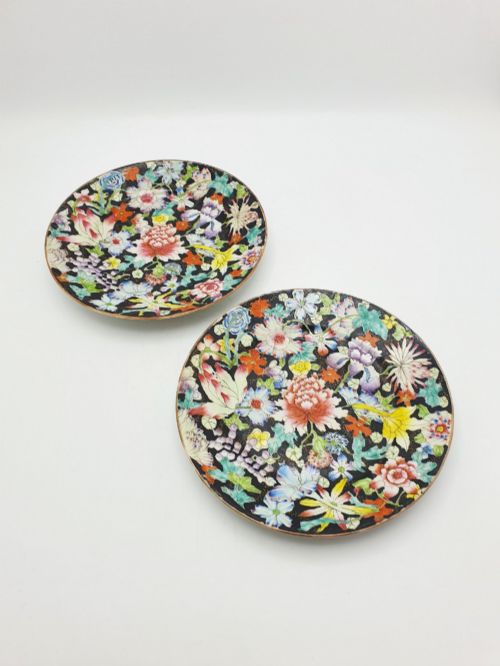
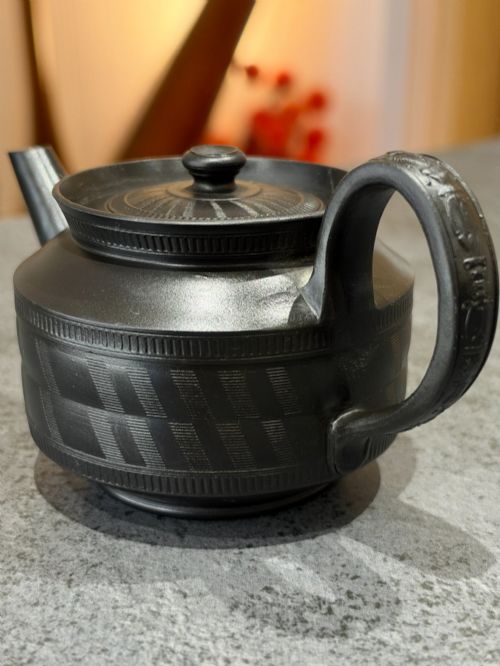
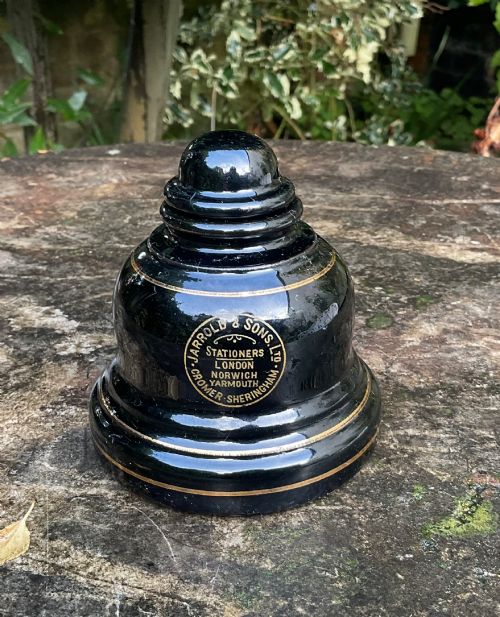
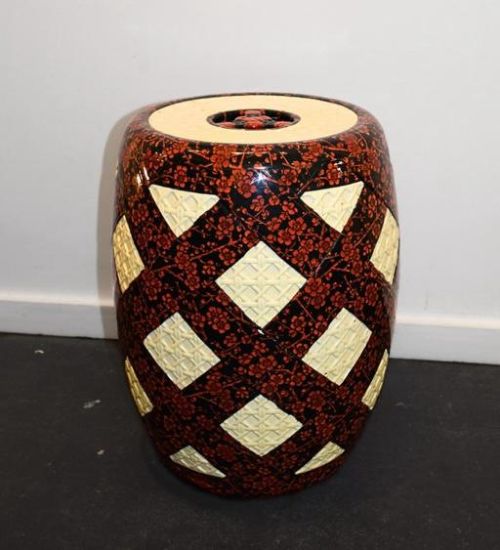
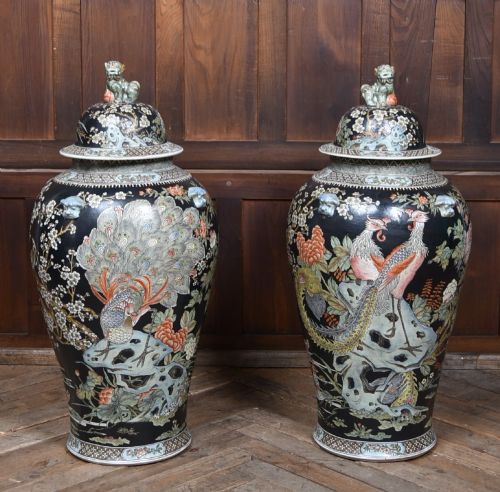
When exploring antique black ceramic, collectors encounter dark-glazed vessels, transfer-printed jugs and functional items spanning the Georgian, Victorian and Edwardian eras. The selection frequently includes Jackfield pottery creamers, transfer-printed loving mugs with frogs, and black basalt milk jugs alongside Japanese and Chinese wares.
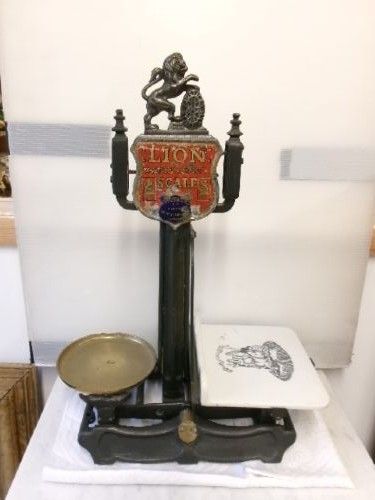
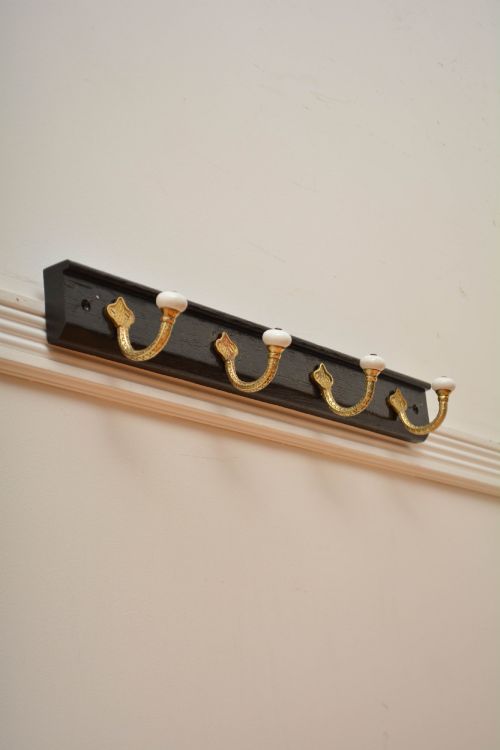
The objects take various domestic and decorative forms, ranging from utilitarian mugs and tea wares to mantel ornaments and architectural fixtures. Pieces emerge from diverse global traditions, including Staffordshire potteries, English earthenware manufactories and Meiji period Japanese workshops.
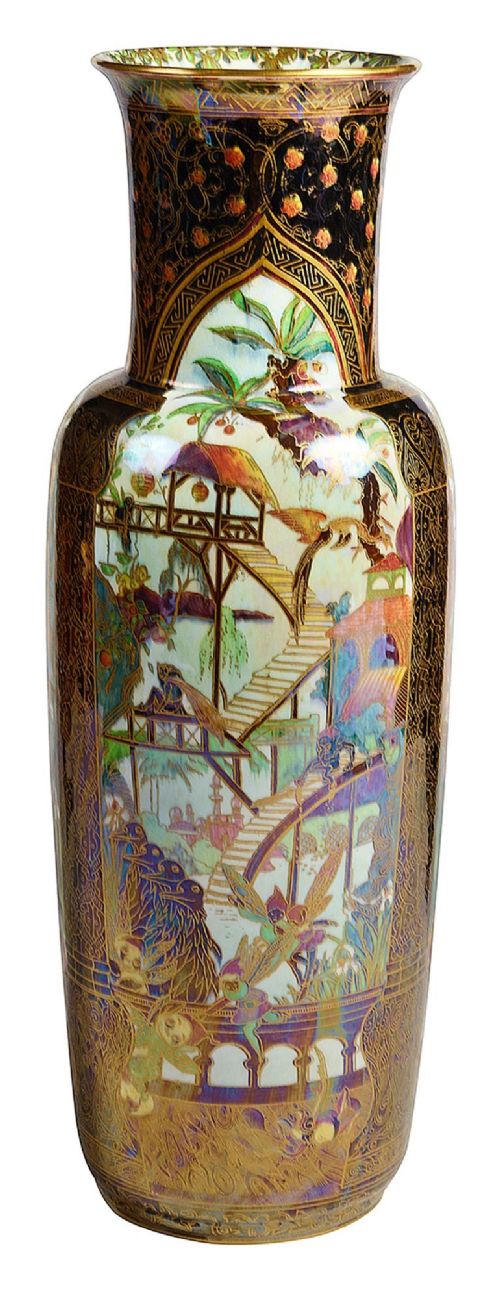
Makers utilised dark bodies, black enamel decoration and rich glazes to achieve dramatic visual contrast. These items served both practical dining purposes and purely decorative interior displays during the nineteenth and early twentieth centuries.
Materials and manufacture
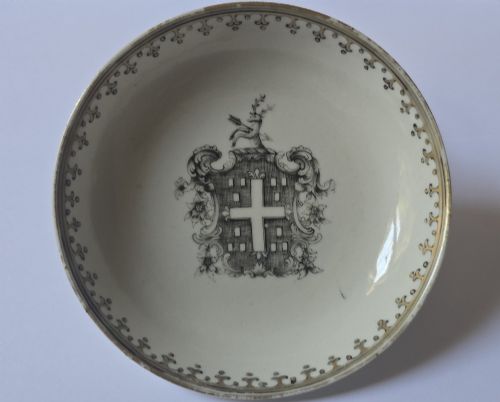
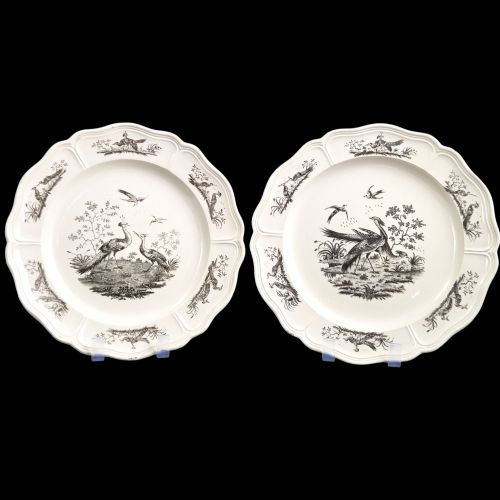
Potters formed these items using traditional earthenware and ceramic bodies, often applying specialised dark glazes or lustrous black finishes directly to the clay. Black transfer printing emerged as a prominent technique for surface decoration, allowing crisp monochromatic scenes to be permanently fixed to the ceramic surface.
Certain vessels incorporate contrasting elements such as white transfer details, gilt highlights, brass mounts or pewter lids. Kiln firing temperatures and oxide applications dictated the depth and permanence of the dark coloration across the ceramic body.
Antique Black Ceramic Retail Price Guide 2026
Typical asking prices for black ceramic among the pieces listed under this phrase on Sellingantiques today, from the lower quarter to the upper quarter. They describe what is for sale here now, not the wider market.
Listings feature items from the Georgian, Victorian, and Edwardian periods, utilising earthenware, porcelain, and black basalt materials.
Assessing quality and execution
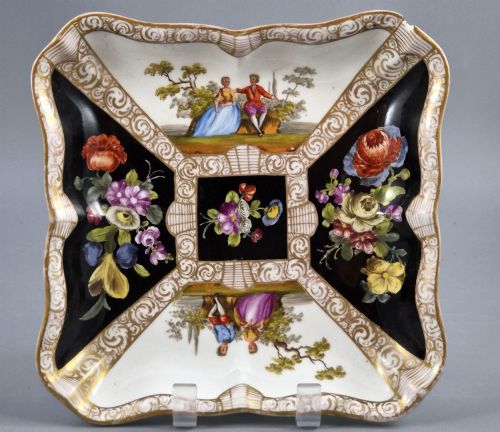
Quality rests upon the crispness of the transfer printing, the evenness of the glaze application and the precision of any hand-painted or gilt embellishments. Superior examples maintain sharp pictorial details without blurring or running in the glaze during the firing process.
The integrity of the ceramic body and the refinement of the moulding shape separate standard utilitarian wares from finer decorative pieces. Expert throwing and careful handling before firing yield balanced proportions and clean structural lines.
Leeds Pottery·Inoue Ryōsai Workshop·Staffordshire Potteries·Meissen Porcelain
The Antique Black Ceramic Glossary
- Jackfield pottery
- A type of British earthenware characterised by a dark, lustrous black glaze over a red clay body. It gained popularity during the Victorian era for tea wares and novelty jugs.
- Transfer printing
- A method of decorating ceramics by engraving a design upon a copper plate, pulling it on tissue paper, and transferring the ink onto the biscuit or glazed ware before firing. This technique allowed intricate pictorial scenes to be replicated consistently.
- Creamware
- A refined fine earthenware developed in Yorkshire during the Georgian period, featuring a pale cream-coloured body. Though typically light in tone, it frequently served as the base for bold black transfer-printed motifs.
- Basalt
- A fine-grained, hard stoneware developed in the eighteenth century that possesses a natural black body right through the material. It required no glaze to achieve its characteristic dark matte finish.
- Loving mug
- A large drinking vessel fitted with two or more handles, traditionally passed around among guests at gatherings. Many surviving examples feature hunting scenes and interior ceramic frogs.
Antique Black Ceramic: Frequently Asked Questions
What is antique black ceramic?
Antique black ceramic comprises historical earthenware, stoneware and porcelain objects featuring dark glazes, black transfer printing or specialised clay bodies. These pieces date primarily from the Georgian, Victorian and early twentieth-century periods.
Collectors prize them for their dramatic tonal qualities and historical manufacturing techniques. The category encompasses utilitarian tavern mugs, decorative vases and specialised tea wares.
How do I identify Jackfield pottery?
Jackfield pieces are distinguished by their deep, glossy black glaze applied over a reddish earthenware body. They often feature simple, elegant silhouettes associated with nineteenth-century British domestic use.
Many examples incorporate subtle gilt highlights or moulded floral reliefs that catch the light against the dark surface. The rich black finish remains the primary diagnostic feature for these wares.
What are frog mugs?
Frog mugs are traditional drinking vessels featuring a small ceramic figurine of a frog positioned inside the bottom of the mug. As the drinker finished their beverage, the hidden frog would suddenly appear as a surprise.
Potters produced these novelties during the nineteenth century, frequently decorating the exterior with black transfer-printed hunting scenes or commemorative verses. They served as humorous talking points in public houses.
How should I care for antique ceramics?
Antique ceramics require gentle handling and should be cleaned manually using lukewarm water and a mild soap when necessary. Harsh chemical cleaners and abrasive scrubbing must be avoided to protect historical glazes and transfer prints.
Display vessels away from direct sunlight and areas subject to sudden temperature fluctuations to preserve the ceramic body. Stable shelving ensures these fragile historical objects remain protected from accidental knocks.