


Antique Black Box
An antique black box brings tangible history to a room, holding everything from letters to trinkets while offering dark, tactile depth.
Antique Black Box
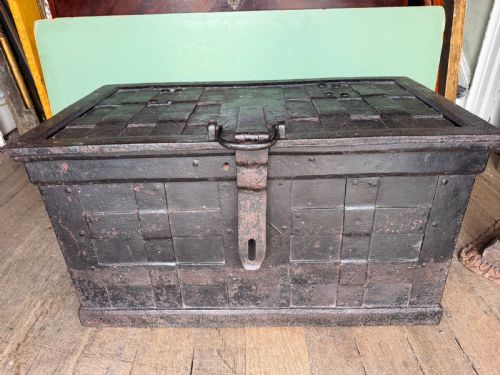
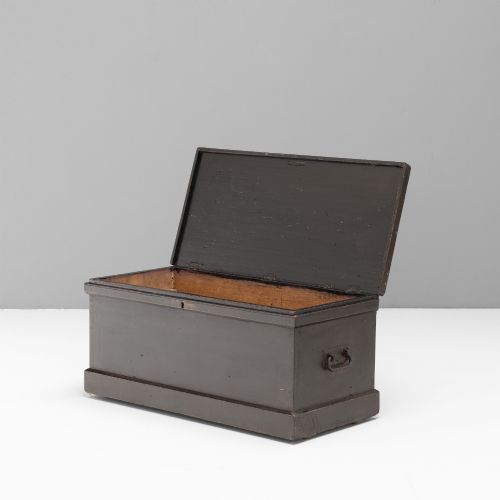
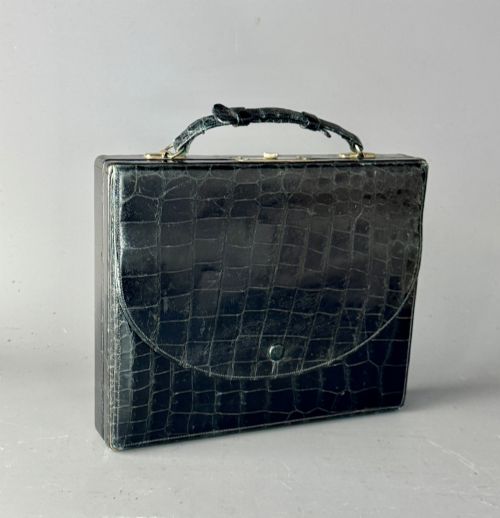
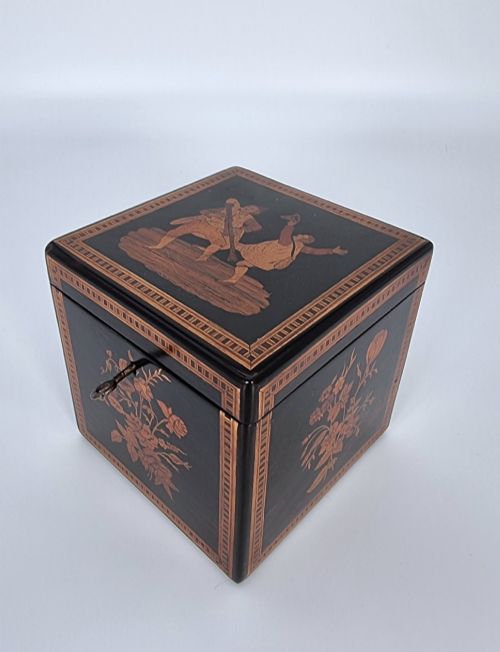
The term antique black box covers a varied group of receptacles, from tea caddies and writing boxes to larger trunks and coffers, spanning the Georgian, Victorian, and Edwardian eras. These containers serve storage and decorative functions alike, finished in deep tones of paint, lacquer, or leather.
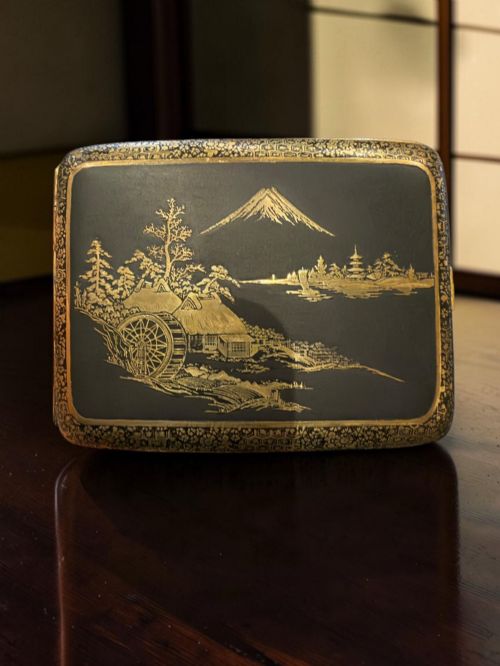
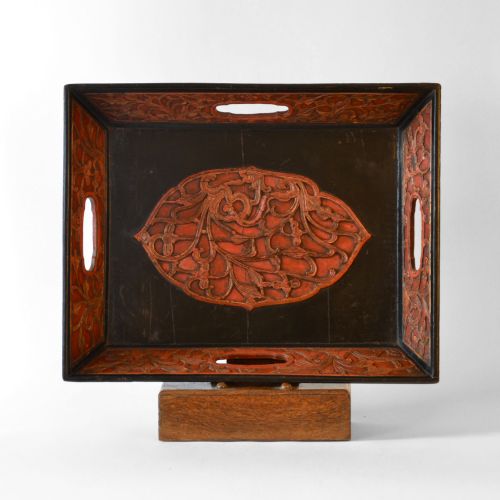
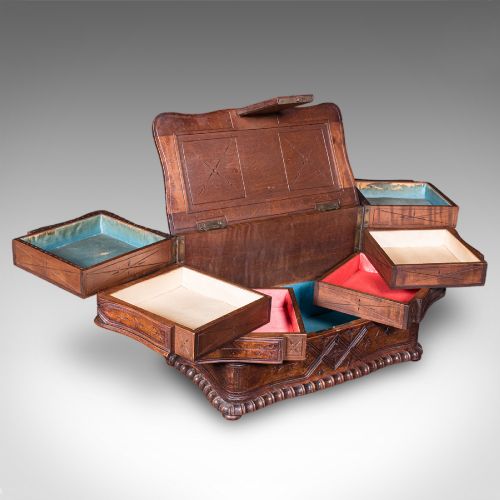
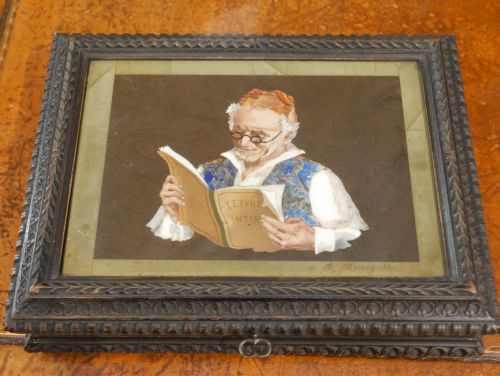
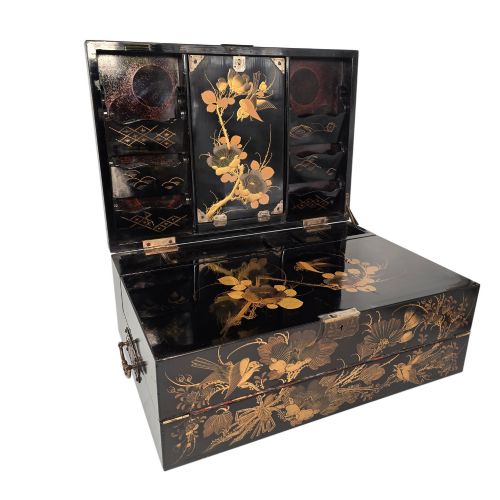
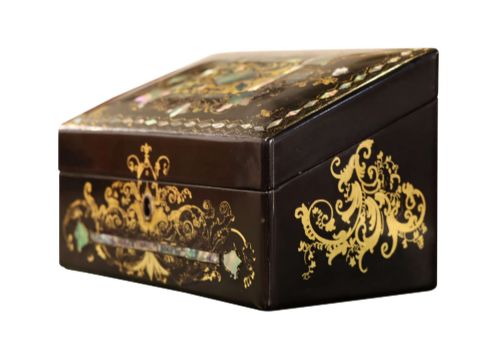
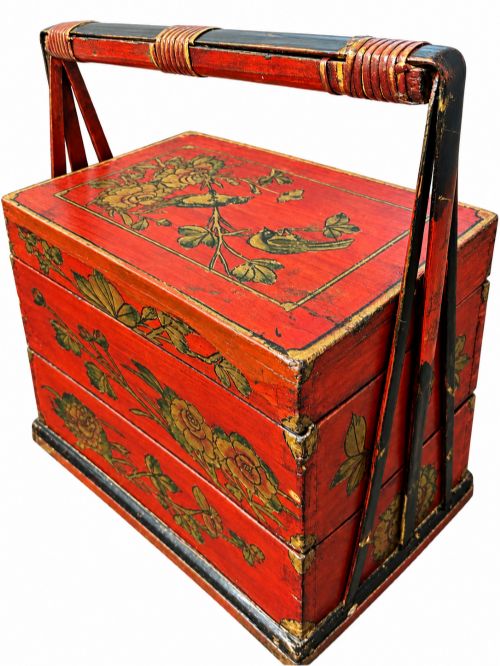
Buyers encountering this group will frequently find pieces styled in Chinoiserie, papier-mâché, or carved wood such as Black Forest or limewood. Many items incorporate contrasting details like gilt decoration, brass mounts, or mother-of-pearl inlay.
Origins stretch across Britain, Europe, and Asia, reflecting international trade and craftsmanship traditions from the eighteenth century into the early twentieth century. Smaller items like snuff boxes and needlework caskets appear alongside heavy luggage trunks and storage chests.
Materials and construction methods
Makers utilised wood, paper-mâché, leather, and metal as structural bases, applying black paint, lacquer, or polish to achieve a dark surface. Gold leaf and paint provided ornamental flourishes, particularly on Chinese export and Regency Chinoiserie pieces.
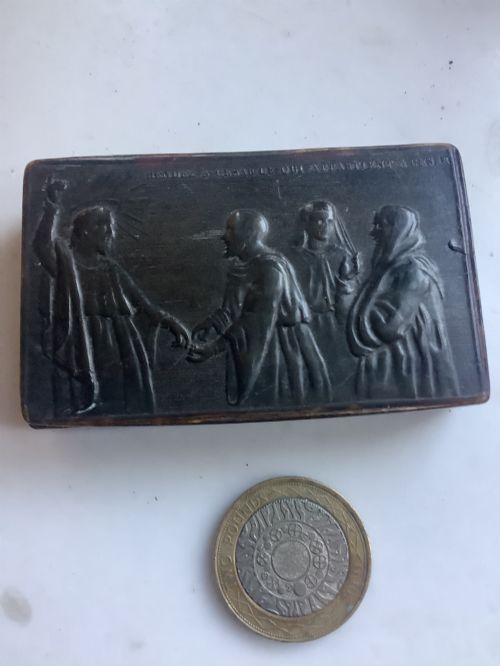
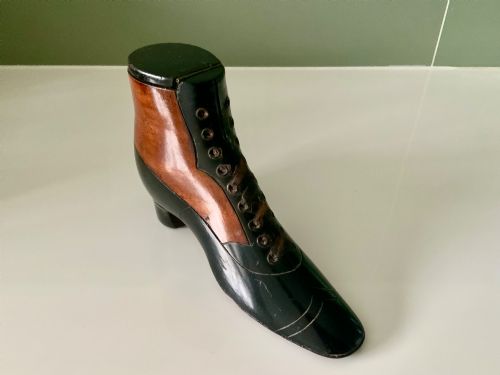
Carpenters, lacquer workers, and metalsmiths joined joints through dovetailing or framing, fitted brass hinges and locks, and applied interior linings of fabric or paper. Carved items like Black Forest bears and limewood match holders demonstrate intricate hand-tooling.
Antique Black Box Retail Price Guide 2026
Typical asking prices for black box among the pieces listed under this phrase on Sellingantiques today, from the lower quarter to the upper quarter. They describe what is for sale here now, not the wider market.
Listings feature items from the Georgian, Victorian, and Edwardian periods, constructed in wood, lacquer, brass, leather, and papier-mâché.
Distinctions in quality
Quality rests in the precision of the joinery, the integrity of the hinges and locking mechanisms, and the preservation of the exterior finish. Intricate hand-gilt decoration or fine marquetry indicates higher workshop standards than plain utility paint.
The depth and clarity of surface embellishments, such as multi-layered lacquer or crisp carving in wood and horn, separate standard production items from workshop pieces bearing detailed artistry.
E.R. Watts & Son Ltd·Dunhill London·Wm. Insall of Bristol·Lincoln Bennett of London·James Bruce, Glasgow·Vishnyakov Workshop·Ravenscroft Law·F. Whitfield & Co.
The Antique Black Box Glossary
- Chinoiserie
- European decorative style reflecting Chinese artistic motifs, frequently seen in gold paint on black lacquered wood surfaces.
- Papier-mâché
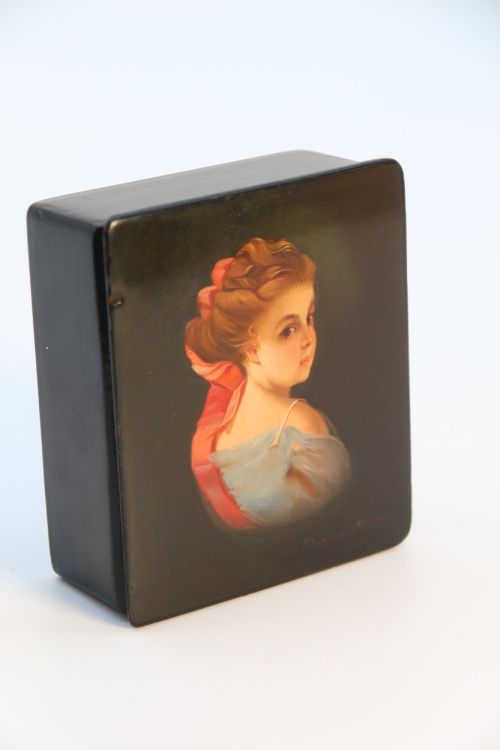
- Composite material made from paper pulp or layers of paper bound with glue, pressed into moulds, and lacquered.
- Snuff box
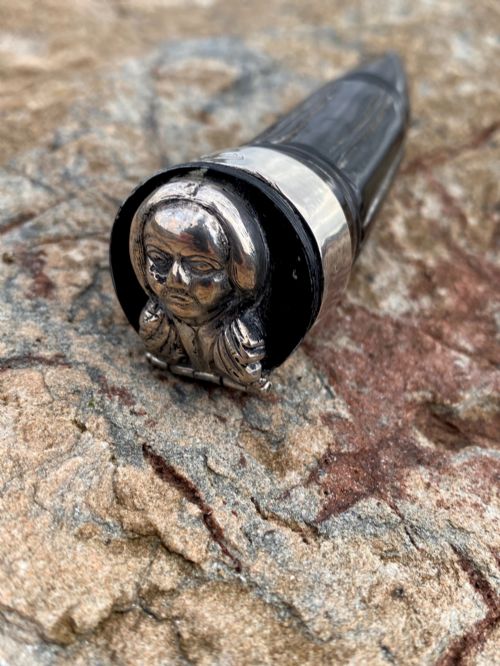
- Small pocket container used for holding powdered tobacco, produced in horn, metal, papier-mâché, or wood.
- Tea caddy
- Box designed to store loose tea leaves, often featuring internal compartments and lockable lids.
- Coffer
- Large storage chest with a heavy lid, utilised for domestic goods and valuables.
Antique Black Box: Frequently Asked Questions
What fits inside an antique black box?
These receptacles held specific personal items depending on their form, such as tea leaves in caddies, writing paper and ink in slope boxes, or valuables in coffers and trunks.
Today they suit modern organisation, storing letters, jewellery, or desk accessories while maintaining historical character in a living space.
How do I care for a lacquered box?
Lacquered and painted surfaces require protection from direct sunlight and extreme humidity changes to prevent cracking or fading.
Dust gently with a dry, soft cloth, avoiding commercial polishes or abrasive cleaners that can damage the delicate historical finish.
How can I tell the period of a box?
Dating relies on observing construction methods, materials like papier-mâché or camphorwood, and decorative styles such as Regency Chinoiserie or Art Deco.
Hardware components like brass hinges, locks, and maker marks also offer clear indicators of manufacture during Victorian, Georgian, or Edwardian decades.
Were these boxes used for travel?
Larger examples, including coaching travelling trunks and leather vanity cases, were built for journeys by carriage, train, or ship.
Smaller boxes remained stationary on desks, tables, or dressing chests inside domestic rooms to keep personal possessions organised.