





Antique Birmingham Gold Ring
An antique birmingham gold ring brings together regional assay office history and period gemstone settings, offering wearable design from the Victorian era onward.
Antique Birmingham Gold Ring
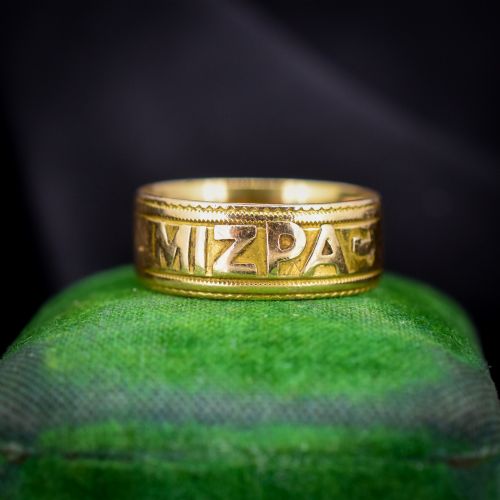
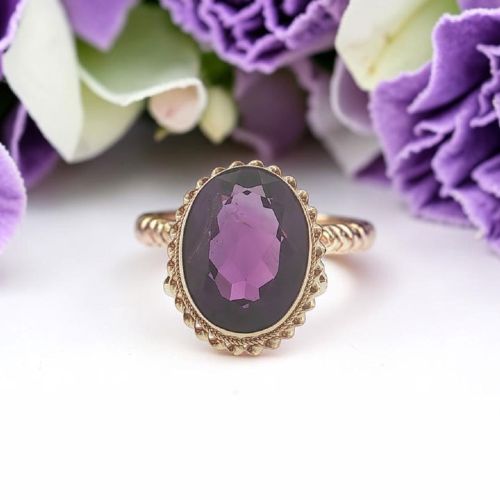
When searching for an antique birmingham gold ring, a buyer encounters finger jewellery bearing the anchor hallmark of the West Midlands assay office alongside official purity marks. The selections span Victorian, Edwardian, and later twentieth-century decades, reflecting changing tastes in decorative design.
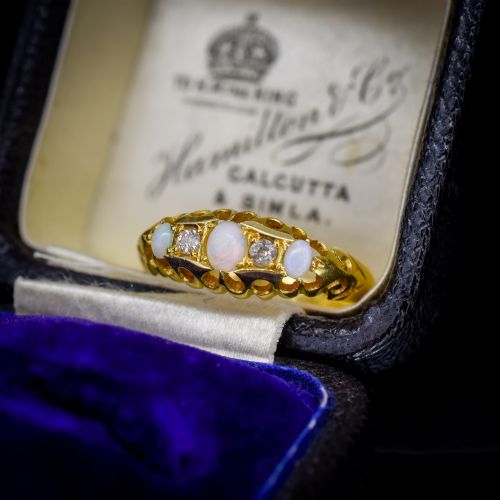
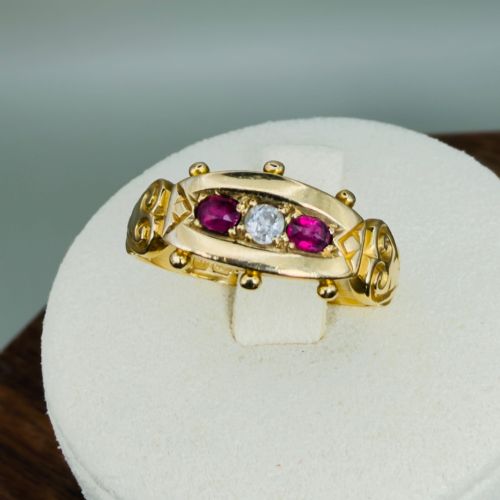
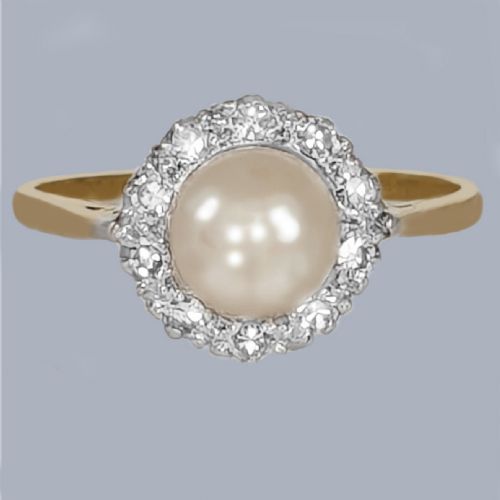
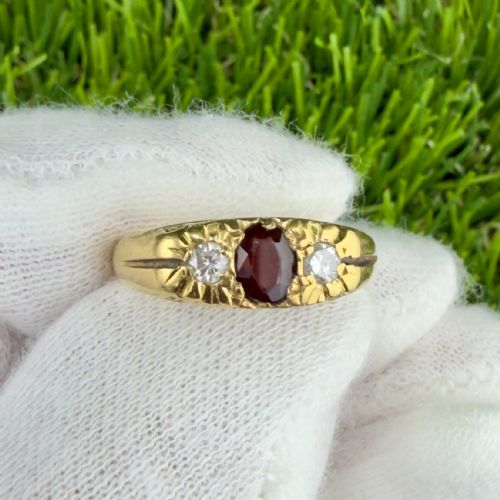
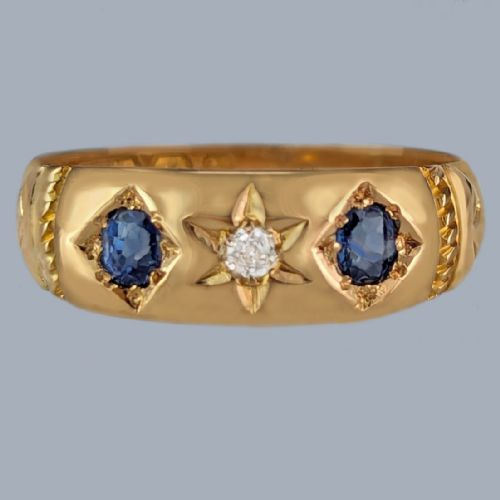
The most common forms on this page include multi-stone trilogy and five-stone settings, alongside boat rings and band variations set with diamonds, rubies, sapphires, and opals.
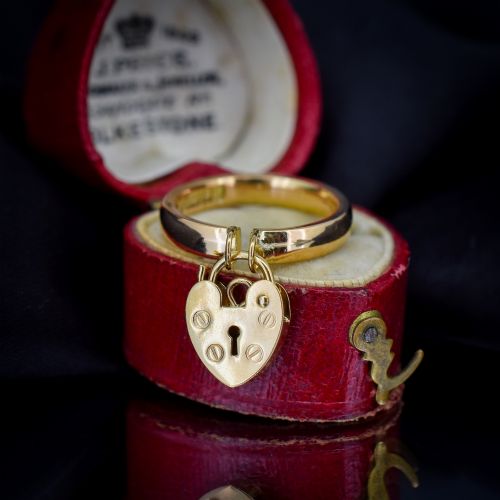
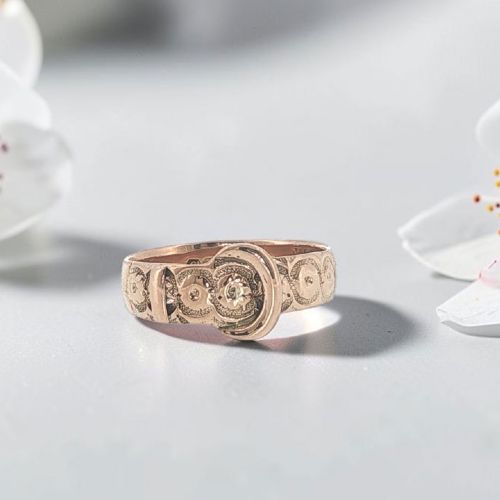
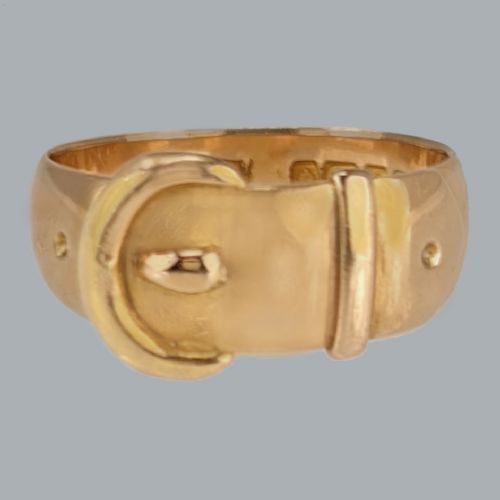
Makers utilised 9ct, 15ct, and 18ct yellow or rose gold to construct heavy band rings, buckle motifs, and intricate cluster arrangements that survive from the nineteenth and early twentieth centuries.
Materials and construction methods
Goldsmiths worked with 9ct, 15ct, and 18ct gold, casting and hand-forging bands into solid structures like buckles, belts, and serpent shapes, or forming boat-shaped galleries for stones.
Gemstones including old European cut diamonds, rubies, sapphires, opals, and split pearls were secured using claw settings, flush gypsy mountings, or intricate shared granules.
The listings combine 18ct gold, 9ct gold, and 15ct gold across Victorian, Edwardian, and George V periods.
Evaluating craftsmanship and condition
Quality rests in the crispness of the Birmingham anchor hallmark and standard purity stamps, alongside the retention of original stone cuts such as old mine or old European diamonds.
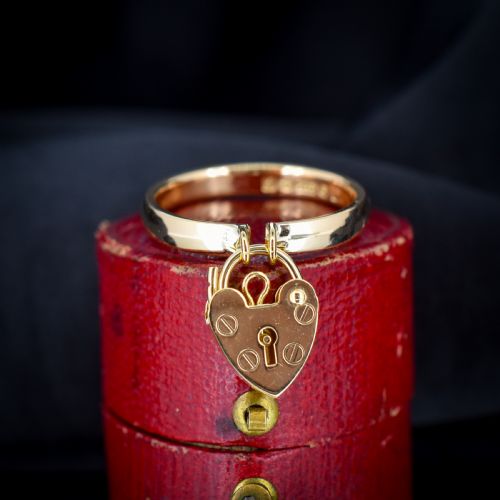
Superior examples maintain structural integrity in detailed motifs like engraved scrollwork, padlock drops, and buckle prongs without thinning of the gold band.
William Griffiths And Son·Henry Wilkinson
The Antique Birmingham Gold Ring Glossary
- Birmingham Assay Office
- The official body responsible for testing and hallmarking precious metal items, identified by the anchor symbol.
- Boat Ring
- A ring featuring a curved, boat-shaped setting that traditionally houses a row of graduated gemstones.
- Trilogy Ring
- A three-stone ring design where the central gem is typically flanked by two matching stones.
- Gypsy Ring
- A style where stones are flush-set directly into a thick, tapering gold band.
- Navette
- A pointed, boat-shaped gemstone setting resembling the outline of a little ship hull.
Antique Birmingham Gold Ring: Frequently Asked Questions
How do I read Birmingham gold hallmarks?
Birmingham gold items bear an anchor symbol indicating the assay office, paired with numbers denoting the gold purity such as 375 for 9ct or 750 for 18ct.
Additional stamps include date letters that correspond to specific years of manufacture and maker marks to identify the workshop.
How should I care for antique gold rings?
Antique gold rings require gentle cleaning with warm soapy water and a soft cloth, avoiding harsh chemical dips that damage softer gems like opals and pearls.
Removing the jewellery during manual tasks protects delicate claw settings and prevents wear to historical gold bands.
Are old cut diamonds different from modern stones?
Old European and old mine cut diamonds possess smaller tables, higher crowns, and larger culets hand-polished by historical lapidaries.
These stones produce a distinctive candlelight sparkle rather than the clinical brilliance of modern brilliant cuts.