

Antique Bird Oil Painting
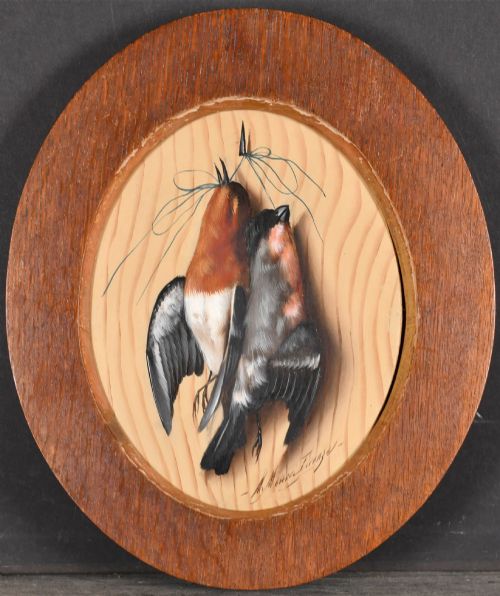
An antique bird oil painting brings the quiet detail of feathers and woodland or larder settings directly onto the wall.
Antique Bird Oil Painting
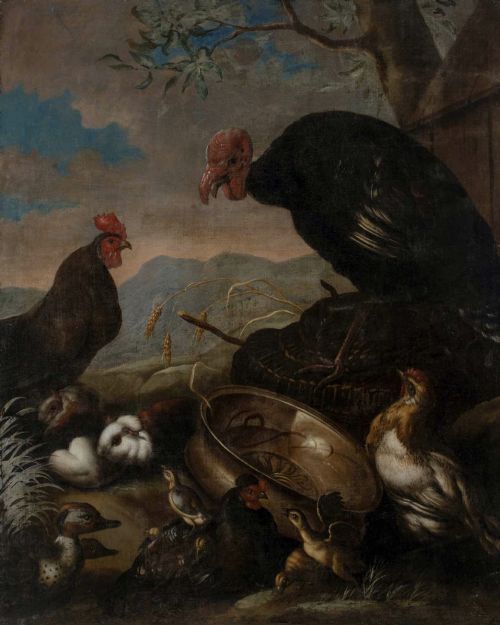
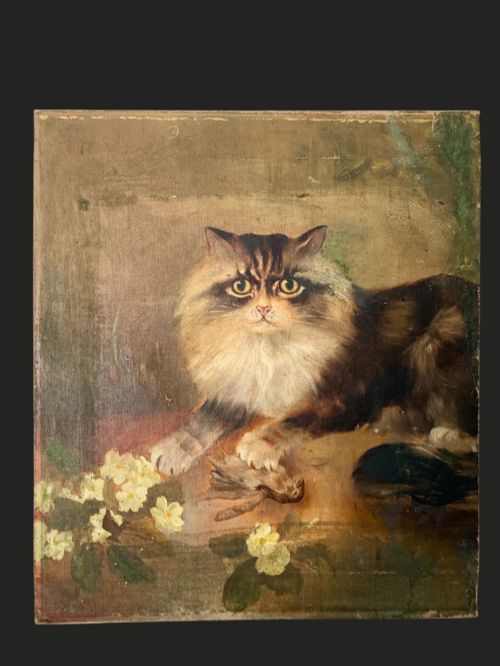
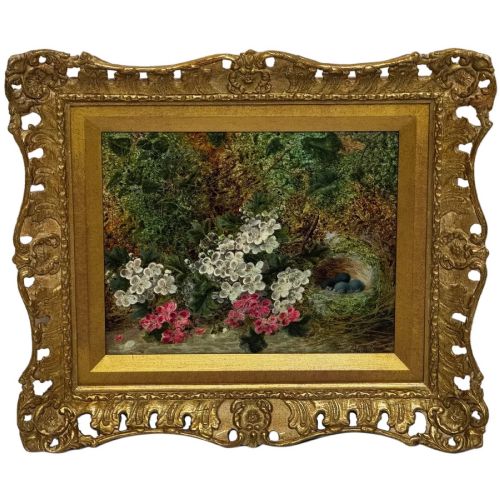
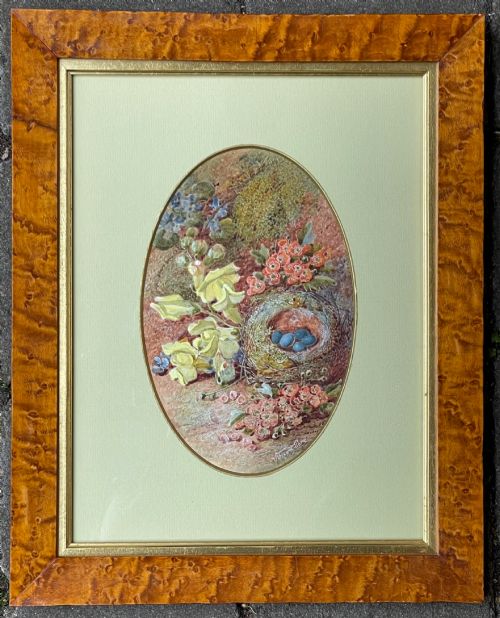
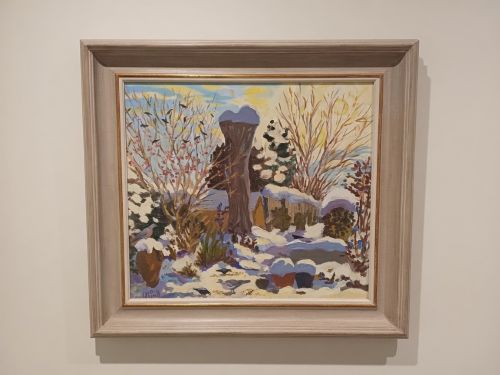
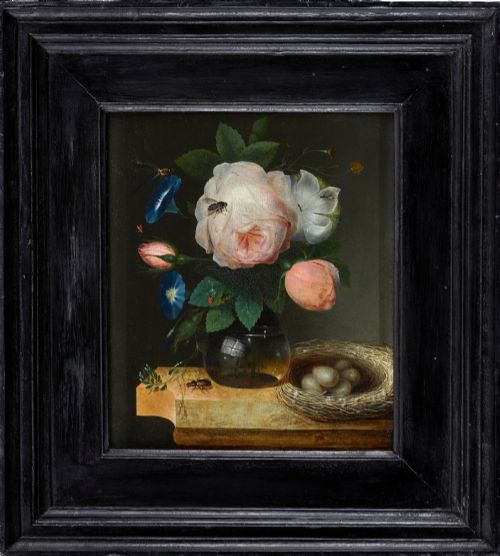
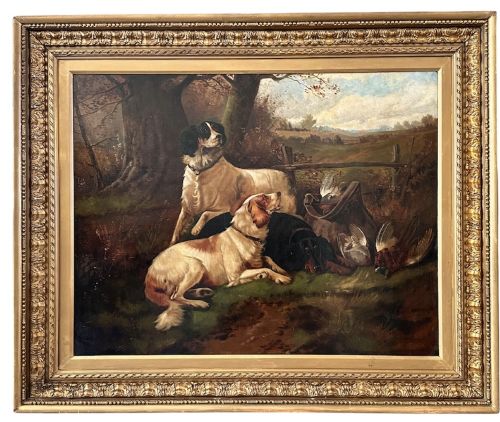
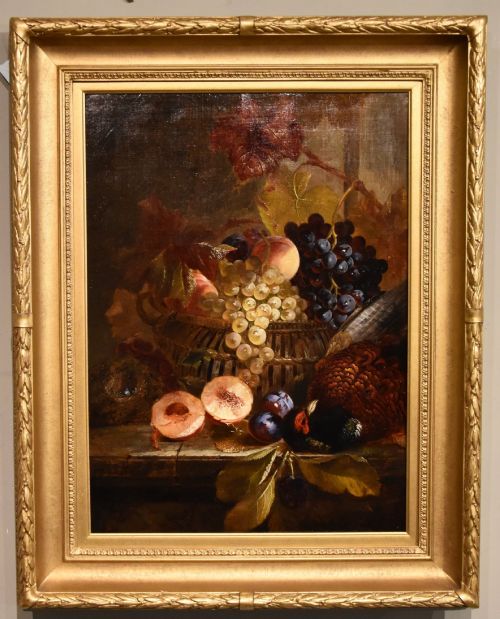
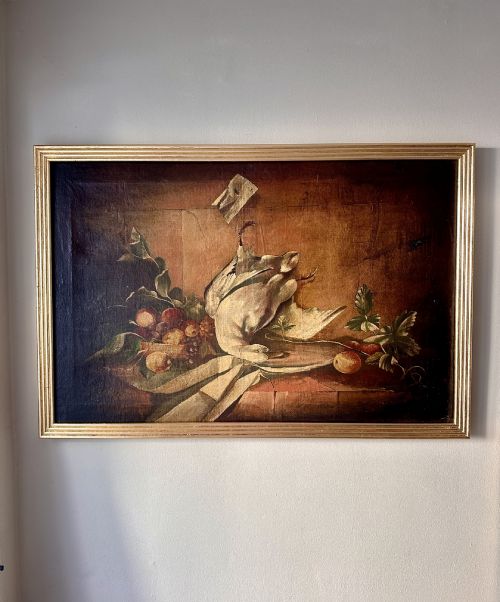
When searching for an antique bird oil painting, collectors encounter compositions ranging from 17th-century continental game pieces to 19th-century Victorian still lifes of nests and blossoms. The most frequent examples on this page are canvas works from the Victorian period, alongside earlier Dutch and Flemish school interpretations.
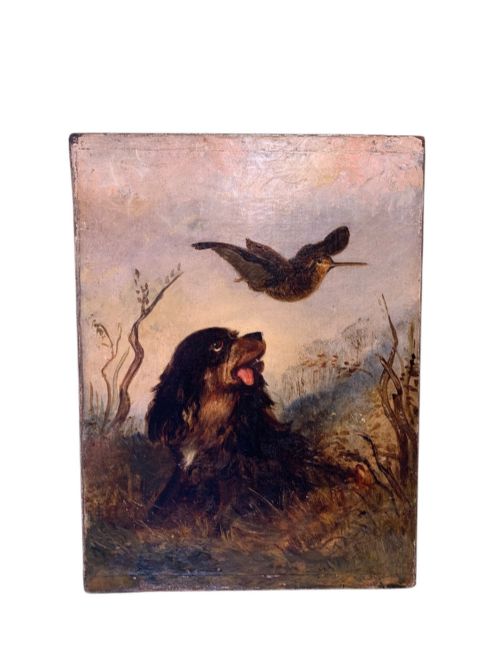
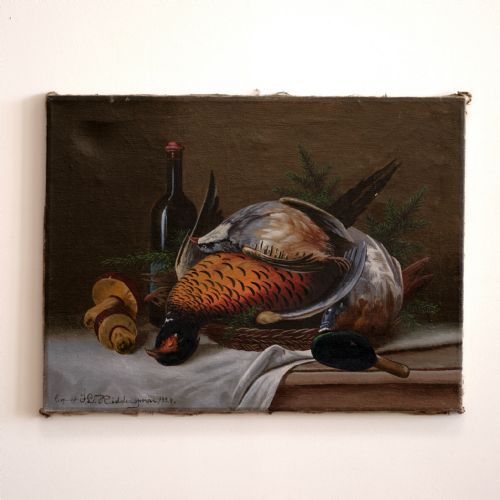
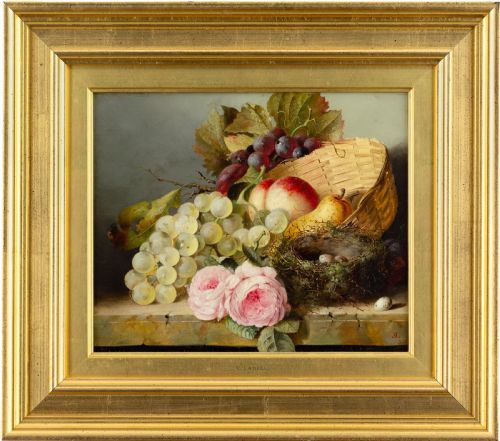
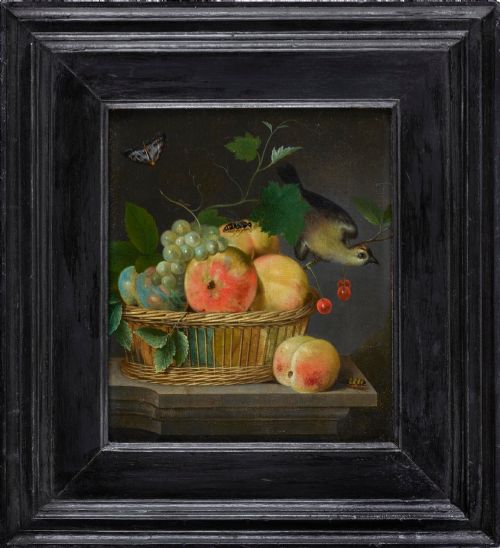
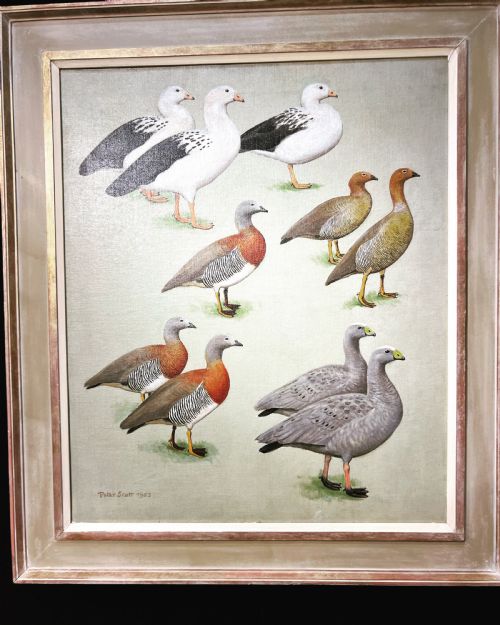
Subjects span from scientific studies of exotic plumage and domestic fowl to sporting art depicting woodcocks, pheasants, and racing pigeons in natural or architectural landscapes. Certain canvases also place birds alongside fruit baskets, flowers, and castle ruins.
Works appear in various formats, including framed panels, oils on tin, and milk glass supports, reflecting the diverse approaches of British, Italian, and Dutch makers across several centuries.
Materials and technique
The foundation of these pieces is typically woven canvas or wooden panel prepared with gesso, upon which artists built up layers of oil paint to achieve texture in plumage and foliage. Pigments were manipulated to render the iridescent sheen of wings and the matte surface of surrounding stone or wicker.
Many surviving works retain their period surrounds, constructed from wood finished with gold leaf or carved as giltwood frames that complement the depth of the oil compositions.
Several canvases feature remarkably stern-looking poultry sharing space with delicate butterflies and frogs.
Factors of quality
Quality rests upon the artist's command of anatomy, light, and texture, separating competent decorative studio pieces from masterworks of natural history and still life. The articulation of individual feathers, the play of shadow across a bird's breast, and the harmony of the surrounding landscape dictate the standing of a canvas.
The preservation of the original paint layer without extensive modern overpainting preserves the intended tonal balance. Additionally, the integration of a period frame contributes to the cohesive integrity of the piece.
Angelo Maria Crivelli·Oliver Clare·Edward Ladell·Michelangelo Meucci·Gaspar Peeter Verbruggen·William Henry Ward·Philipp Ferdinand de Hamilton·Marmaduke Cradock·Jacob Bogdani·George Lance·Stephen Elmer·Tobias Stranover·George Clare·Abel Hold·Samuel Bird
The Antique Bird Oil Painting Glossary
- Giltwood
- Wood that has been coated with a thin layer of gold leaf. This finish was standard for framing fine paintings during the Georgian and Victorian eras.
- Trompe l'oeil
- An art technique that uses realistic imagery to create the optical illusion that the depicted objects exist in three dimensions.
- Impasto
- The process of laying paint thickly on a canvas so that it stands out from the surface. This technique gives texture to feathers and flower petals.
- Provenance
- The chronological record of ownership of a work of art. It helps establish authenticity and historical context.
- Larder view
- A genre of still life painting depicting game, fowl, and provisions prepared for the kitchen. These scenes often feature hanging birds and harvested fruit.
Antique Bird Oil Painting: Frequently Asked Questions
What subjects appear in these paintings?
These canvases depict everything from solitary songbirds and goldfinches to game birds like woodcocks and pheasants.
Other compositions place birds among fruit baskets, garden flowers, or dramatic landscape settings with castle ruins.
How do I date an oil painting?
Dating relies on examining the canvas weave, stretcher construction, and the ageing of the oil pigments.
Stylistic cues within the brushwork and the accompanying frame also offer clear indicators of the period of creation.
Where were these artworks produced?
The pieces originate from various European traditions, with strong representation from British, Dutch, Flemish, and Italian schools.
Regional preferences influenced whether the focus leaned toward sporting art, delicate floral still lifes, or dramatic continental game scenes.
How should I display an oil painting?
These works suit traditional study spaces, dining rooms, or living areas when hung away from direct sunlight and moisture.
Perecting the height ensures the lighting catches the oil medium and any original giltwood frame properly.