
Antique Bird Eye Maple
Antique bird eye maple encompasses distinctive furniture and decorative objects prized for their patterned timber grain.
Antique Bird Eye Maple
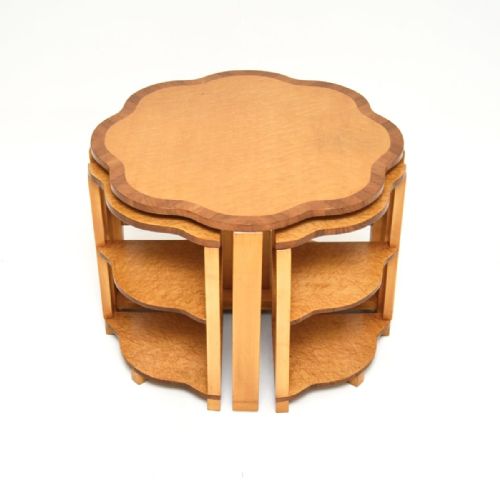
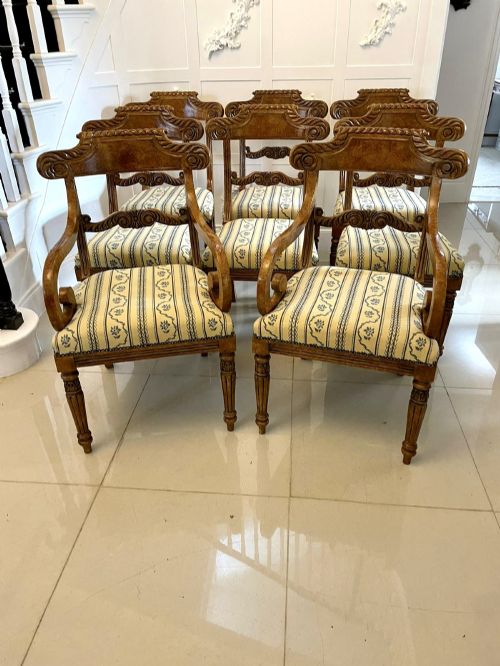
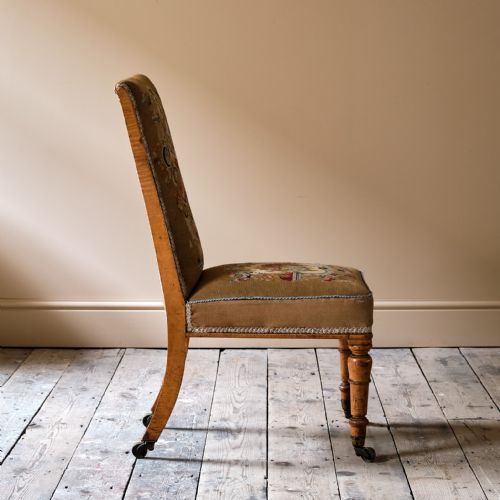
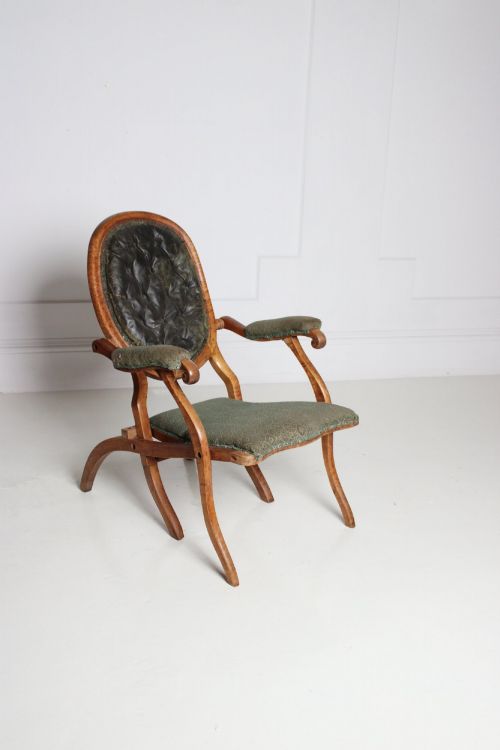
When searching for antique bird eye maple, buyers encounter a diverse selection of furniture and decorative objects spanning the nineteenth and twentieth centuries. The material appears across major stylistic movements, from Regency and Victorian pieces to Biedermeier, French Aesthetic designs, and streamline Art Deco creations.
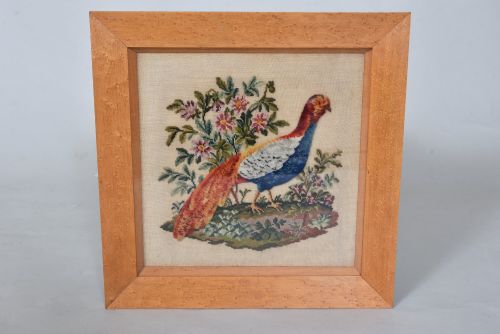
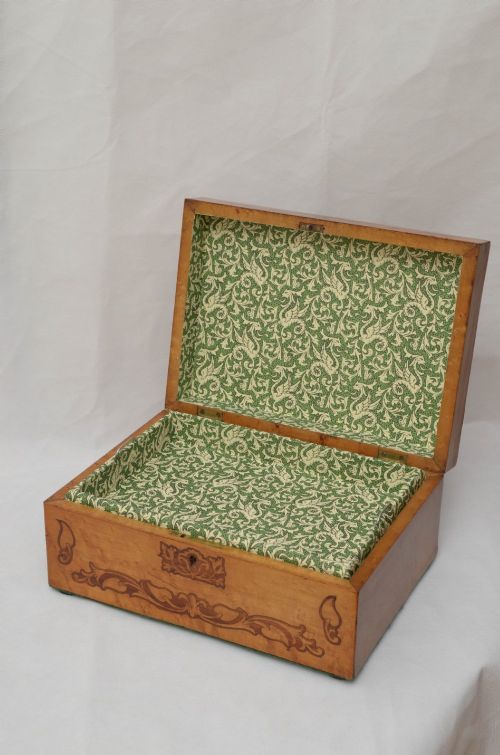
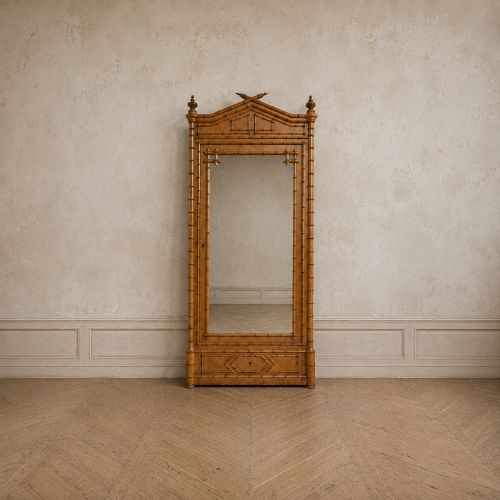
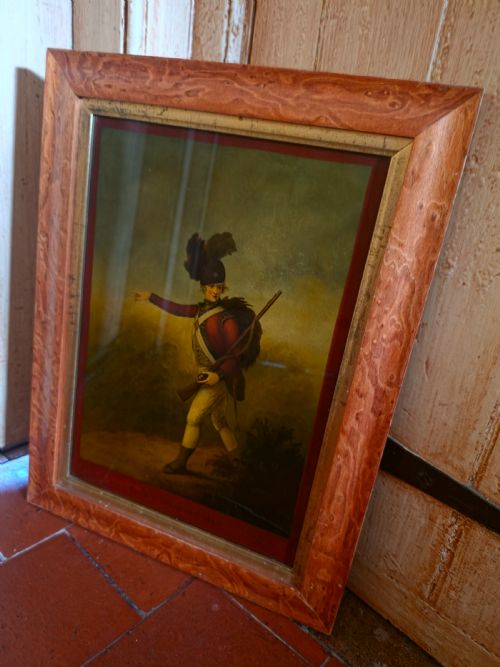
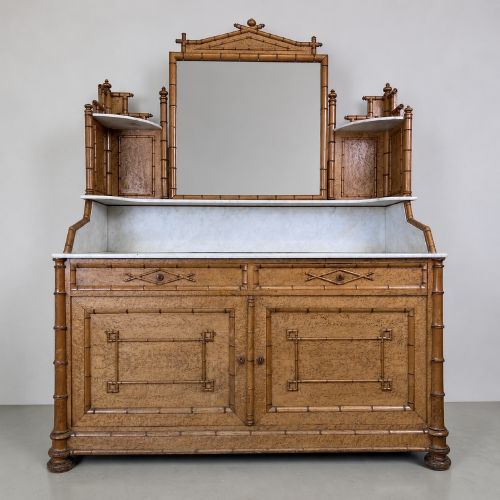
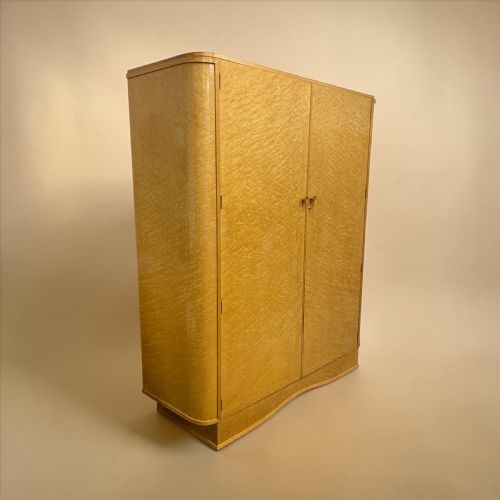
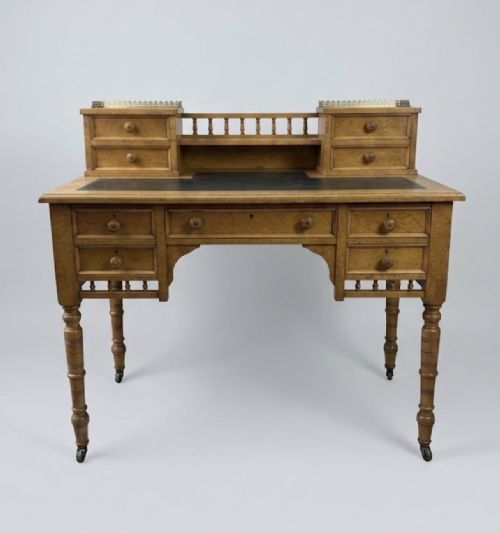
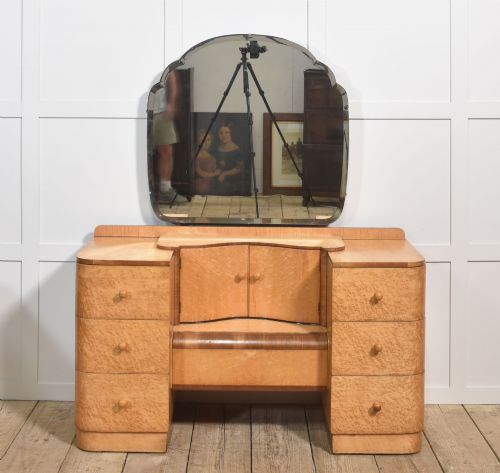
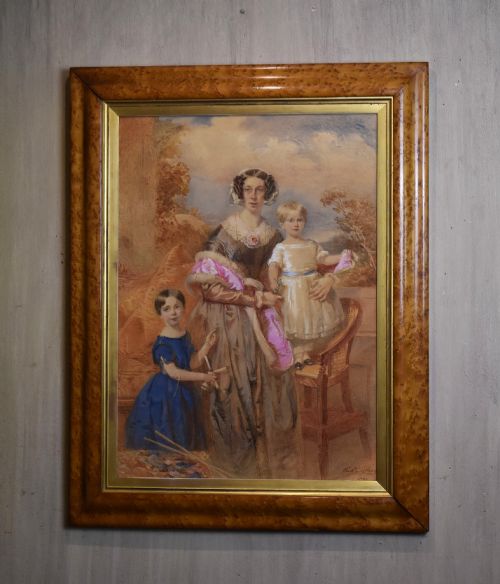
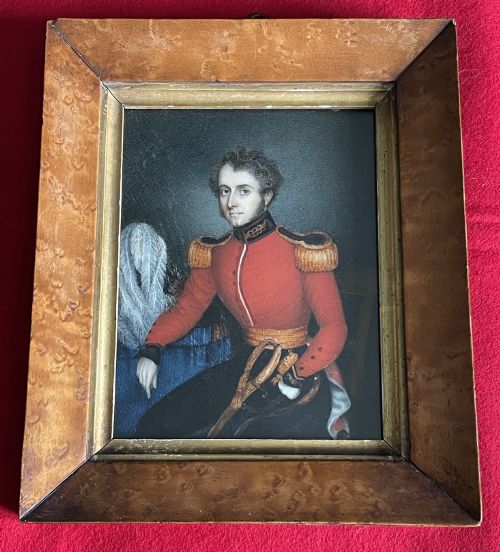
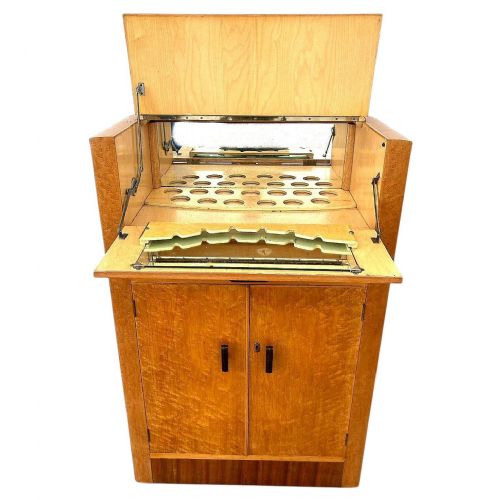
The assortment on this page includes large furniture forms such as wardrobes, chests of drawers, writing desks, dining tables, and cocktail cabinets. Smaller decorative items also appear frequently, including jewellery boxes, tea caddies, picture frames, and wall mirrors framed in the distinct timber.
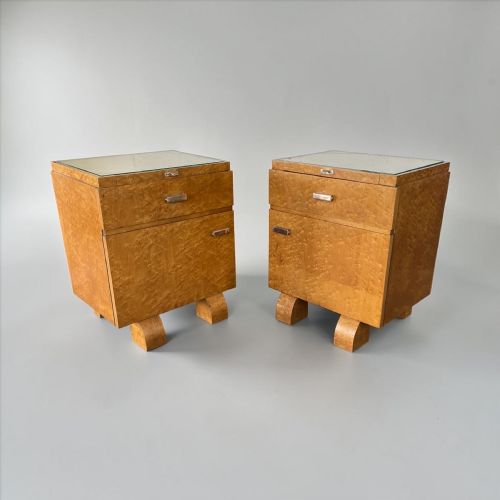
Victorian and Edwardian iterations often showcase rich natural amber tones alongside walnut, tulipwood, or ebony inlay. Conversely, Art Deco examples favour blonde maple veneers paired with sleek geometric forms, glass tops, or black lacquer details.
How they were made
Craftsmen utilised the unique figuring of bird eye maple as a veneer rather than solid construction, applying thin sheets of the speckled timber over stable secondary woods like mahogany, pine, or walnut. This technique allowed cabinetmakers to wrap expansive surfaces, such as wardrobe doors and table tops, in symmetrical grain patterns.
Detailed marquetry, contrasting stringing in ebony or tulipwood, and turned bamboo-style mouldings frequently accented the primary timber. Metal fittings in brass, alongside leather writing surfaces and original glass panels, completed the construction of these decorative and functional pieces.
Listings feature eighteenth and nineteenth century furniture alongside 1930s Art Deco pieces in birds eye maple, maple, glass, brass, and leather.
What varies in quality
Quality in antique bird eye maple relies heavily on the density, consistency, and alignment of the eye formations across the veneered surfaces. Superior examples demonstrate careful book-matching, where timber sheets are mirrored precisely to create harmonious, symmetrical patterns across drawer fronts and cabinet doors.
The integrity of the underlying structure and the preservation of the original surface finish determine the enduring value of each piece. Items retaining their original polish, untouched brass hardware, and minimal veneer lifting stand apart from heavily restored or sun-bleached alternatives.
Maurice Adams·H and L Epstein·Gillows of Lancaster·Frederick Tatham
The Antique Bird Eye Maple Glossary
- Bird's-Eye Maple
- A figured variation of sugar maple timber showing small, circular disruptions in the grain resembling tiny bird eyes. This natural anomaly occurs irregularly within the tree, producing highly decorative veneer.
- Veneer
- A thin layer of choice wood applied over a base of cheaper timber to provide a decorative surface. Cabinetmakers utilise this method to display striking grain patterns without wasting scarce materials.
- Marquetry
- The art of applying pieces of veneer to a structure to form decorative patterns and pictures. Artisans cut various woods, including tulipwood and ebony, to fit together within the primary maple background.
- Biedermeier
- A central European design style spanning the early to mid-nineteenth century focused on utility and clean lines. Makers of this period frequently employed bird's-eye maple to highlight unadorned, elegant furniture forms.
- Compactum
- A multi-functional wardrobe designed to maximise internal storage capacity through specialised compartments. These fitted units often feature hanging space, shelves, and drawers housed within a single cabinet.
Antique Bird Eye Maple: Frequently Asked Questions
What is bird's-eye maple?
Bird's-eye maple is a figure that occurs in sugar maple wood, creating tiny circular swirls that resemble small eyes.
Cabinetmakers prized this decorative timber for fine furniture and decorative items throughout the nineteenth and twentieth centuries.
How do I care for antique maple furniture?
Keep wooden pieces away from direct sunlight and extreme temperature fluctuations to prevent the delicate veneer from drying out or cracking.
Apply a traditional beeswax polish occasionally and buff gently with a soft cloth to maintain the natural lustre of the timber.
Is bird's-eye maple solid or veneered?
Most antique pieces utilise thin sheets of bird's-eye maple veneer applied over a stable secondary wood like pine or mahogany.
This technique prevented the decorative timber from warping while allowing artisans to display symmetrical grain patterns across large surfaces.
What periods feature bird's-eye maple?
The material appears across Regency, Victorian, and Edwardian pieces, alongside distinct blonde geometric designs from the Art Deco era.
Nineteenth-century makers often paired the timber with dark contrasts like ebony, whereas 1930s designers favoured lighter, minimalist finishes.